Entering your mid-30s marks a meaningful shift in how your body functions. Hormones begin to change, natural antioxidant defenses decline, metabolic efficiency slows, and recovery from stress or exercise becomes less automatic.
While a nutrient-dense diet, consistent training, quality sleep, and stress management remain the foundations of long-term health, targeted supplementation can support biological systems that gradually become less efficient with age.


The following evidence-based supplements are among the most researched for promoting health, longevity, and performance for adults over 35. Each section explains what the supplement does, how it supports healthy aging, and what the science says—without exaggeration or unnecessary complexity.
Creatine Monohydrate
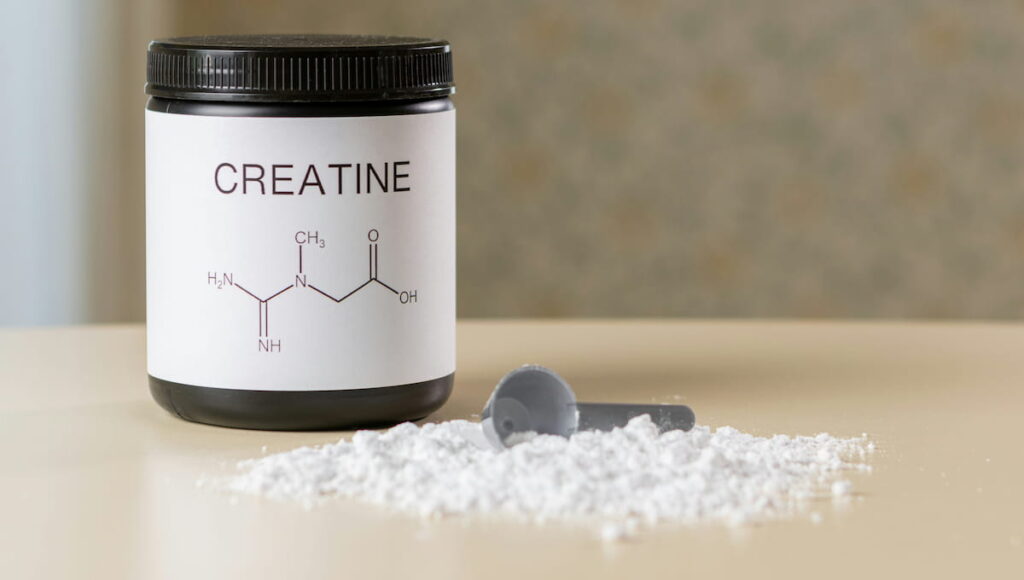
Creatine is best known as a performance supplement for strength and power athletes, but its benefits go far beyond physical performance. After age 30, adults naturally lose muscle mass at a rate of 3–8% per decade. Creatine supports muscle maintenance, strength preservation, and cognitive performance, all of which contribute to healthy aging.

How Creatine Supports Longevity
Creatine helps regenerate ATP—the body’s primary energy molecule—in both muscle and brain tissue. Higher ATP availability contributes to better training performance, supports muscle function, and enhances cellular energy metabolism.
Key Benefits Backed by Research
- Preserves and builds lean muscle mass
A meta-analysis of older adults found that creatine supplementation combined with resistance training significantly increased lean body mass and strength compared to training alone(Schalko et al., 2024). - Improves cognitive function
Creatine supports brain energy metabolism. Randomized controlled trials have found improvements in working memory and intelligence-related tasks, particularly in situations of sleep deprivation or high cognitive demand(Rae et al., 2003). - Supports bone and functional strength
Studies on adults over 50 show increases in functional performance, including chair-rise tests and grip strength, when creatine is combined with resistance training(Chilibeck et al., 2017).
Supplemental Tip: To preserve muscle mass, support your workout recovery, and improve cognitive health, creatine is a safe and effective addition to your supplement regimen. Learn about the best creatine powders for strength, endurance, and recovery to optimize your health as you age.
Ideal Intake for Adults Over 35
Most research supports:
- 3–5 g per day
- No loading phase required
- Creatine monohydrate is the most effective and well-studied form
Safety studies show no adverse effects on kidney or liver function in healthy adults.
Omega-3 Fatty Acids (EPA & DHA)
Omega-3 fatty acids are essential nutrients that play major roles in cardiovascular health, inflammation regulation, and brain function. Modern diets often fall short in omega-3s, making supplementation beneficial—especially as inflammation and cardiovascular risk tend to rise with age.

How Omega-3s Support Longevity
Chronic low-grade inflammation is strongly linked with aging processes. EPA and DHA help shift inflammatory signaling toward a healthier, balanced state while supporting heart and brain health.
Key Benefits Backed by Research
- Cardiovascular health and reduced mortality risk
Large population studies show that higher blood omega-3 levels are associated with lower risk of cardiovascular disease and all-cause mortality(Harris et al., 2017). - Supports cognitive aging
DHA is a structural component of the brain. Clinical studies have linked higher DHA intake to improved memory, slower cognitive decline, and better brain volume retention(Bowman et al., 2013). - Reduces inflammation and supports joint health
Research shows omega-3s reduce inflammatory markers and can improve symptoms in inflammatory conditions such as arthritis(Calder, 2015).
Ideal Intake for Adults Over 35
Aim for a combined 1–2 g per day of EPA + DHA from high-quality fish oil or algae-based supplements. Individuals with higher cardiovascular risk may require more, under medical guidance.
Magnesium (Especially Glycinate or Citrate)
Magnesium is involved in more than 300 biochemical reactions, including energy production, nerve conduction, muscle function, cardiac rhythm, and stress regulation. Most adults do not consume recommended amounts, and absorption efficiency decreases with age.
How Magnesium Supports Longevity
Magnesium plays a role in glucose regulation, mitochondrial function, blood pressure regulation, and sleep quality—all major components of long-term health.
Key Benefits Backed by Research
- Improves sleep and reduces insomnia
Randomized controlled trials in older adults show magnesium supplementation improves sleep quality, sleep time, and sleep efficiency(Abbasi et al., 2012). - Supports cardiovascular health
Higher magnesium intake is associated with reduced risk of hypertension and cardiovascular events(Kieboom et al., 2017). - Helps regulate glucose and metabolic health
Magnesium deficiency is linked to poor insulin sensitivity. Studies show supplementation improves insulin resistance and glucose control in adults with low magnesium levels(Rodriguez-Moran & Guerrero-Romero, 2014).
Ideal Intake for Adults Over 35
Most adults benefit from 200–400 mg per day. Magnesium glycinate is best for sleep and relaxation; citrate is more effective for digestion.
Vitamin D3 (Often Combined with K2)
Vitamin D deficiency is widespread globally, especially among adults who work indoors or live in regions with limited sunlight exposure. After age 35, the skin becomes less efficient at synthesizing vitamin D from sunlight, raising the importance of dietary supplementation.
How Vitamin D Supports Longevity
Vitamin D is crucial for bone density, immune regulation, hormonal balance, and inflammation control. Adequate levels support resilience against chronic disease and maintain functional health.
Key Benefits Backed by Research
- Supports immune health and lowers infection risk
A large meta-analysis showed vitamin D supplementation reduces the risk of acute respiratory infections, especially in those who are deficient(Martineau et al., 2017). - Protects bone health and strength with age
Vitamin D enhances calcium absorption, reducing the risk of osteoporosis and fractures as individuals age(Nieves, 2013). - Potential reduction in mortality risk
Observational research links higher vitamin D levels with lower risk of all-cause mortality(Garland et al., 2014).
Ideal Intake for Adults Over 35
Most adults require 1,000–2,000 IU per day, though personal needs vary widely. Pairing vitamin D3 with vitamin K2 may support calcium metabolism, directing calcium into bones instead of arteries.
Nicotinamide Mononucleotide (NMN) or Nicotinamide Riboside (NR)
NMN and NR are precursors to NAD+, a molecule essential for mitochondrial energy production, DNA repair, and metabolic function. NAD+ levels naturally decline with age—by as much as 50% between ages 40 and 60.
How NMN/NR Supports Longevity
Increasing NAD+ levels supports cellular repair pathways, mitochondrial health, metabolic function, and energy production. These processes are tightly connected to aging.

Key Benefits Backed by Research
- Enhances mitochondrial health and energy production
Animal studies consistently show that raising NAD+ levels improves mitochondrial function and metabolic efficiency(Gomes et al., 2013). - Improves insulin sensitivity and vascular function
Human trials show NMN supplementation improves muscle insulin sensitivity and aerobic metabolism in adults with metabolic dysfunction(Yoshino et al., 2021). - Supports DNA repair and healthy aging pathways
NAD+ is required for sirtuins, enzymes that regulate aging, stress resistance, and DNA repair. Studies demonstrate that NAD+ precursors activate these pathways(Mills et al., 2016).
Ideal Intake for Adults Over 35
Common doses range from:
- NMN: 250–600 mg/day
- NR: 250–500 mg/day
Research is ongoing, but current evidence supports safety and efficacy for metabolic and cellular health.
Putting It All Together
Supplementation should complement—not replace—a balanced lifestyle. However, for adults over 35 experiencing natural declines in muscle mass, metabolic flexibility, hormonal balance, and recovery capacity, these five supplements provide science-backed support.
Creatine maintains strength and cognition, omega-3s regulate inflammation and heart health, magnesium supports sleep and metabolic processes, vitamin D bolsters immunity and bone strength, and NMN/NR enhances cellular resilience.
When combined with resistance training, whole foods, consistent sleep, and stress management, these supplements can contribute to better health, energy, and longevity well into later decades of life.
Bibliography
- Abbasi,B. et al. (2012) ‘The effect of magnesium supplementation on primary insomnia in elderly: A double-blind placebo-controlled clinical trial’, Journal of Research in Medical Sciences, 17(12), pp. 1161–1169.
- Bowman,G.L. et al. (2013) ‘Omega-3 fatty acids and brain volume in older adults’, Neurology, 80(10), pp. 974–981.
- Calder,P.C. (2015) ‘Marine omega-3 fatty acids and inflammatory processes: Effects, mechanisms and clinical relevance’, Biochimica et Biophysica Acta, 1851(4), pp. 469–484.
- Chilibeck,P.D. et al. (2017) ‘Effect of creatine supplementation during resistance training on lean tissue mass and muscular strength in older adults: A meta-analysis’, Medicine, 96(23), pp. e6825.
- Garland,C.F. et al. (2014) ‘Meta-analysis of all-cause mortality according to serum 25-hydroxyvitamin D’, American Journal of Public Health, 104(8), pp. e43–e50.
- Gomes,A.P. et al. (2013) ‘Declining NAD+ induces a pseudohypoxic state disrupting nuclear-mitochondrial communication during aging’, Cell, 155(7), pp. 1624–1638.