Athletes live by routines—training, recovery, sleep, and nutrition. But even the most disciplined athletes often struggle with regular mealtime consistency when schedules get packed. Meal prep is one of the simplest strategies to stay fueled, support performance, and maintain balanced energy throughout the week.
More importantly, well-designed meal prep can align with scientific evidence about what athletes need most: quality protein, complex carbohydrates, micronutrients, adequate hydration, and nutrient timing.


This article provides three creative, athlete-friendly meal prep ideas backed by science and designed to fit easily into a busy lifestyle. Each option includes performance-relevant nutritional reasoning, practical prep instructions, and customization tips. The goal is to help athletes eat with purpose—without spending hours in the kitchen.
Why Meal Prep Matters for Athletes
Consistent Fueling Supports Performance
Meal prep helps athletes avoid inconsistent eating patterns that can impair training quality. Research highlights the importance of regular carbohydrate intake for maintaining glycogen stores, which directly supports endurance and high-intensity performance. Studies show that inadequate glycogen significantly reduces aerobic capacity and power output(Hargreaves et al., 2004). Preparing balanced meals in advance ensures glycogen remains replenished across training days.
Protein Timing Enhances Muscle Recovery
Athletes require regular protein intake to optimize muscle repair and protein synthesis. Evidence indicates that distributing protein evenly across meals—rather than consuming most of it in one sitting—improves muscle protein synthesis rates(Moore et al., 2012). Meal prep naturally supports this distribution because athletes can plan protein-rich meals and snacks for the entire day.
Micronutrient Density Matters
Strong performance relies on more than macros. Vitamins and minerals like magnesium, potassium, iron, and B vitamins play essential roles in energy metabolism, muscle function, and oxygen transport. For example, iron deficiency can impair aerobic capacity and endurance(Brownlie et al., 2004), and inadequate magnesium can impair muscle contraction(Wolf & Cittadini, 2003). Meal prep helps athletes ensure diversity and consistency in micronutrient intake throughout the training week.
Balanced Diets Reduce Injury Risk
A nutrient-dense diet rich in antioxidants, healthy fats, and adequate protein supports tissue repair and reduces inflammation. Research shows that polyphenols and omega-3 fatty acids can reduce exercise-induced inflammation and muscle damage(Nieman et al., 2010). Meal prepping with these nutrients in mind helps athletes stay resilient and avoid training setbacks.
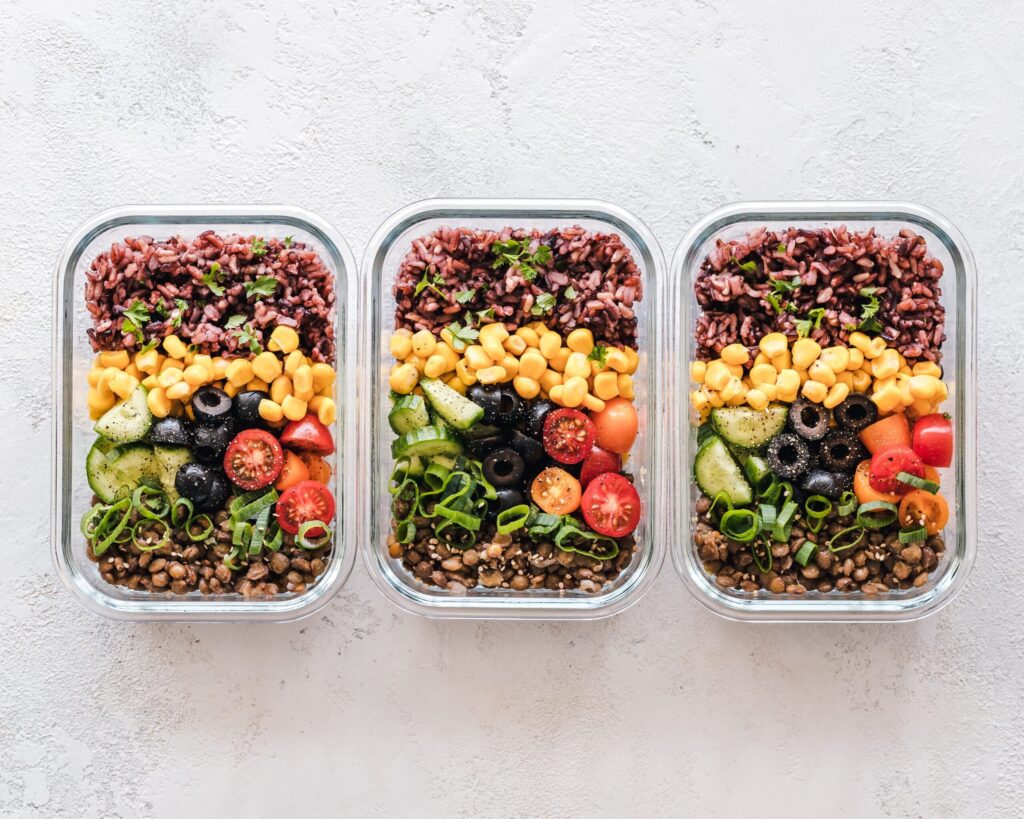
Meal Prep Idea #1: High-Protein Mediterranean Power Bowls
Mediterranean-style eating consistently ranks as one of the healthiest dietary patterns, supported by substantial scientific evidence. For athletes, it provides an optimal balance of complex carbohydrates, lean protein, healthy fats, and anti-inflammatory nutrients.
Why This Meal Works for Athletes
Mediterranean foods support endurance, recovery, and overall health due to their nutrient density. Polyphenols from vegetables and olive oil reduce oxidative stress—important because intense training increases free radical production. Research indicates that diets high in plant-based antioxidants improve exercise recovery and reduce inflammation(McAnulty et al., 2011). Whole grains such as farro or quinoa replenish glycogen gradually, stabilizing energy throughout long training days.

High-quality proteins such as grilled chicken, tofu, or legumes support consistent muscle protein synthesis. Studies show that 20–40g of high-quality protein per meal maximizes muscle protein synthesis rates(Phillips & Van Loon, 2011).
How to Prep the Power Bowls
Prepare all components separately and assemble bowls during the week or portion them into containers right away.
Base Options (complex carbs):
• Quinoa
• Farro
• Brown rice
• Whole-grain couscous
Protein Options:
• Grilled chicken breast
• Baked tofu
• Lean turkey meatballs
• Chickpeas or lentils
Veggie Options (antioxidant-rich):
• Cherry tomatoes
• Spinach or kale
• Roasted bell peppers
• Cucumber
• Red onion
Healthy Fats:
• Extra-virgin olive oil
• Avocado
• Olives
Flavor Boosters:
• Lemon juice
• Parsley
• Garlic
Performance Benefits
• Sustained energy: Low-glycemic carbs release energy steadily.
• Improved inflammation control: Olive oil contains oleocanthal, a compound with anti-inflammatory properties(Beauchamp et al., 2005).
• Muscle repair: High-protein content improves recovery after strength or endurance sessions.
• Gut health: Fiber from vegetables and legumes supports gut microbiota, which can improve immune function—a key concern for high-volume athletes(Walsh et al., 2011).
Custom Variations
• Add roasted sweet potatoes for extra glycogen support.
• Swap chicken for salmon to increase omega-3 intake.
• Add feta or Greek yogurt for extra protein and probiotics.
Meal Prep Idea #2: Omega-3-Rich Salmon and Veggie Sheet Pan Meals
Sheet pan meals are ideal for busy athletes who want maximum nutrition with minimal prep time. This recipe centers around salmon—a nutrient powerhouse backed by extensive research for athletic performance and recovery.
Why Salmon Supports Performance
Salmon is rich in omega-3 fatty acids (EPA and DHA), which have been shown to reduce inflammation, improve cardiovascular health, and support muscle recovery. Studies indicate that omega-3 supplementation increases muscle protein synthesis by enhancing anabolic signaling(Smith et al., 2011). Additionally, omega-3s may reduce delayed onset muscle soreness (DOMS) after intense exercise(Tsuchiya et al., 2019).

Salmon also provides high-quality protein and micronutrients such as vitamin D, selenium, and B vitamins, all of which contribute to energy metabolism and immune health.
Pairing salmon with colorful vegetables boosts antioxidant intake and supports post-exercise recovery.
How to Prep the Sheet Pan Meal
Ingredients:
• Salmon fillets
• Broccoli florets
• Brussels sprouts
• Carrots
• Red potatoes or sweet potatoes
• Olive oil, lemon, garlic, herbs
Steps:
- Preheat oven to 400°F.
- Chop vegetables and toss with olive oil, salt, and herbs.
- Spread vegetables on a sheet pan and roast for 15–20 minutes.
- Add salmon fillets on top; season with lemon and garlic.
- Roast another 12–15 minutes or until salmon flakes easily.
Portion into containers and refrigerate for up to four days.
Performance Benefits
• Anti-inflammatory support: Omega-3s help regulate inflammation from high-intensity training.
• Enhanced recovery: EPA and DHA may reduce muscle soreness and improve repair.
• Improved cardiovascular performance: Omega-3s help support healthy blood flow and oxygen delivery, which can benefit endurance athletes.
• High satiety: Protein-rich meals prevent excessive hunger during long training weeks.
Custom Variations
• Swap salmon for trout or mackerel—also excellent omega-3 sources.
• Add millet or brown rice for higher-carbohydrate weeks.
• Season with turmeric for additional anti-inflammatory benefits.
Meal Prep Idea #3: Balanced High-Energy Breakfast Burritos
Many athletes skip breakfast due to early training sessions or tight schedules. However, research consistently shows that consuming carbohydrates and proteins in the morning supports improved training capacity and enhances metabolic function(Betts et al., 2014).
Breakfast burritos are an ideal meal prep solution: they freeze well, reheat easily, and deliver a balanced blend of macronutrients.
Why Breakfast Burritos Work for Athletes
Burritos made with eggs, lean protein, and a whole-grain tortilla offer a combination of high-quality protein, complex carbs, and healthy fats. Eggs contain all essential amino acids and are well-supported in research as an efficient protein source for muscle building and repair(Vliet et al., 2015).
Adding beans or potatoes increases carbohydrate availability, essential for morning training sessions when glycogen stores may be low. Studies show that pre-exercise carbohydrate intake improves endurance performance and reduces perceived exertion(Hargreaves et al., 2004).
How to Prep High-Energy Burritos
Base Ingredients:
• Whole-grain tortillas
• Eggs or egg whites
• Black beans or pinto beans
• Diced sweet potatoes or potatoes
• Spinach
• Salsa
• Shredded cheese(optional)
Steps:
- Scramble eggs and season lightly.
- Roast or pan-cook sweet potatoes until soft.
- Warm tortillas and layer eggs, beans, potatoes, and spinach.
- Add salsa or cheese if desired.
- Roll tightly and freeze individually or refrigerate for the week.
Performance Benefits
• Protein for morning recovery: Helps repair overnight muscle breakdown.
• Complex carbs for fuel: Supports early training sessions.
• Portable and convenient: Reduces risk of under-fueling—common in busy athletes.
• Improved cognitive function: Breakfast intake has been linked to improved mental performance, beneficial for skill-based sports(Popovich et al., 2014).
Custom Variations
• Add turkey sausage for more protein.
• Swap beans for quinoa if preferred.
• Use low-fat cheese or omit dairy for lighter options.
How to Customize Meal Prep Based on Training Load
Athletes can adjust these meal prep templates depending on weekly demands.
High-Volume Training Weeks
Increase carbohydrate portions to support glycogen restoration. Research suggests endurance athletes should consume 6–10g of carbohydrates per kilogram of bodyweight per day(Burke et al., 2011). Add larger servings of grains, potatoes, or legumes.
Strength-Focused Weeks
Boost protein intake to 1.6–2.2g per kilogram per day(Morton et al., 2018). Add extra servings of chicken, tofu, eggs, or Greek yogurt to meals.
Recovery or Deload Weeks
Shift ratios slightly toward vegetables and lean proteins while reducing carbohydrate load, as glycogen demands decrease.
Practical Tips for Meal Prep Success
Plan Two to Three Base Recipes
Variety prevents palate fatigue, increasing the likelihood of consistent eating—which research identifies as key for performance(Tiller et al., 2019).
Use Batch Cooking Strategies
Cooking large portions reduces time spent in the kitchen. Sheet pans, slow cookers, and instant pots simplify this process.
Store Meals Properly
Food safety matters. Refrigerated meals typically last 3–4 days. Frozen meals last several weeks. Ensure proper cooling to prevent bacterial growth.
Season Intelligently
Herbs and spices add antioxidants and anti-inflammatory compounds. For example, turmeric contains curcumin, which has evidence supporting its role in reducing exercise-induced inflammation(Marshall et al., 2012).
Why Creative Meal Prep Pays Off
Athletes thrive on consistency, and nutrition is no exception. Creative and strategically designed meal prep helps ensure high-quality fueling all week long, supporting energy, recovery, mental clarity, and long-term health. Evidence-based meal prep planning helps athletes achieve their performance goals without unnecessary complexity or time investment.
These three meal prep ideas—Mediterranean power bowls, omega-3-rich sheet pan meals, and balanced breakfast burritos—provide a strong foundation for fueling active lifestyles. Each option is nutrient-dense, customizable, and supported by research relevant to performance and recovery.
Bibliography
• Beauchamp, G.K. et al.(2005) ‘Phytochemistry: ibuprofen-like activity in extra-virgin olive oil’, Nature, 437, pp.45–46.
• Betts, J.A. et al.(2014) ‘The metabolic and performance effects of breakfast eating versus omission in active individuals’, Journal of Physiology, 592(18), pp.4035–4048.
• Brownlie, T. et al.(2004) ‘Impact of iron deficiency on endurance capacity and oxygen uptake’, American Journal of Clinical Nutrition, 79(3), pp.437–443.
• Burke, L.M. et al.(2011) ‘Carbohydrates for training and competition’, Journal of Sports Sciences, 29(S1), pp.S17–S27.
• Hargreaves, M. et al.(2004) ‘Muscle glycogen and metabolic regulation’, Proceedings of the Nutrition Society, 63(2), pp.217–220.
• Marshall, R.N. et al.(2012) ‘Curcumin and exercise-induced inflammation’, Journal of Inflammation Research, 5, pp.103–111.