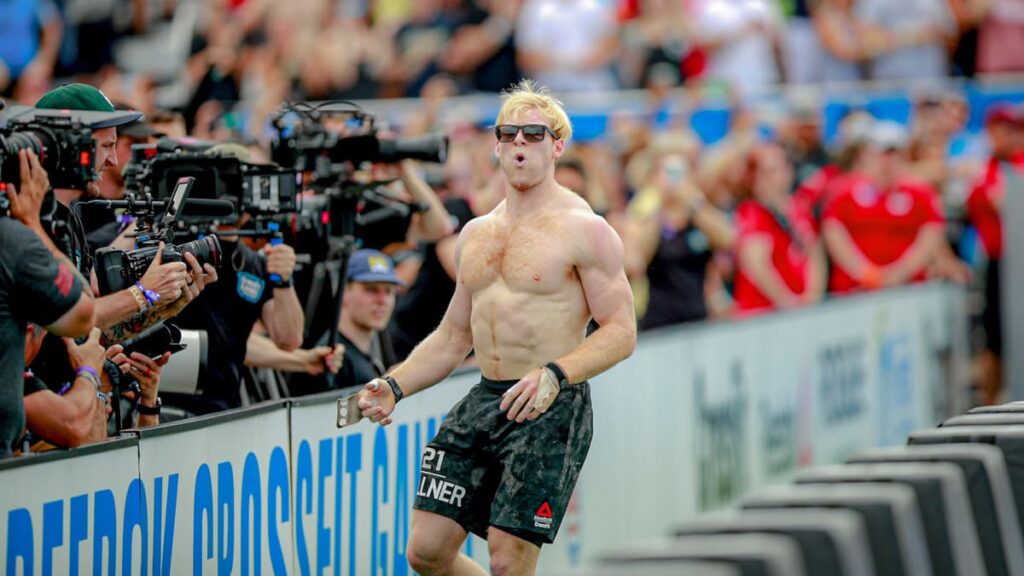
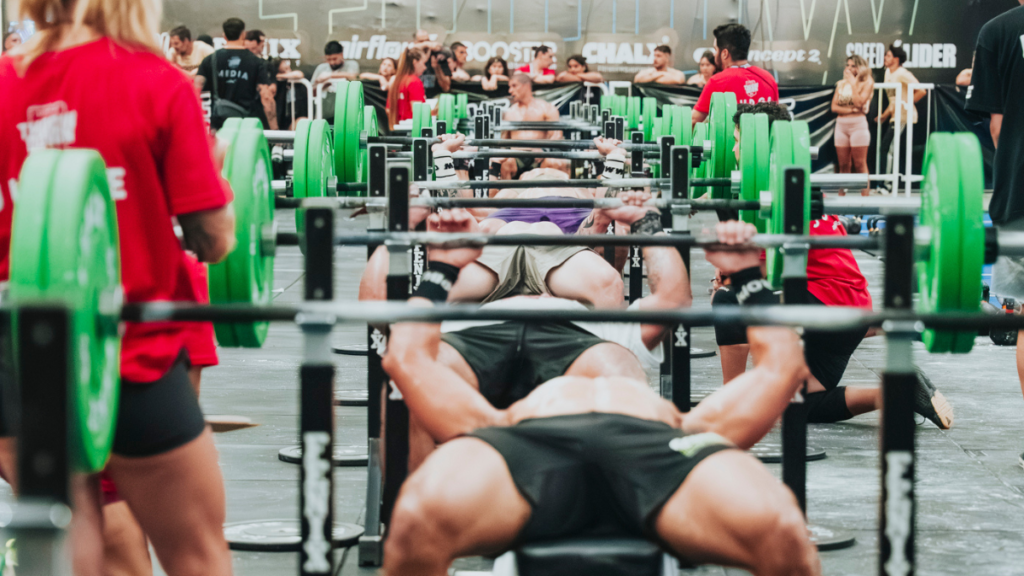
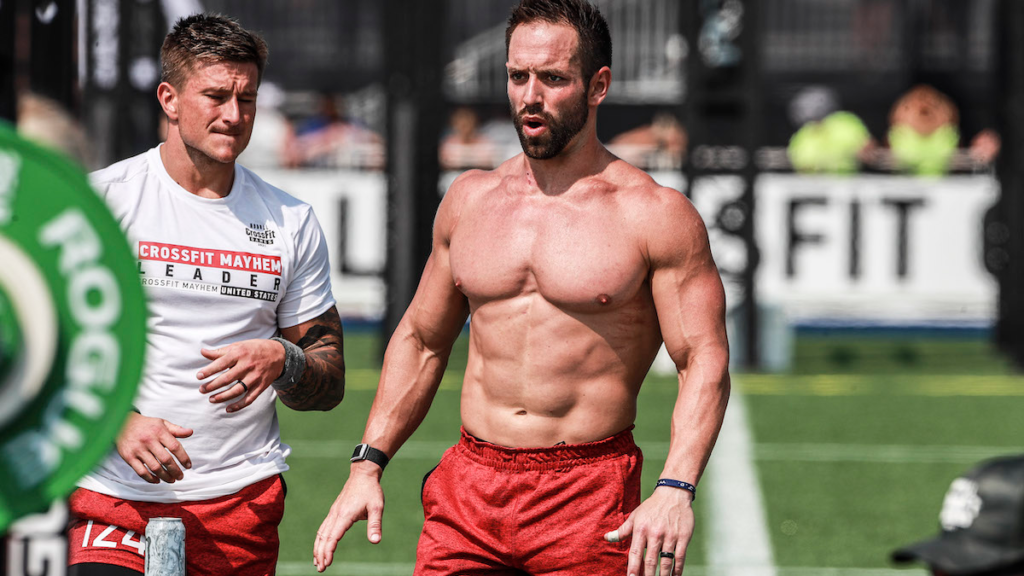
Turning 35 is not a biological cliff, but it is a meaningful checkpoint. Around this age, subtle physiological shifts begin—muscle mass starts to decline, recovery takes a bit longer, and metabolic efficiency gradually changes.
None of this means you’re destined to get weaker or slower. It simply means training needs to be smarter, more intentional, and backed by what science consistently shows: combining strength and cardio is one of the most effective strategies for long-term health, performance, and longevity.


This article cuts through the noise by explaining how your body changes after 35, what the research says about strength and aerobic training at this stage of life, and how to structure both effectively so they build each other up rather than compete.
Why Training After 35 Needs a More Strategic Approach
Age-related changes don’t happen overnight, but they do accumulate. Understanding them helps make sense of why balancing strength and cardio is critical.
Natural Shifts in Muscle Mass and Strength
Beginning around age 30, adults lose approximately 3–8 percent of muscle mass per decade, a process known as sarcopenia. Studies show this rate accelerates after age 50, but the early declines begin earlier than most people realize. Research by Mitchell et al.(2012) demonstrates that muscle protein synthesis becomes less responsive to stimuli with age, meaning training must be consistent and sufficiently intense to maintain or build lean mass.

Reduced muscle mass affects far more than appearance. It influences metabolic rate, bone density, joint stability, insulin sensitivity, and functional independence. Strength training is the most effective intervention to slow or reverse sarcopenia.
Changes in Cardiovascular Capacity
VO₂ max—the gold standard measure of aerobic fitness—naturally declines with age at a rate of about 10 percent per decade after 30. This decline is linked to reductions in maximum heart rate, stroke volume, and muscle oxidative capacity. Research by Fleg et al.(2005) shows that regular endurance or interval training can significantly slow this decline, helping maintain heart health and overall stamina.
Recovery Becomes More Important
Inflammatory processes tend to increase with age while hormonal responses such as testosterone and growth hormone decrease. This doesn’t prevent progress but means the body may need smarter programming, better sleep, and more deliberate recovery strategies. Training volume may need to be managed more carefully—even for highly trained athletes.
The Good News: Fitness After 35 Can Improve Dramatically
Research consistently shows that individuals in their 40s, 50s, and beyond can build muscle, increase strength, improve cardiovascular capacity, and boost metabolic health. The body remains highly adaptable—it simply needs the right stimulus. A review by Peterson et al.(2010) found that older adults can achieve hypertrophy and strength gains comparable to younger adults when intensity is appropriate.
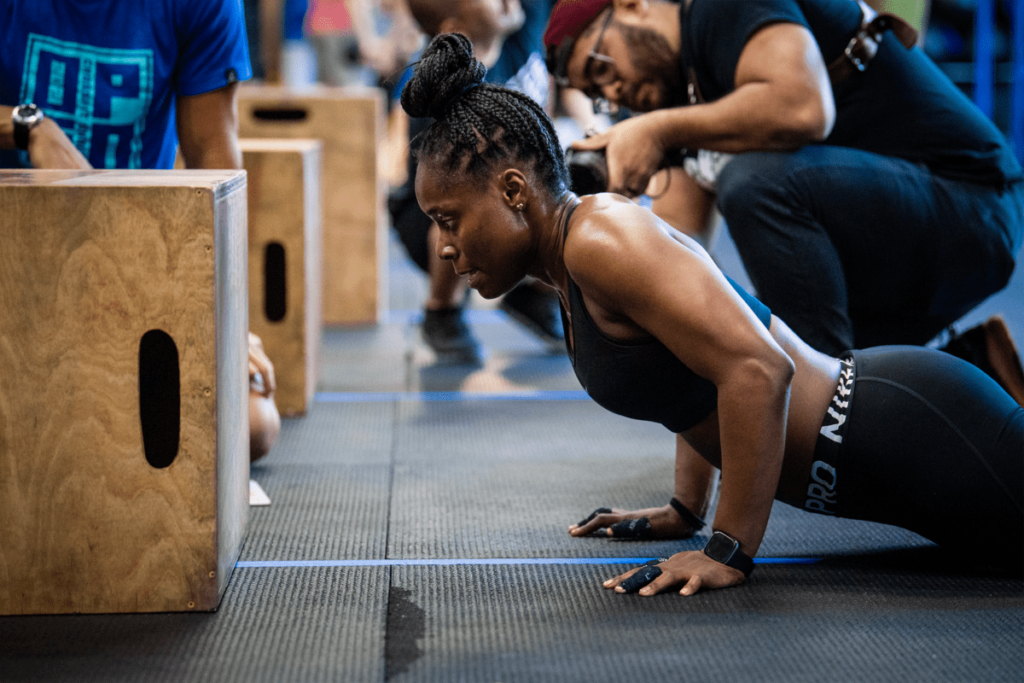
The goal isn’t to fight aging; it’s to train in alignment with it.
Why You Need Both Strength and Cardio After 35
Strength and cardio are often positioned as competing priorities. In reality, they complement one another exceptionally well, especially as we age.
Strength Training Supports Longevity and Metabolic Health
Strength training is associated with lower mortality risk, improved insulin sensitivity, and better metabolic control. A study by Shaughnessy et al.(2022) reported that individuals performing regular resistance training (with or without cardio) had significantly lower all-cause mortality compared to those doing none.
Strength training also increases resting metabolic rate because muscle tissue requires more energy than fat tissue. This becomes increasingly important as age-related metabolic decline occurs.
Cardio Protects the Heart, Brain, and Overall Health
Aerobic exercise improves cardiovascular function, supports cognitive health, and reduces chronic disease risk. Research by Lee et al.(2012) found that even moderate levels of cardio reduce mortality risk by up to 29 percent. Cardio also enhances recovery capacity by improving circulation and mitochondrial function.
Combined Training Creates Synergy
The idea that cardio kills strength gains (or vice versa) is outdated when programming is structured well. Meta-analyses, including a landmark review by Wilson et al.(2012), show that concurrent training does not inherently hinder strength, hypertrophy, or power as long as training variables such as frequency, intensity, and order are managed.
After 35, using both modalities results in better metabolic health, improved body composition, and a more resilient physiology.
How Strength and Cardio Interact in the Body
Understanding how each type of training affects the body helps explain how to balance them.
Muscle Adaptation and Protein Synthesis
Strength training relies on mechanical tension, metabolic stress, and muscle fiber recruitment. It stimulates muscle protein synthesis, which must exceed protein breakdown for growth. Adequate nutrition, rest, and training intensity are essential—more so as protein synthesis efficiency declines with age.
Cardiovascular Adaptations
Cardio training improves oxygen delivery, capillary density, mitochondrial function, and cardiac output. These changes enhance both endurance and recovery from strength training.
The Interference Effect Explained
The interference effect refers to the idea that too much endurance training can inhibit strength or hypertrophy. However, research shows this mainly happens when:
- High-intensity cardio is performed immediately before heavy lifting.
- Cardio volume is extremely high.
- Nutrition and recovery are inadequate.
When properly organized, cardio can enhance rather than impair strength progress.
How to Build Strength After 35
Strength training becomes increasingly important as we age—not only for muscle maintenance but for metabolic, hormonal, and cognitive health.

Recommended Frequency and Volume
Most individuals benefit from 2–4 strength sessions per week. A meta-analysis by Grgic et al.(2018) found that training each muscle group twice per week leads to superior hypertrophy compared to once per week.
Ideal Training Intensity
Moderate to heavy loads produce the best results. Research by Schoenfeld et al.(2017) shows hypertrophy occurs across a variety of loads as long as sets are taken close to failure, but strength is optimized when loads are at least 65–85 percent of one-rep max.
Exercise Selection
After 35, exercise efficiency matters. Compound movements stimulate multiple muscle groups and preserve functional strength:
- Squats or leg presses
- Deadlifts or hip hinges
- Lunges or step-ups
- Push-ups or bench presses
- Pull-ups or rows
- Overhead presses
Including unilateral movements improves balance and reduces injury risk.
Reps and Sets
A practical structure for most people:
- 3–5 sets per muscle group
- 6–15 reps for most lifts
- 1–2 reps in reserve on most sets
Rest Periods
Longer rest improves strength gains. Research by Schoenfeld et al.(2016) highlights that 2–3 minutes of rest between sets produces greater strength and hypertrophy than shorter intervals.
Progression
After 35, progressive overload remains essential, but progression should be individualized. Increasing load, reps, sets, or time under tension by 5–10 percent periodically is sustainable for most adults.
How to Improve Cardio After 35
Cardio is not just about burning calories—it supports metabolic health, stress reduction, heart function, and endurance.
Recommended Frequency and Duration
General guidelines include:
- At least 150 minutes of moderate-intensity cardio per week, or
- 75 minutes of vigorous cardio, or
- A combination of both
Research by the American College of Sports Medicine shows these levels significantly reduce cardiovascular disease risk.
Types of Cardio to Include
Different modalities produce different benefits:
Steady-state cardio
Improves aerobic base, reduces stress, and enhances fat oxidation. Ideal intensities are 60–75 percent of max heart rate.
High-intensity interval training (HIIT)
Improves VO₂ max quickly, boosts metabolic rate, and supports cardiovascular adaptations. Studies such as those by Gibala et al.(2012) show HIIT can produce results comparable to traditional endurance training with less total time.
Zone 2 training
Often recommended after 35 due to its mitochondrial benefits and low recovery cost.
Choosing the Right Mix
A balanced approach includes:
- 1–2 moderate steady-state sessions
- 1 interval or higher-intensity session (optional depending on recovery)
Low-impact options like rowing, cycling, and swimming can reduce joint stress while maintaining cardiovascular benefits.
How to Balance Strength and Cardio Without Sacrificing Progress
Balancing both modalities requires intentional scheduling and appropriate intensity management.
Prioritize According to Your Goal
Strength should come first if:
- You want to build muscle or increase strength
- You are combating age-related muscle loss
Cardio should come first if:
- You’re training for an endurance event
- You want to improve aerobic capacity
But most people benefit from prioritizing strength while maintaining 2–3 weekly cardio sessions.
Ideal Weekly Structure
If training four days per week:
Option 1 (balanced):
Day 1: Strength
Day 2: Cardio
Day 3: Strength
Day 4: Cardio
Option 2 (strength-focused):
Day 1: Strength
Day 2: Strength
Day 3: Cardio
Day 4: Optional cardio or mixed conditioning
Option 3 (minimal interference):
Alternate short cardio sessions after upper-body strength days and keep lower-body strength days separate.
Same-Day Training
If you must perform both on the same day:
- Strength first, cardio second
- Avoid intense leg cardio before heavy lifting
- Keep sessions at least 6 hours apart if maximizing strength or hypertrophy
Research by Coffey & Hawley(2017) supports that training order influences molecular signaling and outcomes.
Managing Recovery

After 35, recovery is no longer optional—it’s a performance variable. Consider:
- Getting 7–9 hours of sleep
- Consuming sufficient protein (1.6–2.2 g per kg body weight)
- Hydrating consistently
-Taking deload weeks every 6–12 weeks - Monitoring morning energy and muscle soreness
Nutrition to Support Combined Training
Protein is essential for muscle protein synthesis, and carbohydrates fuel both strength and cardio performance. Studies by Morton et al.(2018) confirm that protein intakes around 1.6 g per kg bodyweight maximize muscle growth, with benefits up to 2.2 g/kg.
Omega-3 fatty acids may enhance muscle function in older adults, while creatine monohydrate remains one of the most evidence-supported supplements for strength, recovery, and cognitive benefits across age groups.
Sample Weekly Plan for People Over 35
Below is a practical template for balancing both modalities.
Monday – Strength (Full Body)
Compound lifts + accessory work
Moderate to heavy intensity
Tuesday – Cardio (Zone 2, 30–45 minutes)
Low-impact work recommended
Wednesday – Strength (Upper/Lower Split or Full Body)
Slightly varied intensity or exercise selection
Thursday – Interval Training (10–20 minutes)
HIIT, tempo intervals, or hill sprints
Friday – Strength (Full Body or Weak Point Focus)
Saturday – Optional Light Cardio or Mobility
Sunday – Rest
This structure allows progressive overload in strength training while keeping cardio varied and manageable on recovery systems.
Common Mistakes to Avoid After 35
Chasing Volume Instead of Recovery
More workouts aren’t always better. After 35, quality and recovery determine progress.
Doing Cardio Too Hard, Too Often
High-intensity cardio creates substantial fatigue. Moderation improves adherence and reduces injury risk.
Neglecting Strength Training
Cardio alone won’t prevent muscle loss. Strength training is essential for metabolic and functional health.
Avoiding Cardio Altogether
Strength alone won’t maximize longevity. Cardio improves heart, brain, and metabolic health.
Not Adjusting Nutrition
Training harder without improving nutrition leads to plateaus or burnout.
The Bottom Line
After 35, the smartest fitness approach isn’t choosing between strength and cardio—it’s learning how to integrate both. Science shows clearly that each modality supports longevity, performance, and health in different but complementary ways. With purposeful scheduling, proper intensity management, adequate nutrition, and an understanding of how your body adapts over time, you can continue building strength, staying lean, and improving cardiovascular fitness well into midlife and beyond.
Your body is still highly adaptable. You’re not past your prime; you’re at the point where training finally makes the most sense.
References
- Coffey, V. & Hawley, J., 2017. Concurrent exercise training: do opposites distract? Journal of Physiology, 595(9), pp.2883–2896.
- Fleg, J. et al., 2005. Accelerated longitudinal decline of aerobic capacity in healthy older adults. Circulation, 112(5), pp.674–682.
- Gibala, M. et al., 2012. Physiological adaptations to interval training and the role of exercise intensity. Journal of Physiology, 590(5), pp.1077–1084.
- Grgic, J. et al., 2018. Frequency of resistance training for optimal muscle hypertrophy: a systematic review and meta-analysis. Sports Medicine, 48(5), pp.1207–1220.
- Lee, D. et al., 2012. Leisure-time running and reduced all-cause mortality risk. Journal of the American College of Cardiology, 64(5), pp.472–481.
About the Author

Robbie Wild Hudson is the Editor-in-Chief of BOXROX. He grew up in the lake district of Northern England, on a steady diet of weightlifting, trail running and wild swimming. Him and his two brothers hold 4x open water swimming world records, including a 142km swim of the River Eden and a couple of whirlpool crossings inside the Arctic Circle.
He currently trains at Falcon 1 CrossFit and the Roger Gracie Academy in Bratislava.