Joint health is one of the most overlooked foundations of long-term physical performance, quality of life, and healthy aging. Joints allow movement, absorb force, and transfer power between muscles and bones.
When joint health declines, pain, stiffness, and reduced mobility follow, often limiting training, work, and everyday activities.


Understanding Joint Structure and Function
What Joints Are Made Of
Most movable joints in the body are synovial joints, such as the knees, hips, shoulders, and elbows. These joints consist of several key components working together to allow smooth, controlled movement.
Articular cartilage covers the ends of bones. This smooth, slippery tissue reduces friction and distributes load across the joint. Cartilage is primarily made of water, collagen type II, proteoglycans, and chondrocytes, which are specialized cells responsible for maintaining the cartilage matrix. Research shows that cartilage has limited regenerative capacity because it lacks its own blood supply, making preservation essential for long-term joint health.

Synovial fluid fills the joint capsule and acts as a lubricant and shock absorber. It contains hyaluronic acid and lubricin, both critical for reducing friction during movement. Studies demonstrate that decreased synovial fluid quality is associated with joint pain and osteoarthritis progression.
Ligaments connect bone to bone and provide joint stability, while tendons connect muscle to bone and transmit force. Both tissues are composed mainly of collagen fibers and respond to mechanical loading by becoming stronger and more resilient.
How Joints Adapt to Stress
Joints are living tissues that adapt to mechanical stress. Moderate, progressive loading stimulates cartilage metabolism, increases synovial fluid circulation, and strengthens surrounding connective tissue. Animal and human studies show that controlled loading increases cartilage thickness and improves collagen alignment.
However, excessive or poorly managed stress can overwhelm the joint’s ability to adapt. High-impact loading without adequate recovery, poor movement mechanics, and sudden spikes in training volume increase the risk of cartilage degradation and ligament injury.
Why Joint Health Declines Over Time
Age-Related Changes
As people age, cartilage water content decreases and collagen fibers become stiffer. Chondrocyte activity declines, reducing the tissue’s ability to repair itself. Longitudinal studies show that cartilage thinning begins as early as the third decade of life, even in healthy individuals.
Synovial fluid production also decreases with age, leading to increased friction during movement. These changes help explain why joint stiffness and discomfort become more common over time.
Inflammation and Joint Degeneration
Chronic low-grade inflammation accelerates joint degeneration. Pro-inflammatory cytokines such as interleukin-1 beta and tumor necrosis factor alpha increase cartilage breakdown and inhibit repair. Research links systemic inflammation from obesity, poor diet, and sedentary behavior to a higher risk of osteoarthritis.
Adipose tissue produces inflammatory mediators called adipokines, which further contribute to joint inflammation. This explains why excess body fat is a strong independent risk factor for joint pain and degeneration, particularly in weight-bearing joints.
Repetitive Overuse and Poor Mechanics
Repetitive movement patterns without adequate variation or recovery can overload specific joint structures. Studies in occupational health and sports medicine show that repetitive strain leads to microtrauma accumulation, eventually resulting in tendinopathy, cartilage wear, and ligament laxity.
Poor movement mechanics, such as knee valgus during squatting or inadequate hip mobility during running, increase localized joint stress. Motion analysis research consistently demonstrates higher injury rates in individuals with poor neuromuscular control.
The Role of Strength Training in Joint Health
Strength Training as Joint Protection
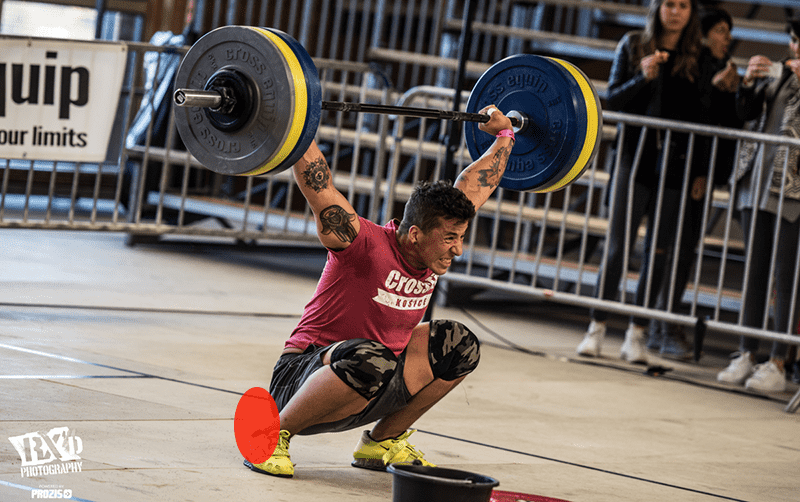
Contrary to common myths, properly performed strength training protects joints rather than damaging them. Resistance training increases muscle strength, which reduces joint loading by improving force absorption and control.
Randomized controlled trials show that strength training reduces pain and improves function in individuals with knee and hip osteoarthritis. Stronger muscles surrounding a joint improve stability and reduce abnormal joint motion.
Load Management and Progressive Overload
Joints adapt best to gradual increases in load. Progressive overload allows cartilage, ligaments, and tendons time to remodel. Sudden increases in intensity or volume are strongly associated with overuse injuries.
Research on tendon and ligament adaptation shows that connective tissues respond more slowly than muscles. This means training progression must respect connective tissue recovery timelines to avoid injury.
Full Range of Motion Training
Training through a full range of motion improves joint health by maintaining cartilage nutrition and mobility. Studies comparing partial and full-range resistance exercises show greater improvements in joint function and connective tissue health with full-range movements.
Controlled end-range loading also strengthens ligaments and improves joint stability when performed with proper technique.
Mobility, Flexibility, and Joint Longevity
Mobility Versus Flexibility
Mobility refers to the ability to actively move a joint through its full range of motion, while flexibility refers to passive tissue extensibility. Both are important for joint health, but mobility has a stronger relationship with injury prevention and long-term function.
Research indicates that active mobility training improves neuromuscular control and joint stability more effectively than passive stretching alone.
The Role of Dynamic Movement
Dynamic movements increase synovial fluid circulation and prepare joints for loading. Studies show that dynamic warm-ups improve joint lubrication and reduce injury risk compared to static stretching before exercise.
Regular movement throughout the day also supports joint health. Prolonged sitting reduces synovial fluid movement and increases stiffness, which can impair joint function over time.
Stretching and Connective Tissue Health
Chronic flexibility training can increase muscle-tendon unit compliance and reduce injury risk when balanced with strength training. However, excessive passive stretching without strength can decrease joint stability.
Evidence suggests that combining stretching with strengthening at end ranges provides the greatest benefit for long-term joint resilience.
Nutrition for Long-Term Joint Health

Protein and Collagen Support
Protein intake is essential for maintaining connective tissue. Collagen forms the structural framework of cartilage, ligaments, and tendons. Studies show that adequate protein intake supports tissue repair and adaptation.
Supplementation with collagen or gelatin combined with vitamin C has been shown to increase collagen synthesis in connective tissue. Controlled trials demonstrate improvements in joint pain and function with collagen supplementation in physically active individuals.
Omega-3 Fatty Acids and Inflammation
Omega-3 fatty acids have well-documented anti-inflammatory effects. Clinical studies show that omega-3 supplementation reduces joint pain and stiffness in individuals with inflammatory joint conditions.
These fatty acids reduce the production of pro-inflammatory eicosanoids and cytokines, helping protect cartilage from degradation.
Micronutrients That Matter
Vitamin D plays an important role in bone and cartilage health. Low vitamin D levels are associated with increased joint pain and reduced physical function. Supplementation studies suggest that correcting deficiency improves musculoskeletal outcomes.
Magnesium supports muscle function and connective tissue integrity. Zinc and copper are required for collagen synthesis, while manganese is involved in cartilage formation.
Body Weight and Joint Load
Maintaining a healthy body weight significantly reduces joint stress. Biomechanical studies show that each additional kilogram of body weight increases knee joint load by several kilograms during walking.
Weight loss interventions consistently demonstrate reductions in joint pain and improvements in function, even with modest weight reductions.
Recovery, Sleep, and Joint Repair
Sleep and Tissue Regeneration
Sleep is critical for tissue repair. Growth hormone secretion peaks during deep sleep and plays a key role in collagen synthesis and tissue regeneration. Studies show that sleep deprivation impairs recovery and increases injury risk.
Chronic poor sleep is associated with higher levels of systemic inflammation, which accelerates joint degeneration.
Managing Training Stress
Recovery strategies such as adequate rest days, periodized training, and active recovery reduce joint overload. Monitoring training volume and intensity helps prevent cumulative stress that leads to overuse injuries.
Research in sports science emphasizes the importance of balancing stress and recovery to maintain long-term musculoskeletal health.
Pain Versus Damage
Pain does not always indicate structural damage, but persistent pain should not be ignored. Central sensitization can amplify pain perception without ongoing tissue injury. However, chronic joint pain is associated with altered movement patterns that increase injury risk.
Early intervention with load modification and targeted strengthening is supported by evidence as an effective strategy for managing joint pain.
Lifestyle Factors That Influence Joint Health
Physical Activity Across the Lifespan
Regular physical activity is one of the strongest predictors of long-term joint health. Long-term cohort studies show that physically active individuals maintain better joint function and lower disability rates later in life.
Both impact and non-impact activities can support joint health when appropriately dosed. Activities such as walking, cycling, and resistance training all contribute to joint longevity.
Smoking and Joint Degeneration
Smoking impairs blood flow and collagen synthesis. Research links smoking to increased risk of cartilage loss and delayed tissue healing. Smokers experience higher rates of joint degeneration and poorer outcomes following joint injury.
Stress and Hormonal Effects
Chronic psychological stress increases cortisol levels, which can impair collagen synthesis and increase inflammation. Stress management strategies are associated with improved pain outcomes in individuals with joint conditions.
Building a Long-Term Joint Health Strategy
Consistency Over Intensity
Joint health is built through consistent, moderate stress applied over time. Evidence shows that long-term adherence to strength and mobility training provides greater joint protection than sporadic high-intensity efforts.
Individualization Matters
Joint structure, injury history, and training background influence how individuals respond to mechanical loading. Personalized training programs that account for these factors reduce injury risk and improve long-term outcomes.
When to Seek Professional Help
Persistent swelling, loss of range of motion, or joint instability warrant evaluation by a qualified healthcare professional. Early diagnosis and intervention improve long-term joint outcomes.
Conclusion
Long-term joint health is not achieved through quick fixes or supplements alone. It is the result of intelligent loading, balanced strength and mobility training, adequate nutrition, quality sleep, and healthy lifestyle choices.
Scientific evidence consistently shows that joints thrive under regular, progressive movement and deteriorate with inactivity, excessive stress, or chronic inflammation. By understanding how joints function and applying evidence-based strategies, it is possible to maintain strong, resilient joints well into older age.
Bibliography
- Andriacchi, T. P., Mündermann, A., Smith, R. L., Alexander, E. J., Dyrby, C. O. and Koo, S. (2004). A framework for the in vivo pathomechanics of osteoarthritis at the knee. Annals of Biomedical Engineering, 32(3), 447–457.
- Benton, M. J., Whyte, M. D. and Dodd, K. (2019). Effect of exercise on cartilage health in humans. Sports Medicine, 49(6), 897–909.
- Clark, K. L., Sebastianelli, W., Fleischmann, R., et al. (2008). 24-week study on the use of collagen hydrolysate as a dietary supplement in athletes with activity-related joint pain. Current Medical Research and Opinion, 24(5), 1485–1496.
- Felson, D. T. (2013). Osteoarthritis as a disease of mechanics. Osteoarthritis and Cartilage, 21(1), 10–15.
- Gelse, K., Pöschl, E. and Aigner, T. (2003). Collagens, structure, function, and biosynthesis. Advanced Drug Delivery Reviews, 55(12), 1531–1546.
- Hunter, D. J. and Bierma-Zeinstra, S. (2019). Osteoarthritis. The Lancet, 393(10182), 1745–1759.
- Kjaer, M., Magnusson, P., Krogsgaard, M., et al. (2004). Extracellular matrix adaptation of tendon and skeletal muscle to exercise. Journal of Anatomy, 208(4), 445–450.
- Messier, S. P., Resnik, A. E., Beavers, D. P., et al. (2018). Intentional weight loss in overweight and obese patients with knee osteoarthritis. Arthritis Care & Research, 70(11), 1569–1575.
- Shaw, G., Lee-Barthel, A., Ross, M. L., Wang, B. and Baar, K. (2017). Vitamin C–enriched gelatin supplementation before intermittent activity augments collagen synthesis. American Journal of Clinical Nutrition, 105(1), 136–143.
- Wang, M., Samsonov, A., Zhao, F., et al. (2018). Sleep deprivation and musculoskeletal health. Journal of Orthopaedic Research, 36(7), 1820–1828.
About the Author

Robbie Wild Hudson is the Editor-in-Chief of BOXROX. He grew up in the lake district of Northern England, on a steady diet of weightlifting, trail running and wild swimming. Him and his two brothers hold 4x open water swimming world records, including a 142km swim of the River Eden and a couple of whirlpool crossings inside the Arctic Circle.
He currently trains at Falcon 1 CrossFit and the Roger Gracie Academy in Bratislava.