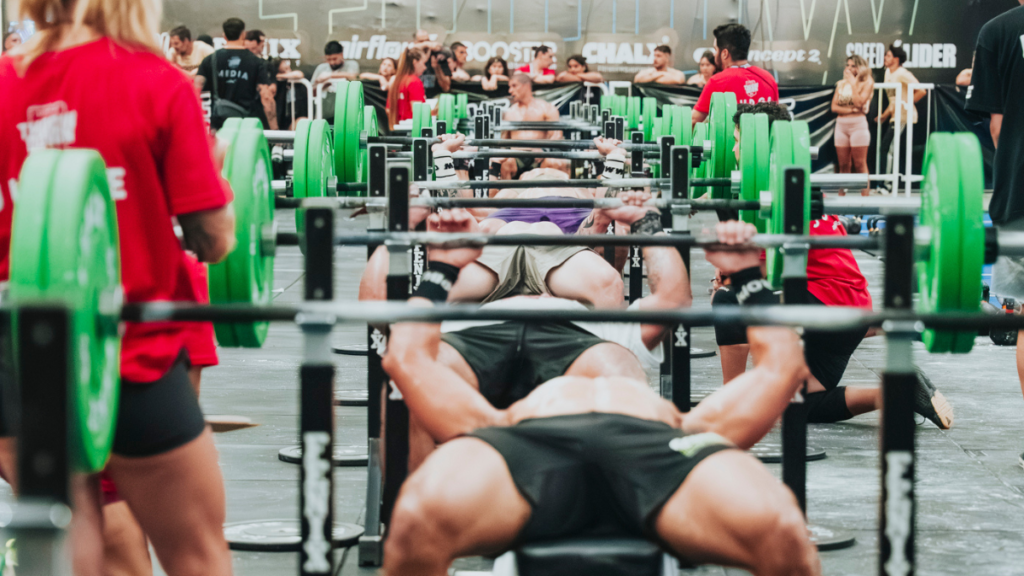
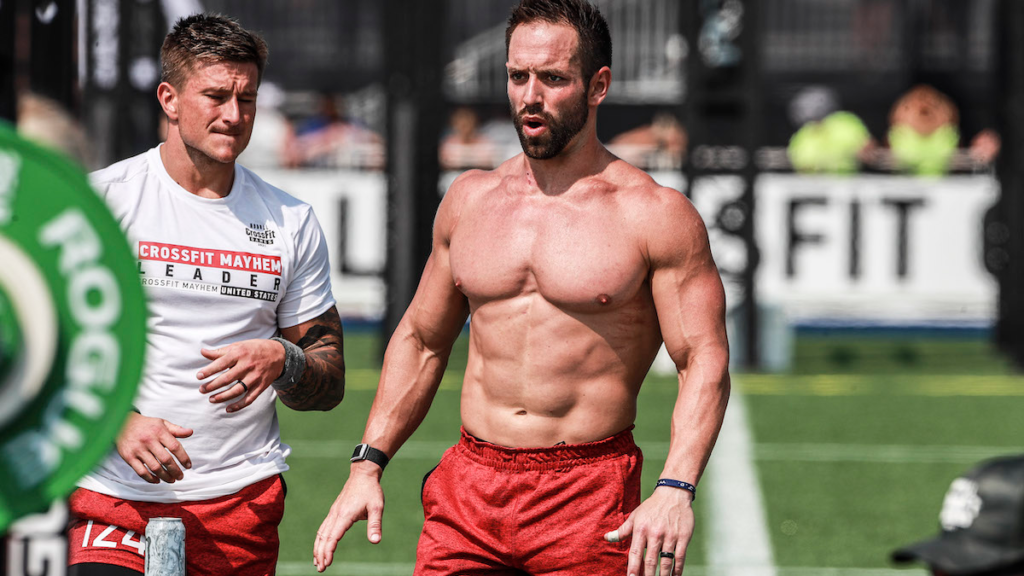
Turning 35 often comes with an unspoken assumption: that heavy lifting is something you should start avoiding. Friends warn you about “wear and tear”, social media pushes lighter weights and endless mobility work, and even some gyms quietly steer older members away from barbells. The message is clear: after 35, lifting heavy is risky.
The science tells a very different story.


Research consistently shows that heavy resistance training is not only safe for adults over 35, but essential for preserving muscle, bone density, joint health, and long-term independence. When done correctly, heavy lifting reduces injury risk rather than increasing it, and supports metabolic and hormonal health as we age.
This article explains why lifting heavy remains safe after 35, what actually changes in your body with age, what the research says about injury and joint health, and how to train intelligently for decades of progress.
What “Lifting Heavy” Actually Means
Before diving into safety, it is important to define what “lifting heavy” means in scientific terms.
In research, heavy resistance training typically refers to loads of 70 to 90 percent of one-repetition maximum, performed for low to moderate repetitions. This is very different from maximal, strain-filled attempts done with poor technique or ego-driven loading.
Heavy Does Not Mean Reckless
Heavy lifting in a controlled, progressive program involves proper technique, gradual load increases, adequate rest, and individualized volume.
Studies examining injury risk and health outcomes always assume these conditions. When these variables are respected, heavy lifting is remarkably safe, even in older populations.
What Actually Changes After 35
Aging does not suddenly make your body fragile. However, several gradual physiological changes begin to occur in your 30s and accelerate without resistance training.

Muscle Loss Is Real, but Preventable
Age-related muscle loss, known as sarcopenia, begins as early as the fourth decade of life. Longitudinal studies show adults lose approximately 3 to 8 percent of muscle mass per decade after 30, with faster decline after 60.
This loss is not inevitable. Heavy resistance training is the most effective intervention for preserving and rebuilding muscle mass in adults over 35.
Randomized controlled trials consistently show that older adults can gain significant muscle size and strength when training with heavy loads.
Strength Declines Faster Than Muscle Size
Neuromuscular changes, such as reduced motor unit recruitment and firing rate, contribute to strength loss even before visible muscle loss occurs. Heavy lifting specifically targets these neural adaptations.
Light weights do not provide sufficient stimulus to maintain maximal strength.
Bone Density Declines Without Load
Bone mineral density peaks in early adulthood and declines gradually thereafter. Without mechanical loading, bones become weaker and more fracture-prone.
Heavy resistance training applies high-magnitude forces to bone, stimulating osteoblast activity and slowing or reversing bone loss.
Connective Tissue Adapts Slower, but It Does Adapt
Tendons and ligaments remodel more slowly than muscle, but research shows they respond positively to progressive high-load training. This adaptation improves stiffness and load tolerance, reducing injury risk over time.
Heavy Lifting and Injury Risk After 35
One of the biggest fears surrounding lifting heavy after 35 is injury. This concern is understandable, but largely unsupported by evidence.
Injury Rates Are Lower Than Most Sports
Epidemiological studies comparing injury rates across activities consistently show resistance training has a lower injury rate than sports like soccer, basketball, or running.
Systematic reviews report injury rates of approximately 1 to 4 injuries per 1,000 hours of resistance training, which is significantly lower than most recreational sports.
Age does not dramatically change this risk when proper training principles are followed.
Heavier Loads Do Not Equal Higher Injury Rates
Contrary to popular belief, studies do not show higher injury rates with heavier loads compared to moderate loads when technique and volume are controlled.
In fact, poor technique, excessive fatigue, and rushed progression are far stronger predictors of injury than absolute load.
Older Lifters Are Often More Cautious
Observational research suggests that experienced lifters over 35 often self-regulate better than younger athletes. They warm up more thoroughly, avoid reckless loading, and respect recovery.
This behavioral factor may partially explain why injury rates do not spike with age in resistance training populations.
Joint Health and Heavy Lifting
Joint health is often cited as the main reason to avoid heavy lifting after 35. This concern is not supported by current evidence.

Strength Training Protects Joints
Strong muscles reduce joint stress by improving load distribution and movement control. Studies in populations with knee osteoarthritis show that resistance training reduces pain and improves function.
Heavy loading strengthens periarticular muscles and connective tissue, which stabilizes joints under daily and athletic demands.
No Evidence Heavy Lifting “Wears Out” Joints
Long-term studies of weightlifters and powerlifters do not show higher rates of osteoarthritis compared to non-lifters when controlling for bodyweight and injury history.
Joint degeneration is more strongly associated with previous traumatic injury, obesity, and inactivity than with resistance training load.
Cartilage Responds to Mechanical Loading
Cartilage is metabolically active tissue. Cyclic loading from resistance training stimulates cartilage health, improving nutrient diffusion and tissue resilience.
Complete avoidance of load is far more damaging to joint health than intelligent heavy training.
Hormonal Health After 35
Another common myth is that hormonal changes make heavy lifting unsafe or ineffective after 35.
Testosterone Decline Is Gradual
Testosterone levels decline at a rate of roughly 1 percent per year after 30 in men, but this decline varies widely. Many men maintain healthy levels well into later life.
Heavy resistance training acutely increases testosterone and growth hormone levels, even in older adults. While these spikes are transient, they contribute to maintaining muscle and bone mass over time.
Resistance Training Improves Insulin Sensitivity
Insulin resistance increases with age and contributes to fat gain and metabolic disease. Heavy lifting improves insulin sensitivity by increasing muscle mass and glucose uptake capacity.
This effect is consistently observed in middle-aged and older adults.
Cortisol Is Managed by Proper Programming
Excessive volume and poor recovery elevate cortisol, but heavy lifting with appropriate volume does not chronically increase stress hormones. In fact, resistance training improves stress resilience when balanced correctly.
Heavy Lifting and Bone Health After 35
Bone health is one of the strongest arguments for continuing to lift heavy as you age.
Heavy Loads Are Necessary for Bone Adaptation
Low-load exercise does not provide sufficient mechanical stimulus to meaningfully increase bone mineral density. Studies consistently show that higher-intensity resistance training is required.
Postmenopausal women and older men both show improvements in bone density with heavy resistance training programs.
Reduced Fracture Risk
Stronger bones combined with improved balance and muscle strength significantly reduce fracture risk. This is critical as falls become more dangerous with age.
Heavy lifting improves force absorption capacity, making everyday movements safer.
Performance Decline Is Not Inevitable
While maximal athletic performance peaks earlier in life, meaningful strength gains are still possible well past 35.
Strength Can Increase for Decades
Long-term training studies show that adults in their 40s, 50s, and even 70s can significantly increase maximal strength with heavy resistance training.
Neural adaptations remain highly trainable throughout life.
Relative Strength Matters More Than Absolute Strength
Maintaining strength relative to bodyweight is strongly associated with lower mortality, better mobility, and higher quality of life.
Heavy lifting is the most efficient way to preserve this capacity.
Why Light Weights Are Not Enough After 35
Many fitness programs for adults over 35 emphasize light weights and high repetitions. While these have a place, they are not sufficient on their own.
Muscle Fibers Require High Tension
Type II muscle fibers, which are lost preferentially with age, require high mechanical tension for activation and growth. Light weights rarely provide this stimulus.
Heavy loads are essential for preserving these fibers.
Bone and Tendon Need Load
As discussed earlier, bone and tendon adaptation is load-dependent. Avoiding heavy loads accelerates decline in these tissues.
Strength Is Protective
Stronger individuals are more resilient to injury and daily stress. Light weights do not build the level of strength needed to protect joints and connective tissue over time.
How to Lift Heavy Safely After 35
Safety comes from intelligent training, not from avoiding heavy loads.
Prioritize Technique
Technical proficiency reduces unnecessary joint stress and improves force transfer. Video analysis, coaching, and conservative load progression are valuable tools.

Use Progressive Overload Thoughtfully
Progression does not need to be aggressive. Small load increases over long timeframes produce sustainable results.
Manage Volume Carefully
Recovery capacity may decrease slightly with age, but this is highly individual. Many lifters over 35 thrive on lower volume with higher intensity.
Warm Up Thoroughly
Older lifters benefit from longer, more specific warm-ups. This improves tissue elasticity and neural readiness.
Respect Recovery
Sleep, nutrition, and rest days matter. Heavy lifting is most effective when recovery is prioritized.
The Psychological Benefits of Heavy Lifting
Beyond physical health, heavy lifting offers significant mental benefits after 35.
Confidence and Self-Efficacy
Maintaining physical strength reinforces a sense of competence and control, which is linked to better mental health outcomes.
Cognitive Health
Resistance training is associated with improved executive function and reduced risk of cognitive decline.
Stress Management
Heavy lifting provides a controlled stressor that improves resilience to psychological stress when properly dosed.
Long-Term Independence and Quality of Life
The ultimate goal of training after 35 is not just aesthetics or performance. It is independence.
Strength Predicts Longevity
Multiple cohort studies show grip strength and lower-body strength are strong predictors of all-cause mortality.
Daily Function Depends on Strength
Standing up from a chair, carrying groceries, and preventing falls all depend on strength. Heavy lifting builds this capacity more efficiently than any other form of exercise.
Common Myths About Lifting Heavy After 35
“Your Joints Can’t Handle It”
They can, if trained progressively. Inactivity weakens joints faster than load.
“You’ll Get Hurt Eventually”
Injury risk is lower than most sports and comparable to general physical activity.
“You Don’t Need It Anymore”
You need it more than ever.
Final Thoughts
Lifting heavy after 35 is not reckless. It is responsible.
The scientific evidence is clear. Heavy resistance training preserves muscle, bone, metabolic health, and functional capacity as we age. Avoiding heavy loads accelerates physical decline and increases injury risk in daily life.
When done intelligently, heavy lifting is one of the safest and most effective tools for long-term health and performance.
Bibliography
• American College of Sports Medicine (2009). Progression models in resistance training for healthy adults. Medicine & Science in Sports & Exercise, 41(3), 687–708.
• Bennell, K. L. et al. (2010). Effect of resistance training on knee osteoarthritis pain and function. Arthritis Care & Research, 62(8), 1126–1135.
• Borde, R., Hortobágyi, T. and Granacher, U. (2015). Dose–response relationships of resistance training in healthy old adults. Sports Medicine, 45(12), 1693–1720.
• Franchi, M. V. et al. (2017). Skeletal muscle remodeling in response to eccentric vs concentric loading. Frontiers in Physiology, 8, 447.
• Fragala, M. S. et al. (2019). Resistance training for older adults. Journal of Strength and Conditioning Research, 33(8), 2019–2052.
• Hurley, B. F. and Roth, S. M. (2000). Strength training in the elderly. Sports Medicine, 30(4), 249–268.
• Kelley, G. A. and Kelley, K. S. (2013). Exercise and bone mineral density. Journal of Musculoskeletal & Neuronal Interactions, 13(1), 43–57.