Christmas is one of the most enjoyable times of the year. It is also, statistically, one of the easiest times to gain weight. Across multiple countries, research consistently shows that adults gain an average of 0.4–1.0 kg (0.9–2.2 lb) during the holiday period, and most of that weight is not lost afterward. Instead, it often contributes to gradual, long-term weight gain over the years.
This does not happen because people suddenly “lose discipline.” It happens because Christmas creates a perfect storm of factors that promote fat gain: higher energy intake, lower physical activity, disrupted sleep, increased alcohol consumption, and reduced dietary structure. Importantly, none of these factors act in isolation. They interact with hormones, metabolism, appetite regulation, and behavior.


The good news is that avoiding Christmas weight gain does not require extreme dieting, food restriction, or skipping celebrations. In fact, restrictive approaches tend to backfire by increasing hunger, stress, and binge eating. The most effective strategies are practical, science-backed, and focused on consistency rather than perfection.
This article breaks down five evidence-based tips to help you avoid weight gain over Christmas while still enjoying the season. Each tip is grounded in high-quality research from nutrition science, exercise physiology, and behavioral psychology.
Tip 1: Maintain Protein Intake at Every Meal
Why Protein Matters More at Christmas
Protein is the single most important macronutrient for weight maintenance during periods of overeating risk. Compared to carbohydrates and fats, protein has a stronger effect on satiety, a higher thermic effect, and a protective role in preserving lean mass.
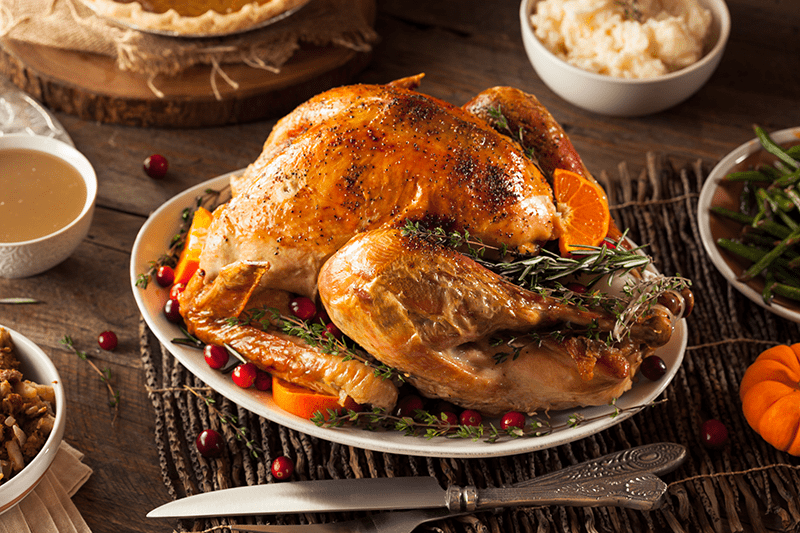
Christmas meals tend to be disproportionately high in fat and refined carbohydrates, while protein intake often becomes inconsistent. This matters because low-protein diets are strongly associated with increased total calorie intake. When protein intake drops, people unconsciously eat more overall in an attempt to meet their body’s protein needs, a phenomenon known as the “protein leverage hypothesis.”
Research shows that increasing protein intake reduces hunger, decreases spontaneous calorie intake, and helps prevent fat gain even when total calories are not tightly controlled.
Protein and Appetite Regulation
Protein influences appetite-regulating hormones such as ghrelin, peptide YY, and GLP-1. High-protein meals suppress ghrelin (the hunger hormone) more effectively than high-carbohydrate or high-fat meals. They also increase satiety hormones that signal fullness to the brain.
In controlled trials, people consuming higher-protein diets consistently report lower hunger levels and reduced desire to snack, even in calorie-neutral conditions. This is especially valuable during Christmas, when constant food availability makes grazing easy.
Protein and Energy Expenditure
Protein has a higher thermic effect of food than carbohydrates or fat. Approximately 20–30% of protein calories are expended during digestion and metabolism, compared to 5–10% for carbohydrates and 0–3% for fats. While this alone will not “burn off” holiday meals, it contributes meaningfully to daily energy balance.
Higher protein intake also helps preserve lean body mass when activity levels drop, which is common during the holidays. Preserving muscle helps maintain resting metabolic rate, reducing the risk of fat gain.
Practical Protein Targets
Research suggests that protein intakes of 1.6–2.2 g per kilogram of body weight per day are effective for weight maintenance and body composition. During Christmas, hitting the lower end of this range consistently is often enough to prevent overeating.
Importantly, protein should be distributed across meals. Studies show that evenly distributing protein intake throughout the day improves satiety and muscle protein synthesis compared to skewing intake toward a single meal.
How to Apply This Over Christmas
At each main meal, prioritize a clear protein source before filling the rest of your plate. This could include turkey, chicken, beef, fish, eggs, Greek yogurt, or plant-based options such as lentils and tofu. Desserts and snacks can still fit, but anchoring meals with protein reduces the likelihood of uncontrolled overeating later.
Tip 2: Keep Daily Movement Non-Negotiable

Why Activity Drops Over Christmas
Physical activity levels decline sharply during the holiday season. Step counts decrease, gym attendance drops, and structured exercise routines are often disrupted. Research shows that even short-term reductions in daily movement can significantly impact energy balance and insulin sensitivity.
Importantly, it is not just formal exercise that matters. Non-exercise activity thermogenesis (NEAT), which includes walking, standing, and general movement, accounts for a large portion of daily energy expenditure. Christmas routines often eliminate much of this incidental movement.
The Metabolic Cost of Inactivity
Short periods of reduced activity can impair glucose tolerance and increase fat storage, even if calorie intake does not increase dramatically. Studies have shown that reducing daily steps from around 10,000 to 1,500 for just two weeks leads to decreased insulin sensitivity and increased visceral fat.
This means that even modest increases in food intake during Christmas can have a disproportionate impact when paired with inactivity.
Exercise as Appetite Regulation
Regular movement helps regulate appetite by improving insulin sensitivity and leptin signaling. Exercise also reduces stress and improves mood, which lowers the likelihood of emotional eating. Importantly, exercise does not need to be intense to be effective.
Low- to moderate-intensity activity, such as walking, has been shown to blunt post-meal blood glucose spikes and improve fat oxidation. This is particularly relevant during a period characterized by larger, carbohydrate-heavy meals.
Minimum Effective Dose of Movement
Research suggests that 7,000–8,000 steps per day is associated with significant health benefits and lower weight gain risk. Resistance training two to three times per week further helps preserve muscle mass and metabolic rate.
During Christmas, the goal should not be optimization, but consistency. Maintaining a baseline level of activity dramatically reduces the likelihood of weight gain.
Practical Application
Treat daily movement like brushing your teeth. Schedule walks, short training sessions, or active family activities such as games or outdoor walks. Even 20–30 minutes of movement per day has meaningful metabolic benefits.
Tip 3: Manage Alcohol Intake Strategically

Alcohol and Energy Intake
Alcohol is a major contributor to Christmas weight gain. It provides 7 kcal per gram, nearly as energy-dense as fat, and those calories are rarely compensated for by eating less food later. In fact, alcohol often increases appetite and lowers dietary restraint.
Studies consistently show that alcohol consumption leads to increased total calorie intake, particularly from high-fat and high-sugar foods. This effect is driven by both physiological and psychological mechanisms.
Alcohol and Fat Metabolism
Alcohol has a unique metabolic pathway. When alcohol is consumed, its metabolism is prioritized over fat and carbohydrate oxidation. This means that while the body processes alcohol, fat oxidation is suppressed, increasing the likelihood that dietary fat is stored.
Even moderate alcohol intake can significantly reduce fat oxidation for several hours. Over multiple days of drinking, this effect compounds.
Alcohol and Appetite Hormones
Alcohol increases ghrelin levels and reduces inhibitory control, leading to increased hunger and impulsive food choices. Research also shows that alcohol impairs the brain’s ability to accurately assess fullness, making overeating more likely.
This is particularly problematic during Christmas, when alcohol is often consumed before or during large meals.
Strategic, Not Restrictive, Alcohol Management
The evidence does not support complete abstinence as the only solution. Instead, moderation and timing matter. Studies show that reducing frequency and volume of alcohol intake significantly lowers total calorie intake without increasing feelings of deprivation.
Choosing lower-alcohol options, spacing drinks with water, and setting limits in advance are all supported by behavioral research.
Practical Application
Decide in advance which events truly matter for drinking and which do not. Avoid drinking on consecutive days when possible. Pair alcohol with protein-rich meals rather than drinking on an empty stomach. These strategies reduce total intake without removing enjoyment.
Tip 4: Prioritize Sleep and Stress Management
Sleep Disruption During Christmas
Sleep duration and quality often decline during the holiday season due to late nights, travel, alcohol consumption, and disrupted routines. This matters because sleep plays a critical role in appetite regulation and energy balance.
Even short-term sleep deprivation has been shown to increase calorie intake, particularly from carbohydrates and fats.
Hormonal Effects of Poor Sleep
Sleep restriction increases ghrelin levels and decreases leptin levels, creating a hormonal environment that promotes hunger and overeating. Studies show that people who sleep less than six hours per night consume significantly more calories the following day than those who sleep seven to eight hours.
Poor sleep also impairs insulin sensitivity, increasing the likelihood that excess calories are stored as fat.
Stress and Emotional Eating
Christmas can be stressful due to social obligations, financial pressure, and disrupted routines. Chronic stress elevates cortisol, which is associated with increased appetite and preference for energy-dense foods.
Research shows that stress-induced eating is particularly likely when high-palatable foods are readily available, as they are during the holidays.
Sleep as a Weight Maintenance Tool
Consistent sleep of seven to nine hours per night is associated with better appetite control, improved insulin sensitivity, and lower body fat levels. Sleep also improves decision-making and impulse control, making it easier to moderate food intake.
Practical Application
Maintain regular sleep and wake times as much as possible. Limit alcohol close to bedtime. Create a short wind-down routine to signal sleep, even during busy days. These small actions have measurable effects on appetite and energy balance.
Tip 5: Use a “Baseline Nutrition” Approach
Why All-or-Nothing Thinking Fails
Many people approach Christmas with an all-or-nothing mindset: either strict dieting or complete abandonment of structure. Research in behavioral nutrition shows that this approach increases the risk of overeating and long-term weight gain.
Rigid dietary restraint is associated with binge eating, guilt, and loss of control, particularly in environments with abundant palatable food.
The Power of a Nutritional Baseline
A baseline nutrition approach focuses on maintaining a few key habits consistently, regardless of circumstances. This creates stability without requiring perfection.
Studies show that people who maintain consistent eating patterns, even during high-risk periods, gain less weight than those who oscillate between restriction and indulgence.
What Baseline Nutrition Looks Like
A baseline might include eating three structured meals per day, prioritizing protein and fiber, staying hydrated, and limiting liquid calories. These habits create a foundation that allows flexibility without excess.
Importantly, baseline nutrition reduces decision fatigue. When some choices are automated, overall calorie intake tends to remain more stable.
Evidence for Structured Eating
Research shows that regular meal timing improves glycemic control and reduces total energy intake. Skipping meals, particularly breakfast or lunch, is associated with higher calorie intake later in the day.
During Christmas, maintaining meal structure helps prevent uncontrolled snacking and late-night overeating.
Practical Application
Decide on a few non-negotiable habits, such as protein at meals and regular eating times. Enjoy special foods mindfully, but return to baseline habits at the next meal. This approach is strongly supported by long-term weight maintenance research.
Final Thoughts
Avoiding weight gain over Christmas does not require sacrificing enjoyment or social connection. The strongest scientific evidence supports consistency, not restriction. Protein intake, daily movement, alcohol management, sleep, and baseline nutrition habits work together to protect energy balance during a challenging period.
When applied collectively, these strategies address the physiological, hormonal, and behavioral drivers of holiday weight gain. The result is not just weight maintenance, but improved energy, better digestion, and a smoother transition back into normal routines in the new year.
Bibliography
- American Journal of Clinical Nutrition. (2012). Increased protein intake reduces appetite and body weight: a randomized controlled trial.
- American Journal of Clinical Nutrition. (2013). Protein leverage hypothesis: effects on energy intake and body weight.
- British Journal of Nutrition. (2015). Higher protein diets and energy expenditure in weight maintenance.
- Journal of Obesity. (2016). Holiday weight gain and long-term obesity risk.
- Diabetes Care. (2013). Reduced physical activity and insulin sensitivity: short-term metabolic effects.
- Journal of Applied Physiology. (2011). Non-exercise activity thermogenesis and energy balance.
- Physiology & Behavior. (2015). Alcohol-induced appetite stimulation and energy intake.
- Nutrition Reviews. (2014). Alcohol metabolism and fat oxidation.
- Sleep. (2010). Sleep restriction and hormonal regulation of appetite.
- Annals of Internal Medicine. (2015). Sleep duration and energy intake in adults.
- Psychoneuroendocrinology. (2014). Stress, cortisol, and eating behavior.
- International Journal of Behavioral Nutrition and Physical Activity. (2017). Structured eating patterns and weight maintenance.
About the Author

Robbie Wild Hudson is the Editor-in-Chief of BOXROX. He grew up in the lake district of Northern England, on a steady diet of weightlifting, trail running and wild swimming. Him and his two brothers hold 4x open water swimming world records, including a 142km swim of the River Eden and a couple of whirlpool crossings inside the Arctic Circle.
He currently trains at Falcon 1 CrossFit and the Roger Gracie Academy in Bratislava.