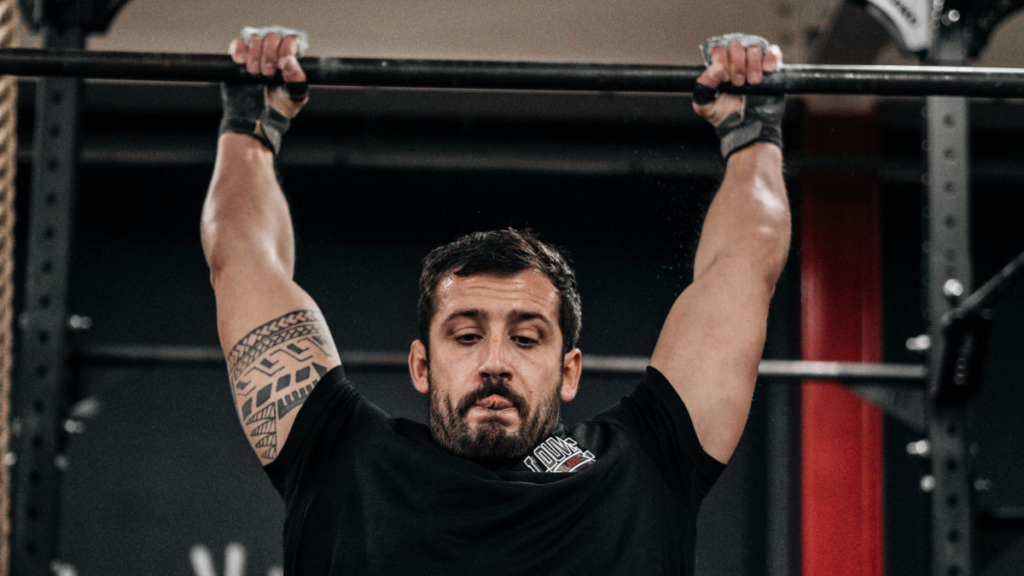
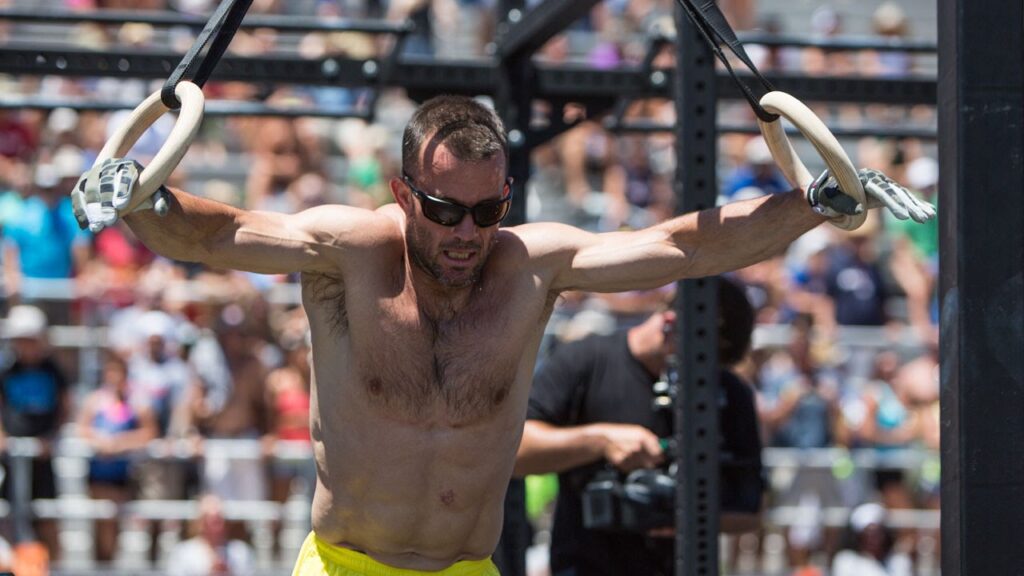
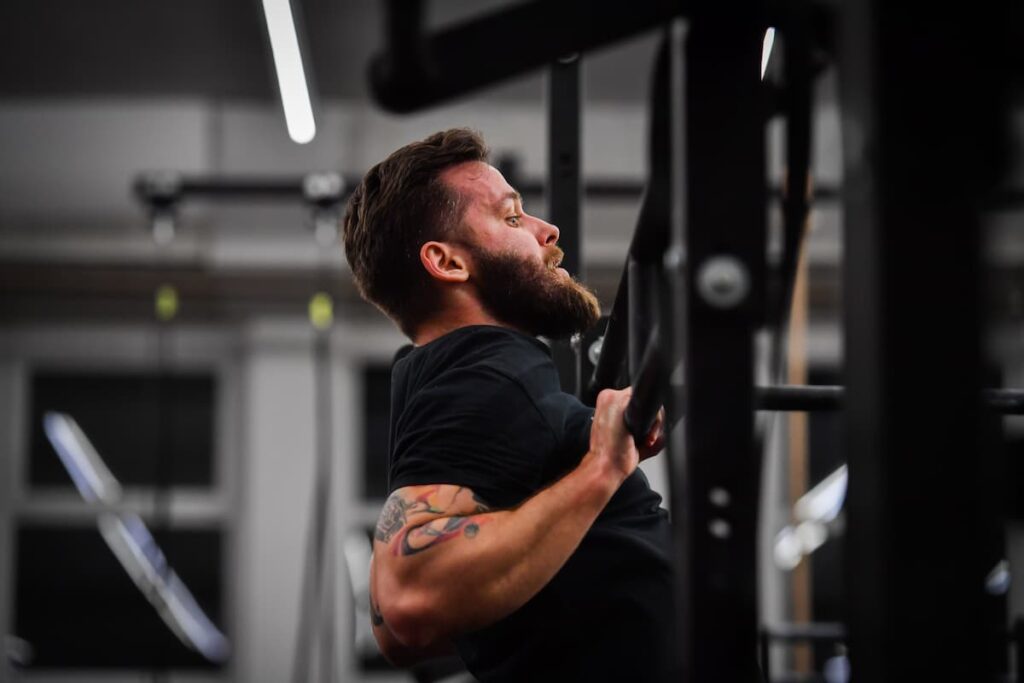
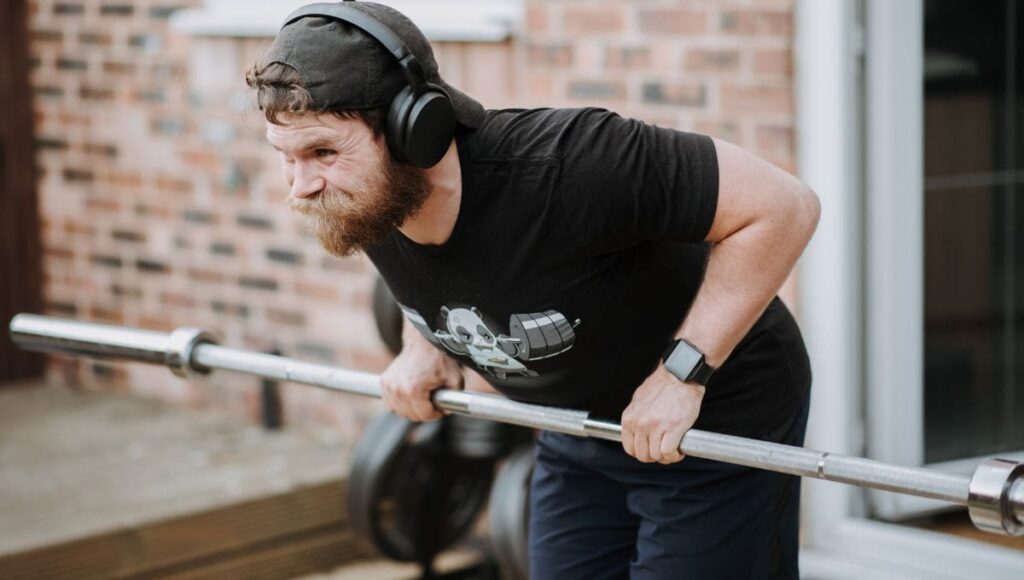
Arm training is a cornerstone of many strength and fitness programs. Whether your goal is bigger biceps, stronger triceps, better performance in CrossFit, or improved pulling and pushing strength, your arms are involved in almost everything you do in the gym. Pull-ups, presses, Olympic lifts, gymnastics, rows, carries, throws—your arms rarely get a break.
That’s exactly why arm overtraining is so common.


Unlike legs or the posterior chain, arms are often trained both directly and indirectly. You might have a dedicated “arm day,” but you also hit your biceps during back sessions, your triceps during chest and shoulder workouts, and both during skill work or conditioning. Add high training frequency, insufficient recovery, and the mindset that “more is better,” and you have a perfect recipe for overuse.
Overtraining does not mean you trained hard once. It is a physiological state where the balance between training stress and recovery is disrupted over time. Research shows that excessive training volume, intensity, or frequency without adequate recovery leads to impaired performance, altered hormonal responses, neuromuscular fatigue, and increased injury risk.
What Arm Overtraining Really Means
Before diving into the signs, it’s important to clarify what overtraining is—and what it is not.
True overtraining syndrome is rare and usually seen in elite athletes training at very high volumes for prolonged periods. However, functional overreaching and non-functional overreaching are extremely common among recreational lifters and competitive fitness athletes.
Functional overreaching involves short-term fatigue and performance decline followed by supercompensation after rest. Non-functional overreaching occurs when recovery is insufficient, leading to prolonged performance decrements and negative adaptations.
Arms are especially vulnerable because they are composed of smaller muscle groups with limited absolute loading capacity and high connective tissue involvement. Tendons adapt more slowly than muscle, and repeated stress without recovery increases the risk of overuse injuries.

Now let’s look at the six most reliable signs that your arm training may be crossing the line.
1. Persistent Arm Soreness That Does Not Improve With Time
Why Delayed Onset Muscle Soreness Becomes a Red Flag
Muscle soreness after training is normal, especially when introducing new exercises or increasing volume. Delayed onset muscle soreness, or DOMS, typically peaks 24–72 hours after training and resolves within a few days.
When soreness becomes persistent, lingering for a week or more, or never fully goes away between sessions, it signals inadequate recovery.
Research shows that muscle damage markers such as creatine kinase remain elevated longer when training frequency and volume exceed recovery capacity. Chronic soreness reflects repeated microtrauma without sufficient repair.
What the Science Says
Studies demonstrate that repeated eccentric loading without adequate rest leads to cumulative muscle damage and prolonged inflammation. Over time, this impairs force production and increases injury risk.
In arm muscles, which are frequently exposed to eccentric stress during lowering phases of curls, pull-ups, and presses, persistent soreness is especially common when volume is too high.
One key issue is that soreness is not just muscular. Tendons and connective tissues can become sensitized, leading to a deep, achy discomfort that does not resolve with normal rest periods.
Practical Implications
If your arms feel constantly sore—even on rest days—or if soreness returns immediately with light training, your recovery window is being violated. This is not a badge of honor. It is an early warning sign that your training load exceeds your current adaptation level.
2. Declining Strength and Pump Despite Consistent Training
When More Work Produces Less Results
One of the clearest signs of overtraining is a drop in performance. If your arm strength is stagnating or declining despite consistent effort, something is wrong.
This might show up as weaker curls, fewer reps on pull-ups, or a noticeable reduction in triceps endurance during pressing movements. You may also notice that the “pump” you used to get during workouts is diminished or nonexistent.
Neuromuscular Fatigue Explained
Strength is not only about muscle size. It depends heavily on neural drive, motor unit recruitment, and coordination. Research shows that excessive training volume leads to central and peripheral fatigue, reducing the nervous system’s ability to fully activate muscle fibers.
In the arms, this effect is magnified because they are involved in many compound lifts. Even if you are not training arms directly, accumulated fatigue from other sessions can suppress performance.
Hormonal and Metabolic Factors
Studies also show that chronic high-volume training can alter hormonal responses, including reduced testosterone-to-cortisol ratios. This shift favors catabolism rather than muscle repair and growth.
Reduced glycogen availability in muscle tissue further limits training performance and pump. Without adequate recovery and nutrition, your arms simply cannot perform at their best.
Practical Implications
If your arm workouts feel harder but produce less output, and you need more effort to achieve previous results, you are likely training past your recovery capacity. Progress requires stress plus recovery—not stress alone.
3. Elbow, Wrist, or Shoulder Pain That Creeps In Gradually
Overuse Injuries Start Quietly
Overtraining your arms rarely causes sudden injuries. Instead, it leads to gradual onset pain in joints and connective tissues, especially the elbows, wrists, and shoulders.
Common examples include medial or lateral elbow pain, triceps tendon discomfort, biceps tendon irritation, and wrist soreness during gripping movements.
Tendons Adapt More Slowly Than Muscles
Research consistently shows that tendons respond to training stress at a slower rate than muscle tissue. While muscles can increase protein synthesis rapidly, tendons require longer recovery periods to remodel collagen and increase stiffness.
When arm training volume is excessive, tendons are exposed to repeated loading without adequate adaptation time. This leads to microdamage accumulation and pain.
The Role of Repetitive Loading
Exercises such as curls, skull crushers, dips, and pull-ups place repetitive strain on the same joint angles. High frequency and poor variation amplify this effect.
Studies on occupational overuse injuries show similar patterns: repetitive motion combined with insufficient rest increases inflammation and decreases tissue tolerance.
Practical Implications
If joint discomfort appears gradually and worsens with continued training, it is not something to push through. Pain is a protective signal. Ignoring it often turns mild irritation into chronic tendinopathy that can take months to resolve.
4. Loss of Coordination and Control During Arm Movements
When Technique Starts to Break Down
Another sign of arm overtraining is a subtle but noticeable decline in movement quality. Exercises that once felt smooth and controlled may start to feel shaky, awkward, or inconsistent.
You might notice difficulty controlling the lowering phase of curls, unstable lockouts in pressing movements, or poor coordination during gymnastic skills.
Central Nervous System Fatigue
Research shows that excessive training volume can impair central nervous system function. This reduces motor control, reaction time, and fine coordination.

Because arm muscles are often used in precise, skill-dependent movements, CNS fatigue becomes apparent quickly. Unlike gross lower-body movements, arm exercises require more refined motor control.
Increased Injury Risk
Studies link neuromuscular fatigue with altered movement patterns and increased joint stress. When coordination declines, joints and tendons absorb more load than intended, further increasing injury risk.
This creates a vicious cycle: fatigue reduces control, poor control increases tissue stress, and tissue stress worsens fatigue and pain.
Practical Implications
If your arm movements feel sloppy despite unchanged loads, do not ignore it. This is a sign that your nervous system is under-recovered. Reducing volume and prioritizing rest can restore coordination quickly if addressed early.
5. Sleep Disturbances and Elevated Resting Fatigue
Overtraining Affects the Whole System
Arm overtraining is not just a local issue. Research shows that excessive training stress affects systemic recovery, including sleep quality and perceived fatigue.
Athletes experiencing non-functional overreaching often report difficulty falling asleep, restless sleep, or waking up feeling unrefreshed.
The Stress Response Connection
High training loads elevate sympathetic nervous system activity. This increases cortisol levels and disrupts normal sleep-wake cycles.
Even though arms are small muscle groups, their frequent involvement across multiple training sessions can contribute significantly to total weekly workload.
Studies show that cumulative training stress, not just session intensity, determines recovery demand.
Why This Matters for Arms
Poor sleep impairs muscle protein synthesis, hormonal balance, and neuromuscular function. This disproportionately affects smaller muscles like the arms, which rely on frequent recovery to maintain performance.
Practical Implications
If your arms feel constantly tired and your sleep quality has declined without other lifestyle changes, your training volume may be too high. Recovery is not optional—it is a biological requirement.
6. You Feel the Need to Train Arms Even When They Feel Exhausted
Psychological Dependence on Training
One of the most overlooked signs of overtraining is psychological. If you feel anxious about skipping arm training or believe that rest will cause immediate muscle loss, that mindset itself can drive chronic overload.
Research on exercise dependence shows that some athletes continue training despite pain, fatigue, or declining performance due to fear of losing progress.
The Myth of Constant Stimulation
Muscle does not grow from constant stimulation. It grows during recovery. Studies clearly show that muscle protein synthesis returns to baseline within 24–48 hours after training in most individuals.
Training a muscle again before recovery is complete does not extend the growth window. Instead, it interferes with adaptation.
When Discipline Turns Into Self-Sabotage
Consistency is important, but so is flexibility. Ignoring fatigue signals in the name of discipline often leads to stagnation or injury.
High-level athletes plan deloads and rest periods strategically. Recreational lifters often do the opposite, training hard year-round without structured recovery.
Practical Implications
If you feel compelled to train arms even when they are clearly exhausted, it is time to reassess your approach. Long-term progress requires restraint as much as effort.
How Much Arm Training Is Too Much?
Research suggests that muscle growth can be achieved with moderate weekly volume when intensity and recovery are appropriate. Studies indicate that 10–20 sets per muscle group per week is effective for hypertrophy in most individuals.
However, this includes both direct and indirect work. For arms, indirect volume from compound lifts must be counted.
For example, if you perform multiple pulling and pressing sessions each week, your arms may already be near the upper limit before you add isolation exercises.
Individual tolerance varies based on training age, nutrition, sleep, and stress levels. There is no universal number, but performance trends and recovery markers provide reliable guidance.
How to Fix Arm Overtraining Without Losing Progress
Reducing overtraining does not mean stopping arm training entirely. It means restoring balance.
Evidence supports the use of deload weeks, reduced volume phases, and improved exercise variation to restore performance. Even short-term volume reductions can normalize hormonal markers and improve neuromuscular function.
Prioritizing sleep, protein intake, and overall energy availability further supports recovery. Research shows that adequate protein and calories significantly improve recovery from resistance training.
Listening to fatigue signals is not weakness. It is informed training.
Final Thoughts
Overtraining your arms is easy to do and hard to notice until problems appear. Persistent soreness, declining performance, joint pain, poor coordination, sleep disturbances, and compulsive training behaviors are all red flags supported by scientific evidence.
The goal of training is adaptation, not exhaustion. When recovery is respected, arms grow stronger, healthier, and more resilient. When it is ignored, progress stalls and injuries accumulate.
Smart training is not about doing more. It is about doing enough—and then letting your body do the rest.
References
- Behm, D.G. and Sale, D.G. (1993) ‘Intended rather than actual movement velocity determines velocity-specific training response’, Journal of Applied Physiology, 74(1), pp. 359–368.
- Brooks, G.A., Fahey, T.D. and Baldwin, K.M. (2005) ‘Exercise physiology: Human bioenergetics and its applications’, Medicine & Science in Sports & Exercise, 37(3), pp. 486–487.
- Cadegiani, F.A. and Kater, C.E. (2017) ‘Hormonal aspects of overtraining syndrome’, Endocrine Connections, 6(3), pp. R1–R14.
- Damas, F. et al. (2016) ‘Resistance training-induced changes in integrated myofibrillar protein synthesis are related to hypertrophy only after attenuation of muscle damage’, Journal of Physiology, 594(18), pp. 5209–5222.
About the Author

Robbie Wild Hudson is the Editor-in-Chief of BOXROX. He grew up in the lake district of Northern England, on a steady diet of weightlifting, trail running and wild swimming. Him and his two brothers hold 4x open water swimming world records, including a 142km swim of the River Eden and a couple of whirlpool crossings inside the Arctic Circle.
He currently trains at Falcon 1 CrossFit and the Roger Gracie Academy in Bratislava.