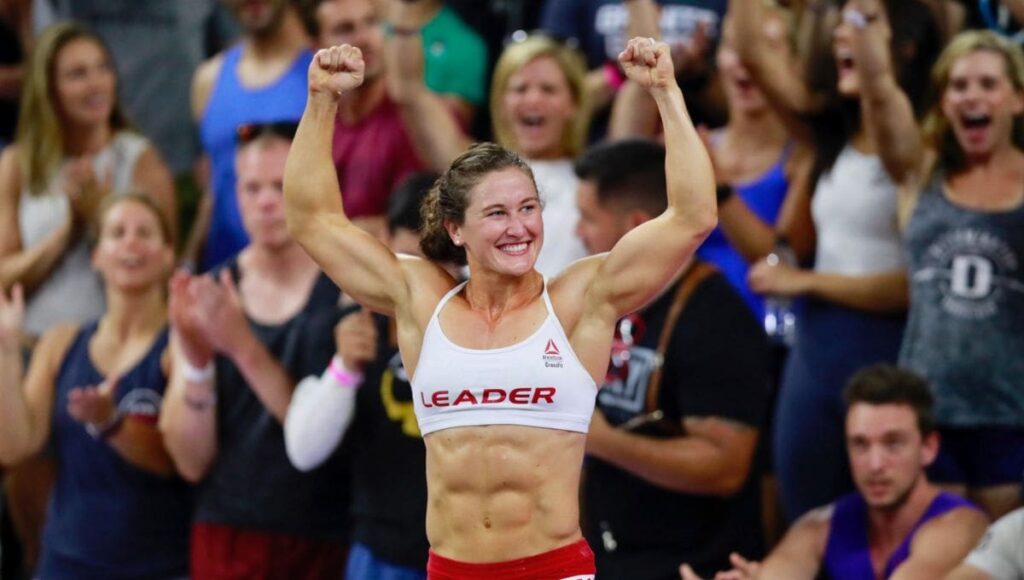
Visible abs are not about starvation diets, detox teas, or endless crunches. A defined six pack is primarily the result of two physiological realities: sufficiently developed abdominal muscles and low enough body fat for those muscles to be visible. Training builds the muscle. Nutrition determines whether you can actually see it.
This article focuses on the nutrition side of the equation. Specifically, it explains how certain foods can support fat loss, muscle retention, metabolic health, and appetite control — all of which are necessary for revealing a six pack. These foods do not “burn belly fat” directly. No food can target fat loss in a single area. What they can do is improve the hormonal, metabolic, and caloric environment that makes fat loss sustainable and muscle definition possible.


Every claim below is supported by scientific research, and every food earns its place through evidence, not hype.
Understanding Six Pack Visibility: The Science First
Before diving into the foods themselves, it is important to understand what actually reveals abdominal definition.
Body Fat Percentage Matters More Than Ab Exercises
For most men, visible abs typically appear at around 10–12 percent body fat. For women, it is usually closer to 16–19 percent. Below these ranges, the subcutaneous fat covering the abdominal muscles becomes thin enough to reveal separation and definition.

Research consistently shows that spot reduction is not physiologically possible. Fat loss occurs systemically, not locally. Therefore, nutrition strategies must focus on total fat loss while preserving lean mass.
Muscle Retention Is Critical During Fat Loss
Aggressive calorie restriction without adequate protein leads to muscle loss. Losing muscle lowers resting metabolic rate and makes long-term fat loss harder. Several studies show that higher protein intakes during caloric deficits preserve lean mass and improve body composition.
Hormones, Appetite, and Energy Balance
Foods influence satiety hormones such as leptin, ghrelin, GLP-1, and insulin. Diets that stabilize blood sugar and reduce hunger improve adherence, which is one of the strongest predictors of long-term fat loss success.
The seven foods below directly support these physiological mechanisms.
1. Eggs
Eggs are one of the most nutrient-dense foods available and play a powerful role in body recomposition.

Why Eggs Support Six Pack Visibility
Eggs provide high-quality protein with an ideal amino acid profile, including leucine, which is essential for muscle protein synthesis. Preserving abdominal muscle mass during fat loss is critical for definition.
Eggs also promote satiety. Research shows that eating eggs for breakfast reduces hunger and spontaneous calorie intake later in the day compared to carbohydrate-based breakfasts.
Additionally, whole eggs contain dietary cholesterol and fat-soluble vitamins that support hormonal health. Testosterone, which plays a role in muscle maintenance and fat metabolism, is synthesized from cholesterol.
What the Research Shows
Clinical trials demonstrate that individuals consuming eggs as part of a calorie-controlled diet lose more fat while maintaining lean mass compared to those consuming isocaloric breakfasts without eggs.
Egg consumption has also been shown not to negatively affect cardiovascular risk markers in healthy individuals, despite outdated concerns about dietary cholesterol.
Practical Takeaway
Eating whole eggs regularly can help control appetite, preserve muscle, and support hormonal balance during fat loss phases.
2. Greek Yogurt
Greek yogurt is a powerful combination of protein, probiotics, and calcium — all relevant to body composition.

Protein and Muscle Preservation
Greek yogurt contains significantly more protein per serving than regular yogurt. This high protein content supports muscle protein synthesis and reduces muscle loss during caloric restriction.
Protein also has a higher thermic effect of food than carbohydrates or fats, meaning more calories are burned during digestion.
Calcium and Fat Metabolism
Calcium intake has been associated with increased fat oxidation and reduced fat absorption. Some studies suggest that higher dietary calcium leads to greater fat loss, particularly from the trunk region.
Probiotics and Gut Health
Greek yogurt often contains live bacterial cultures that influence gut microbiota. Emerging research suggests that gut bacteria play a role in energy balance, insulin sensitivity, and inflammation, all of which affect fat storage.
What the Research Shows
Randomized controlled trials show that high-protein dairy consumption during weight loss improves fat loss while preserving lean mass. Observational studies also associate yogurt consumption with lower body weight and reduced waist circumference over time.
Practical Takeaway
Greek yogurt supports muscle retention, appetite control, and metabolic health, making it a strong ally in revealing abdominal definition.
3. Salmon
Salmon provides a unique combination of high-quality protein and omega-3 fatty acids.
Omega-3s and Fat Loss
Omega-3 fatty acids influence fat metabolism by improving insulin sensitivity and increasing fat oxidation. Improved insulin sensitivity reduces the likelihood of excess calories being stored as fat.

Omega-3s also reduce systemic inflammation, which is associated with obesity and metabolic dysfunction.
Protein for Muscle Maintenance
Like other animal proteins, salmon provides essential amino acids needed to maintain muscle during calorie deficits. The combination of protein and healthy fats also increases satiety.
Hormonal Benefits
Omega-3 fatty acids have been shown to support anabolic signaling pathways in muscle, enhancing muscle protein synthesis in response to resistance training and protein intake.
What the Research Shows
Studies demonstrate that omega-3 supplementation increases fat oxidation during exercise and improves body composition when combined with training. Higher fish intake is also associated with lower visceral fat levels.
Practical Takeaway
Salmon supports fat loss, muscle preservation, and metabolic health, particularly when combined with resistance training.
4. Leafy Green Vegetables
Leafy greens such as spinach, kale, arugula, and romaine lettuce are essential for achieving a lean physique.
Low Energy Density, High Volume
Leafy greens provide a large volume of food for very few calories. This allows you to eat larger meals while maintaining a calorie deficit, which improves dietary adherence.
Fiber and Satiety
The fiber in leafy greens slows digestion, stabilizes blood sugar, and enhances feelings of fullness. Fiber intake is strongly associated with lower body weight and reduced abdominal fat.
Micronutrients and Performance
Leafy greens are rich in magnesium, potassium, and nitrates. Dietary nitrates improve blood flow and exercise performance, which can indirectly support fat loss by increasing training quality.
What the Research Shows
Population studies consistently show that higher vegetable intake is associated with lower body fat and reduced waist circumference. Controlled trials demonstrate that increasing vegetable intake improves satiety without increasing calorie intake.
Practical Takeaway
Leafy greens make fat loss easier by increasing meal size, improving satiety, and supporting training performance with minimal caloric cost.
5. Oats
Oats are often misunderstood in fat loss diets, but the evidence supports their inclusion.
Slow-Digesting Carbohydrates
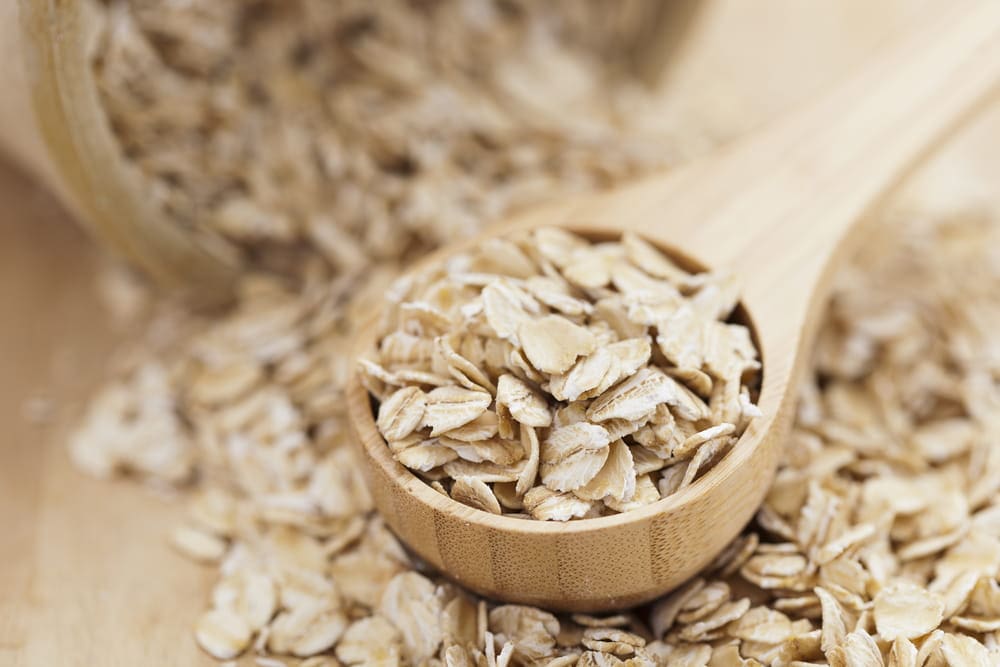
Oats contain beta-glucan, a soluble fiber that slows digestion and reduces post-meal blood sugar spikes. Stable blood sugar reduces insulin fluctuations that promote fat storage.
Appetite Control
Beta-glucan increases satiety hormones and delays gastric emptying. This leads to reduced hunger and lower calorie intake throughout the day.
Training Fuel Without Fat Gain
Carbohydrates are essential for high-quality training performance. Oats provide sustained energy that supports intense workouts, helping maintain muscle mass during fat loss.
What the Research Shows
Clinical trials show that beta-glucan consumption improves appetite control and reduces body fat over time. Oat-based breakfasts lead to lower calorie intake at subsequent meals compared to refined carbohydrate breakfasts.
Practical Takeaway
Oats support energy levels, appetite control, and training performance, all of which are necessary for revealing abdominal definition.
6. Berries
Berries such as blueberries, strawberries, and raspberries provide powerful metabolic benefits with minimal sugar impact.
Low Sugar, High Fiber
Compared to most fruits, berries have a low glycemic load and high fiber content. This helps prevent blood sugar spikes and supports fat loss.
Polyphenols and Fat Metabolism
Berries are rich in polyphenols, which influence fat oxidation and insulin sensitivity. These compounds may reduce fat accumulation and improve metabolic flexibility.
Inflammation Reduction
Chronic inflammation is linked to obesity and impaired fat loss. Berry polyphenols reduce oxidative stress and inflammation, supporting healthier metabolism.
What the Research Shows
Studies show that berry consumption improves insulin sensitivity, reduces inflammatory markers, and may decrease abdominal fat accumulation. Animal and human trials both support their role in metabolic health.
Practical Takeaway
Berries provide sweetness, fiber, and metabolic benefits without compromising fat loss, making them ideal for lean diets.
7. Legumes
Legumes include lentils, chickpeas, black beans, and kidney beans. They are highly underrated in physique-focused diets.
Protein and Fiber Combination
Legumes provide a rare combination of plant-based protein and high fiber. This pairing significantly improves satiety and reduces total calorie intake.
Blood Sugar Regulation
The low glycemic index of legumes stabilizes blood sugar and insulin levels, reducing fat storage risk.
Gut Health Benefits
Fermentable fibers in legumes feed beneficial gut bacteria, which influence energy extraction and fat storage.
What the Research Shows
Randomized controlled trials show that legume-rich diets lead to greater fat loss and reduced waist circumference, even without intentional calorie restriction. Meta-analyses confirm their role in weight management.
Practical Takeaway
Legumes support fat loss, appetite control, and metabolic health while providing sustainable energy.
How These Foods Work Together
No single food reveals a six pack on its own. The power comes from dietary patterns.
Protein Adequacy
Eggs, Greek yogurt, salmon, and legumes ensure sufficient protein intake to preserve lean mass.
Appetite Control
Fiber-rich foods like oats, berries, leafy greens, and legumes reduce hunger and improve adherence.
Hormonal and Metabolic Support
Healthy fats, micronutrients, and polyphenols improve insulin sensitivity, inflammation, and metabolic efficiency.
Consistency with these foods, combined with resistance training and an appropriate calorie intake, creates the conditions necessary for visible abs.
Final Thoughts
Revealing your six pack is not about extreme dieting or cutting entire food groups. It is about choosing foods that support fat loss without sacrificing muscle, performance, or health.
The seven foods outlined here are supported by strong scientific evidence and practical results. They help regulate appetite, preserve muscle, improve metabolic health, and make fat loss sustainable.
When combined with intelligent training and realistic calorie control, they create a nutrition strategy that works with your physiology, not against it.
Bibliography
• Astrup, A. et al. (2015) ‘Dairy products and weight management’, The American Journal of Clinical Nutrition, 101(1), pp. 23–31.
• Bozzetto, L. et al. (2012) ‘Dietary fibre as a tool for weight loss’, Nutrition, Metabolism and Cardiovascular Diseases, 22(12), pp. 1035–1043.
• Claycombe, K. et al. (2011) ‘Dietary bioactive compounds and obesity’, Physiology & Behavior, 103(5), pp. 525–533.
• Hansen, T.T. et al. (2018) ‘Eggs for breakfast improve weight loss’, International Journal of Obesity, 42(3), pp. 527–539.
About the Author

Robbie Wild Hudson is the Editor-in-Chief of BOXROX. He grew up in the lake district of Northern England, on a steady diet of weightlifting, trail running and wild swimming. Him and his two brothers hold 4x open water swimming world records, including a 142km swim of the River Eden and a couple of whirlpool crossings inside the Arctic Circle.
He currently trains at Falcon 1 CrossFit and the Roger Gracie Academy in Bratislava.