Building strong, defined abdominal muscles is about far more than aesthetics. Your abs play a central role in posture, breathing, spinal stability, athletic performance, and injury prevention. While bodyweight exercises like planks and sit-ups are effective, gym machines offer unique advantages: controlled resistance, measurable progression, and consistent muscle loading.
This article breaks down the three best gym machines for training your abs, based strictly on scientific evidence. You will learn how each machine works, which muscles it targets, why it is effective, and how to use it correctly. Every major claim is supported by peer-reviewed research, and practical coaching cues are included so the information translates directly to better results in the gym.


Understanding the Abs: A Quick Science Primer
Before choosing machines, it is important to understand what the “abs” actually are.
The abdominal muscle group includes:
- Rectus abdominis (the “six-pack” muscle)
- External obliques
- Internal obliques
- Transversus abdominis (deep core stabilizer)
The primary functions of these muscles include spinal flexion, rotation, lateral flexion, and resisting movement (anti-extension and anti-rotation). Electromyography (EMG) studies show that effective ab training requires sufficient load, controlled movement, and progressive overload to maximize muscle activation and hypertrophy.

Machines can be particularly useful because they allow higher external resistance and more consistent tension than many bodyweight exercises, which is crucial for muscle growth according to resistance training research.
Why Use Gym Machines for Abs?
Research consistently shows that resistance training with external load leads to greater muscle hypertrophy compared to low-load or endurance-only work. While bodyweight exercises improve endurance and neuromuscular control, machines allow you to increase mechanical tension, which is a primary driver of muscle growth.
Additional benefits of machines include:
- Reduced balance demands, allowing greater focus on the abs
- Easier load progression
- More predictable movement patterns
- Lower technical complexity for beginners
These factors make machines especially valuable for intermediate and advanced trainees, as well as those rehabilitating from injury.
1. Ab Crunch Machine
Why the Ab Crunch Machine Is So Effective
The ab crunch machine consistently ranks among the highest for rectus abdominis activation in EMG studies. Unlike traditional floor crunches, this machine adds adjustable resistance, increasing mechanical tension across the abdominal muscles.
Research comparing bodyweight crunches to machine-based crunches shows significantly higher muscle activation when external load is added. This increased activation is associated with greater strength and hypertrophy adaptations over time.
The ab crunch machine primarily targets:
- Rectus abdominis
- Secondary activation of the obliques
- Minimal hip flexor involvement when performed correctly
Reducing hip flexor dominance is critical, as excessive hip flexor engagement can shift work away from the abs and increase spinal stress.
Scientific Evidence Supporting the Ab Crunch Machine
Multiple EMG studies demonstrate that resisted spinal flexion produces high rectus abdominis activation. One controlled study found that machine-based crunches elicited significantly greater abdominal muscle activity than traditional sit-ups, which tend to involve more hip flexor contribution.

Resistance training literature also shows that muscles respond best to moderate-to-high loads performed through a controlled range of motion. The ab crunch machine allows exactly that, making it one of the most efficient tools for direct abdominal hypertrophy.
How to Use the Ab Crunch Machine Correctly
Proper technique is essential to get the full benefit and protect the spine.
Setup:
- Adjust the seat so your hips are fixed and your spine starts in a neutral position
- Place your feet securely under the pads
- Position the handles or pads across your upper chest or shoulders, not your neck
Execution:
- Exhale as you flex your spine, bringing your ribcage toward your pelvis
- Focus on curling the torso rather than pulling with the arms
- Pause briefly at peak contraction
- Lower slowly under control
Tempo matters. Studies show that slower eccentric phases increase time under tension, which is beneficial for hypertrophy.
Common Mistakes to Avoid
- Using momentum instead of muscle control
- Pulling with the arms or shoulders
- Hyperflexing the lower back
- Using excessive weight that shortens range of motion
Who Should Prioritize the Ab Crunch Machine
This machine is ideal for:
- Anyone seeking visible abdominal hypertrophy
- Intermediate and advanced trainees
- Individuals who struggle to feel their abs during floor exercises
It is less ideal for those with acute spinal issues unless cleared by a professional, as loaded spinal flexion may not be appropriate in all cases.
2. Captain’s Chair (Vertical Knee Raise / Leg Raise Station)
Why the Captain’s Chair Is a Core Training Powerhouse
The Captain’s Chair is one of the most studied ab machines in sports science. It excels at activating the lower portion of the rectus abdominis while also heavily engaging the obliques and hip flexors.
Unlike crunch machines, this station challenges the abs through posterior pelvic tilt and anti-extension rather than pure spinal flexion. EMG research shows that hanging or supported leg raise variations produce some of the highest abdominal muscle activation recorded.
Scientific Evidence Supporting the Captain’s Chair
One of the most frequently cited studies in core training research found that the Captain’s Chair produced greater rectus abdominis activation than traditional crunches, sit-ups, and many floor-based exercises.
Further research indicates that exercises requiring stabilization of the pelvis against gravity significantly increase core muscle recruitment. This makes the Captain’s Chair particularly effective for both strength and neuromuscular control.
How the Captain’s Chair Trains the Abs Differently
The key mechanism is posterior pelvic tilt. When performed correctly, the movement involves:
- Actively tilting the pelvis backward
- Lifting the legs using abdominal contraction, not momentum
- Preventing lumbar hyperextension
This targets the lower fibers of the rectus abdominis more effectively than crunch-based movements, which often emphasize upper fibers.
Proper Technique for Maximum Ab Activation
Setup:
- Place forearms firmly on the pads
- Press shoulders down to stabilize the upper body
- Grip handles lightly for balance
Execution:
- Start with knees bent if you are a beginner
- Initiate the movement by curling the pelvis upward
- Lift knees or legs until hips are flexed and pelvis is posteriorly tilted
- Lower slowly while maintaining tension
Advanced trainees can perform straight-leg raises or add ankle weights to increase load.
Common Mistakes to Avoid
- Swinging the legs
- Allowing the lower back to arch excessively
- Using momentum instead of controlled movement
- Relying solely on hip flexors
EMG studies show that poor technique significantly reduces abdominal activation and shifts stress to the hip flexors.
Who Should Use the Captain’s Chair
This machine is ideal for:
- Athletes needing strong anti-extension capacity
- Individuals training for visible lower ab development
- Those who want both strength and endurance benefits
It may be challenging for beginners, but regressions such as bent-knee raises make it accessible to most gym-goers.
3. Cable Machine (Cable Crunch and Rotational Variations)
Why the Cable Machine Is One of the Best Tools for Abs
The cable machine is arguably the most versatile and scientifically supported tool for ab training. It allows resistance in multiple planes of motion, including flexion, rotation, and anti-rotation.
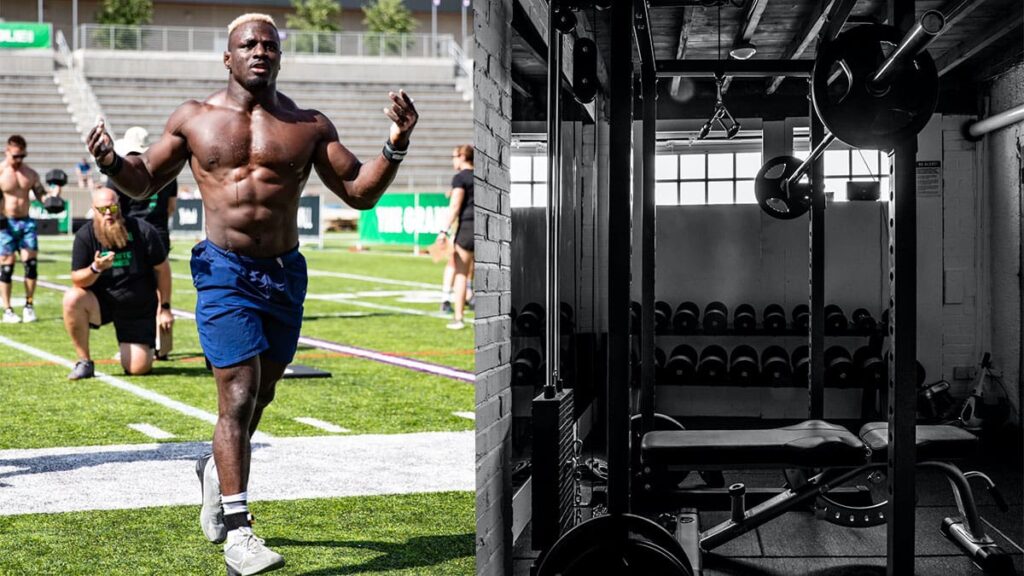
Research consistently shows that multi-planar core training improves both muscle activation and functional strength. Cable-based exercises also allow precise load adjustments, making progressive overload simple and measurable.
Scientific Evidence Supporting Cable-Based Ab Training
Studies comparing free weights, machines, and cables show that cables provide consistent tension throughout the range of motion. This is important because abdominal muscles respond well to sustained tension rather than peak-only loading.
Rotational cable exercises have been shown to produce high oblique activation, while cable crunches rival machine crunches in rectus abdominis engagement.
Key Cable Exercises for Abs
Cable Crunch:
- Targets rectus abdominis
- Allows heavy loading with controlled spinal flexion
Cable Woodchop:
- Targets internal and external obliques
- Trains rotational power and control
Pallof Press:
- Targets transversus abdominis and obliques
- Emphasizes anti-rotation stability
Each of these movements addresses a different core function supported by biomechanical research.
Proper Technique for Cable Crunches
Setup:
- Attach a rope handle to a high pulley
- Kneel facing the machine
- Hold the rope near your temples
Execution:
- Brace your core before moving
- Flex your spine by bringing ribs toward hips
- Avoid pulling with the arms
- Control the eccentric phase
Research shows that kneeling positions reduce lower body involvement and increase abdominal demand.
Why Rotation and Anti-Rotation Matter
Core muscles are designed to resist unwanted motion. Studies on spinal stability highlight the importance of anti-rotation and anti-extension exercises in reducing injury risk and improving performance.
Cable machines excel here because they allow resistance to pull the body out of alignment, forcing the abs to stabilize the spine.
Who Should Use Cable Machines for Abs
Cable machines are ideal for:
- Athletes and functional fitness enthusiasts
- Those seeking balanced core development
- Anyone wanting to train abs in multiple planes
They are suitable for all levels, as resistance can be scaled precisely.
How Often Should You Train Abs Using Machines?
Research on muscle hypertrophy suggests that training a muscle group two to three times per week is optimal for growth, provided volume and recovery are appropriate.
Abdominal muscles recover relatively quickly compared to larger muscle groups, but they still require rest. High-load ab training on machines should be treated like any other resistance training session.
Recommended guidelines:
- 2 to 4 exercises per session
- 2 to 4 sets per exercise
- 8 to 15 repetitions for hypertrophy
- Progressive overload over time
Do Machines Build Better Abs Than Bodyweight Exercises?
Science does not support the idea that machines are inherently superior, but they do offer advantages for hypertrophy due to higher mechanical tension. Bodyweight exercises excel at endurance and motor control, while machines excel at load progression.
A combination of both yields the best results, but if the goal is visible muscle development, machine-based training plays a critical role.
The Role of Body Fat and Nutrition
No ab machine can compensate for excessive body fat. Research consistently shows that visible abdominal definition depends heavily on overall body fat percentage.
Resistance training increases muscle size and metabolic rate, but fat loss is driven primarily by caloric balance. Protein intake, total calories, and adherence to training matter more than exercise selection alone.
Final Thoughts
The best gym machines for abs are not chosen based on trends or marketing, but on biomechanics, muscle activation, and research-backed principles. The ab crunch machine, Captain’s Chair, and cable machine each offer unique benefits supported by scientific evidence.
Used correctly and progressively, these machines can dramatically improve abdominal strength, size, and function. Combined with sound nutrition and full-body training, they form a powerful foundation for a strong, resilient core.
Bibliography
- Andersen, V., Fimland, M.S., Mo, D.A. and Aagaard, P. (2014) ‘Electromyographic comparison of abdominal exercises performed with and without external resistance’, Journal of Strength and Conditioning Research, 28(6), pp. 1646–1652.
- Escamilla, R.F., McTaggart, M.S., Fricklas, E.J., DeWitt, R., Kelleher, P., Taylor, M.K. and Moorman, C.T. (2006) ‘An electromyographic analysis of commercial and common abdominal exercises’, Journal of Orthopaedic and Sports Physical Therapy, 36(2), pp. 45–57.
- Schoenfeld, B.J. (2010) ‘The mechanisms of muscle hypertrophy and their application to resistance training’, Journal of Strength and Conditioning Research, 24(10), pp. 2857–2872.
About the Author

Robbie Wild Hudson is the Editor-in-Chief of BOXROX. He grew up in the lake district of Northern England, on a steady diet of weightlifting, trail running and wild swimming. Him and his two brothers hold 4x open water swimming world records, including a 142km swim of the River Eden and a couple of whirlpool crossings inside the Arctic Circle.
He currently trains at Falcon 1 CrossFit and the Roger Gracie Academy in Bratislava.