Comfort food has a bad reputation. It is often framed as something you “cheat” with, something that undoes progress, or something you must give up entirely if you want to eat well. From a scientific perspective, that idea does not hold up.
Human eating behavior is shaped by physiology, psychology, culture, and emotion. Research consistently shows that rigid dietary restriction increases cravings, stress, and the likelihood of overeating later. Comfort foods, when chosen and prepared intelligently, can support both physical health and long-term dietary adherence.


This article breaks down five familiar comfort foods that can absolutely fit into a healthy diet. Each section explains why the food works nutritionally, what the science says about its key ingredients, and how it supports health without relying on deprivation.
The goal is not to “trick” your body, but to work with it.
What Makes a Comfort Food “Healthy”?
Before looking at specific foods, it is important to define what “healthy” actually means in a scientific context.

A healthy food is not defined by being low-calorie alone. Research shows that satiety, nutrient density, metabolic response, and long-term sustainability matter far more than short-term calorie reduction.
A comfort food can support health when it meets most of the following criteria:
- High satiety per calorie, driven by protein, fiber, or water content
- Minimal impact on blood sugar spikes when eaten in realistic portions
- Rich in micronutrients such as potassium, calcium, iron, magnesium, or vitamins
- Supports gut health, muscle maintenance, and metabolic function
- Psychologically satisfying enough to reduce binge-restrict cycles
The five foods below meet those criteria when prepared properly and eaten in normal servings.
1. Potatoes and Mashed Potatoes
Potatoes are often misunderstood as an unhealthy carbohydrate. In reality, they are one of the most nutrient-dense and satiating foods available.
Why Potatoes Are Not the Enemy
Potatoes rank at the top of the Satiety Index, a measure developed to compare how filling foods are relative to their calorie content. Boiled potatoes scored higher than pasta, rice, bread, and even some protein-rich foods.
From a nutritional standpoint, potatoes provide:
- High potassium content, exceeding that of bananas
- Vitamin C, vitamin B6, and magnesium
- Resistant starch when cooked and cooled, which feeds beneficial gut bacteria

Despite their reputation, potatoes have a low energy density. A medium potato contains roughly 160 calories but provides significant volume and fiber, contributing to fullness.
Large population studies show no consistent association between potato consumption and weight gain when preparation method is accounted for. The issue is not potatoes themselves, but deep frying and excessive added fats.
Mashed Potatoes Done Right
Mashed potatoes become problematic when large amounts of butter and cream dominate the dish. However, research shows that replacing saturated fat with protein-rich dairy can improve satiety and metabolic markers.
Using low-fat milk or Greek yogurt instead of heavy cream increases protein content while reducing total calories. Protein slows gastric emptying and improves post-meal blood glucose control.
Cooling potatoes after cooking increases resistant starch levels. Resistant starch has been shown to improve insulin sensitivity and reduce hunger at subsequent meals.
Mashed potatoes prepared with minimal fat, adequate protein, and realistic portions are not only diet-compatible but nutritionally valuable.
Why Potatoes Support Diet Adherence
Diet sustainability matters more than dietary perfection. Studies consistently show that diets allowing familiar, enjoyable foods lead to better long-term adherence.
Potatoes provide warmth, texture, and familiarity, making them emotionally satisfying while remaining physiologically filling. This combination reduces the urge to snack or overeat later in the day.
2. Chili (With Beans and Lean Protein)
Chili is one of the most diet-friendly comfort foods when built around whole ingredients.
The Power of Protein and Fiber Together
Chili naturally combines two of the most powerful appetite-regulating nutrients: protein and fiber.
Lean meats such as ground turkey or lean beef provide high-quality protein, which has been shown to:
- Increase satiety hormones such as peptide YY and GLP-1
- Reduce ghrelin, the primary hunger hormone
- Preserve lean muscle mass during calorie restriction
Beans contribute both soluble and insoluble fiber. Soluble fiber slows digestion and improves blood sugar control, while insoluble fiber increases stool bulk and supports gut health.
Research consistently shows that meals combining protein and fiber lead to lower total calorie intake over the day compared to meals dominated by refined carbohydrates.
Blood Sugar and Metabolic Benefits
Chili has a naturally low glycemic load due to its fiber content and minimal refined carbohydrates. Low glycemic meals reduce post-meal insulin spikes, which is beneficial for metabolic health and appetite regulation.
Beans specifically have been shown to improve insulin sensitivity and reduce LDL cholesterol. Capsaicin from chili peppers may slightly increase energy expenditure and fat oxidation, although this effect is modest.
The combination of protein, fiber, and spice creates a meal that is deeply satisfying without excessive calories.
Why Chili Works as a Comfort Food
Comfort foods are often defined by warmth, richness, and depth of flavor. Chili delivers all three without relying on sugar or refined starch.
Because chili is volumetric and slow-digesting, it supports fullness for hours. This reduces grazing behavior and late-night snacking, both of which are strongly linked to weight gain.
3. Mac and Cheese (High-Protein, Fiber-Rich Version)
Mac and cheese is often considered off-limits in any health-focused diet. That belief ignores how dramatically the nutritional profile can change with small, evidence-based adjustments.
The Role of Protein-Enriched Pasta
Protein-enriched or legume-based pastas contain significantly more protein and fiber than traditional refined wheat pasta. Studies show that higher-protein meals increase satiety and thermogenesis, meaning the body expends more energy during digestion.

Legume-based pasta also has a lower glycemic response, which reduces post-meal hunger.
Replacing refined pasta with higher-protein alternatives can double protein intake in a single meal without changing portion size.
Cheese and Satiety
Cheese is often criticized due to its fat content, but research shows that dairy fat does not have the same negative metabolic effects once assumed.
Cheese provides calcium, protein, and bioactive peptides that may improve body composition. Calcium intake has been linked to improved fat metabolism and modest reductions in fat absorption.
Using strong-flavored cheeses in smaller amounts enhances satisfaction while keeping calories controlled.
Building a Balanced Mac and Cheese
Adding vegetables such as broccoli, spinach, or cauliflower increases fiber, micronutrients, and volume without significantly increasing calories. Fiber slows digestion and supports gut microbiota diversity.
Using milk instead of butter-heavy sauces reduces saturated fat while maintaining creaminess. Greek yogurt can further increase protein content.
This version of mac and cheese provides:
- High satiety per calorie
- Balanced macronutrients
- Emotional satisfaction without excess energy intake
Why This Matters for Long-Term Diet Success
Research on dietary adherence shows that eliminating beloved foods often leads to cycles of restriction and binge eating. Including modified comfort foods improves consistency and reduces psychological stress around eating.
Mac and cheese does not need to disappear from a healthy diet. It needs to be rebuilt intelligently.
4. Pizza (Thin Crust, High-Protein Toppings)
Pizza is one of the most commonly consumed comfort foods worldwide. Its nutritional impact depends almost entirely on ingredient quality and portion size.
The Science of Crust Choice
Thin crust pizza reduces total refined carbohydrate intake while preserving the eating experience. Lower carbohydrate loads result in smaller blood glucose excursions, which improves appetite control.
Whole-grain crusts further increase fiber content, which has been consistently linked to lower body weight and improved metabolic health in large cohort studies.
Fiber slows carbohydrate absorption and increases satiety signals, making it easier to stop eating at a reasonable portion.
Protein and Fat Balance
Adding protein-rich toppings such as chicken, turkey, or reduced-fat cheese significantly improves the macronutrient profile of pizza.
Protein increases satiety and reduces subsequent calorie intake. Studies show that meals containing at least 20 to 30 grams of protein are more effective at controlling hunger than lower-protein meals.
Including vegetables increases volume and micronutrient density without substantially increasing calories.
Pizza and Psychological Satisfaction
Pizza is often associated with social eating and pleasure. Removing it entirely from a diet can increase feelings of deprivation.
From a behavioral standpoint, planned inclusion of satisfying foods reduces binge risk and improves diet consistency. Research in behavioral nutrition shows that flexible restraint is more effective than rigid restraint for weight management.
Pizza eaten mindfully, with balanced toppings and portions, can support both physical and psychological health.
5. Dark Chocolate and Chocolate-Based Desserts
Sweet comfort foods are often the first to be eliminated during dieting. However, evidence suggests that strategic inclusion of chocolate can actually support appetite regulation.
Cocoa and Metabolic Health
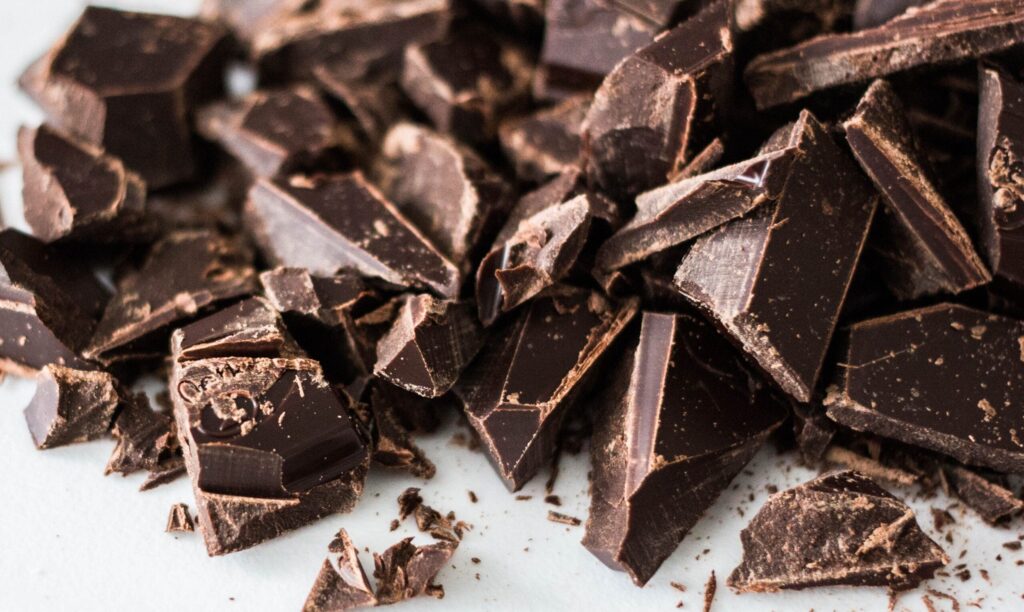
Dark chocolate contains flavanols that have been shown to improve endothelial function, insulin sensitivity, and blood pressure.
Studies indicate that moderate dark chocolate consumption does not lead to weight gain when total calorie intake is controlled. Some evidence suggests it may even reduce cravings for sweet and salty foods.
The key is cocoa content. Higher cocoa percentages mean more bioactive compounds and less sugar.
Satiety and Cravings
Chocolate has a unique sensory profile that triggers dopamine release, increasing satisfaction. Research shows that foods perceived as indulgent can reduce the desire for additional snacks when eaten intentionally.
Including a small portion of dark chocolate can prevent the feeling of restriction that often leads to overconsumption of sweets later.
Building Healthier Chocolate Desserts
Combining dark chocolate with protein-rich foods such as Greek yogurt or nuts improves satiety and blood sugar response.
Protein slows sugar absorption, while fats from nuts increase fullness. This combination supports appetite control better than sugar-dominant desserts.
Chocolate does not need to be feared. It needs to be respected and portioned.
Why Comfort Foods Can Support Weight Loss
Weight loss is not only a physiological process. It is a behavioral one.
Research consistently shows that dietary patterns allowing flexibility, enjoyment, and familiarity are more sustainable than rigid plans. Sustainable diets lead to better long-term outcomes, even if short-term weight loss appears slower.
Comfort foods that are:
- Nutrient-dense
- High in protein and fiber
- Psychologically satisfying
help reduce decision fatigue, emotional eating, and diet burnout.
The foods discussed here support metabolic health, appetite regulation, and adherence, which are the true foundations of lasting results.
References
- Bellisle, F., Dalix, A.M. and Slama, G. (2004) ‘Non-food-related environmental stimuli induce increased meal intake in healthy women: comparison of television viewing versus listening to a recorded story in laboratory settings’, Appetite, 43(2), pp. 175–180.
- Benton, D., Young, H.A. (2016) ‘Role of dairy products in appetite control and body weight management’, Nutrition Research Reviews, 29(1), pp. 1–12.
- Brand-Miller, J., Hayne, S., Petocz, P. and Colagiuri, S. (2003) ‘Low–glycemic index diets in the management of diabetes: a meta-analysis of randomized controlled trials’, Diabetes Care, 26(8), pp. 2261–2267.
- Drewnowski, A. and Almiron-Roig, E. (2010) ‘Human perceptions and preferences for fat-rich foods’, Advances in Nutrition, 1(2), pp. 97–105.