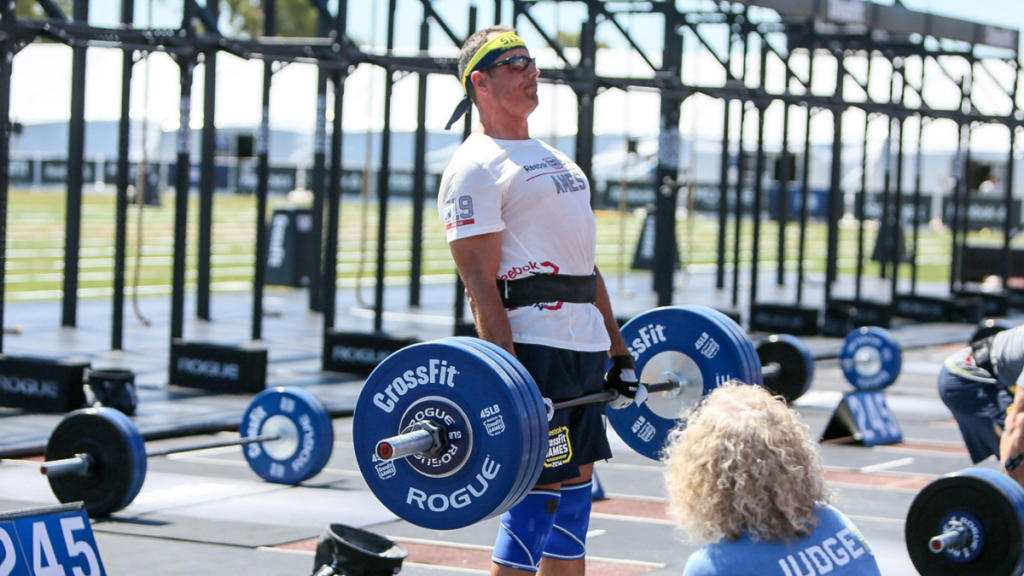
Becoming a father changes everything. Sleep patterns disappear overnight. Training schedules get interrupted. Stress goes up, free time goes down, and priorities shift fast. Many new dads quietly accept that losing strength, fitness, and health is just part of the deal.
It is not.


Strength is not just about muscle or aesthetics. For new fathers, strength is physical resilience, mental stability, metabolic health, injury resistance, and the capacity to show up fully for your family. Science shows that fatherhood brings real physiological and psychological challenges—but it also shows that the right habits can protect and even improve strength during this demanding life phase.
This article breaks down five evidence-based strategies to help new dads stay strong without unrealistic expectations or fluff. Each tip is grounded in peer-reviewed research and practical enough to apply immediately.
1. Protect Your Sleep Like a Training Variable
Sleep deprivation is one of the most significant challenges new fathers face. It directly impacts strength, recovery, hormones, mood, and long-term health.
Why Sleep Loss Destroys Strength
Studies consistently show that sleep restriction reduces maximal strength, power output, and muscular endurance. Even short-term sleep loss lowers neuromuscular performance and increases perceived effort during resistance training.
Sleep deprivation also disrupts anabolic hormone balance. Testosterone levels drop significantly after just one week of restricted sleep. Cortisol, the primary stress hormone, rises, increasing muscle protein breakdown and fat storage.

From a neurological standpoint, poor sleep impairs motor learning and coordination. This increases injury risk during training and everyday tasks like lifting a child, carrying a stroller, or moving awkwardly around the house.
Research also shows that chronic sleep deprivation is associated with increased systemic inflammation, insulin resistance, and cardiovascular disease risk—issues that compound with age and inactivity.
How New Dads Can Optimize Sleep Realistically
Perfect sleep is unrealistic with a newborn, but strategic sleep management works.
First, total sleep matters more than uninterrupted sleep. Accumulating sleep across a 24-hour period helps maintain hormonal balance and cognitive function. Short naps of 20–40 minutes have been shown to improve alertness, reaction time, and physical performance.
Second, consistency matters. Going to bed and waking up at roughly the same time stabilizes circadian rhythms even when sleep duration fluctuates.
Third, sleep quality can be improved with simple behaviors:
- Reduce caffeine after early afternoon
- Keep the bedroom cool and dark
- Avoid screens in the hour before sleep when possible
- Use breathing techniques to downshift the nervous system
Studies show that controlled breathing before sleep reduces sympathetic nervous system activity and improves sleep onset latency.
Strength-Preserving Sleep Mindset
Sleep should be viewed as a non-negotiable component of training, not a luxury. Even modest improvements in sleep quantity and quality can meaningfully protect strength, mood, and metabolic health during early fatherhood.
2. Train Less, But Train Smarter
One of the biggest mistakes new dads make is trying to maintain pre-fatherhood training volume. The result is usually burnout, injury, or quitting altogether.
Science supports a different approach.
Minimal Effective Dose for Strength
Research consistently shows that strength can be maintained—and even improved—with significantly lower training volume than most people expect.
Meta-analyses on resistance training demonstrate that as little as one to two sessions per week per muscle group can preserve strength if intensity is sufficient. High-load, low-volume training is particularly effective during periods of stress and limited recovery.
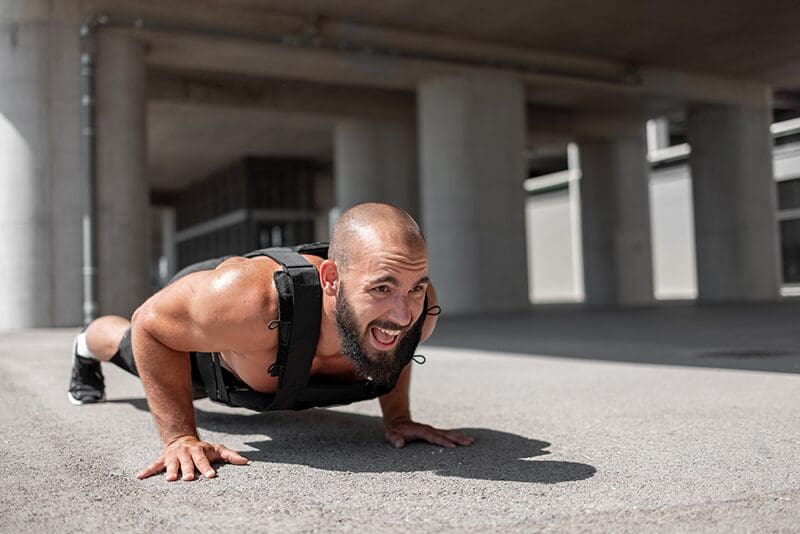
Compound movements like squats, deadlifts, presses, rows, and carries provide the greatest return on investment. These exercises stimulate large amounts of muscle mass, drive hormonal responses, and maintain neuromuscular efficiency.
Why Short Sessions Work
Short, focused training sessions reduce cortisol exposure while still providing an anabolic stimulus. Research shows that excessively long sessions increase catabolic signaling, particularly when combined with sleep deprivation and psychological stress.
Twenty to thirty minutes of high-quality training performed two to three times per week is enough to maintain strength during high-demand life phases.
Auto-Regulation Is Essential
New fathers experience fluctuating recovery capacity. Auto-regulation—adjusting training intensity based on daily readiness—is strongly supported by research.
Using rating of perceived exertion (RPE) or velocity-based feedback reduces injury risk and improves long-term strength outcomes. On days after poor sleep, slightly reducing load while maintaining movement quality preserves consistency without overreaching.
Strength Training Also Protects Mental Health
Resistance training significantly reduces symptoms of depression and anxiety, including in men experiencing life stress. Studies show improvements in self-efficacy, mood regulation, and stress resilience.
For new dads, training is not just physical maintenance—it is mental health protection.
3. Eat to Support Recovery, Not Just Calories
Nutrition often becomes chaotic during early fatherhood. Skipped meals, convenience food, and irregular eating patterns are common. This directly affects strength, energy, and recovery.
Protein Intake Is Non-Negotiable
Protein intake is the most important nutritional variable for preserving muscle mass during periods of stress and sleep deprivation.
Research shows that higher protein intake attenuates muscle protein breakdown and supports lean mass retention even when training volume is reduced. For resistance-trained individuals, intake around 1.6–2.2 grams per kilogram of bodyweight per day is consistently supported by evidence.

Protein also improves satiety, stabilizes blood glucose, and supports immune function—all critical for new dads operating on limited sleep.
Meal Timing Matters More Than Perfection
Distributing protein evenly across meals improves muscle protein synthesis. Studies show that consuming 25–40 grams of high-quality protein per meal maximizes anabolic signaling.
This does not require perfect planning. Simple strategies include:
- Protein-rich breakfast
- High-protein snacks
- Prioritizing protein at each meal before carbohydrates or fats
Carbohydrates Support Performance and Mood
Low carbohydrate intake combined with sleep deprivation increases fatigue and irritability. Carbohydrates support glycogen replenishment, reduce perceived exertion during training, and help regulate serotonin production.
Research links adequate carbohydrate intake to improved cognitive performance and mood stability—both critical for emotional regulation as a new parent.
Micronutrients and Stress
Chronic stress increases micronutrient requirements, particularly magnesium, zinc, and B vitamins. Deficiencies in these nutrients are associated with fatigue, impaired recovery, and reduced testosterone levels.
While supplementation can help, prioritizing nutrient-dense foods provides the strongest evidence-based approach.
4. Manage Stress Like You Manage Load
Fatherhood introduces a unique blend of emotional, psychological, and logistical stress. Unmanaged stress undermines strength gains even if training and nutrition are solid.
Stress Physiology and Strength Loss
Chronic psychological stress elevates cortisol levels, which suppresses testosterone, reduces muscle protein synthesis, and increases fat storage. Studies show that men under prolonged stress experience reductions in strength and lean mass independent of training.
Stress also impairs motor control and increases injury risk.
Simple Stress-Reduction Tools That Work
Research-backed stress management does not require long meditation sessions or retreats.
Controlled breathing techniques have strong evidence for reducing sympathetic nervous system activation. Slow nasal breathing with extended exhalations reduces heart rate and cortisol levels within minutes.
Brief mindfulness practices improve emotional regulation and reduce perceived stress. Even five minutes per day has measurable effects in randomized controlled trials.
Regular physical activity itself is one of the most effective stress reducers, creating a positive feedback loop when training is managed properly.
Social Support Is a Performance Enhancer
Studies consistently show that social support buffers stress responses and improves mental health outcomes. Talking openly with other fathers, partners, or trusted friends reduces perceived stress and improves coping capacity.
Strength is not built in isolation—mentally or physically.
5. Redefine Strength for This Phase of Life
Strength during early fatherhood looks different. Science supports a broader definition that includes resilience, consistency, and long-term health.
Injury Prevention Is Strength Preservation
New dads experience high rates of lower back pain, shoulder pain, and overuse injuries from repetitive lifting and awkward postures.
Resistance training that emphasizes posterior chain strength, core stability, and scapular control significantly reduces injury risk. Studies show that strength training is more effective than passive interventions for preventing and managing back pain.

Loaded carries, hinge patterns, and unilateral work have strong evidence for improving functional strength relevant to parenting tasks.
Consistency Beats Intensity
Longitudinal research shows that consistency over years matters far more than short bursts of intense effort. Fathers who maintain even modest training habits have significantly better metabolic health, cardiovascular fitness, and body composition later in life.
Strength is not lost in a few months—it is lost through abandonment of habits.
Being Strong Sets the Example
Children model parental behaviors. Research shows that active fathers are more likely to raise physically active children. Maintaining strength is not selfish—it shapes family health trajectories.
Strength Is Capacity, Not Appearance
Science increasingly emphasizes healthspan over aesthetics. Strength correlates with lower all-cause mortality, improved cognitive aging, and reduced risk of chronic disease.
For new dads, strength means having the capacity to lift, carry, protect, play, and stay present—now and decades from now.
Final Thoughts
Fatherhood does not require sacrificing strength. It requires adapting how strength is built and maintained.
Protecting sleep, training intelligently, eating to recover, managing stress, and redefining what strength means during this phase allows new dads to stay physically capable and mentally resilient.
Science is clear: small, consistent, well-directed habits preserve strength far more effectively than chasing perfection.
Bibliography
- Journal of Clinical Endocrinology & Metabolism, Spiegel, K., Leproult, R. and Van Cauter, E., 1999. Impact of sleep debt on metabolic and endocrine function.
- Sports Medicine, Reilly, T. and Piercy, M., 1994. The effect of partial sleep deprivation on weight-lifting performance.
- Journal of Strength and Conditioning Research, Bickel, C.S., Cross, J.M. and Bamman, M.M., 2011. Exercise dosing to retain resistance training adaptations in young and older adults.
- Medicine & Science in Sports & Exercise, Morton, R.W. et al., 2018. Protein intake to maximize resistance training–induced gains.
- Psychoneuroendocrinology, Hackney, A.C., 2006. Stress and the neuroendocrine system.
- British Journal of Sports Medicine, Gordon, B.R. et al., 2018. Resistance exercise training for anxiety and depression.