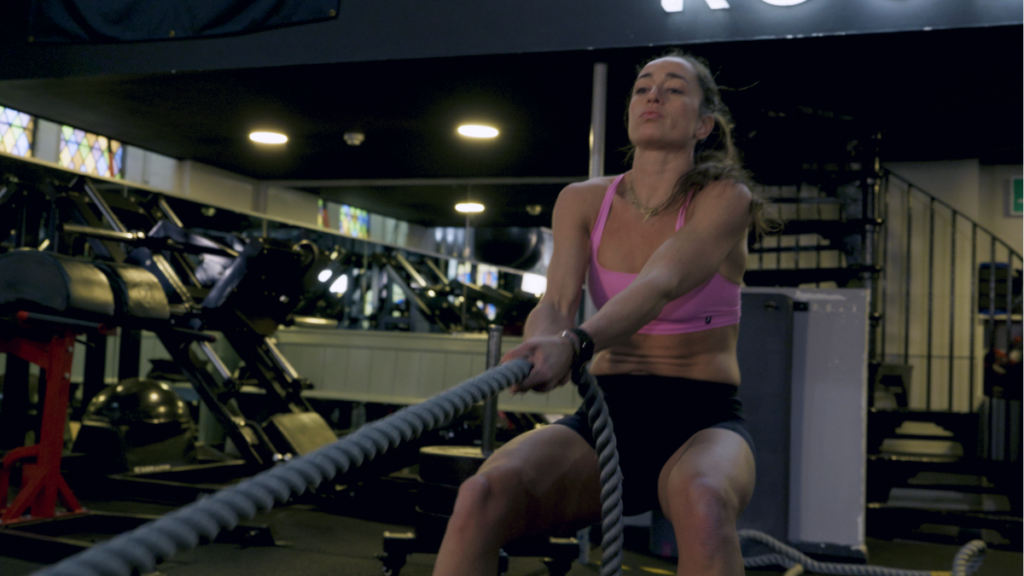
When life hits you with something truly traumatic, it often feels like your mind and body have disconnected. The world becomes a blur of stress, and even the simple act of existing can feel exhausting.
While we usually think of exercise as a way to “get fit,” it is increasingly being recognized as a vital tool for stitching those broken pieces back together. In the wake of a traumatic experience, the brain’s “fight or flight” system can get stuck in the “on” position. This leaves you in a state of constant anxiety or numbing depression as your body remains on high alert.


Movement, whether it’s a brisk walk, a heavy lifting session, or a rhythmic yoga flow, acts as a natural circuit breaker. It provides a healthy outlet for the physical tension that trauma leaves behind in our muscles and nervous systems.
Understanding how to use exercise safely and effectively after trauma can help survivors rebuild their lives with greater strength and resilience.
The Neuroscience of Trauma and Movement
Trauma fundamentally alters brain function, keeping the amygdala on high alert while shrinking the hippocampus. This creates a persistent sense of threat that characterizes post-traumatic stress.
According to the WHO, around 70% of people globally will experience a potentially traumatic event, yet only 3.9% develop chronic PTSD. However, this risk triples for those exposed to violent conflict or sexual violence.
Exercise directly counteracts these neurological changes. Physical activity reduces amygdala activation and regulates the autonomic nervous system, which often becomes stuck in hyperarousal or dissociation after trauma. Rhythmic, repetitive movements like walking, swimming, or cycling are particularly effective.
These activities act as a physiological reset, releasing endorphins that naturally lower anxiety. By improving prefrontal cortex function, movement helps survivors transition from a state of constant survival into one of balance and emotional regulation.
Start Slowly and Honor Your Limits
After trauma, well-meaning advice to “just exercise” can feel overwhelming or even triggering. The approach matters enormously. Beginning with just five to ten minutes of gentle movement daily is sufficient and often more sustainable than ambitious workout plans.
Walking in nature, stretching at home, or following beginner yoga videos allows you to maintain control over your environment and pace. It’s essential to recognize that some days will feel harder than others, and that’s completely normal in trauma recovery.
Pushing through distress or ignoring your body’s signals can reinforce trauma patterns rather than heal them. Instead, practice listening to your limits, adjusting intensity based on how you feel, and celebrating small victories like completing a short walk or trying a new movement.
Choose the Exercise That Supports Your Recovery
Choosing the right exercise is vital because different movements offer distinct healing benefits. Aerobic activities like running or dancing discharge trapped fight-or-flight energy, while strength training rebuilds the physical empowerment that trauma often steals. Yoga is particularly transformative, as it refines self-regulation skills to maintain “homeostasis,” or brain-body equilibrium.
Evidence supports yoga as an effective PTSD treatment, helping survivors regain an increased sense of self-awareness and safety. Studies show that even in high-stress environments, practicing yoga can reduce stress by over 40% and significantly boost emotional resilience.
Whether through solitary movement or group sports, the goal is to experiment until you find what feels grounding.
Combine Exercise With Other Trauma Healing Modalities
Exercise works best when combined with other types of therapy, like talking with a counselor. However, finding a safe place for this care can be hard. The mental health industry has faced serious allegations, as highlighted by the UHS lawsuit. This case is important because it warns survivors that not every hospital is a safe space for healing.
According to TorHoerman Law, lawsuits claim that UHS-owned facilities failed to protect young patients from predators, even after many warnings. Instead of helping people recover from past trauma, these places allegedly allowed new harm to happen.
This is why survivors must be careful and speak up for themselves. If a large hospital doesn’t feel safe, you can look for other ways to heal, like peer support groups or trauma-informed yoga classes. Combining exercise with a community you trust ensures you aren’t fighting your battle alone and that your healing environment is actually helping you get better.
The Emerging Field of Trauma-Informed Physical Activity
Physical activity has massive healing potential, but traditional gyms can often feel exclusionary or even triggering. To fix this, a new “trauma-informed” approach is emerging in fitness. This means trainers and programs focus on empathy, clear boundaries, and meeting people exactly where they are in their healing journey.
Historically, many marginalized groups, including the LGBTQ+ community and people with disabilities, have felt judged or unsafe in exercise spaces. For these individuals, a bad gym experience can lead to further mental health struggles. Trauma-informed programs change the narrative by removing punitive measures and focusing on shared lived experiences.
By prioritizing safety and “considerate curiosity” over intense competition, the fitness world can stop being a source of stress. Instead, it becomes a genuine pathway to recovery where survivors feel empowered to reclaim their bodies without fear of judgment.
Measure Progress Beyond Physical Fitness
After trauma, measuring exercise success solely by physical metrics like weight loss or strength gains misses the deeper healing occurring. Instead, pay attention to shifts in sleep quality, reduced nightmares, a broader emotional range, and decreased hypervigilance. These indicators reflect true nervous system regulation and the integration of your experiences.
You might also notice improved relationships as you become more present, or a newfound willingness to try new things as your sense of safety expands. It is important to remember that progress is rarely linear. Setbacks are a normal part of the process and do not erase earlier gains.
A simple journal noting how you feel before and after movement helps you track patterns and celebrate genuine internal healing.
Frequently Asked Questions
How soon after a traumatic experience should I start exercising?
There’s no universal timeline. It depends on your physical and emotional state. Some people find gentle movement helpful immediately, while others need time before exercise feels safe. Start when you feel ready, beginning with very gentle activities, and consider consulting a trauma-informed therapist or healthcare provider for personalized guidance.
What if exercise triggers traumatic memories or panic attacks?
This is common and indicates you may need to modify your approach. Choose gentler activities, shorten sessions, exercise in spaces where you feel safe, and consider working with a trauma-informed professional. Grounding techniques, like focusing on your feet touching the ground, can help you stay present during movement.
Can exercise replace therapy for trauma recovery?
No. While exercise powerfully supports mental health, it shouldn’t replace professional trauma treatment. Exercise addresses physiological aspects of trauma but doesn’t provide the processing, cognitive restructuring, and support that evidence-based trauma therapies offer. The most effective approach combines both exercise and appropriate professional care for comprehensive healing.
Healing after trauma is not linear, but movement can be a powerful and supportive part of the journey. When approached with care, choice, and the right support systems, exercise helps restore balance, confidence, and connection. Ultimately, trauma-informed movement turns physical activity into a tool for empowerment, not pressure or harm.