Cake is woven into celebrations for good reasons: it tastes good, it signals reward, and it brings people together. From birthdays to competition milestones, it is often the default choice. The problem is not cake itself, but how frequently it is used and what it is made of. Most conventional cakes are built around refined flour, added sugars, and industrial fats.
This combination delivers a large glycemic load, low micronutrient density, and poor satiety relative to calories consumed.


Nutrition science does not suggest that pleasure should be removed from eating. Instead, it consistently shows that foods higher in fiber, protein, micronutrients, and beneficial fats are linked to better metabolic health, body composition, and long-term disease risk. That means it is possible to replace cake with options that still feel indulgent, while delivering far more nutritional value and fewer downsides.
This article explores three science-backed alternatives to cake. Each option satisfies the desire for sweetness and celebration while supporting health goals such as stable blood sugar, improved satiety, and better overall nutrient intake. Every claim is grounded in peer-reviewed research, and practical considerations are included so these alternatives are realistic for everyday life.
Why Traditional Cake Is a Problematic Default
Before looking at alternatives, it helps to understand why cake performs poorly from a health perspective.
Refined Sugar and Glycemic Load
Most cakes contain large amounts of sucrose or high-fructose corn syrup. These sugars are rapidly digested and absorbed, causing sharp spikes in blood glucose and insulin. Repeated exposure to high glycemic loads has been associated with insulin resistance, type 2 diabetes, and cardiovascular disease in observational and intervention studies.

High post-meal glucose excursions also promote hunger shortly after eating, as insulin drives glucose out of the bloodstream and into tissues. This contributes to overeating and poor appetite regulation.
Low Satiety per Calorie
Satiety is influenced by protein content, fiber, food volume, and texture. Cake is typically low in protein and fiber, meaning it delivers a lot of energy with minimal fullness. Research consistently shows that foods low in protein and fiber lead to higher total calorie intake across the day compared to more nutrient-dense options.
Poor Micronutrient Density
White flour and refined sugar contain few vitamins, minerals, or phytochemicals. While some cakes include eggs or dairy, the overall micronutrient profile is weak relative to calorie content. Over time, diets high in energy-dense, nutrient-poor foods are linked to micronutrient deficiencies even in people consuming excess calories.
For athletes and physically active individuals, this matters. Micronutrients such as magnesium, zinc, iron, and B vitamins are essential for energy metabolism, recovery, and immune function.
With this context, healthier alternatives should aim to improve blood sugar response, increase satiety, and deliver meaningful nutrients without removing enjoyment.
Alternative 1: Greek Yogurt Parfait with Fruit and Nuts
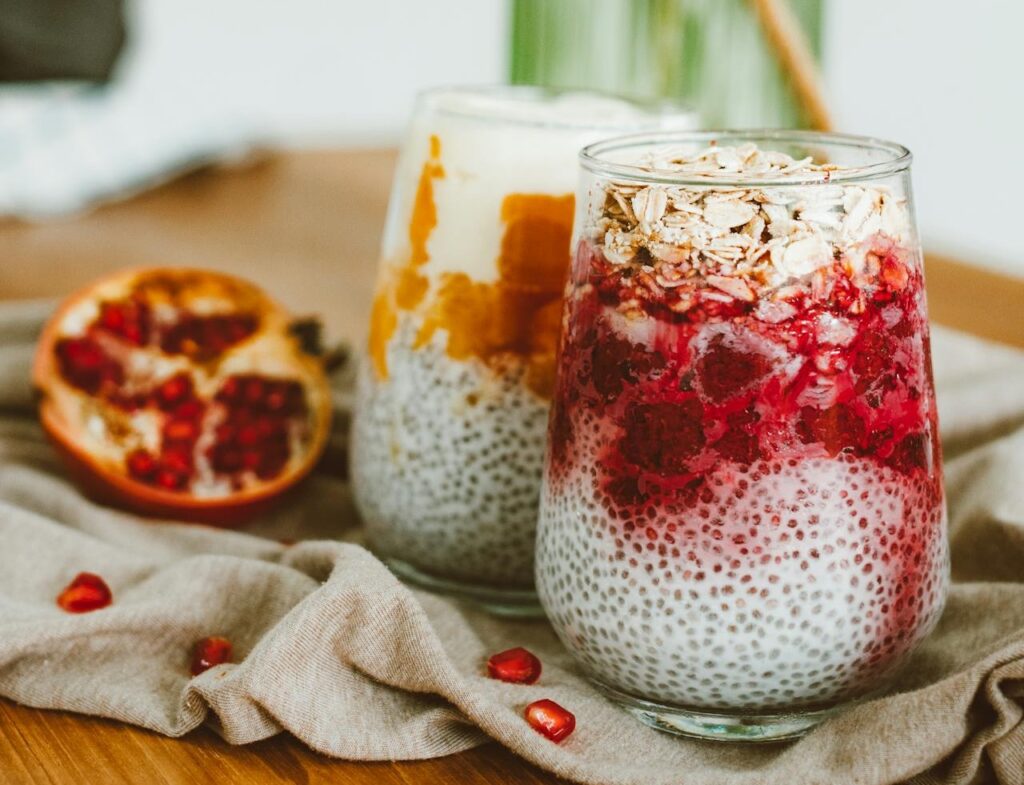
Greek yogurt parfaits are one of the most accessible and evidence-backed alternatives to cake. They combine protein, natural sweetness, healthy fats, and fiber in a format that still feels like a treat.
Why Greek Yogurt Works
Greek yogurt is produced by straining regular yogurt to remove whey, resulting in a thicker texture and higher protein concentration. Protein is the most satiating macronutrient and plays a central role in appetite regulation.
Randomized controlled trials show that higher-protein snacks reduce hunger and delay subsequent eating compared to high-carbohydrate, low-protein options with similar calorie content. Protein also supports muscle protein synthesis, which is especially relevant for active populations.
Greek yogurt is also a rich source of calcium and probiotics. Calcium intake has been linked to improved bone health and may play a modest role in body fat regulation. Probiotics contribute to gut health, which emerging research links to metabolic and immune function.
The Role of Fruit
Fruit adds sweetness without relying on refined sugar. Whole fruits contain fiber, water, vitamins, minerals, and polyphenols. Fiber slows gastric emptying and glucose absorption, resulting in a lower glycemic response compared to fruit juice or sugar-sweetened desserts.
Epidemiological studies consistently show that higher whole fruit consumption is associated with lower risk of type 2 diabetes and cardiovascular disease, despite the natural sugar content. This protective effect is attributed to fiber and bioactive compounds.

Berries are particularly effective in parfaits. They are lower in sugar than many fruits and rich in anthocyanins, which have antioxidant and anti-inflammatory properties.
Nuts and Healthy Fats
Adding nuts introduces unsaturated fats, protein, and additional fiber. Nuts have been shown to improve lipid profiles, reduce inflammation, and increase satiety when included in balanced diets.
Contrary to outdated beliefs, regular nut consumption is not associated with weight gain when eaten in controlled portions. In fact, intervention studies often show improved body composition, likely due to increased satiety and incomplete fat absorption.
Blood Sugar and Metabolic Benefits
Combining protein, fat, and fiber significantly reduces the glycemic response of a meal. Studies comparing mixed meals to carbohydrate-only foods demonstrate lower postprandial glucose and insulin levels, which is beneficial for metabolic health.
This makes a Greek yogurt parfait a far better option than cake for individuals managing blood sugar, training volume, or body composition.
Practical Use as a Cake Replacement
Greek yogurt parfaits work well for birthdays, post-workout treats, or shared meals. They can be prepared in advance, customized for dietary preferences, and scaled easily for groups. When served in glass bowls or jars, they maintain a celebratory feel without the metabolic drawbacks of cake.
Alternative 2: Dark Chocolate with Fruit and Seeds
Chocolate does not need to be eliminated to eat well. The key is choosing the right type and pairing it intelligently.
Why Dark Chocolate Is Different
Dark chocolate with a high cocoa content contains significantly less sugar and more bioactive compounds than milk chocolate or cake-based desserts. Cocoa is rich in flavanols, which have been extensively studied for cardiovascular and metabolic benefits.
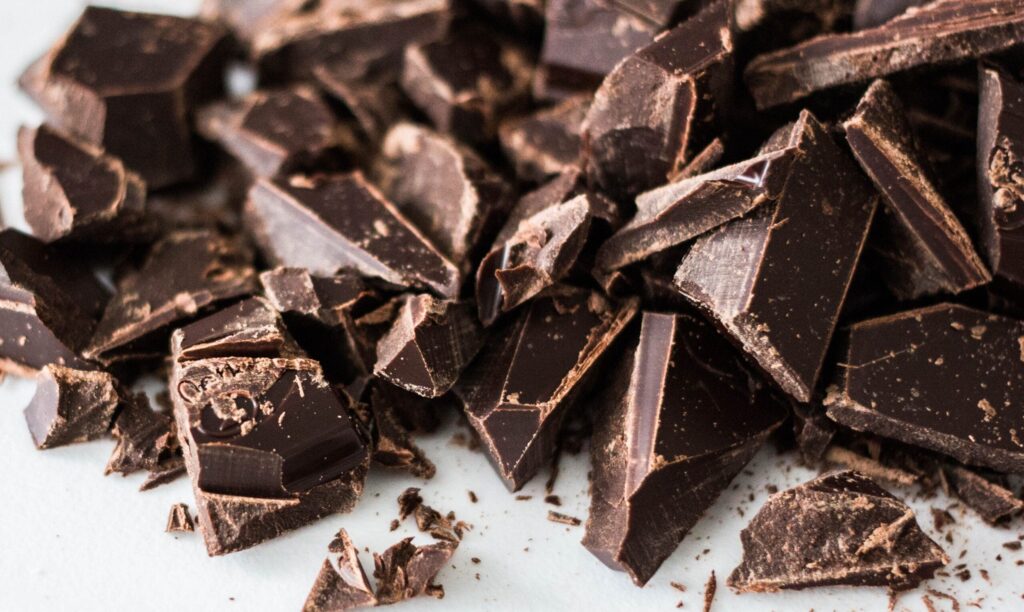
Controlled trials show that cocoa flavanols improve endothelial function, lower blood pressure, and enhance insulin sensitivity. These effects are dose-dependent and more pronounced in products with higher cocoa percentages and lower sugar content.
Antioxidant and Anti-Inflammatory Effects
Cocoa flavanols have antioxidant properties, reducing oxidative stress markers in the body. Chronic inflammation and oxidative stress are implicated in cardiovascular disease, neurodegeneration, and metabolic disorders.
Regular consumption of flavanol-rich cocoa has been associated with reduced inflammation markers such as C-reactive protein in some populations.
Pairing with Fruit
Combining dark chocolate with fruit enhances both taste and nutritional value. Fruit adds fiber and micronutrients, while the sweetness reduces the need for added sugar. Strawberries, oranges, and raspberries pair particularly well and contribute vitamin C and polyphenols.
Vitamin C may also help regenerate oxidized flavonoids, potentially enhancing antioxidant capacity.
Adding Seeds for Nutrient Density
Seeds such as chia, flax, or pumpkin seeds contribute omega-3 fatty acids, magnesium, zinc, and fiber. Omega-3 intake is associated with reduced inflammation and improved cardiovascular health.
Flaxseed, in particular, contains lignans that have been linked to improved lipid profiles and glycemic control in clinical studies.
Satiety and Portion Control
Dark chocolate is more satiating than milk chocolate or cake due to its fat content and intense flavor. Studies show that individuals consume fewer calories when eating dark chocolate compared to sweeter chocolate varieties.
This makes it easier to enjoy without overconsumption, which is one of the main problems with traditional desserts.
Practical Use as a Cake Replacement
A dark chocolate and fruit platter works well for celebrations where people prefer smaller portions or variety. It fits easily into social settings, requires minimal preparation, and aligns well with performance-focused nutrition goals.
Alternative 3: Baked Oat and Banana Slices
For those who want something closer to a traditional baked dessert, oat and banana-based slices provide a strong middle ground.

Why Oats Are Superior to Refined Flour
Oats are a whole grain rich in beta-glucan fiber. Beta-glucan has been shown to lower LDL cholesterol, improve glycemic control, and increase satiety.
Compared to refined wheat flour, oats produce a slower rise in blood glucose and insulin. This is particularly relevant for athletes and active individuals who want steady energy rather than rapid spikes and crashes.
Oats also provide magnesium, iron, and B vitamins, which are critical for energy metabolism.
Bananas as a Natural Sweetener
Ripe bananas add sweetness and moisture without refined sugar. They contain fiber, potassium, and bioactive compounds that support cardiovascular health.
While bananas do contain sugar, their fiber content and structure result in a more moderate glycemic response than table sugar. When combined with oats and protein sources, this effect is further moderated.
Protein and Fat Additions
Including eggs, Greek yogurt, or nut butter increases protein and fat content. As discussed earlier, this improves satiety and stabilizes blood sugar.
Protein-enriched baked goods have been shown to reduce appetite and total daily calorie intake compared to low-protein versions.
Micronutrient Density and Training Support
Baked oat and banana slices deliver more micronutrients per calorie than cake. Potassium supports muscle function and fluid balance, while magnesium plays a role in muscle contraction and recovery.
For individuals training frequently, replacing cake with this option can contribute to meeting daily nutrient requirements rather than displacing them.
Practical Use as a Cake Replacement
These slices can be baked in advance, cut into portions, and served at events or kept on hand for post-training snacks. They feel familiar and comforting while delivering far more nutritional value than conventional cake.
Psychological and Behavioral Benefits of Healthier Desserts
Healthier alternatives to cake do more than improve nutrient intake. They also support better long-term eating behaviors.
Reduced All-or-Nothing Thinking
Research in behavioral nutrition shows that restrictive eating patterns often backfire, leading to cycles of deprivation and overeating. Offering satisfying alternatives helps maintain flexibility without compromising health goals.
Improved Relationship with Sweet Foods
When sweets are paired with protein, fiber, and micronutrients, they become part of a balanced diet rather than a guilt-driven indulgence. This approach is associated with better adherence to healthy eating patterns over time.
Better Energy and Recovery
Stable blood sugar and adequate nutrient intake support consistent energy levels, training quality, and recovery. Replacing cake with nutrient-dense alternatives contributes to these outcomes without removing enjoyment.
Choosing the Right Alternative for the Situation
No single option is perfect for every context. The best alternative depends on personal preferences, training demands, and social settings.
Greek yogurt parfaits are ideal for high-protein needs and quick preparation. Dark chocolate and fruit work well for minimal prep and portion control. Baked oat and banana slices are best when a traditional baked dessert is expected.
The unifying principle is improving nutrient density and metabolic response while preserving pleasure.
Conclusion
Cake is not inherently evil, but it is a poor default choice for frequent celebrations and treats. Nutrition science consistently supports replacing refined, sugar-heavy foods with options that provide protein, fiber, healthy fats, and micronutrients.
Greek yogurt parfaits, dark chocolate with fruit and seeds, and baked oat and banana slices each offer evidence-backed benefits for blood sugar control, satiety, cardiovascular health, and overall nutrient intake. They satisfy the desire for sweetness and celebration while aligning with long-term health and performance goals.
Choosing healthier alternatives does not mean sacrificing enjoyment. It means making smarter substitutions that support both physical health and a sustainable relationship with food.
References
- American Journal of Clinical Nutrition. (2010). Dietary protein and appetite regulation.
- British Journal of Nutrition. (2011). The role of dairy protein in satiety and body weight control.
- Journal of Nutrition. (2013). Berry consumption and metabolic health.
- Circulation. (2006). Cocoa flavanols and cardiovascular function.
- American Journal of Clinical Nutrition. (2012). Effects of nuts on body weight and metabolic health.