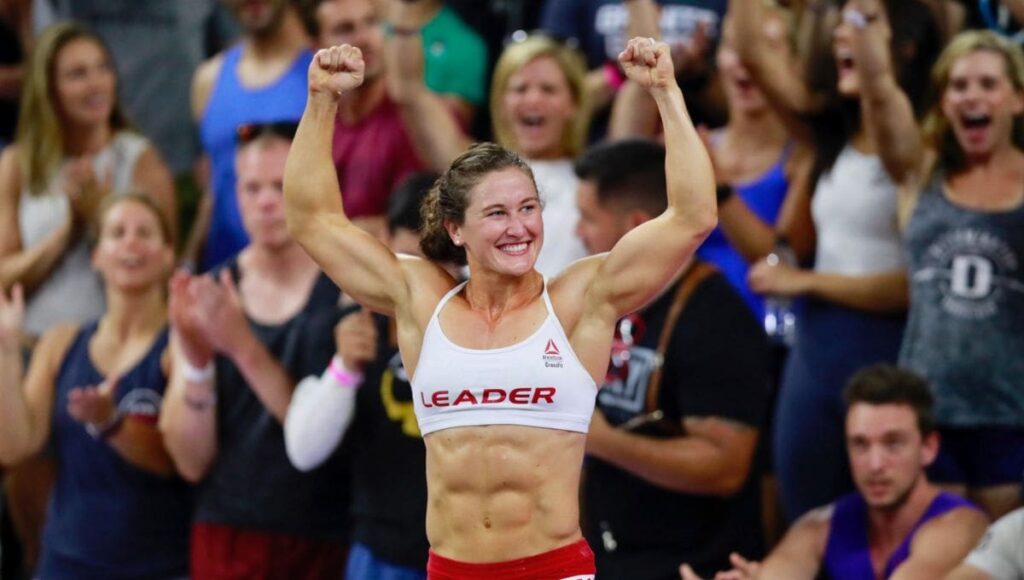
Visible, strong abs are often treated as a purely aesthetic goal. In reality, well-developed abdominal muscles are fundamental for performance, injury prevention, and efficient movement in sport and daily life.
Research consistently shows that the core — including the rectus abdominis, internal and external obliques, transverse abdominis, and deep stabilizers — plays a central role in force transfer between the upper and lower body, spinal stability, and load management during complex movements.


While bodyweight exercises like crunches and planks have their place, weighted exercises provide a powerful stimulus for hypertrophy and strength when applied correctly. External load increases mechanical tension, one of the primary drivers of muscle growth, and can improve neuromuscular recruitment when combined with proper technique.
This article breaks down five of the most effective weighted exercises for building strong, functional, and visually impressive abs. Each exercise is explained with clear technique cues, programming advice, and scientific evidence supporting its effectiveness. No fluff, no gimmicks — just what works.
Why Train Abs with Weights?
Before diving into the exercises, it is important to understand why loading the abs matters.
Mechanical tension is a key mechanism of muscle hypertrophy, alongside metabolic stress and muscle damage. Studies on resistance training consistently show that progressive overload — gradually increasing resistance — is essential for continued muscle growth. The abdominal muscles are no exception.
Electromyography (EMG) research demonstrates that adding load to trunk exercises significantly increases muscle activation compared to bodyweight variations alone. Furthermore, the abs are predominantly composed of type II muscle fibers, which respond particularly well to higher intensities and external resistance.
Weighted ab training also improves spinal stiffness and motor control, which are strongly associated with reduced injury risk and improved athletic performance.
Exercise 1: Weighted Hanging Leg Raise

Why It Works
The hanging leg raise is one of the most demanding core exercises available. Adding weight dramatically increases the challenge by extending the lever arm and increasing hip flexion torque. This movement heavily targets the lower fibers of the rectus abdominis while also engaging the hip flexors, obliques, and deep stabilizers.
EMG studies have shown that hanging leg raises produce significantly higher rectus abdominis activation than traditional crunch variations, particularly when performed with posterior pelvic tilt at the top of the movement.
Muscles Trained
- Rectus abdominis
- Internal and external obliques
- Iliopsoas and rectus femoris
- Forearm and grip musculature (isometric)
How to Perform It Correctly
Start by hanging from a pull-up bar with a firm, shoulder-width grip. Engage your lats slightly to stabilize the shoulders and prevent excessive swinging. Attach a light dumbbell between the feet or use ankle weights once bodyweight reps are mastered.
Initiate the movement by tilting the pelvis posteriorly, not by swinging the legs. Raise the legs until the thighs are at least parallel to the floor. For advanced lifters, raise the feet to the bar while maintaining control. At the top, actively curl the pelvis upward to maximize abdominal engagement.
Lower the legs slowly under control, resisting gravity throughout the descent.
Programming Guidelines
- Load: Start light (2.5–5 kg) and progress gradually
- Reps: 6–12 per set
- Sets: 3–5
- Rest: 90–120 seconds
Research suggests that controlled eccentric phases increase muscle hypertrophy, so avoid dropping the legs quickly.
Exercise 2: Weighted Cable Crunch
Why It Works
The cable crunch allows for direct spinal flexion against resistance, closely matching the primary function of the rectus abdominis. Unlike floor crunches, the resistance curve remains consistent throughout the movement, leading to higher overall muscle activation.

Studies using EMG analysis have consistently ranked cable crunches among the highest-activating exercises for the rectus abdominis, particularly when heavy loads are used with proper technique.
Muscles Trained
- Rectus abdominis
- Internal obliques
- Transverse abdominis (isometric stabilization)
How to Perform It Correctly
Set a cable machine with a rope attachment at the highest setting. Kneel facing the machine and hold the rope handles beside your head. Keep the hips fixed and focus on flexing the spine rather than pulling with the arms.
Initiate the movement by bracing the core and curling the ribcage down toward the pelvis. Exhale forcefully as you crunch, then slowly return to the starting position while maintaining tension in the abs.
Avoid excessive hip flexion, which shifts load away from the abdominals.
Programming Guidelines
- Load: Moderate to heavy (challenging by rep 8–10)
- Reps: 8–15
- Sets: 3–4
- Rest: 60–90 seconds
Heavier loads with lower reps are effective for hypertrophy, provided technique remains strict.
Exercise 3: Barbell Rollout
Why It Works
The barbell rollout is an advanced anti-extension exercise that heavily recruits the rectus abdominis, obliques, and transverse abdominis. Unlike static planks, rollouts challenge the abs dynamically under increasing lever length, which dramatically raises torque at the spine.
Biomechanical research shows that rollout variations produce greater abdominal activation than planks, particularly in the later phases of the movement where spinal extension torque is highest.
Muscles Trained
- Rectus abdominis
- Transverse abdominis
- Internal and external obliques
- Latissimus dorsi (isometric)
- Hip flexors (stabilization)
How to Perform It Correctly
Load a barbell with round plates and start in a kneeling position. Grip the bar just outside shoulder width. Brace the core hard and slowly roll the bar forward, keeping the spine neutral and hips extended.
Lower until you feel you are at the limit of control without arching the lower back. Pause briefly, then pull the bar back toward your knees by contracting the abs, not by pushing with the hips.
As strength improves, small weight increases can be added to the bar to further overload the movement.
Programming Guidelines
- Load: Bodyweight plus light barbell load if needed
- Reps: 5–10
- Sets: 3–5
- Rest: 120 seconds
Quality matters more than quantity. Even small deviations in form significantly reduce abdominal engagement.
Exercise 4: Weighted Russian Twist
Why It Works
Rotational strength is a critical but often neglected component of core training. The weighted Russian twist targets the obliques through transverse plane movement, which is essential for sports performance and spinal resilience.

Research indicates that loaded rotational exercises produce high oblique activation and improve trunk rotational power when performed with controlled tempo and appropriate load.
Muscles Trained
- External obliques
- Internal obliques
- Rectus abdominis (isometric)
- Hip flexors (stabilization)
How to Perform It Correctly
Sit on the floor with knees bent and heels lightly touching the ground. Hold a dumbbell, kettlebell, or weight plate close to the chest. Lean back slightly to engage the abs while keeping the spine long.
Rotate the torso slowly from side to side, moving the weight toward the floor beside each hip. The movement should come from the trunk, not the arms. Keep the rotation controlled and avoid excessive speed.
For advanced athletes, lifting the feet off the floor increases difficulty and abdominal demand.
Programming Guidelines
- Load: Moderate
- Reps: 16–30 total twists
- Sets: 3–4
- Rest: 60–90 seconds
Studies suggest that slower tempos increase muscle activation during rotational movements.
Exercise 5: Weighted Front Plank
Why It Works
The plank is often dismissed as too easy, but when properly loaded it becomes a potent hypertrophy and strength tool. Adding external load increases spinal compression and shear forces, requiring higher abdominal activation to maintain neutral alignment.
Research comparing loaded and unloaded planks shows significantly greater rectus abdominis and oblique activation when weight is added to the upper back.
Muscles Trained
- Rectus abdominis
- Transverse abdominis
- Internal and external obliques
- Gluteus maximus (isometric)
- Spinal erectors (co-contraction)
How to Perform It Correctly
Assume a standard forearm plank position with elbows under shoulders and body in a straight line. Have a training partner place a weight plate on the mid-back, not the lower spine.
Brace the core, squeeze the glutes, and maintain neutral spinal alignment. Breathe shallowly while keeping tension high. End the set when posture begins to deteriorate.
Programming Guidelines
- Load: Light to heavy depending on experience
- Time: 20–60 seconds
- Sets: 3–5
- Rest: 60–90 seconds
Long-duration sets with load are effective, but quality tension is more important than time.
How to Program Weighted Ab Training for Best Results
Scientific literature suggests that the abs respond well to similar training principles as other skeletal muscles. Training frequency of two to four sessions per week appears optimal for hypertrophy when volume is managed appropriately.
Key programming principles include:
- Progressive overload through added weight or increased time under tension
- Controlled eccentric phases
- Full recovery between hard sessions
- Adequate protein intake and overall energy availability
Visible abs also depend heavily on body fat levels. While direct fat loss from ab exercises is a myth, resistance training combined with appropriate nutrition supports favorable body composition changes.
Common Mistakes to Avoid
One of the most common errors in weighted ab training is using excessive load with poor technique. Research shows that compensatory hip flexion and spinal extension dramatically reduce rectus abdominis activation.
Another frequent mistake is neglecting breathing. Proper exhalation during spinal flexion increases intra-abdominal pressure and enhances muscle recruitment.
Finally, many lifters train abs with extremely high reps and low load. While endurance has value, hypertrophy and strength require sufficient resistance.
Final Thoughts
Building great abs with weights is not about endless crunches or flashy movements. It is about applying fundamental resistance training principles to the core muscles with intent and precision.
The five exercises covered here are supported by biomechanics and scientific research and have stood the test of time in strength training and athletic performance settings. When performed consistently, progressively, and with proper nutrition, they can forge abs that are not only visible but genuinely strong and functional.
Bibliography
- Journal of Strength and Conditioning Research, Escamilla, R.F. et al. (2010) ‘Core muscle activation during Swiss ball and traditional abdominal exercises’, 24(9), pp. 2468–2477.
- Journal of Sports Sciences, Schoenfeld, B.J. (2010) ‘The mechanisms of muscle hypertrophy and their application to resistance training’, 28(3), pp. 285–297.
- European Journal of Applied Physiology, Behm, D.G. et al. (2010) ‘Trunk muscle activation during stability ball and free weight exercises’, 110(5), pp. 1039–1046.
- Journal of Biomechanics, McGill, S.M. (2010) ‘Core training: Evidence translating to better performance and injury prevention’, 43(1), pp. 54–59.
- Sports Biomechanics, Axler, C.T. and McGill, S.M. (1997) ‘Low back loads over a variety of abdominal exercises: Searching for the safest abdominal challenge’, 12(2), pp. 75–83.