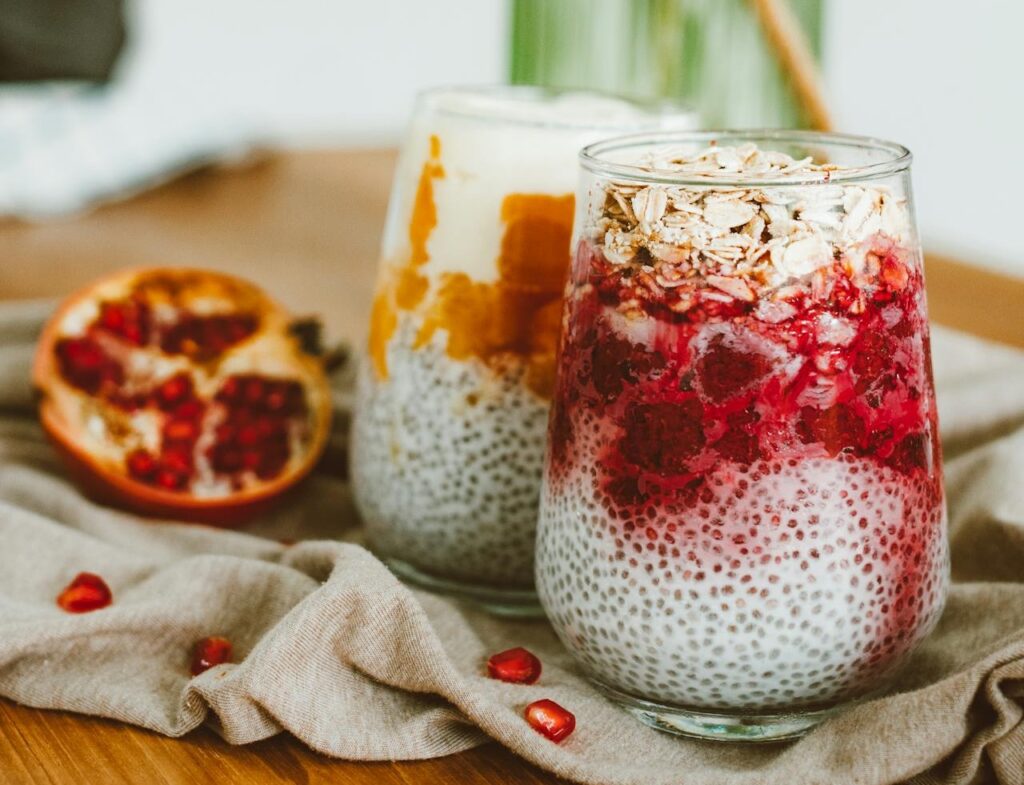
Whole foods have become a buzzword in nutrition, but the science behind them is far more substantial than any trend. At their core, whole foods are foods that are minimally processed and as close as possible to their natural state. Think vegetables, fruits, whole grains, legumes, nuts, seeds, eggs, fish, and unprocessed meats.
Modern diets, especially in Western countries, rely heavily on ultra-processed foods that are high in refined sugars, industrial fats, sodium, and additives. A growing body of scientific evidence shows that shifting back toward whole foods can have profound effects on health, performance, and longevity.


This article breaks down 10 evidence-based benefits of eating more whole foods. Each claim is supported by peer-reviewed research, explained in clear language, and focused on practical health outcomes.
1. Improved Nutrient Density and Overall Nutrition
Whole Foods Provide More Vitamins and Minerals Per Calorie
Whole foods are naturally rich in essential vitamins and minerals. Fruits and vegetables provide vitamin C, folate, potassium, magnesium, and hundreds of phytochemicals. Whole grains offer B vitamins, iron, zinc, and magnesium, while nuts and seeds supply healthy fats, vitamin E, and trace minerals.

Research consistently shows that diets emphasizing whole foods have significantly higher micronutrient density compared to diets high in ultra-processed foods. Ultra-processed foods often provide calories without adequate nutrients, a phenomenon known as “empty calories” (Monteiro et al., 2018).
Reduced Risk of Nutrient Deficiencies
Large population studies show that people who eat more whole foods are less likely to be deficient in key nutrients such as magnesium, potassium, vitamin A, and vitamin C (Reedy et al., 2014). These deficiencies are common in diets high in refined grains, sugary snacks, and fast food.
Adequate micronutrient intake is essential for immune function, energy metabolism, hormone production, and tissue repair, making whole foods foundational to long-term health.
2. Better Blood Sugar Control and Insulin Sensitivity
Slower Digestion Leads to Stable Blood Glucose
Whole foods contain intact fiber and complex carbohydrate structures that slow digestion and glucose absorption. This results in smaller blood sugar spikes compared to refined carbohydrates such as white bread, pastries, or sugary drinks.

Clinical trials show that diets rich in whole grains, legumes, and vegetables significantly improve post-meal blood glucose control in both healthy individuals and those with type 2 diabetes (Livesey et al., 2019).
Reduced Risk of Type 2 Diabetes
Large cohort studies involving hundreds of thousands of participants demonstrate that higher intake of whole grains and minimally processed plant foods is associated with a lower risk of developing type 2 diabetes (Hu et al., 2012). In contrast, high intake of refined grains and sugary foods is strongly linked to insulin resistance.
Stable blood sugar improves energy levels, reduces cravings, and supports long-term metabolic health.
3. Improved Digestive Health and Gut Microbiome Diversity
Fiber Feeds Beneficial Gut Bacteria
Whole foods are the primary source of dietary fiber, which humans cannot digest but gut bacteria can. Fiber fermentation in the colon produces short-chain fatty acids such as butyrate, which support gut lining integrity and reduce inflammation.
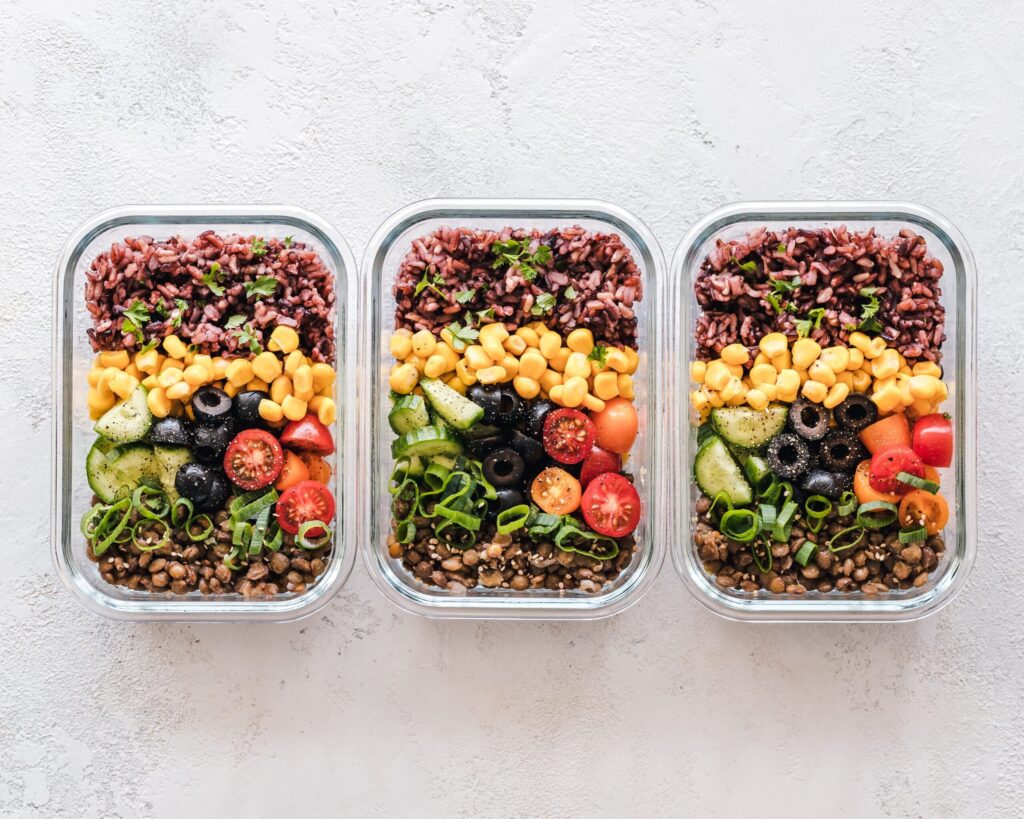
Studies show that diets high in whole plant foods significantly increase gut microbiome diversity, a key marker of gut health (De Filippo et al., 2010). Greater diversity is associated with improved immune function and reduced risk of chronic disease.
Reduced Risk of Digestive Disorders
Higher fiber intake from whole foods is associated with lower risk of constipation, diverticular disease, and colorectal cancer (Aune et al., 2011). Fiber also helps regulate bowel movements and supports a healthy intestinal environment.
4. Lower Chronic Inflammation
Whole Foods Contain Anti-Inflammatory Compounds
Fruits, vegetables, nuts, seeds, olive oil, and fish are rich in polyphenols, carotenoids, and omega-3 fatty acids. These compounds have well-documented anti-inflammatory effects.

Randomized controlled trials show that diets based on whole foods, such as the Mediterranean diet, significantly reduce inflammatory markers including C-reactive protein (CRP) and interleukin-6 (Estruch et al., 2018).
Reduced Disease Risk Through Inflammation Control
Chronic low-grade inflammation is a major driver of heart disease, type 2 diabetes, cancer, and neurodegenerative conditions. By reducing inflammatory load, whole food diets help lower the risk of these diseases at a systemic level.
5. Better Heart Health and Lower Cardiovascular Risk
Improved Cholesterol Profiles
Whole foods, particularly soluble fiber from oats, legumes, fruits, and vegetables, help lower LDL cholesterol by binding bile acids in the gut. Nuts and seeds also improve lipid profiles by increasing HDL cholesterol.
Meta-analyses show that diets high in whole grains and plant foods are associated with significantly lower total and LDL cholesterol levels (Soliman, 2019).
Reduced Risk of Heart Disease and Stroke
Large-scale epidemiological studies consistently show that people who eat more whole foods have lower rates of cardiovascular disease and stroke. The Nurses’ Health Study and Health Professionals Follow-Up Study found that replacing refined carbohydrates with whole grains reduced heart disease risk by up to 30 percent (Hu et al., 2012).
6. Improved Body Composition and Weight Management
Higher Satiety and Reduced Calorie Intake
Whole foods are more filling due to their fiber, protein, and water content. This leads to increased satiety and naturally lower calorie intake without deliberate restriction.
Controlled feeding studies demonstrate that people eating whole foods consume fewer calories and lose more fat than those eating ultra-processed diets, even when macronutrients are matched (Hall et al., 2019).
Sustainable Fat Loss Without Extreme Dieting
Whole foods support weight management without the metabolic slowdown often seen in restrictive diets. They promote stable energy levels, reduce cravings, and help preserve lean muscle mass when combined with resistance training.
7. Enhanced Athletic Performance and Recovery
Better Energy Availability
Whole foods provide complex carbohydrates, quality protein, and essential fats needed for training performance. Whole grains, fruits, and starchy vegetables replenish glycogen stores more effectively than refined sugars when paired with fiber and micronutrients.
Athletes consuming whole-food-based diets show improved endurance, faster recovery, and reduced markers of oxidative stress (Nebl et al., 2019).
Reduced Muscle Damage and Faster Recovery
Antioxidants and anti-inflammatory compounds from whole foods help reduce exercise-induced muscle damage. Foods rich in polyphenols, such as berries and leafy greens, have been shown to improve recovery and reduce delayed-onset muscle soreness.
8. Improved Mental Health and Cognitive Function
Nutrient Support for Brain Health
The brain requires a steady supply of glucose, omega-3 fatty acids, B vitamins, iron, and antioxidants. Whole foods provide these nutrients in balanced forms that support neurotransmitter production and neural signaling.

Observational studies show that diets high in whole foods are associated with lower rates of depression and anxiety, while ultra-processed food intake is linked to poorer mental health outcomes (Jacka et al., 2017).
Reduced Risk of Cognitive Decline
Long-term studies indicate that whole-food dietary patterns are associated with slower cognitive decline and reduced risk of Alzheimer’s disease. Anti-inflammatory and antioxidant compounds appear to protect neurons and support vascular health in the brain.
9. Lower Risk of Cancer
Protective Effects of Fiber and Phytochemicals
Whole foods contain bioactive compounds that help regulate cell growth, DNA repair, and detoxification pathways. Fiber reduces exposure of the gut lining to carcinogens by speeding transit time.
Meta-analyses show that higher intake of whole grains, fruits, and vegetables is associated with lower risk of colorectal, breast, and gastrointestinal cancers (Aune et al., 2011).
Reduced Exposure to Harmful Additives
Ultra-processed foods often contain additives, emulsifiers, and preservatives that may negatively affect gut health and inflammation. Reducing intake of these foods lowers exposure to potentially harmful compounds linked to increased cancer risk (Monteiro et al., 2018).
10. Longer Lifespan and Reduced Risk of Premature Death
Whole Food Diets Are Linked to Longevity
Multiple large cohort studies show that people who eat more whole foods live longer and have lower all-cause mortality. Higher intake of whole grains, fruits, vegetables, nuts, and legumes is consistently associated with reduced risk of premature death (Reedy et al., 2014).
Cumulative Benefits Across Body Systems
The longevity benefits of whole foods come from their combined effects on inflammation, metabolic health, cardiovascular function, and immune resilience. Rather than targeting one system, whole foods support the body as an integrated whole.
References
- Aune, D., Chan, D.S.M., Lau, R., Vieira, R., Greenwood, D.C., Kampman, E. and Norat, T. (2011). Dietary fibre, whole grains, and risk of colorectal cancer: systematic review and dose-response meta-analysis of prospective studies. BMJ, 343, d6617.
- De Filippo, C., Cavalieri, D., Di Paola, M., Ramazzotti, M., Poullet, J.B., Massart, S., Collini, S., Pieraccini, G. and Lionetti, P. (2010). Impact of diet in shaping gut microbiota revealed by a comparative study in children from Europe and rural Africa. Proceedings of the National Academy of Sciences, 107(33), 14691–14696.
- Estruch, R., Ros, E., Salas-Salvadó, J., Covas, M.I., Corella, D., Arós, F., Gómez-Gracia, E., Ruiz-Gutiérrez, V., Fiol, M., Lapetra, J., Lamuela-Raventós, R.M., Serra-Majem, L., Pintó, X., Basora, J., Muñoz, M.A., Sorlí, J.V., Martínez, J.A. and Martínez-González, M.A. (2018). Primary prevention of cardiovascular disease with a Mediterranean diet supplemented with extra-virgin olive oil or nuts. New England Journal of Medicine, 378(25), e34.
- Hall, K.D., Ayuketah, A., Brychta, R., Cai, H., Cassimatis, T., Chen, K.Y., Chung, S.T., Costa, E., Courville, A., Darcey, V., Fletcher, L.A., Forde, C.G., Gharib, A.M., Guo, J., Howard, R., Joseph, P.V., McGehee, S., Ouwerkerk, R., Raisinger, K., Rozga, I., Stagliano, M., Walter, M., Walter, P.J., Yang, S. and Zhou, M. (2019). Ultra-processed diets cause excess calorie intake and weight gain: an inpatient randomized controlled trial. Cell Metabolism, 30(1), 67–77.
- Hu, F.B., Malik, V.S., Manson, J.E., Willett, W.C. and van Dam, R.M. (2012). Sugar-sweetened beverages, weight gain, and risk of type 2 diabetes and cardiovascular disease. Circulation, 121(11), 1356–1364.
- Jacka, F.N., O’Neil, A., Opie, R., Itsiopoulos, C., Cotton, S., Mohebbi, M., Castle, D., Dash, S., Mihalopoulos, C., Chatterton, M.L., Brazionis, L., Dean, O.M. and Berk, M. (2017). A randomised controlled trial of dietary improvement for adults with major depression. BMC Medicine, 15, 23.