


Resting between sets might seem like the simplest part of training. You lift the weight, put it down, catch your breath, and go again. But for gym beginners, rest periods can be one of the most confusing and misunderstood aspects of strength training.
Should you rest for 30 seconds or 3 minutes? Does resting too long ruin fat loss? Does resting too little limit muscle growth? And why do experienced lifters sometimes sit around for what feels like forever?


Science has clear answers to these questions. Rest intervals affect strength, muscle growth, endurance, hormone responses, fatigue, and long-term progress. Getting them right from the start can dramatically improve results while reducing injury risk.
This article explains everything gym beginners need to know about resting between sets. Every claim is backed by scientific research, and everything is explained in simple, practical terms so you can apply it immediately in the gym.
What Does “Resting Between Sets” Actually Mean?
Resting between sets refers to the time you allow your body to recover after completing one set of an exercise before starting the next set of the same exercise. This rest period allows partial recovery of the muscles, nervous system, and energy systems involved in producing force.

From a physiological standpoint, rest periods influence:
- The replenishment of ATP and phosphocreatine, the primary energy sources for short, intense efforts
- Clearance of metabolic byproducts such as hydrogen ions
- Recovery of the nervous system’s ability to activate muscle fibers
- Your ability to maintain performance across multiple sets
Research shows that inadequate rest reduces force production in subsequent sets, while sufficient rest helps preserve training quality and volume, which are key drivers of adaptation (Haff and Triplett, 2016).
Why Rest Periods Matter for Beginners
Beginners respond very well to resistance training, but they are also more susceptible to fatigue and technique breakdown. Proper rest periods help beginners:
- Maintain correct form
- Lift heavier weights safely
- Accumulate more effective training volume
- Reduce injury risk
- Learn consistent pacing and workout structure
Studies consistently show that beginners who rest appropriately between sets gain more strength and muscle than those who rest too little, even when total workout time is similar (Schoenfeld et al., 2016).
The Body Systems Involved in Rest and Recovery
ATP and Phosphocreatine Recovery
Strength training relies heavily on the ATP-PC system. During a hard set lasting 5–20 seconds, ATP and phosphocreatine stores drop significantly. Research shows that approximately:
- 50–70 percent of phosphocreatine is restored within 30 seconds
- 85–90 percent is restored within 1 minute
- Near-complete recovery takes about 3–5 minutes
This is why short rest periods feel progressively harder and reduce performance (McArdle, Katch and Katch, 2015).
Nervous System Recovery
Heavy or complex lifts stress the central nervous system. The nervous system controls motor unit recruitment, firing rate, and coordination. Insufficient rest leads to reduced neural drive, making each rep feel slower and weaker even if the muscles are not fully fatigued.
Longer rest periods allow better neural recovery, which is particularly important for compound movements like squats and deadlifts (Enoka and Duchateau, 2016).
Metabolic Fatigue and Acidosis
Short rest periods increase metabolic stress by allowing hydrogen ions to accumulate. This creates the burning sensation associated with fatigue and reduces muscle contractility. While metabolic stress can contribute to muscle growth, excessive accumulation reduces training volume and mechanical tension, which are primary drivers of hypertrophy (Schoenfeld, 2010).
How Rest Periods Affect Different Training Goals
Resting for Strength Gains
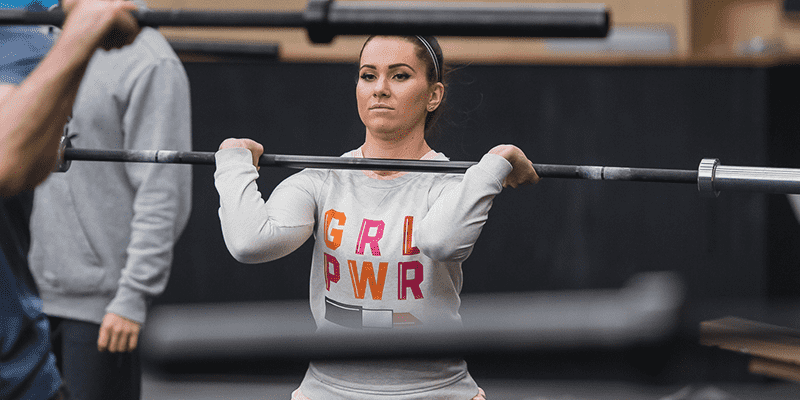
Strength development requires high force production and maximal or near-maximal loads. Studies show that resting 2–5 minutes between sets allows lifters to:
- Maintain heavier loads across sets
- Perform more total repetitions
- Produce greater long-term strength gains
A landmark study by Schoenfeld et al. (2016) found that individuals resting 3 minutes between sets gained significantly more strength than those resting 1 minute, even though both groups trained with similar intensity.
For beginners, resting at least 2 minutes for heavy compound lifts is strongly supported by evidence.
Resting for Muscle Growth
Muscle hypertrophy is driven by a combination of mechanical tension, training volume, and metabolic stress. While short rest periods increase metabolic stress, longer rest periods allow higher total volume and heavier loads.
Research comparing 1-minute versus 3-minute rest intervals consistently shows equal or greater muscle growth with longer rest when volume is equated or allowed to increase naturally (Schoenfeld et al., 2016; Grgic et al., 2017).
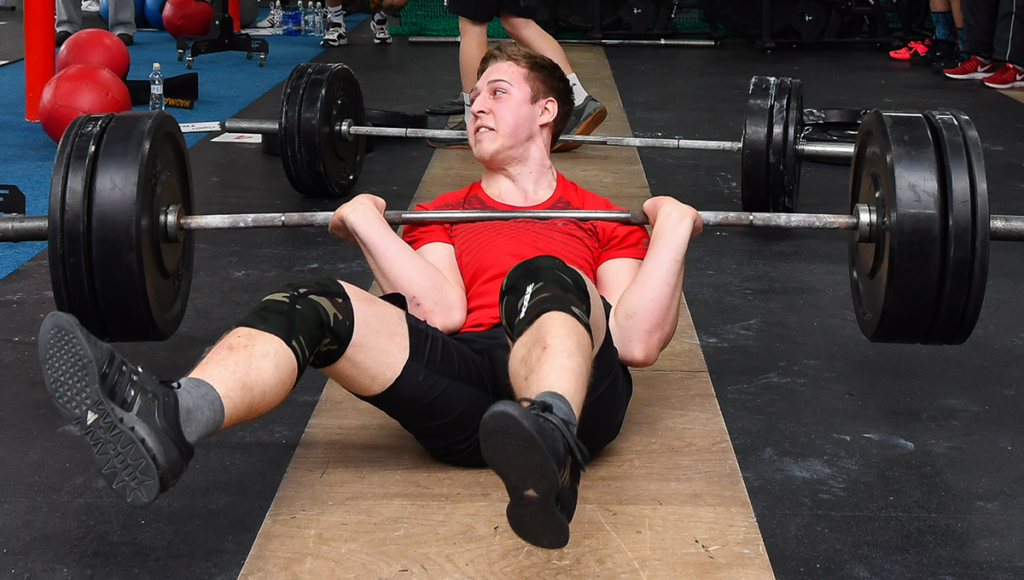
For beginners, resting 1–3 minutes generally produces the best hypertrophy outcomes, depending on exercise complexity and load.
Resting for Muscular Endurance
Muscular endurance training typically uses lighter loads and higher repetitions. Shorter rest periods of 30–60 seconds improve the muscle’s ability to resist fatigue during repeated efforts.
Studies show that shorter rest intervals increase local muscular endurance adaptations but are less effective for maximal strength or size (Ratamess et al., 2009).
Resting for Fat Loss
Fat loss depends primarily on calorie balance, not rest periods. However, rest periods influence workout density and energy expenditure.
Shorter rest periods increase heart rate and perceived exertion, but longer rest periods allow heavier training, which preserves lean mass during calorie deficits. Research shows that preserving muscle mass improves resting metabolic rate and long-term fat loss outcomes (Willis et al., 2012).
For beginners, moderate rest periods are optimal when fat loss is the goal.
Rest Period Recommendations by Exercise Type
Compound Exercises
Compound exercises involve multiple joints and large muscle groups. Examples include squats, deadlifts, bench presses, rows, and overhead presses.
These exercises:
- Use more muscle mass
- Place higher demands on the nervous system
- Require greater energy system recovery
Scientific consensus supports resting 2–3 minutes for compound lifts, and up to 5 minutes for very heavy sets (Haff and Triplett, 2016).
Isolation Exercises
Isolation exercises involve a single joint and smaller muscle groups, such as biceps curls, leg extensions, or lateral raises.
These exercises produce less systemic fatigue, allowing shorter rest periods without severe performance loss. Studies suggest resting 60–90 seconds is sufficient for most isolation movements (Ratamess et al., 2009).
Machine vs Free Weight Exercises
Machine exercises tend to be less neurologically demanding and more stable. Beginners may recover faster between machine-based sets than free-weight sets. Research indicates slightly shorter rest intervals can be used with machines without compromising performance (Schick et al., 2010).
What Happens If You Rest Too Little?
Resting too little between sets leads to:
- Reduced force output
- Fewer repetitions per set
- Lower total training volume
- Faster onset of technical breakdown
- Increased injury risk in beginners
Studies show that insufficient rest significantly decreases repetition performance even when loads are light (Willardson, 2006). Over time, this limits strength and muscle gains.
What Happens If You Rest Too Long?
Resting excessively long between sets can:
- Extend workout duration unnecessarily
- Reduce cardiovascular demand
- Disrupt focus and training rhythm
However, research shows that longer rest periods do not reduce muscle growth or strength gains and may improve them, especially for beginners (Schoenfeld et al., 2016). The main downside is practicality, not effectiveness.
Hormones and Rest Periods: What Beginners Need to Know
Short rest periods are associated with higher acute increases in growth hormone. However, research shows that these short-term hormonal spikes do not directly predict muscle growth (West et al., 2009).
Longer rest periods produce greater mechanical tension and volume, which are more strongly correlated with hypertrophy outcomes.
Beginners should not choose rest periods based on hormone myths.
Rest Periods and Injury Prevention
Fatigue increases injury risk by altering movement patterns and reducing joint stability. Studies show that as fatigue accumulates:
- Muscle activation timing changes
- Joint loading increases
- Technique deteriorates
Adequate rest helps maintain neuromuscular control, especially for beginners learning new movement patterns (Behm and Sale, 1993).
How Beginners Should Time Their Rest

Using a Stopwatch or Timer
Research shows that perceived rest time is often inaccurate, especially under fatigue. Beginners who rely on intuition tend to rest less than optimal (Willardson and Burkett, 2005).
Using a timer ensures consistency and adherence to evidence-based rest intervals.
Resting Based on Breathing and Readiness
While subjective readiness improves with experience, beginners benefit from objective timing. Over time, combining timing with perceived readiness becomes effective.
Sample Rest Period Guidelines for Beginners
- Heavy compound lifts: 2–3 minutes
- Moderate compound lifts: 1.5–2 minutes
- Isolation exercises: 60–90 seconds
- High-rep endurance work: 30–60 seconds
These ranges align with multiple position stands from the American College of Sports Medicine (Ratamess et al., 2009).
Common Beginner Myths About Resting Between Sets
“Shorter Rest Burns More Fat”
Fat loss depends on calorie balance. Short rest does not override nutrition or training volume.
“Long Rest Means You’re Not Working Hard”
Effort is measured by load, volume, and intensity, not how breathless you feel.
“You Should Rest the Same for Every Exercise”
Different exercises stress the body differently. Rest should match the demands of the movement.
How Rest Periods Change as Beginners Progress
As beginners become more trained:
- Strength increases
- Loads get heavier
- Nervous system demands increase
Research shows that trained individuals often require longer rest to maintain performance compared to beginners (Grgic et al., 2017). Learning good rest habits early prepares lifters for long-term progression.
Practical Programming Tips for Beginners
- Prioritize performance over speed
- Rest longer for the first exercises in a workout
- Shorten rest for smaller, less demanding movements
- Track rest times alongside sets and reps
- Adjust rest if performance drops sharply between sets
Final Thoughts on Resting Between Sets
Resting between sets is not wasted time. It is an essential part of training that directly affects results, safety, and progression. For beginners, learning how to rest properly is just as important as learning how to lift.
Science is clear: appropriate rest improves strength, muscle growth, and long-term adherence. By using evidence-based rest periods, beginners can train smarter, recover better, and build a strong foundation for years of progress.
Bibliography
- Behm, D.G. and Sale, D.G. (1993) ‘Velocity specificity of resistance training’, Sports Medicine, 15(6), pp. 374–388.
- Enoka, R.M. and Duchateau, J. (2016) ‘Translating fatigue to human performance’, Medicine & Science in Sports & Exercise, 48(11), pp. 2228–2238.
- Grgic, J., Schoenfeld, B.J., Skrepnik, M. and Davies, T.B. (2017) ‘Effects of rest interval duration on muscle hypertrophy: a systematic review’, Sports Medicine, 47(10), pp. 2055–2065.
- Haff, G.G. and Triplett, N.T. (2016) Essentials of Strength Training and Conditioning. 4th edn. Champaign, IL: Human Kinetics.
- McArdle, W.D., Katch, F.I. and Katch, V.L. (2015) Exercise Physiology: Nutrition, Energy, and Human Performance. 8th edn. Philadelphia: Wolters Kluwer.
- Ratamess, N.A., Alvar, B.A., Evetoch, T.K., Housh, T.J., Kibler, W.B., Kraemer, W.J. and Triplett, N.T. (2009) ‘Progression models in resistance training for healthy adults’, Medicine & Science in Sports & Exercise, 41(3), pp. 687–708.
- Schick, E.E., Coburn, J.W., Brown, L.E., Judelson, D.A., Khamoui, A.V., Tran, T.T. and Uribe, B.P. (2010) ‘A comparison of muscle activation between a Smith machine and free weight bench press’, Journal of Strength and Conditioning Research, 24(3), pp. 779–784.


