When trying to shed those extra pounds, making the right dietary choices is essential. Often, the decision boils down to limiting indulgences like alcohol or fast food. Both are notorious for hindering weight loss efforts, but which one has a more significant impact?
This article dives into the science behind how alcohol and fast food affect weight loss, metabolism, and overall health. Let’s explore the nutritional, physiological, and behavioural impacts of each to see which is worse for your weight loss journey.
The Impact of Alcohol on Weight Loss
How Alcohol Affects Metabolism
- Empty Calories: Alcohol is packed with calories but lacks essential nutrients. A standard glass of wine contains about 120 calories, while a pint of beer can have over 200. Unlike carbohydrates, proteins, or fats, alcohol provides no nutritional benefits.
- Metabolism Disruption: The body prioritises metabolising alcohol over other macronutrients. This means that while your liver is busy breaking down that cocktail, fat oxidation—the process your body uses to burn fat—is temporarily halted.
- Acetate Formation: Alcohol is converted into acetate in the liver. Your body prefers to use acetate as fuel before any stored fat, making weight loss difficult.
The Impact of Alcohol on Athletic Performance and Recovery

Alcohol and Appetite Control
- Stimulates Appetite: Alcohol has been shown to increase appetite and lead to poor food choices. It lowers inhibitions, making it easier to reach for high-calorie snacks or meals after a drink or two.
- Poor Decision-Making: Alcohol can impair judgement, leading to late-night fast food binges or overeating in social settings.
Hormonal Effects
- Reduces Testosterone Levels: Chronic alcohol consumption has been linked to lower testosterone levels, which can decrease muscle mass and slow metabolism.
- Increases Cortisol: High levels of alcohol can increase cortisol, a stress hormone that has been associated with abdominal fat gain.
The Impact of Fast Food on Weight Loss
Nutritional Profile of Fast Food
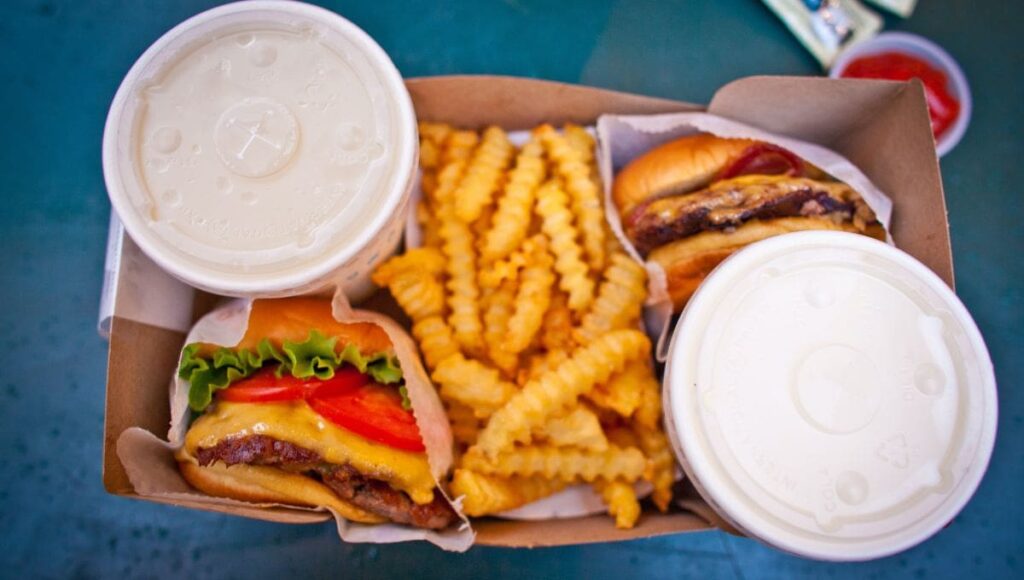
- Caloric Density: Fast food items like burgers, fries, and pizzas are high in calories but low in essential nutrients. A typical fast food meal can easily surpass 1,000 calories.
- High in Saturated Fats and Sugars: Saturated fats and refined sugars contribute to weight gain, poor cardiovascular health, and insulin resistance.
Satiety and Portion Control
- Low Satiety: Foods high in refined sugars and unhealthy fats do not satiate hunger effectively, leading to overeating.
- Large Portion Sizes: The fast food industry often promotes value meals and upsizing, which encourages higher calorie consumption.
Fast Food and Hormonal Disruption
- Insulin Resistance: Regular consumption of fast food can contribute to insulin resistance, making it harder for the body to process carbohydrates and store energy efficiently.
- Leptin and Ghrelin Imbalance: High-calorie fast food can disrupt leptin and ghrelin levels, hormones responsible for hunger and satiety signals. This can lead to cravings and frequent snacking.
How Much Exercise Do You Need to Do To Burn Off the Calories from A Mcdonalds Big Mac?
Comparing Alcohol and Fast Food: Which Is Worse?
Caloric Comparison
- Alcohol: Provides calories that contribute nothing nutritionally. Drinking regularly can add hundreds of calories to your daily intake without you even noticing.
- Fast Food: Contains a higher caloric density but provides some nutritional content, such as protein and carbohydrates, albeit often in an unhealthy form.
Metabolic Impact
- Alcohol: Disrupts fat oxidation, leading to delayed weight loss.
- Fast Food: Contributes to insulin resistance and makes the body more prone to storing fat, especially when consumed regularly.

Effects on Decision-Making
- Alcohol: Can severely impair decision-making and lead to poor food choices.
- Fast Food: Often consumed as a result of convenience, stress, or time constraints rather than impaired judgement.
I Quit Drinking Alcohol…But Did Not Expect This
Social and Psychological Effects
- Alcohol: Often associated with social gatherings, which can lead to excessive consumption and binge eating.
- Fast Food: Tends to be a quick fix for stress or comfort eating, leading to a cycle of emotional eating.
Scientific Studies and Findings
Alcohol’s Effects on Weight Gain
A study by Yeomans (2010) found that moderate alcohol consumption increased appetite and led to a higher intake of calorie-dense foods. Additionally, the metabolic process of prioritising alcohol metabolism over fat can significantly impact weight loss progress.
Fast Food and Obesity Rates
Research by Malik in 2010 highlighted the relationship between fast food consumption and increased BMI, showing that people who consume fast food more than twice a week have a higher risk of developing obesity and metabolic syndrome.

Combination of Both
Interestingly, a combination of alcohol and fast food poses an even higher risk. Alcohol impairs decision-making, making fast food a frequent choice for post-drinking meals, compounding the calories and negative effects.
Tips to Mitigate the Negative Effects
For Alcohol:
- Choose Low-Calorie Options: Opt for light beer, wine, or spirits mixed with zero-calorie mixers like soda water.
- Hydrate: Drink water between alcoholic beverages to reduce overall consumption.
- Limit Binge Drinking: Aim for moderation, as binge drinking has a higher negative impact on metabolism and decision-making.
For Fast Food:
- Mindful Eating: Be conscious of portion sizes and avoid upsizing meals.
- Healthier Choices: Go for grilled options instead of fried, and incorporate salads or fruits when possible.
- Plan Ahead: Prepare meals at home or choose restaurants with healthier menu options to avoid the temptation of high-calorie fast food.
I tried Getting Lean by Eating Only Fast Food, Here’s What Happened
The Psychological Angle: Cravings and Reward Systems

Both alcohol and fast food activate the brain’s reward system, making them highly addictive. Dopamine release reinforces the cycle of cravings, whether it’s for a drink or a burger. This makes it crucial to develop strategies for managing these cravings, such as mindful eating, regular exercise, and stress management techniques.
Conclusion
So, which is worse for weight loss—alcohol or fast food? The answer isn’t straightforward. Alcohol can be worse due to its impact on metabolism and decision-making, especially if consumed frequently and in large amounts. Fast food, on the other hand, contributes to weight gain through its high-calorie, low-nutrient profile and long-term metabolic effects like insulin resistance.
If you’re aiming for weight loss, moderation is key for both. Limiting alcohol intake to special occasions and choosing healthier fast food options or home-cooked meals will help you stay on track. Understanding how each affects your body and mind can make a significant difference in your weight loss journey.
Key Takeaways Table
| Category | Alcohol | Fast Food |
|---|---|---|
| Caloric Content | High but empty calories | High-calorie and dense |
| Metabolic Impact | Disrupts fat oxidation | Leads to insulin resistance |
| Appetite Control | Stimulates appetite | Low satiety, leading to overeating |
| Decision-Making | Impairs judgement | Convenience-driven consumption |
| Hormonal Effects | Reduces testosterone, raises cortisol | Imbalances leptin and ghrelin |
References
- Yeomans, M. R. (2010). Alcohol, appetite and energy balance: is alcohol intake a risk factor for obesity? Physiology & Behavior, 100(1), 82–89.
- Malik, V. S., Willett, W. C., & Hu, F. B. (2010). Global obesity: trends, risk factors, and policy implications. Nature Reviews Endocrinology, 9(5), 239-252.
- Suter, P. M. (2005). Alcohol, nutrition and health maintenance: selected aspects. Proceedings of the Nutrition Society, 64(1), 81-88.
- Cummings, D. E., & Overduin, J. (2007). Gastrointestinal regulation of food intake. The Journal of Clinical Investigation, 117(1), 13–23.
- Volkow, N. D., Wang, G. J., & Baler, R. D. (2013). Reward, dopamine and the control of food intake: implications for obesity. Trends in Cognitive Sciences, 17(1), 37–45.
- Ludwig, D. S. (2002). The glycemic index: physiological mechanisms relating to obesity, diabetes, and cardiovascular disease. The Journal of the American Medical Association, 287(18), 2414-2423.
- Berg, A. H. (2008). The metabolic consequences of low testosterone levels. New England Journal of Medicine, 358(2), 140-150.
- Schrieks, I. C., et al. (2015). The effect of alcohol consumption on energy intake and diet quality: a systematic review and meta-analysis of randomised controlled trials and observational studies. Obesity Reviews, 16(7), 609–620.