Are low body fat levels unhealthy? Before you jump to a conclusion, you might want to read the next few paragraphs and they will probably open up your mind to what is involved when that question is posed. As expected, is not a straight “yes or no” answer.
The pervasive notion that low body fat levels are inherently detrimental to health has sparked scepticism and concerns, particularly in the context of ultra-lean physiques often observed in bodybuilding.
In this comprehensive exploration, we will dissect the multifaceted aspects of this belief, analysing the intricacies of the journey to leanness and the state of leanness itself, while addressing the impact on biomarkers and challenging misconceptions.
The information below is based on a video recently shared by Mike Israetel. Dr Mike Israetel, PhD in Sport Physiology and co-founder of Renaissance Periodization, is a well-respected professor in the bodybuilding community. He doesn’t only talk about workouts and fitness tips, he often dives deep into health and nutrition.
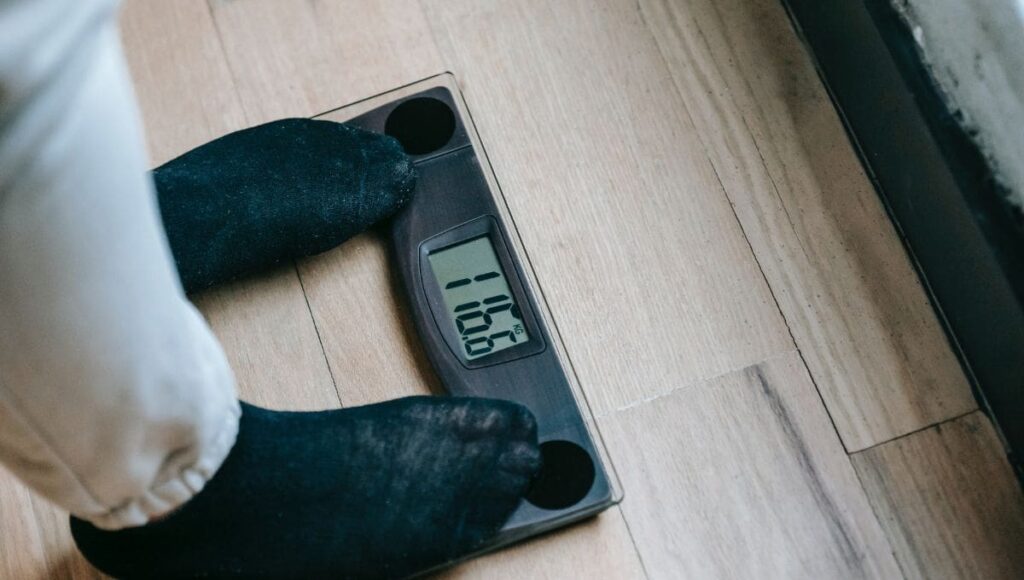
So let’s take a deep dive into the conversation regarding low body fat levels and how unhealthy it actually is.
Are Low Body Fat Levels Unhealthy?
To truly understand the health implications of low body fat, it is essential to distinguish between the journey undertaken to achieve leanness and the condition of being lean. Often, criticisms revolve around the challenges associated with restrictive diets and intense training regimens rather than the leanness itself. The fatigue induced by hypo caloric conditions during the dieting process can lead to disruptions in sleep patterns, elevated stress levels, and even muscle loss. However, it is crucial to recognize that these issues are more attributed to the rigors of the journey rather than the state of leanness.
Health Implications for Females:
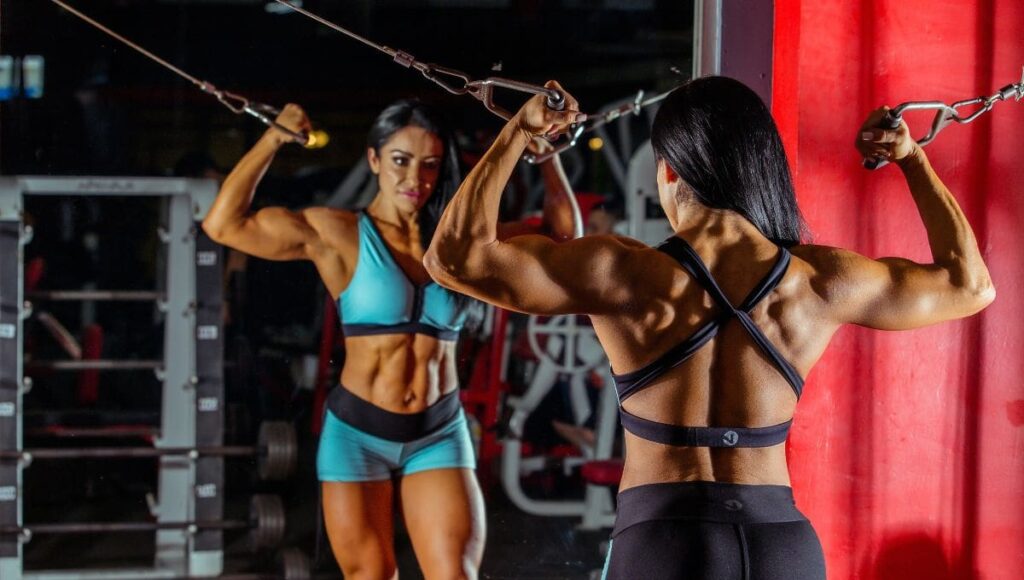
For females, the pursuit of extremely low body fat levels may trigger amenorrhea, a condition characterized by the absence of menstrual periods. This phenomenon disrupts standard estrogen production, culminating in long-term bone loss. Maintaining a delicate balance between achieving leanness for competitions or aesthetic goals and safeguarding reproductive health becomes paramount for females.
Why Men and Women Must Train Differently
The Role of Biomarkers:
Examining how low body fat affects biomarkers offers a detailed and intricate viewpoint. While certain markers related to sex hormones, bone building, and reproductive health may experience declines with extreme leanness, others showcase notable improvements. Cholesterol levels, blood pressure, fasting glucose, and markers associated with brain health often exhibit positive changes in response to reduced body fat. This delicate balance suggests that, in many cases, being lean may contribute to enhanced overall health.
Addressing Misconceptions:
Skepticism surrounding low body fat often stems from empty assumptions and normative values. The tendency to label leanness as inherently unhealthy lacks a solid foundation when scrutinized critically. Rather than dismissing the pursuit of leanness outright, individuals should engage in thoughtful analysis, challenging baseless assertions. Moreover, it is essential to acknowledge the existence of in-group and out-group dynamics, where scepticism may arise from a reinforcement of normative values rather than solid evidence.
Practical Guidelines for Maintaining Health:
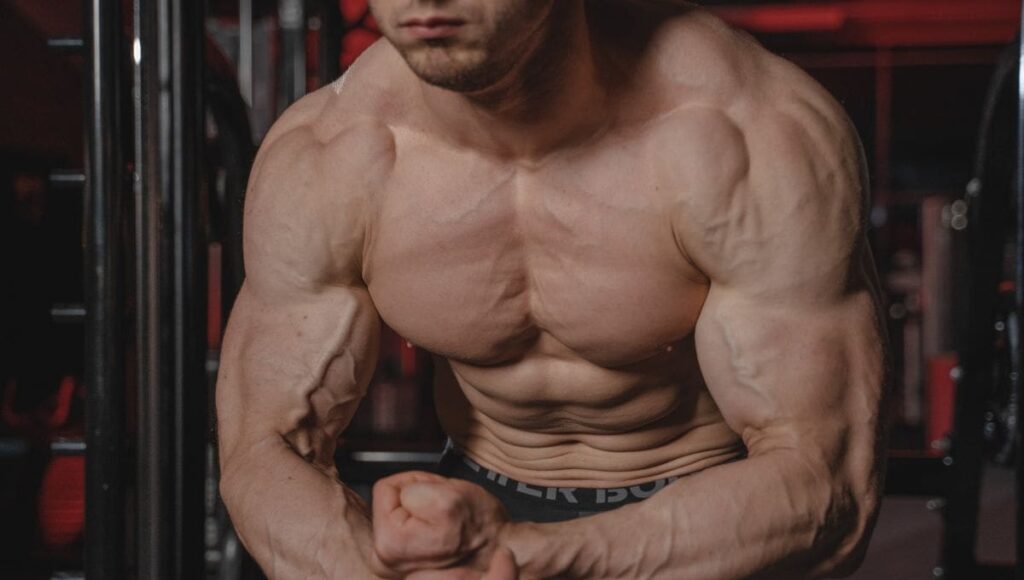
For females in their reproductive years, it becomes imperative to strike a delicate balance between achieving low body fat for competitions or aesthetic goals and preserving a healthy menstrual cycle. Regular monitoring of blood work is equally important for both males and females, ensuring that health remains optimal during periods of extreme leanness. Consulting healthcare professionals becomes indispensable in determining the sustainability of a lean physique.
Read More: How to Eat for Performance Vs Health Vs Looks?
In conclusion, dispelling the myth that low body fat is universally unhealthy requires a thorough examination of the multifaceted factors at play. While acknowledging the potential drawbacks associated with extreme leanness, such as disruptions in reproductive health and specific biomarkers, it is equally important to recognize the potential benefits on other health indicators.
Approaching the pursuit of leanness with caution, emphasizing sustainable practices, and seeking regular health check-ups are essential steps towards achieving and maintaining optimal health while attaining a lean physique.
For more information from Mike Israetel himself, you can simply click and watch the video below.
From Training to Failure to Eating Clean: Explaining Controversial Fitness Topics
Ultimate Guide on How to Get Shredded
The perception of what constitutes a low level of body fat can vary, and it often depends on factors such as cultural norms, individual preferences, and the context of the discussion. However, in general, body fat percentage is often categorized into different ranges for both men and women. It’s important to note that these categorizations can differ slightly among health and fitness professionals. Here are some general guidelines:
For Men:
- Essential Body Fat: Around 2-5%.
- Athletes: 6-13%.
- Fitness: 14-17%.
- Average: 18-24%.
- Overweight: 25% and above.
For Women:
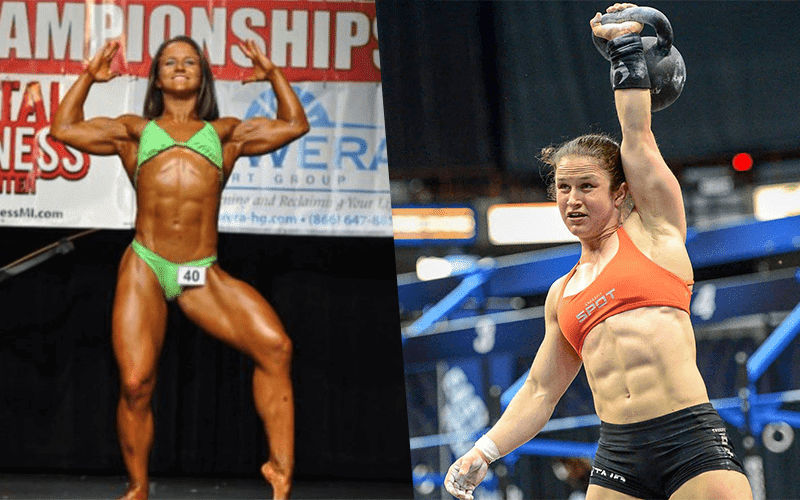
- Essential Body Fat: Approximately 10-13%.
- Athletes: 14-20%.
- Fitness: 21-24%.
- Average: 25-31%.
- Overweight: 32% and above.
It’s crucial to highlight that individual health and well-being can vary, and body fat percentage should not be the sole determinant of one’s overall health. Factors such as muscle mass, distribution of fat, and other health indicators also play a significant role in assessing an individual’s fitness and health status. Moreover, certain ranges may be more suitable for specific populations or athletic endeavors. Consulting with healthcare professionals or fitness experts for personalized advice is always recommended.
5 Testosterone-Boosting Foods Men Must Eat
There are several methods individuals can use to estimate or measure their body fat levels. Each method has its advantages and limitations. Here are some common ways to check body fat:
- Calipers (Skinfold Measurement): This method involves using calipers to measure the thickness of skinfolds at various body sites. These measurements are then used to estimate body fat percentage.
- Bioelectrical Impedance Analysis (BIA): BIA measures the impedance (resistance) of electrical flow through the body. Devices, such as handheld scales or scales with built-in BIA, send a low-level electrical current through the body to estimate body fat percentage based on the resistance encountered.
- Dual-Energy X-ray Absorptiometry (DEXA): DEXA scans provide a highly accurate measurement of body fat, lean mass, and bone density. It uses X-rays to differentiate between different tissues in the body.
- Hydrostatic Weighing: This method involves weighing a person underwater. It relies on the principle that fat is less dense than water, allowing for the estimation of body fat percentage based on body density.
- Air Displacement Plethysmography (Bod Pod): Similar to hydrostatic weighing, the Bod Pod measures body volume and density by assessing the amount of air displaced by the body in an enclosed chamber.
- Infrared Interactance: This method uses infrared light to estimate body fat percentage by measuring how it interacts with subcutaneous fat.
- MRI and CT Scans: While not commonly used due to cost and accessibility, medical imaging techniques like magnetic resonance imaging (MRI) and computed tomography (CT) scans can provide accurate measurements of body composition.
- Smart Scales: Some modern scales come with bioelectrical impedance sensors or other technology to estimate body fat percentage. These are convenient but may have varying levels of accuracy.
It’s essential to note that different methods can yield different results, and factors like hydration levels, meal timing, and individual variations can influence readings. For the most accurate assessment, consulting with healthcare professionals or fitness experts and using a combination of methods may be recommended.