


Testosterone boosters are supplements or substances designed to increase testosterone levels in the body, either directly or by promoting the body’s natural production of the hormone. They are commonly used to enhance physical performance, improve libido, or address symptoms of low testosterone, such as fatigue, mood changes, or loss of muscle mass.
In this video, Dr. Mike discusses the role of testosterone boosters and whether they actually work.
Why is Testosterone Important?
Testosterone is an essential hormone that plays a significant role in the body, particularly for male development, but it is also important for women in smaller amounts. Here’s why testosterone is crucial:
Sexual Development and Reproductive Function
- Male development: In males, testosterone is the primary hormone responsible for the development of male reproductive tissues such as the testes and prostate. It also promotes secondary sexual characteristics, like increased muscle mass, body hair growth, and a deeper voice.
- Libido: Testosterone plays a crucial role in maintaining a healthy sex drive (libido) in both men and women.
Muscle Mass and Strength
- Testosterone helps regulate muscle mass and strength by promoting protein synthesis. Higher levels of testosterone contribute to muscle growth and improved physical performance, making it important for athletes and individuals engaging in strength training.
Bone Health
- Testosterone supports bone density and strength. A deficiency can lead to weakened bones, increasing the risk of osteoporosis, especially as men age. In women, adequate testosterone also plays a role in maintaining healthy bones.
Mood and Mental Health
- Balanced testosterone levels can positively influence mood, energy, and cognitive functions. Low testosterone levels in men have been associated with feelings of fatigue, irritability, depression, and difficulty concentrating.
Red Blood Cell Production
- Testosterone helps stimulate the production of red blood cells in the bone marrow, which is important for oxygen transport throughout the body. Low levels can sometimes lead to anemia.
Fat Distribution
- Testosterone influences how the body stores fat. Adequate levels of testosterone promote a leaner physique, while low levels may lead to increased body fat, particularly around the abdomen.
Metabolism and Weight Regulation
- It plays a role in regulating metabolism, and men with lower testosterone levels may have a higher risk of obesity and metabolic disorders such as type 2 diabetes.
Cardiovascular Health
- While the relationship between testosterone and heart health is still under study, there is some evidence suggesting that optimal testosterone levels may help maintain a healthy heart by improving cholesterol levels and circulation.
In both men and women, maintaining appropriate testosterone levels is key to overall health and well-being. If testosterone levels become too low, it can lead to various health issues that affect physical, mental, and sexual health.
Testosterone Boosters
There are several types of testosterone boosters, including natural supplements, medications, and lifestyle changes. Here’s an overview:
Natural Testosterone Boosters (Supplements)
These are typically over-the-counter supplements made from natural ingredients that aim to boost testosterone production. Some of the most common ingredients include:
- D-Aspartic Acid: An amino acid that may help increase the release of luteinizing hormone (LH), which can stimulate the production of testosterone in the testes.
- Fenugreek: A herb that may help improve testosterone levels and libido by inhibiting enzymes that convert testosterone into estrogen.
- Zinc: A mineral linked to testosterone production. Low levels of zinc are associated with low testosterone, so zinc supplementation may help improve hormone levels.
- Magnesium: Magnesium may help increase free testosterone levels, especially in people who are deficient in this mineral.
- Vitamin D: Vitamin D deficiency is linked to low testosterone, and supplementing it may help restore levels.
- Tribulus Terrestris: A plant used in traditional medicine, it’s claimed to improve libido and testosterone production, though evidence is mixed.
- Ashwagandha: An adaptogenic herb that can help reduce stress and boost testosterone production.
Pharmaceutical Testosterone Boosters
These are prescription medications or hormone therapies used to treat individuals with clinically low testosterone (hypogonadism). Some examples include:
- Testosterone Replacement Therapy (TRT): Involves using synthetic testosterone delivered via injections, patches, gels, or pellets to restore normal testosterone levels in men with low testosterone.
- Clomiphene Citrate: A medication that can stimulate the body’s natural production of testosterone by increasing the production of hormones like LH and follicle-stimulating hormone (FSH).
- Human Chorionic Gonadotropin (hCG): Used to stimulate the testes to produce more testosterone in men who have low levels.
Lifestyle-Based Testosterone Boosters
Certain lifestyle changes can naturally boost testosterone production by supporting overall health and hormonal balance. These include:
- Exercise (especially strength training and high-intensity interval training): Physical activity, especially weightlifting and intense exercise, is known to increase testosterone levels.
- Adequate Sleep: Quality sleep is crucial for testosterone production, and poor sleep is associated with lower testosterone levels.
- Healthy Diet: A balanced diet rich in essential vitamins and minerals can support optimal testosterone levels. Foods high in healthy fats, protein, and key nutrients like zinc and magnesium can help.
- Stress Management: Chronic stress leads to elevated cortisol levels, which can suppress testosterone. Managing stress through relaxation techniques can help boost testosterone naturally.
- Maintaining a Healthy Weight: Obesity is associated with lower testosterone levels, so weight management through diet and exercise can help boost testosterone.
Do Testosterone Boosters Work?
- Effectiveness: The effectiveness of testosterone boosters varies. Natural supplements may help individuals with borderline low testosterone or those looking for a mild improvement. Prescription testosterone boosters like TRT are highly effective for men with clinically low testosterone.
- Risks and Side Effects: While natural supplements are generally considered safe for most people, there can be risks, especially when taken in high doses. Overuse of pharmaceutical testosterone boosters or TRT can lead to side effects such as acne, hair loss, mood swings, and an increased risk of heart disease or infertility.
Who Can Benefit from Testosterone Boosters?
Testosterone boosters may be useful for:
- Men with low testosterone levels (hypogonadism).
- Older men experiencing age-related testosterone decline.
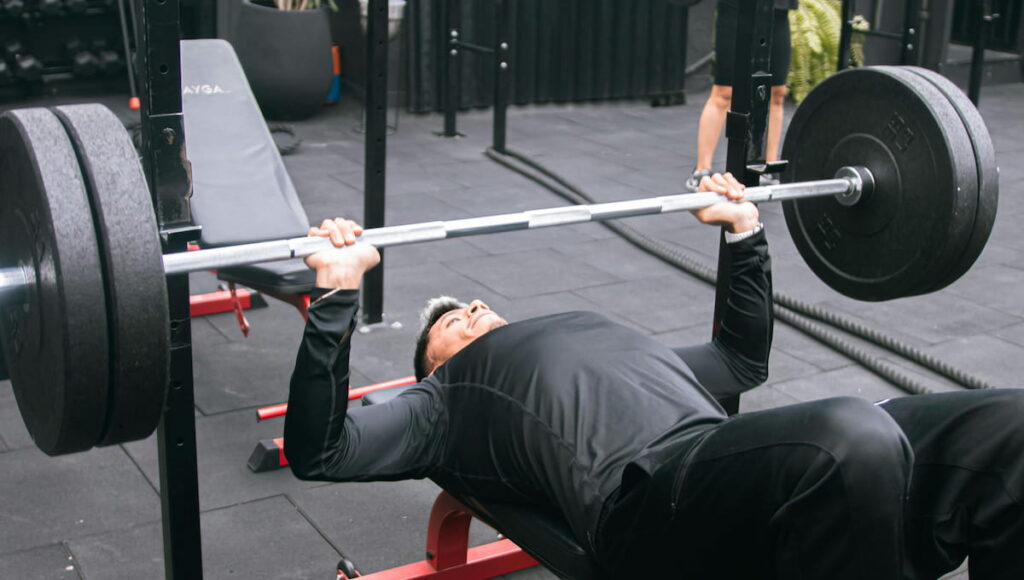
- Athletes or bodybuilders looking to enhance muscle growth and physical performance (although some boosters may not be allowed in competitive sports).
- Men or women experiencing symptoms of low libido, fatigue, or mood swings.
It’s essential to consult a healthcare professional before using testosterone boosters, especially prescription options, as they can carry health risks if not properly monitored.


