You’re hitting the gym consistently, lifting heavier weights, eating more, and keeping an eye on the scale. But as the numbers rise, you might find yourself wondering—am I building muscle, or just getting fat? This is a common concern for anyone on a fitness journey, whether you’re bulking, strength training, or simply trying to transform your body.
The truth is, muscle gain and fat gain can often look and feel similar at first. But with the right tools and knowledge, you can learn to tell the difference and make adjustments to stay on track. This article will walk you through the key differences, the science behind body composition changes, and the practical steps to identify whether you’re building muscle or gaining fat.
Table of Contents
The Science of Muscle Gain vs Fat Gain
Understanding Muscle Growth (Hypertrophy)
Muscle growth, or hypertrophy, happens when you challenge your muscles through resistance training. Lifting weights creates microtears in the muscle fibres, which then repair themselves during recovery. This repair process causes the muscle fibres to grow larger and stronger to adapt to the new workload.
- Progressive Overload is the driving force behind hypertrophy. It means gradually increasing the weight, reps, or intensity of your workouts to keep challenging your muscles.
- Caloric Surplus: Building muscle requires extra energy, which comes from a controlled caloric surplus. Without enough energy, your body can’t repair or grow new muscle tissue effectively.
- Protein Synthesis: Muscle growth happens when muscle protein synthesis exceeds muscle protein breakdown. Protein-rich diets fuel this process.
Scientific Fact: Research has shown that to optimise hypertrophy, individuals need to focus on high resistance (70-85% of one-rep max) and sufficient protein intake (1.6-2.2g of protein per kilogram of body weight per day) (Schoenfeld et al., 2017).
How Fat Gain Happens
Fat gain, on the other hand, occurs when you consume more calories than your body burns—this is known as a caloric surplus. Excess calories that aren’t used for energy, recovery, or muscle repair are stored as fat in adipose tissue.
- Fat Storage Process: When you eat a surplus of carbohydrates or fats, your body stores the excess energy in fat cells for later use.
- Hormonal Factors: Hormones like insulin and cortisol play significant roles in fat gain. High insulin levels from poor diet choices can promote fat storage, while chronic stress and elevated cortisol levels can lead to abdominal fat gain.
- Energy Surplus: Fat gain happens quickly when the caloric surplus is too large. A moderate surplus (250-500 calories) is ideal for minimising fat accumulation during muscle-building phases.
Scientific Insight: A study published by Hall et al. (2016) highlights that overeating beyond the body’s energy requirements leads to significant fat storage, especially when combined with a sedentary lifestyle.
Signs You’re Building Muscle
1. Your Strength Is Increasing
One of the most reliable signs of muscle growth is improved strength. If you notice you can lift heavier weights, perform more repetitions, or increase your overall workout volume, your body is likely adapting by building more muscle.
- For beginners, strength gains can happen relatively quickly as the body adapts to resistance training.
- For advanced lifters, strength gains tend to be slower but still indicate progress.
Tip: Track your lifts weekly. If your numbers are going up consistently, it’s a positive sign of muscle gain.

2. Your Body Measurements Are Changing
While the scale might move upward, your body measurements provide more clarity. Muscle gain often leads to increases in size around key muscle groups such as the chest, arms, thighs, and back, while your waistline might remain stable or shrink slightly.
- Use a tape measure to track areas like your biceps, thighs, and shoulders.
- An increase in measurements paired with strength gains usually signals muscle growth, not fat.
Example: If your arms are getting larger but your waist is staying the same, this is likely a sign of building muscle rather than storing fat.
The Swoly Grail: 5 Do’s and Don’ts for Body Recomposition You Can’t Ignore
3. You Feel Firmer, Not Softer
Muscle tissue is denser and firmer than fat. If your body feels tighter and firmer to the touch, this is a strong indicator that you’re building lean muscle rather than accumulating fat.
- Pinch test: Gently pinch an area of your body, such as your thighs or arms. If the area feels denser, it could indicate muscle growth.
4. You Experience Muscle Soreness

Muscle soreness, also known as delayed-onset muscle soreness (DOMS), is a common sign of muscle fibre repair. It typically occurs 24-48 hours after an intense resistance training session.
- While soreness isn’t always necessary for muscle growth, experiencing it can be an indicator that you’ve sufficiently stimulated your muscles.
Note: If soreness persists for too long, it may signal overtraining or a lack of recovery.
5. Your Weight Gain Matches Expectations
Healthy muscle gain occurs slowly. On average:
- Beginners can gain 1-2 pounds of muscle per month.
- Intermediate lifters might gain 0.5-1 pound per month.
- Advanced lifters may only gain 0.2-0.5 pounds per month.
If your weight gain is steady and slow, and you’re training consistently, it’s more likely due to muscle gain. Rapid increases in weight, however, usually indicate fat accumulation.
Signs You’re Gaining Fat
1. Your Waistline Is Expanding Rapidly
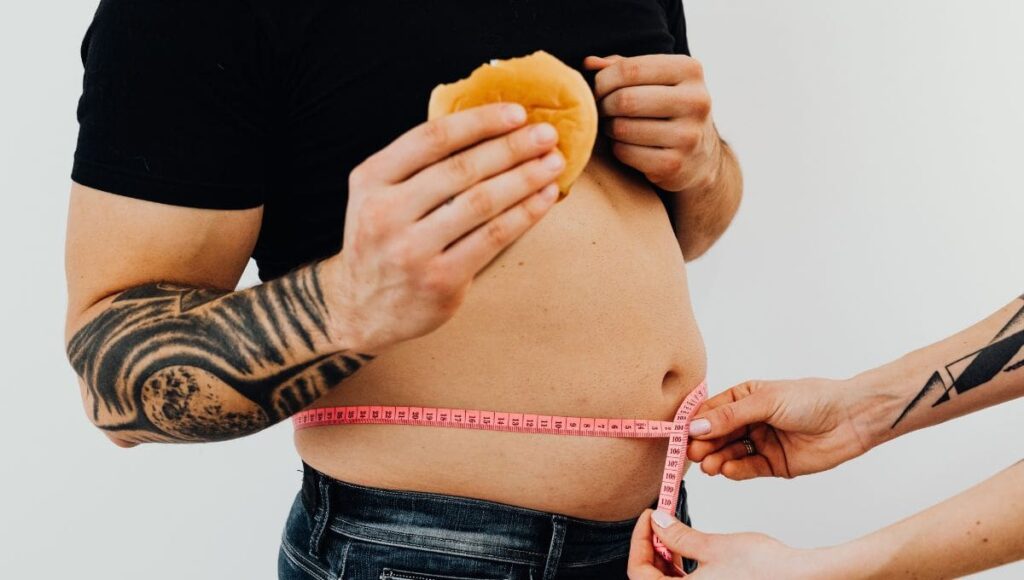
Fat gain often accumulates first around the abdominal area due to its sensitivity to insulin and cortisol. If your waistline is increasing faster than other areas, this could indicate fat storage.
- Track your waist measurement weekly. An increase without proportional muscle gains elsewhere is a red flag.
2. Your Clothes Feel Tighter in the Wrong Places
Fat gain tends to cause tightness around areas like the belly, hips, and thighs, while muscle gain is more evenly distributed across the body.
- If your jeans or belts feel tight around the waist but your shirts don’t feel tighter around the chest or arms, you might be gaining fat rather than muscle.
7 Mistakes Women Make Trying to Lose Fat or Gain Muscle
3. You Don’t Feel Stronger
Unlike muscle gain, fat gain doesn’t come with strength improvements. If your weight is increasing but your performance in the gym is stagnant or declining, it’s a sign that the extra weight is likely fat.
- Keep track of your lifts, reps, and overall energy levels during workouts.
4. Your Energy Levels Are Fluctuating
Fat gain can be accompanied by sluggishness or energy dips throughout the day, often caused by overeating poor-quality foods that spike insulin levels.
- Consuming too many refined carbs, sugars, and unhealthy fats can cause inconsistent energy and weight gain.
5. You’re Gaining Weight Too Quickly
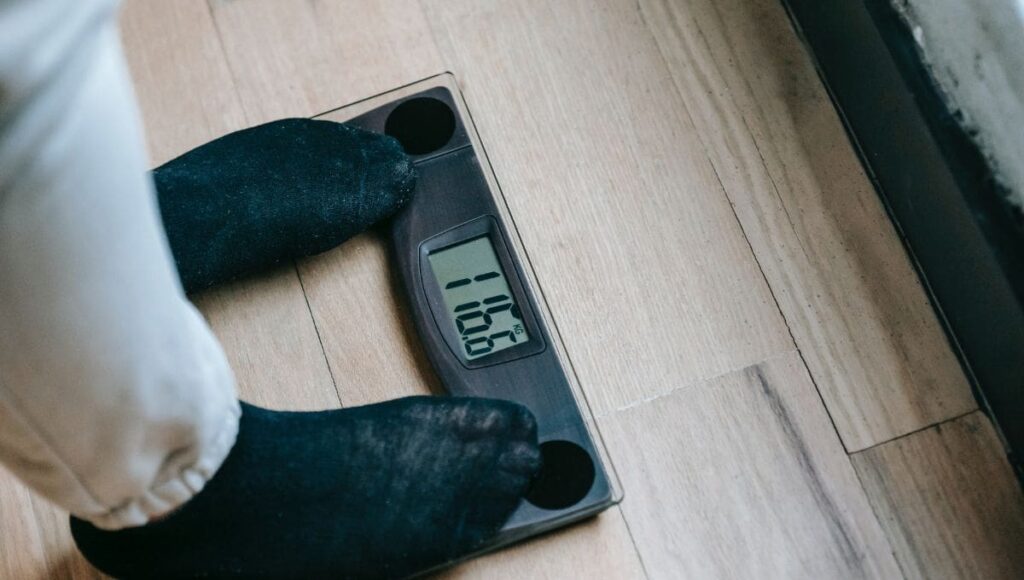
If you’re gaining more than 1-2 pounds per week during a bulk or muscle-building phase, it’s a sign that you may be consuming far too many calories. A moderate caloric surplus of 250-500 calories per day supports muscle growth without significant fat gain.
Can You Lose Weight and Build Muscle at the Same Time?
How to Monitor Your Progress
1. Use Body Composition Measurements
- Tools like bioelectrical impedance scales, DEXA scans, or calipers can provide an accurate breakdown of fat vs lean mass.
2. Track Your Diet
- Monitor your caloric intake to ensure you’re in a slight surplus, ideally around 250-500 calories above maintenance.
- Prioritise protein (1.6-2.2g per kg of body weight) to support muscle repair and growth.
Scientific Insight: Protein has a thermogenic effect, meaning it burns more calories during digestion compared to fats or carbs (Paddon-Jones et al., 2008).
3. Take Progress Photos
- Visual evidence over time can reveal subtle changes in muscle definition or fat storage.
4. Measure Strength Gains
- Keep a log of your lifts to track progress. Increases in strength often correlate with muscle growth.
5. Pay Attention to the Scale, But Don’t Rely Solely on It
- The scale alone can’t distinguish between muscle and fat. Combine it with other methods for a complete picture.
How to Maximise Muscle Gain and Minimise Fat Gain
1. Train Smart
- Follow a progressive overload programme: Increase weights, reps, or sets gradually.
- Prioritise compound lifts like squats, deadlifts, bench presses, and pull-ups to recruit the most muscle fibres.
- Include 2-3 days of heavy resistance training and 1-2 days of accessory or isolation exercises.
Tip: Keep your workouts consistent and well-structured, ensuring adequate rest between sessions.
2. Eat the Right Macronutrient Ratio
- Protein: 1.6-2.2g per kg of body weight per day to support muscle synthesis.
- Carbs: Fuel your workouts and replenish glycogen stores (40-50% of total calories).
- Fats: Support hormone production (20-30% of calories from healthy fats).
Focus on whole, nutrient-dense foods like lean meats, fish, whole grains, fruits, and vegetables. Avoid processed foods high in sugar and unhealthy fats.
How to Calculate Your Macros and Calories
3. Prioritise Recovery

- Get 7-9 hours of quality sleep per night to support hormone balance and recovery.
- Include rest days in your workout routine to allow your muscles to repair and grow.
Tip: Active recovery, such as walking or light stretching, can help maintain blood flow and reduce muscle soreness.
4. Stay Active Outside the Gym
Non-exercise activity thermogenesis (NEAT)—activities like walking, cleaning, or standing—helps you burn calories and minimise fat gain without additional stress on your body.
- Aim for at least 8,000-10,000 steps per day to stay active.
Conclusion
Understanding whether you’re building muscle or gaining fat comes down to monitoring your body, diet, and performance in a strategic way. Muscle growth takes time and consistency, but it brings rewarding changes in strength, shape, and health. Fat gain, on the other hand, is often a sign that adjustments in your caloric intake or training regimen are needed.
By using tools like body composition measurements, progress photos, and strength tracking, you can stay informed and make the necessary changes to achieve your fitness goals. Remember, both muscle gain and fat gain are part of the journey, and understanding the balance between the two is the key to long-term success.
Key Takeaways Table
| Key Indicator | Muscle Gain | Fat Gain |
|---|---|---|
| Body Measurements | Larger arms, thighs, or shoulders | Increased waist circumference |
| Weight Gain | Gradual (0.5–1 lb per month) | Rapid weight gain |
| Strength | Increases | No significant change |
| Clothes Fit | Tighter around muscles | Tighter around the midsection |
| Energy Levels | Stable or increased | Fluctuating |
| Diet | Slight caloric surplus, high protein | Excess caloric surplus, low protein |
Bibliography
- Schoenfeld, B.J., Ogborn, D., & Krieger, J.W. (2017). “Effects of resistance training frequency on measures of muscle hypertrophy: A systematic review and meta-analysis.” Sports Medicine, 47(4), 799-805.
- Hall, K.D., et al. (2016). “Calorie labeling and consumer choice at the chain restaurant point of purchase: A systematic review and meta-analysis.” Obesity, 24(2), 476-482.
- Paddon-Jones, D., et al. (2008). “Role of dietary protein in the sarcopenia of aging.” The American Journal of Clinical Nutrition, 87(5), 1562S-1566S.