Did you know that running backwards can burn up to 30% more calories than forward running? That’s right! Whether you’re looking to spice up your workout routine or boost your fitness in a new way, backward running, also called retro running, has a lot to offer. Most of us are accustomed to moving forward, but taking a step (or several) backwards can be a game-changer when it comes to fitness. It’s not just quirky or for show; there are legitimate reasons why athletes and fitness enthusiasts around the world are embracing it.
At first glance, it may seem counterintuitive, even a bit strange. After all, why would anyone want to run backwards when moving forward feels more natural? However, backward running provides some unexpected fitness advantages that go beyond the usual benefits of traditional running. From enhancing balance and coordination to activating different muscle groups, retro running offers a fun yet challenging way to switch up your exercise regimen.
In this guide, we’ll break down everything you need to know about backward running. We’ll look at what exactly it is, how it differs from regular running, why it’s such an effective workout, and provide you with some easy steps on how to get started. If you’re tired of the same old forward runs, this might be just the thing for you!
What is Backward Running?
Backward running, or retro running, is exactly what it sounds like—it’s running in reverse rather than forward. It’s not a new concept, but it has become more popular in recent years as people look for fresh ways to stay fit. Historically, it has been used in physical therapy and injury rehabilitation, particularly to strengthen muscles that are neglected when we run forward.
- A full-body workout: While forward running predominantly targets the front muscles of the legs, backward running activates muscles that are often ignored, such as the calves, hamstrings, and lower back.
- Improves coordination and balance: Because you’re moving in a way that’s not instinctual, you have to focus more, improving your body’s overall coordination and proprioception (your sense of where your body is in space).
- Boosts cardiovascular fitness: Running backwards requires more effort than running forwards, leading to a faster heart rate and increased calorie burn.

In backward running, your centre of gravity is distributed differently, causing your muscles to engage in ways that aren’t possible in traditional running. This difference in body mechanics can lead to a range of benefits, which we’ll explore in more depth below.
Why is Backward Running So Good for Fitness?
You might be wondering, why go through all the trouble of running backwards? Well, backward running offers several surprising fitness benefits that forward running doesn’t necessarily provide.
1. Engages Different Muscle Groups
One of the key differences between forward and backward running is the muscles used. Forward running primarily works your quadriceps, but when you run backwards, your hamstrings and calves take centre stage. Your glutes and lower back also get a workout they don’t usually get from forward running. By engaging these often-neglected muscle groups, you create a more balanced muscle development and reduce the risk of muscular imbalances, which can lead to injuries.
2. Burns More Calories
Backward running can burn up to 30% more calories than running forward at the same pace! This is because running backwards is more challenging. Your body has to work harder to maintain balance, coordination, and stability, meaning more energy expenditure.
3. Improves Posture
Because you can’t lean forward while running backwards (well, you could try, but it wouldn’t end well), retro running naturally promotes an upright posture. This improved posture can transfer over to other areas of your life and help you avoid slouching and back pain. Many forward runners tend to lean too far forward, which can lead to bad running form and injuries. Backward running forces you to engage your core muscles, keeping you more upright and in better alignment.
4. Enhances Balance and Coordination
Running backwards requires a high level of coordination and balance, skills that aren’t always required in forward running. With every step you take, you’re improving your proprioception (your body’s awareness in space). This translates to better overall balance and can help in reducing the risk of falls, especially as we age.
5. Reduces Impact on Joints
Backward running can be easier on your joints compared to forward running. This is because, when running backwards, you’re less likely to land heavily on your heels, which can reduce the stress on your knees and lower back. For people dealing with knee pain or recovering from an injury, backward running can provide a low-impact alternative to forward running, offering similar cardiovascular benefits with less strain on vulnerable areas.
6. A Mental Challenge
Not only is running backwards a physical challenge, but it’s also a mental one. It requires more concentration and focus, as your body isn’t used to moving in reverse. This can be a great way to keep your brain sharp and improve your overall cognitive fitness while working out.
How Does Backward Running Differ from Traditional Running?
At its core, backward running isn’t just the reverse of forward running. The mechanics and benefits are entirely different, and there are several unique factors to consider:
- Posture and form: In traditional running, the tendency is to lean forward slightly, propelling yourself ahead with a natural momentum. In backward running, maintaining an upright posture is crucial. Your core is heavily engaged to support this alignment, which can improve your form in other sports and activities.
- Muscle engagement: Forward running puts a lot of strain on the quads, shins, and knees, often neglecting the hamstrings and glutes. Backward running shifts the focus to the calves, hamstrings, and glutes, helping to correct imbalances.
- Energy expenditure: Running backwards is harder. Your body isn’t as efficient at it, which means you expend more energy. This is a great way to increase calorie burn without necessarily increasing workout time.
- Visual awareness: Forward running allows you to see exactly where you’re going. Running backwards forces you to rely on proprioception (your body’s awareness of its position) and peripheral vision, which can sharpen your senses and boost coordination.
In short, backward running requires a different approach, not just in physical effort but also mentally. You’re training your brain and body to work in harmony in an entirely new way.
Exercises that Will Make You Run 10x Faster (From a CrossFit Games Athlete)
How to Start Training in Backward Running
So, you’re ready to give backward running a try. That’s awesome! Here are some tips on how to get started safely and effectively:
1. Start Slow and Controlled
Backward running can feel awkward at first. You don’t want to jump into it at full speed! Start with a slow pace, even just walking backwards, until you get a feel for the movement. It might help to find a flat, open area (like a park or a track) where you don’t have to worry about obstacles.
- Begin with short intervals: Try backward walking for a few minutes at a time before progressing to jogging. Once you feel more comfortable, you can increase the duration and speed.
- Focus on form: Keep your head up, shoulders back, and core engaged. Try to maintain an upright posture without leaning too far forward or backward. It’s also important to swing your arms naturally to maintain balance.
2. Practice on a Treadmill
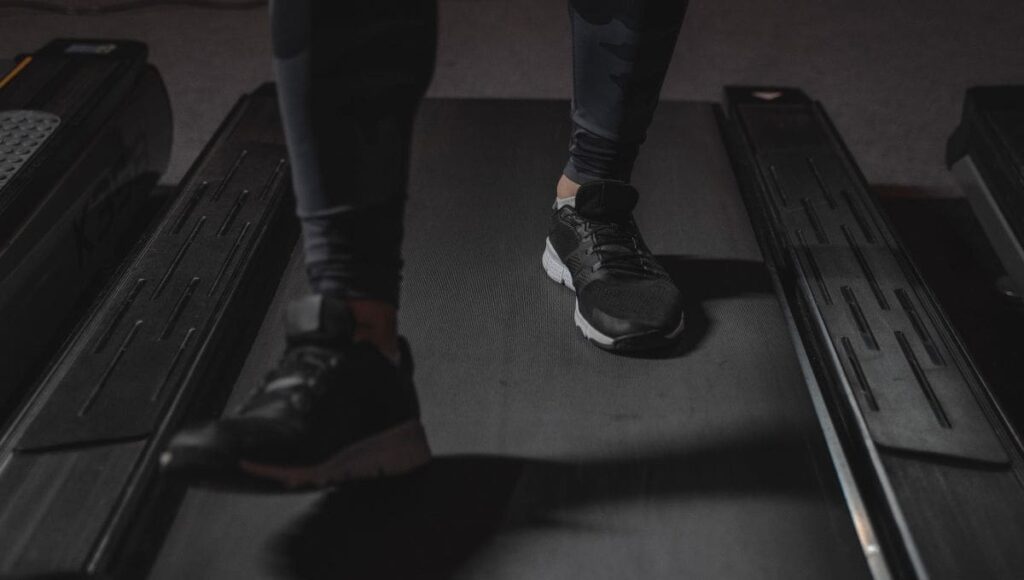
If you’re nervous about running backwards in an open space, the treadmill can be a great starting point. Set it to a slow speed and use the handrails for support as you get used to the movement. As your confidence builds, gradually let go of the handrails and increase the speed.
- Use mirrors if possible: If your gym has mirrors, it can be helpful to face them while running backward on the treadmill. This will allow you to see what’s happening behind you, which can make the transition to outdoor backward running smoother.
3. Increase Distance Gradually
Just like any new workout, it’s important not to overdo it. Your body needs time to adapt to this new movement, so start with short distances (about 10-20 metres) and gradually build up as you feel more comfortable.
4. Combine with Forward Running
You don’t have to completely replace forward running with backward running. In fact, alternating between the two can provide an excellent balance and challenge for your muscles. You could start your usual run with some backward intervals, or try backward running as a finisher.
5. Incorporate it into Your Workout Routine
Once you’ve built some confidence, try adding backward running into your routine. You might include it as part of a warm-up, cool-down, or even as a form of interval training. For example, sprinting forwards and then running backwards can create a fun and effective workout.
6. Stay Safe
Safety is always key. It’s easy to trip or fall if you’re not paying attention, especially when running backwards outside. Try to practise on flat surfaces without too many obstacles, and avoid areas with heavy foot traffic or uneven ground. Always keep your surroundings in mind.
Additional Tips and Advice
- Focus on breathing: Because backward running requires more effort, it can be easy to forget about your breathing. Make sure you’re breathing deeply and steadily throughout.
- Be patient: Backward running takes time to master. Don’t get frustrated if it feels strange at first—it gets easier with practice!
- Mix things up: If you get bored of straight backward running, try integrating it into different drills or using it as part of a circuit workout.
Conclusion
Backward running is more than just a novelty workout or a fitness fad. It offers real benefits, from burning more calories to engaging different muscles and improving balance. While it may feel a bit odd at first, with practice and patience, it can become a fun and rewarding addition to your fitness routine.
Whether you’re a seasoned runner looking for a new challenge, or someone recovering from an injury seeking a low-impact exercise, backward running has something to offer everyone. So, why not give it a try?
Read Also: How Running Once a Week Changes Your Body