This classic movement not only engages multiple muscle groups simultaneously but also enhances flexibility and core stability in a unique manner. Whether you’re striving to build a stronger upper body, improve shoulder mobility, or enhance overall muscle coordination, mastering the barbell pullover can significantly contribute to your fitness goals.
Mastering the Barbell Pullover Technique
Executing the barbell pullover with proper form is essential for maximizing its benefits and minimizing the risk of injury. Here’s a detailed breakdown of the technique:
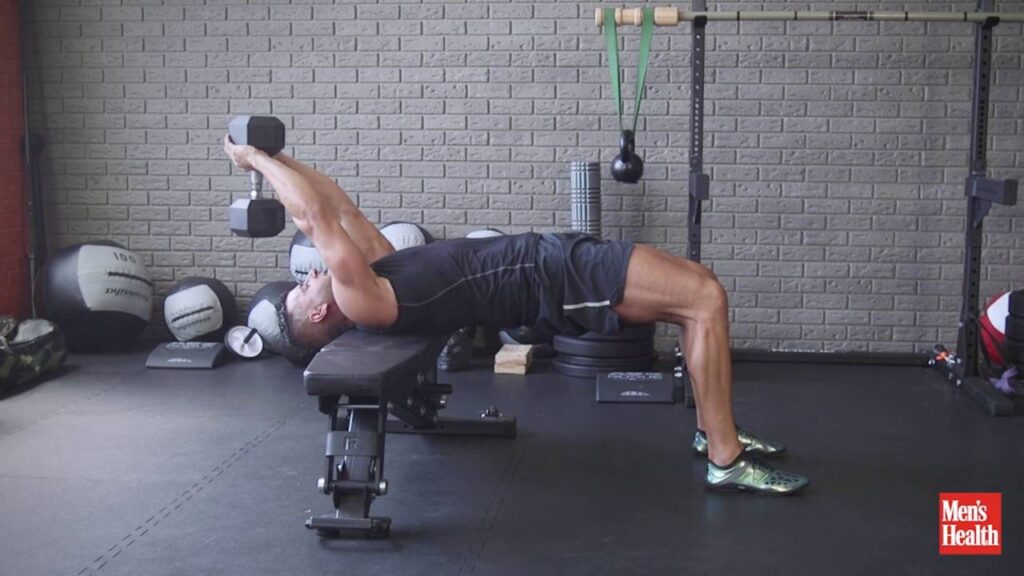
- Starting Position: Lie flat on a bench with your feet planted firmly on the ground for stability. Grasp a barbell with an overhand grip, hands slightly wider than shoulder-width apart.
- Initiate the Movement: Hold the barbell directly above your chest with arms fully extended. Lower the barbell in a controlled manner towards the floor behind your head, maintaining a slight bend in your elbows throughout.
- Stretch and Contract: As you lower the barbell, focus on stretching your chest and lats. This phase engages the muscles in your upper body, particularly the pectoralis major, latissimus dorsi, and serratus anterior.
- Return to Starting Position: Lift the barbell back to the initial position above your chest, using primarily your chest and lats to pull the weight. Keep the movement smooth and controlled to maximize muscle activation and maintain stability on the bench.
- Breathing Technique: Inhale deeply as you lower the barbell towards the floor and exhale forcefully as you lift it back up. This breathing pattern helps stabilize your core muscles and maintain control throughout the exercise.
Benefits of Barbell Pullovers
Incorporating barbell pullovers into your workout routine offers a wide array of benefits for overall fitness and strength development:
- Muscle Engagement: Targets multiple muscle groups including the chest, back, shoulders, and core simultaneously, making it a highly efficient exercise for upper body development.
- Enhanced Flexibility: Promotes shoulder mobility and flexibility as you stretch the muscles during the eccentric phase (lowering the barbell).
- Core Stability: Requires significant core engagement to stabilize your body on the bench, thereby improving core strength and overall stability.
- Versatility: Can be performed using various equipment variations such as straight barbells, EZ bars, or dumbbells, allowing for different intensities and muscle targeting.
Technique Tips for Optimal Performance
To ensure you get the most out of your barbell pullovers and reduce the risk of injury, follow these key technique tips:
- Maintain a Secure Grip: Grip the barbell firmly throughout the exercise to prevent it from slipping or losing control, especially during the eccentric phase.
- Controlled Descent: Lower the barbell slowly and under control towards the floor behind your head. Avoid rapid movements to fully engage the muscles and minimize strain on the shoulders and back.
- Focus on Muscle Activation: Concentrate on feeling the stretch in your chest and lats as you lower the barbell, and then contract these muscles forcefully as you lift it back up.
- Start Light, Progress Gradually: Begin with a lighter weight to master the technique and gradually increase the load as you become more comfortable and proficient with the movement.
Incorporating Barbell Pullovers into Your Workout Routine
To incorporate barbell pullovers effectively into your training program, consider the following strategies:
- Warm-Up: Begin with a dynamic warm-up to prepare your muscles and joints for the exercise, focusing on shoulder mobility and chest activation.
- Main Exercise: Perform barbell pullovers early in your workout routine when your muscles are fresh and energy levels are high. Aim for 3-4 sets of 8-12 repetitions, adjusting the weight and intensity based on your fitness level.
- Variety and Progression: Experiment with different grips and equipment variations to target different muscle angles and intensities. Progress gradually by increasing the weight or incorporating advanced techniques like pauses or tempo changes.
- Supplementary Exercises: Combine barbell pullovers with complementary exercises such as bench presses, rows, and core exercises to create a well-rounded upper body workout.
The barbell pullover is a timeless exercise that offers numerous benefits for upper body strength, flexibility, and core stability. By mastering its technique and incorporating it into your regular workouts, you can enhance muscle development, improve posture, and support overall fitness goals effectively.
Whether you’re a beginner or an experienced lifter, adding barbell pullovers to your routine can diversify your training regimen and lead to noticeable gains in strength and muscle coordination. Embrace the challenge, focus on proper form, and reap the rewards of this versatile and rewarding exercise. Start incorporating barbell pullovers today and elevate your fitness journey to new heights.
You will also like:
3 Unusual Muscle Building Tips for a Jacked Upper Body
10 Best Upper Body Exercises for Guys to Look Jacked in 2024
Incline vs Decline Bench Press: Which is Better for Your Chest Gains?