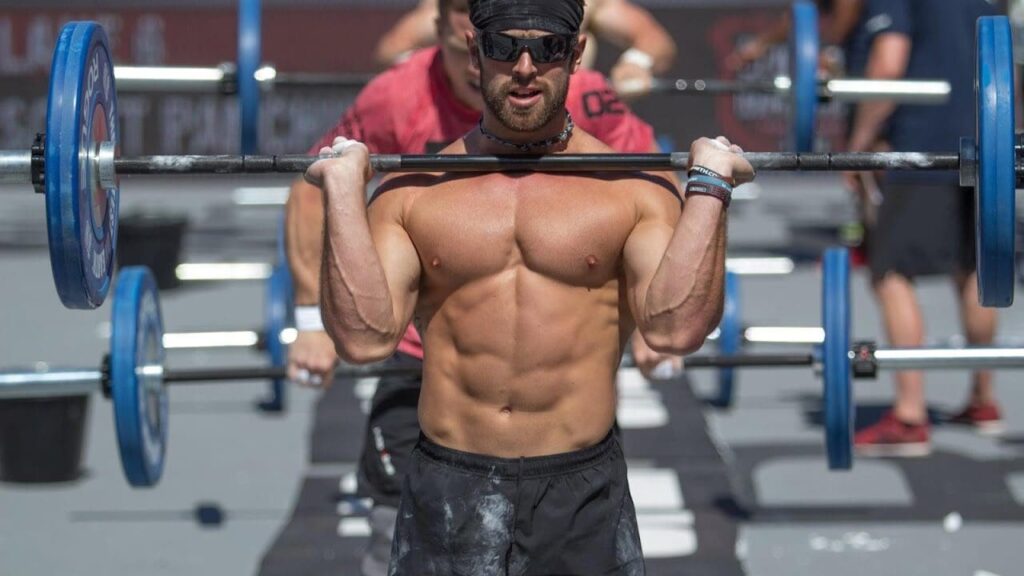
If you want to build muscle, make sure to add these 7 exercises into your training.
Before we dive into the exercises themselves, let’s see how you should be lifting
What Rep Ranges and Sets are Best For Building Muscle?
The optimal rep ranges and sets for building muscle depend on various factors, including your training experience, goals, and individual characteristics. However, in general, there are some guidelines that can help you structure your workouts for muscle growth.

To build muscle, it’s generally recommended to perform exercises in a moderate to high rep range, usually between 8-12 reps per set. This rep range is often referred to as the hypertrophy range, and it’s believed to stimulate muscle growth by increasing metabolic stress and promoting muscle damage.
In terms of sets, it’s recommended to perform multiple sets of each exercise, typically between 3-5 sets per exercise. This allows you to accumulate enough volume (total work performed) to promote muscle growth without overtraining or risking injury.
It’s also important to vary your training over time to prevent plateaus and promote ongoing muscle growth. This can include changing up your rep ranges, sets, exercises, and training frequency.
Keep in mind that building muscle requires more than just lifting weights. Proper nutrition, rest, and recovery are also crucial for promoting muscle growth. Make sure to eat a balanced diet with sufficient protein, get enough rest between workouts, and prioritize recovery strategies such as stretching and foam rolling.
Video
Max Posternak is a fitness trainer and content creator who is known for his work in the fitness industry. Max has also been featured in a number of fitness publications and has a strong following on social media platforms such as Instagram and YouTube.
As a trainer and coach, Max is known for his expertise in strength training, bodybuilding, and sports performance. Max’s YouTube channel, Gravity Performance, provides a variety of informative and instructional fitness videos, with a focus on building muscle and improving overall fitness.
Why is Protein Important for Building Muscle?
Protein is important for building muscle because it is the primary nutrient that provides the building blocks, or amino acids, necessary for muscle growth and repair.
When you engage in strength training or resistance exercise, you create tiny tears in your muscle fibres. These tears are then repaired and rebuilt by the body, with the help of dietary protein. The amino acids in protein are used to synthesize new muscle tissue and repair damaged muscle fibres.
Additionally, protein is also important for maintaining muscle mass during periods of weight loss or calorie restriction. When you consume fewer calories than your body requires, your body may turn to muscle tissue as a source of energy. However, consuming adequate protein can help to preserve muscle mass and prevent muscle loss.
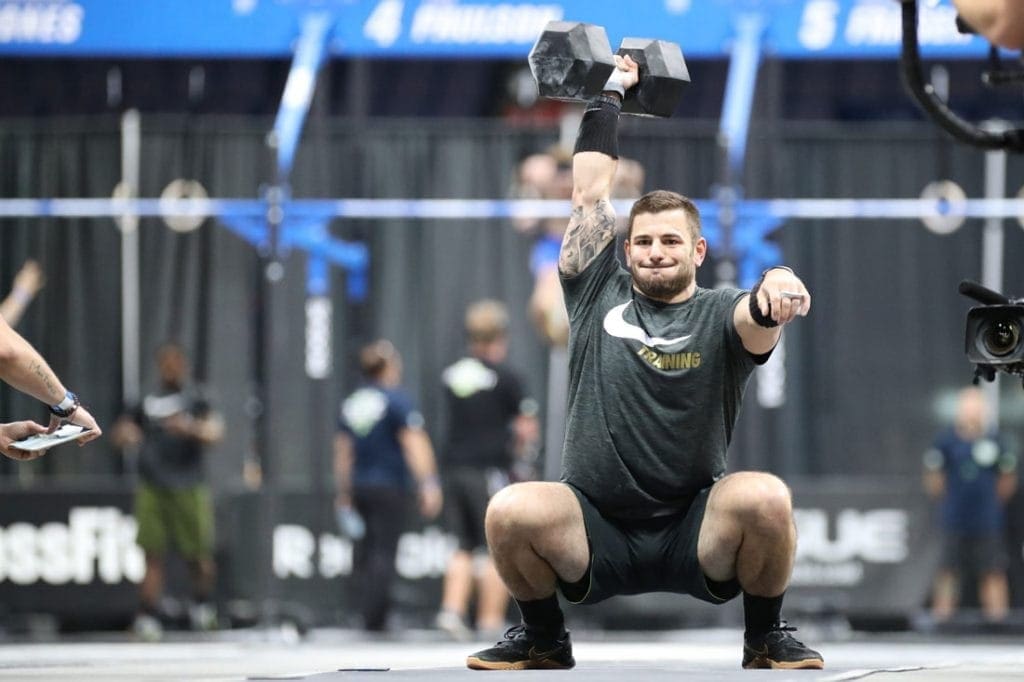
Overall, protein is essential for muscle growth and maintenance, making it a crucial nutrient for anyone looking to build or maintain muscle mass.
What are the Benefits of Having More Muscle?
Having more muscle has a variety of potential benefits for overall health, fitness, and well-being. Here are some of the most commonly cited benefits:
- Improved metabolic health: Muscle is more metabolically active than fat, meaning that having more muscle can help increase your resting metabolic rate and improve insulin sensitivity, which may reduce the risk of metabolic diseases like type 2 diabetes.
- Better body composition: Building muscle can help improve your body composition by reducing body fat percentage and increasing lean body mass, which can improve your appearance, confidence, and overall health.
- Increased strength and endurance: Building muscle can improve your strength and power output, which can enhance athletic performance and make it easier to perform daily activities like lifting heavy objects, climbing stairs, or carrying groceries.
- Better bone health: Resistance training and building muscle can help increase bone density and reduce the risk of osteoporosis, especially in older adults.
- Improved mood and cognitive function: Exercise, including resistance training and building muscle, has been shown to improve mood, reduce stress, and enhance cognitive function, including memory and attention.
- Reduced risk of injury: Having more muscle can help improve your overall physical resilience and reduce the risk of injury during physical activity or daily life.
Overall, building muscle has a wide range of potential benefits for physical health, mental well-being, and quality of life.
Why are Carbohydrates important for Building Muscle and Working Out?
Carbohydrates are important for building muscle and working out because they provide the body with a readily available source of energy that is essential for high-intensity exercise and muscle recovery.
During exercise, the body primarily uses carbohydrates (stored as glycogen in the muscles and liver) for fuel. When glycogen stores become depleted, fatigue can set in and performance may decline. Consuming carbohydrates before, during, and after exercise can help to maintain glycogen levels, delay fatigue, and improve overall performance.
Additionally, consuming carbohydrates after exercise is important for muscle recovery. After a workout, the body is in a state of catabolism (muscle breakdown) and requires nutrients to repair and rebuild muscle tissue. Carbohydrates can help to replenish glycogen stores and provide the energy needed for muscle repair and recovery.
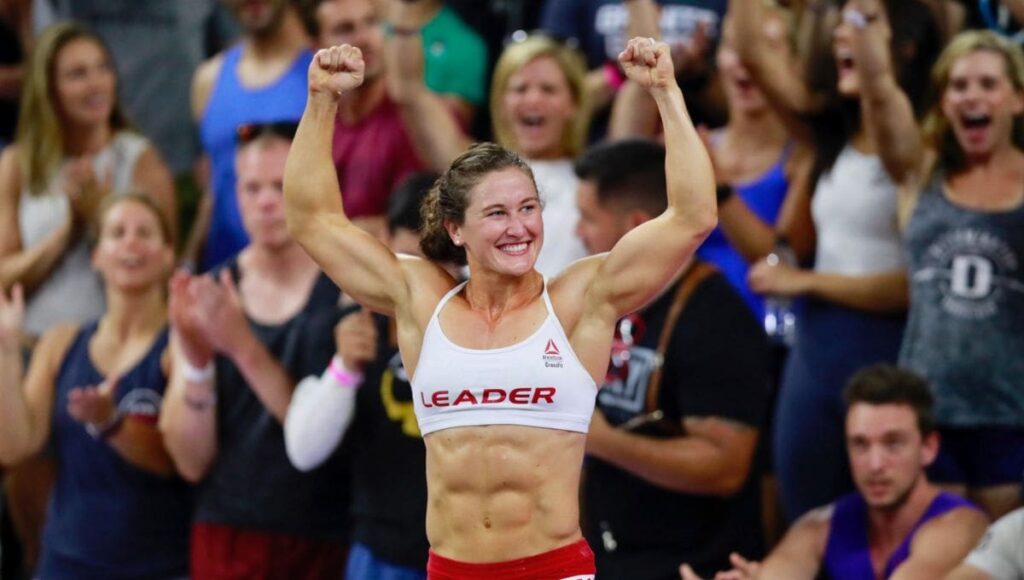
It’s worth noting that the amount and timing of carbohydrate consumption will vary based on individual factors, such as body composition, training goals, and activity level. However, in general, consuming a balanced diet that includes sufficient carbohydrates is essential for building and maintaining muscle mass, improving exercise performance, and supporting overall health and well-being.
Why is the Barbell Squat an Effective Exercise?
The barbell squat is widely considered to be one of the most effective exercises for building lower body strength and overall fitness. Here are some of the reasons why:
- Targets multiple muscle groups: The barbell squat primarily targets the quadriceps, glutes, and hamstrings, but also engages a variety of other muscles, including the core, lower back, and calves. This makes it a highly efficient exercise for building overall lower body strength and muscle mass.
- Increased hormone release: Barbell squats can trigger the release of anabolic hormones like testosterone and growth hormone, which play a key role in building muscle mass and promoting overall fitness.
- Improved functional movement: Squatting is a fundamental movement pattern that is used in many daily activities, such as getting up from a chair or lifting heavy objects. Strengthening this movement pattern through barbell squats can improve overall functional fitness and quality of life.
- Improved athletic performance: The strength and power gained through barbell squats can enhance athletic performance, such as jumping, sprinting, and other explosive movements.
- High resistance and overload: Barbell squats allow for high resistance and overload, which is necessary for building strength and muscle mass. As you progress in your training, you can increase the weight of the barbell to continue challenging your muscles and promoting ongoing progress.
Proper form and technique are essential when performing barbell squats to avoid injury and ensure maximum effectiveness. It’s recommended to work with a qualified trainer or coach to learn proper form and technique and gradually progress in weight and intensity over time.
Why is the Pull Up a Great Exercise?
The pull-up is a great exercise that targets multiple muscle groups and offers a range of benefits for overall fitness and strength. Here are some of the key reasons why:
Targets multiple muscle groups: Pull-ups primarily target the back muscles, specifically the latissimus dorsi, but also engage the biceps, forearms, and shoulders. This makes it a highly effective exercise for building upper body strength and muscle mass.
Bodyweight exercise: Pull-ups are a bodyweight exercise, which means that they require no additional equipment and can be done anywhere with a stable bar or other elevated surface. This makes them a convenient and accessible exercise for anyone looking to improve their fitness and strength.
Improved grip strength: Pull-ups require a strong grip, which can help to improve grip strength and overall hand and forearm strength.
Improved posture: Strengthening the back muscles through pull-ups can help to improve overall posture, reduce the risk of back pain, and promote spinal alignment.
Increased functional strength: Pull-ups are a functional exercise that mimics movements used in many daily activities, such as climbing, lifting, and reaching. Improving strength through pull-ups can enhance overall functional fitness and quality of life.
Pull-ups can be challenging for beginners, and proper form and technique are essential to avoid injury and ensure maximum effectiveness.
It’s recommended to start with assisted pull-ups or other modified versions and gradually progress in difficulty over time. A qualified trainer or coach can help with proper form and progression.
What are the Benefits of the Deadlift?
The deadlift is a powerful and effective exercise that offers a wide range of benefits for overall strength and fitness. Here are some of the key benefits of the deadlift:
- Full-body exercise: The deadlift is a compound exercise that targets multiple muscle groups, including the back, glutes, hamstrings, quadriceps, and core. This makes it a highly effective exercise for building overall strength and muscle mass.
- Improved functional strength: Deadlifts are a functional exercise that mimic movements used in many daily activities, such as lifting heavy objects, climbing stairs, and carrying groceries. Improving strength through deadlifts can enhance overall functional fitness and quality of life.
- Increased hormone release: Deadlifts can trigger the release of anabolic hormones like testosterone and growth hormone, which play a key role in building muscle mass and promoting overall fitness.
- Improved posture and spinal health: Properly executing a deadlift requires a neutral spine and engages the muscles of the lower back, which can help to improve overall posture and reduce the risk of back pain.
- Increased bone density: The heavy load used in deadlifts can help to increase bone density, which is important for overall bone health and reducing the risk of osteoporosis.
- Improved grip strength: Deadlifts require a strong grip, which can help to improve grip strength and overall hand and forearm strength.
Proper form and technique are essential when performing deadlifts to avoid injury and ensure maximum effectiveness.
Learn More
Unbelievably Effective Science-Backed Arm Exercises You’ve Never Seen Before
The Diet that Will Transform Your Body in 100 Days
What Happens to Your Body When You Try the Anti-Ageing Diet for 90 Days?