These are the best bulking strategies for maximum muscle growth. If you want to get bigger and gain strength, this is what you should be doing.
Gaining mass and sculpting a muscular physique are objectives laden with complexities and numerous paths, each with its unique set of challenges and rewards. The process of intentional weight gain, often perceived as a straightforward journey of increasing caloric intake, is intricately tied to a well-structured training regimen and an understanding of one’s own body. It’s a pursuit that requires a nuanced approach to nutrition, a disciplined training plan, and an awareness of how different bodies respond to various stimuli.
The information for this article is based on a video shared by Mike Israetel from Renaissance Periodization. Dr Mike Israetel, PhD in Sport Physiology and co-founder of Renaissance Periodization, is a well-respected professor in the bodybuilding community. He doesn’t only talk about workouts and fitness tips, he often dives deep into health and nutrition.
The concept of bulking—intentionally entering a caloric surplus to support muscle growth—presents a series of strategic decisions. From determining the right pace of weight gain to deciding the duration of a bulking phase, each choice significantly influences the outcomes. While the allure of rapid progress is tempting, the reality is that effective mass gaining is a balanced interplay of diet, training intensity, and recovery. Understanding the principles of clean versus dirty bulking, timing the transition to cutting phases, and the role of supplements like mass gainer shakes are all pivotal in navigating the mass gaining landscape successfully.

This is what this article is all about – presenting you the best strategies for maximum muscle growth in a simplified and easy-to-understand way.
How to End Every Workout for Better Improvement and Recovery
Best Bulking Strategies for Maximum Muscle Growth
Firstly, let’s address the elephant in the room: does intentional weight gain actually offer benefits, or can you simply “gain-train” your way to a muscular physique? The truth is, while you can make progress by maintaining your current weight and focusing on training, embracing intentional weight changes can significantly speed up your results. For instance, if you’re on the heavier side and aim to be lean yet muscular at the same weight, you’ll need to lose fat and gain muscle simultaneously. This can be a slow process if you’re not leveraging two critical nutritional tools: a calorie deficit to lose fat more quickly and a calorie surplus to gain muscle more rapidly. By strategically cycling through periods of cutting and bulking, you can achieve your desired physique more efficiently than by simply maintaining your weight.
Who Should and Shouldn’t Consider Bulking
Bulking isn’t for everyone at every stage of their fitness journey. If you’re well-trained, reasonably lean, and looking to maximise muscle growth, periodic bulking can be beneficial. However, if the idea of gaining weight makes you uncomfortable, or if you’re a beginner with plenty of room to grow without a caloric surplus, it might be wise to hold off. Beginners can often make significant gains by just focusing on consistent training and a balanced diet rich in protein.
When to Switch Exercises for Maximum Muscle Growth
The Pace of Gains
When it comes to gaining weight, the tortoise often beats the hare. Aiming to gain between half a pound to a pound per week strikes a balance, minimising fat gain while providing enough surplus to support muscle growth. Rushing the process can lead to excessive fat accumulation, which will require longer cutting phases later on.
Duration of Bulking
The optimal bulking period isn’t set in stone and should be tailored to your body’s response. Typically, after 12 to 16 weeks of intensive training and bulking, your body might need a break. Pushing beyond this point without allowing for recovery can lead to diminishing returns, as accumulated fatigue hampers your ability to train effectively.
Differences Between Training for Size and for Strength
Navigating the Waters of Clean vs Dirty Bulking
While it’s vital to fuel your body with nutritious foods for optimal health and performance, there’s room for flexibility. A diet that’s too rigid can be hard to stick to, while one that’s too lenient can lead to poor health outcomes. Striking a balance by focusing on wholesome foods, with the occasional indulgence, can make your bulking phase both effective and enjoyable.
Timing Your Cut
Deciding when to transition from a bulking to a cutting phase is crucial. It’s not just about when you start seeing extra fat; it’s about allowing enough time for muscle growth before shifting gears. After a substantial bulking period, followed by a phase of maintenance or active rest, a targeted cutting phase can help shed any unwanted fat while preserving the muscle you’ve worked hard to build.
How To Train Slow Twitch Fibre for More Muscle Growth
Mass Gainer Shakes: A Tool, Not a Miracle
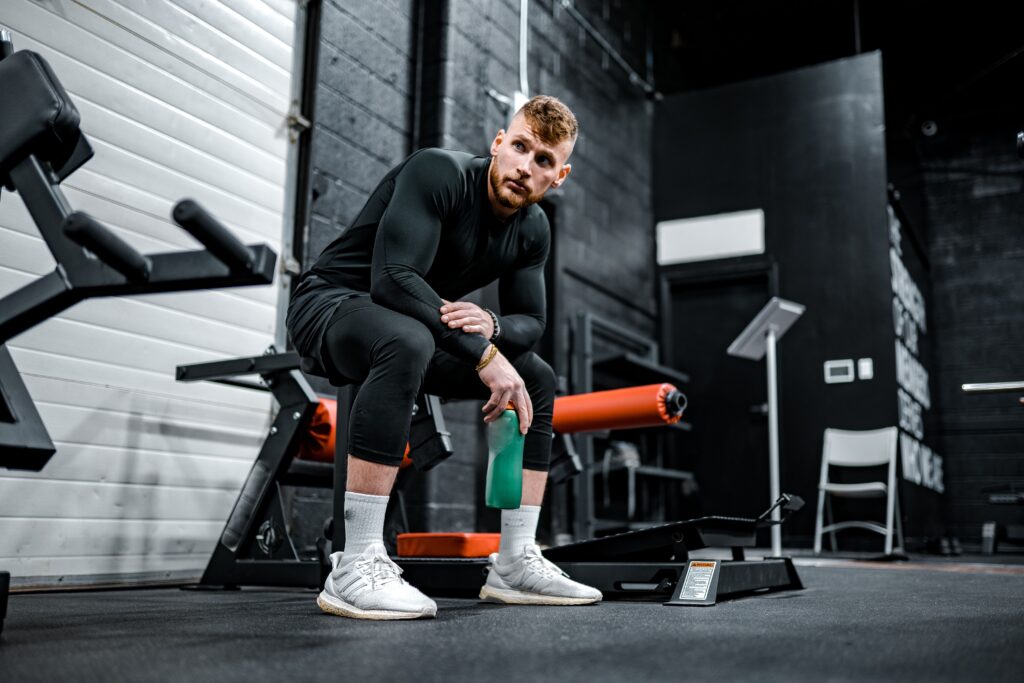
Mass gainer shakes can be a convenient way to meet your calorie and protein needs, especially post-workout. However, they’re not a prerequisite for success. They should complement a diet that’s rich in whole foods, providing a balanced spectrum of nutrients to support your training and muscle growth.
When Appetite Fails You
If your appetite is the bottleneck in your bulking journey, consider making your meals more palatable or increasing dietary fats to boost calorie intake. Remember, it’s normal for your appetite to fluctuate, especially as you near the end of a bulking phase. When you find it challenging to consume enough calories, it might be time to consider a strategic cut to reset your appetite and pave the way for future growth.
As you have read, the road to significant muscle gain is one of strategy, patience, and balance. By understanding when to push, when to pull back, and how to fuel your body effectively, you’re setting the stage for sustainable progress toward your physique goals. Whether you’re just starting out or looking to break through a plateau, these principles can guide you toward a more muscular, healthier version of yourself.
For a deeper understanding of the best strategies for maximum muscle growth according to Mike Israetel, you can simply watch the video below.
Related: How Stress Can Impact Muscle Growth