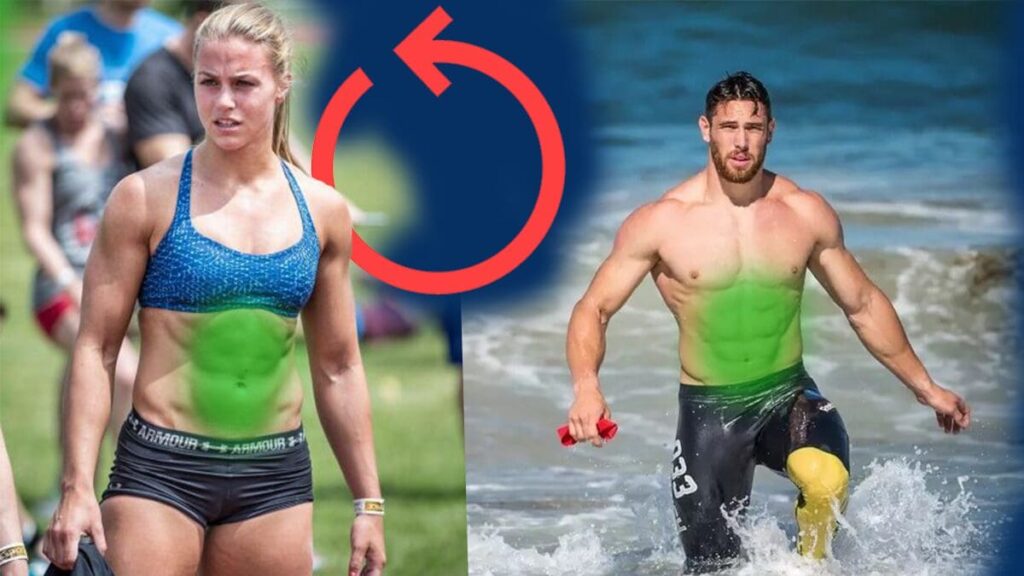
When it comes to forearm training, there’s an ongoing debate, fuelled by bodybuilding legends and scientific studies. The old-school opinion, famously voiced by Mike Mentzer, is that direct forearm work isn’t necessary because your forearms are already heavily involved in exercises where you grip a barbell. But hold up—before you throw away your wrist curls, let’s look deeper into what’s actually effective for maximizing forearm growth!
Are Direct Forearm Exercises Necessary?
Mike Mentzer famously said, “It’s been said that I have the best forearms in the business, and I never did any direct forearm work.” This statement reflects an old-school view shared by many bodybuilders. The idea here is that compound exercises like deadlifts and rows, which require you to grip a bar, are enough to stimulate forearm growth. While it’s true your forearms work hard during these movements, that doesn’t mean they’re getting all the love they need.
Multiple exercises can give your forearms a decent workout, but to truly maximize and accelerate your forearm gains, direct training is essential. The key reason for this is something called muscle fiber recruitment. To grow muscle, you need to achieve high levels of muscle fiber recruitment and tension. In most compound exercises, the forearms aren’t the limiting factor, meaning they don’t get fully activated. So, while they do grow from indirect work, it’s likely not optimal.
In fact, several big names in bodybuilding, such as Dave Draper and Chuck Sipes, were known for doing a lot of direct forearm work, and they had impressive results. Even Arnold Schwarzenegger, in his Encyclopedia of Bodybuilding, mentions the importance of giving your forearms some extra attention if you really want them to grow.
Differences Between Training for Size and for Strength
The Science of Forearm Growth
Let’s break it down a bit more. There are over 20 muscles in your forearm, divided into two main compartments: anterior (the front) and posterior (the back). If you’re looking to really develop these muscles, focusing on wrist curls, especially those that involve a full range of motion, is key.

Research suggests that muscles tend to grow better when trained through a longer range of motion, as opposed to shorter, partial ranges. But, not all wrist curls are created equal. For instance, standing wrist curls typically don’t allow for the forearm muscles to be fully stretched, which can limit their effectiveness. However, wrist curls where your forearms are placed horizontally on a surface (like a bench) allow the wrist to extend further, engaging those muscles more fully.
Using tools like fat grips can also help make traditional exercises more effective by increasing the diameter of the bar, which places your fingers in a slightly extended position, targeting muscles like the flexor digitorum superficialis and profundus more efficiently. As mentioned in the script, “We can modify this exercise to potentially make it better by using fat grip attachments.” This subtle change can give you better results by placing more tension on the forearm muscles at longer muscle lengths.
Top Forearm Exercises Ranked
The list below is from the YouTube channel House of Hypertrophy. Check out the video here that follows, or simply read through the article.
Now that we know why direct training is necessary, let’s dive into some of the best exercises, ranked for forearm hypertrophy:
1. Wrist Curls (Forearms Horizontal)
- Rank: S-tier
- This version allows your wrist to fully extend, hitting the forearm muscles at a longer length and giving a deeper stretch.
- You can modify this with fat grips to make it even more effective.
2. Standing Wrist Curls
- Rank: C-tier
- Effective, but they only work the muscles at shorter lengths. Adding fat grips or using finger extensions during the eccentric phase can bump this up to B-tier.
3. Wrist Extensions (Forearms Horizontal)
- Rank: S-tier
- Similar to wrist curls, but targeting the posterior compartment, this exercise trains the muscles at a longer range. It’s a great counterpart to wrist curls for balanced development.
4. Static Holds (Farmers Walks, Hangs, Grippers)
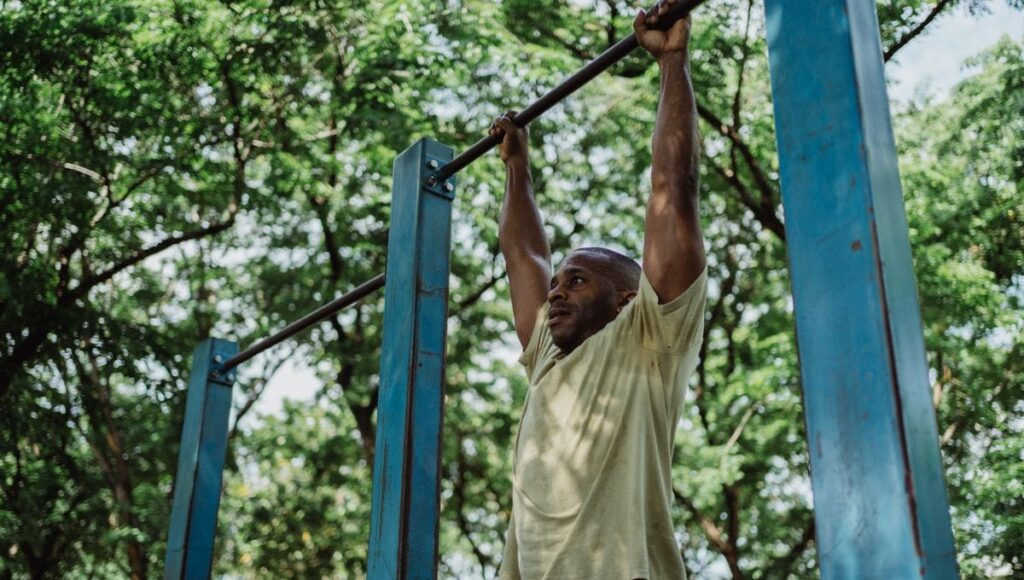
- Rank: Not Essential
- While these exercises do train grip strength and finger flexion, they aren’t essential if you’re already doing wrist curls, as they hit the same muscles. However, they can be added as supplementary exercises for overall forearm endurance.
Forearm Training Techniques and Tweaks
To really dial in your forearm workouts, pay attention to the following:
- Fat Grips: These add a new dimension to your workouts, increasing tension on the muscles and forcing your grip to work harder.
- Finger Extensions: Allowing your fingers to fully extend during wrist curls can target the flexor digitorum muscles more effectively.
- Use Full Range of Motion: Wherever possible, ensure you’re using a full range of motion to engage the muscle fibers completely. Shorter ranges of motion can still produce growth but may not be optimal for maximizing size.
Other Muscles That Affect Forearm Growth
Your forearms aren’t just about wrist curls, though. The brachioradialis, a large muscle in the forearm’s posterior compartment, plays a significant role in elbow flexion. So, exercises like hammer curls and reverse curls, which emphasize this muscle, are important for achieving full forearm development. Interestingly, studies have shown that different grip variations (supinated, pronated, or neutral) don’t always make as much difference to brachioradialis activation as we once thought, but preacher curls seem to give this muscle a better workout than other curling variations.

Conclusion: Building Your Forearms
Building a set of forearms that pop isn’t as simple as relying on indirect work from compound lifts. Direct training through exercises like wrist curls and wrist extensions, performed through a full range of motion, can make a huge difference. While it’s tempting to believe the Mike Mentzer-style of no direct work, the evidence and success of other bodybuilders suggest otherwise. If you’re serious about maximizing your forearm gains, don’t shy away from direct work!
So, while you’re crushing those deadlifts and rows, don’t forget to mix in some intentional forearm exercises—wrist curls, extensions, and a sprinkle of hammer curls will take you far. As the science and bodybuilding experience show, doing so will help you build forearms that command attention!