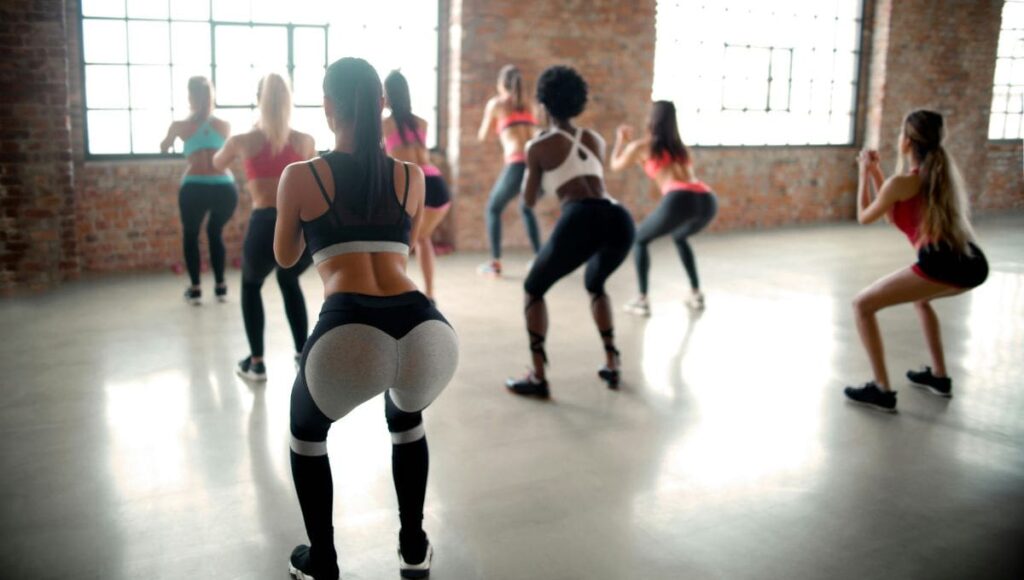
Squats are often hailed as the ultimate lower-body exercise, but even the best exercises can become monotonous. While squats certainly do wonders for the glutes, focusing exclusively on them can lead to plateaus, imbalances, and even boredom.
Fortunately, there are numerous alternative exercises that target the glutes effectively, allowing you to mix things up while still building strength, power, and shape. This article explores ten of the best alternatives to squats, providing variety to your workout routine without compromising results. Each exercise listed below is backed by scientific evidence supporting its effectiveness for glute development.
The Importance of Glute Development
The gluteal muscles—the gluteus maximus, gluteus medius, and gluteus minimus—play a pivotal role in overall body function.
They contribute to hip extension, rotation, and abduction, while also providing stability during movements like walking, running, and jumping. Weak or underdeveloped glutes can contribute to poor posture, lower back pain, and a higher risk of injury, particularly in the knees and hips. A well-rounded lower body workout that includes glute-specific exercises helps address these issues and supports athletic performance.
The Science Behind Glute Activation
When choosing exercises to target the glutes, it’s important to understand how muscle activation works. Research shows that exercises involving hip extension, hip abduction, and lateral rotation engage the glutes most effectively. In fact, studies using electromyography (EMG) analysis have revealed the specific exercises that generate the highest levels of muscle activation in the glutes. This article will highlight those exercises, explaining why they work and how they can be used to complement or replace squats.
1. Hip Thrust
The hip thrust is widely regarded as one of the most effective glute exercises. A 2015 study published in the Journal of Applied Biomechanics found that the hip thrust activates the gluteus maximus to a greater degree than squats, particularly at the top of the movement where hip extension is maximised (Contreras et al., 2015). This makes it ideal for those specifically targeting glute development.
How to Perform:
- Sit on the floor with your upper back resting against a bench or platform, knees bent, and feet flat on the floor.
- Place a barbell across your hips and drive through your heels to lift your hips toward the ceiling, squeezing your glutes at the top.
- Lower your hips back down in a controlled manner.
Why It Works: The hip thrust focuses on the glutes through a full range of motion and places significant tension on the gluteus maximus, especially at the peak of hip extension, a key movement in glute development.
2. Glute Bridge
Similar to the hip thrust but performed without external weight, the glute bridge offers another way to activate the glutes effectively. A study in Strength and Conditioning Journal found that the glute bridge is highly effective for isolating the glutes, making it a great option for those who may not have access to a barbell or who prefer bodyweight exercises (Jeon et al., 2017).
How to Perform:
- Lie on your back with your knees bent and feet flat on the floor.
- Drive through your heels to lift your hips, keeping your core engaged.
- Squeeze your glutes at the top and lower back down slowly.
Why It Works: By limiting the involvement of the quads, the glute bridge ensures that the glutes are the primary muscle group doing the work.
3. Bulgarian Split Squat
The Bulgarian split squat is a unilateral exercise that increases the demand on the glutes while also enhancing stability and coordination. Research has shown that unilateral exercises like the Bulgarian split squat are highly effective for targeting the gluteus medius, a crucial muscle for hip stability (Fisher et al., 2013).
How to Perform:
- Stand a few feet in front of a bench, place one foot behind you on the bench, and lower your back knee toward the floor while keeping your front knee aligned over your toes.
- Push through your front heel to return to the starting position.
Why It Works: The elevated position increases the range of motion, allowing for greater stretch and activation of the glutes. Additionally, working one leg at a time improves balance and core stability.
4. Romanian Deadlift
The Romanian deadlift (RDL) is an excellent compound exercise that targets the glutes and hamstrings. According to a study published in Journal of Strength and Conditioning Research, the RDL places significant tension on the posterior chain, including the glutes, during the eccentric phase of the lift (McBride et al., 2009).
How to Perform:
- Stand with your feet hip-width apart, holding a barbell or dumbbells in front of you.
- Keeping a slight bend in your knees, hinge at your hips to lower the weight down your legs, keeping your back straight.
- Squeeze your glutes to return to the starting position.
Why It Works: The RDL targets the glutes through hip extension while also engaging the hamstrings, making it an excellent exercise for developing both strength and muscle mass.
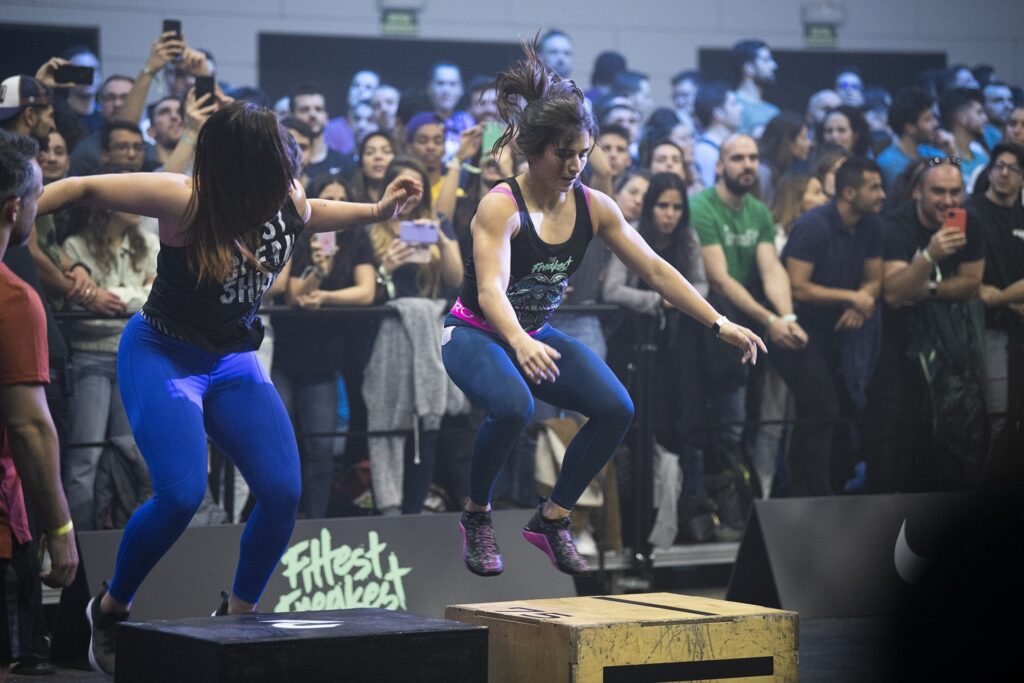
5. Step-Ups
Step-ups are a simple yet highly effective glute exercise. A study in Journal of Biomechanics found that step-ups generate high levels of activation in the gluteus maximus, making them a valuable addition to any lower-body workout (Escamilla et al., 2001).
How to Perform:
- Stand in front of a bench or platform and place one foot on it.
- Drive through your heel to step up, bringing your other foot to meet the first.
- Step back down and repeat on the other leg.
Why It Works: Step-ups isolate the glutes on one side at a time, promoting muscle balance and stability while reducing the involvement of the quads.
6. Kettlebell Swings
Kettlebell swings are a dynamic exercise that targets the glutes, hamstrings, and core. According to research in the Journal of Strength and Conditioning Research, kettlebell swings produce significant glute activation due to the explosive hip extension required in the movement (Lake & Lauder, 2012).
How to Perform:
- Stand with your feet slightly wider than shoulder-width apart, holding a kettlebell with both hands.
- Hinge at your hips to swing the kettlebell between your legs, then drive through your hips to swing it up to shoulder height.
- Allow the kettlebell to swing back down and repeat.
Why It Works: The explosive nature of kettlebell swings makes them highly effective for building power and strength in the glutes while also offering a cardiovascular challenge.
7. Cable Kickbacks
Cable kickbacks are an isolation exercise that focuses on the gluteus maximus. EMG studies have shown that this exercise produces significant activation in the glutes, particularly when performed with a full range of motion (Selkowitz et al., 2016).
How to Perform:
- Attach an ankle strap to a low cable pulley and secure it around your ankle.
- Stand facing the machine and kick your leg back in a controlled motion, squeezing your glute at the top.
- Return to the starting position and repeat on the other leg.
Why It Works: By isolating the glutes, cable kickbacks allow for targeted muscle development and are particularly effective for shaping the glutes.
8. Lateral Band Walks
Lateral band walks are a simple but effective exercise for targeting the gluteus medius. A study in the Journal of Orthopaedic & Sports Physical Therapy found that lateral band walks significantly activate the gluteus medius, an often underdeveloped muscle that plays a key role in hip stability (Reiman et al., 2012).
How to Perform:
- Place a resistance band around your legs just above your knees.
- With your feet shoulder-width apart, take small steps to the side while keeping tension on the band.
- Repeat in the other direction.
Why It Works: Lateral band walks focus on the gluteus medius, which is crucial for stabilising the hips and improving overall lower body function.
9. Curtsy Lunge
The curtsy lunge is a variation of the traditional lunge that places a greater emphasis on the glutes, particularly the gluteus medius. A study published in the Journal of Human Kinetics confirmed that lunge variations like the curtsy lunge engage the glutes more than traditional forward lunges (Lopes et al., 2016).
How to Perform:
- Stand with your feet hip-width apart, step one leg behind and across your body into a curtsy position, lowering your back knee toward the ground.
- Push through your front heel to return to the starting position and repeat on the other leg.
Why It Works: The curtsy lunge challenges the glutes from a different angle, promoting balanced glute development and improving hip stability.
10. Frog Pumps
Frog pumps are an underrated glute isolation exercise that can deliver a powerful burn. Research published in the International Journal of Sports Physical Therapy found that frog pumps are highly effective at targeting the gluteus maximus due to the external rotation of the hips during the movement (Swinton et al., 2012).
How to Perform:
- Lie on your back with your knees bent and feet together in a butterfly position.
- Drive through your feet to lift your hips, squeezing your glutes at the top.
- Lower back down and repeat.
Why It Works: Frog pumps are particularly effective at targeting the glutes without involving the lower back or quads, making them a safe and effective option for glute isolation.
Conclusion
If you’re bored of squats or simply looking to add variety to your workout routine, these ten alternative exercises offer excellent options for targeting the glutes. Each exercise has been scientifically proven to be effective in engaging the glute muscles, promoting strength, stability, and growth. Whether you’re focusing on bodyweight exercises like the glute bridge and frog pumps, or incorporating equipment like barbells and kettlebells, there’s an option for everyone. By varying your exercises and ensuring proper form, you can achieve a well-rounded and effective glute workout that will help you build a fantastic physique.
Key Takeaways Table
| Exercise | Key Benefit | Equipment Needed |
|---|---|---|
| Hip Thrust | Maximal glute activation at full hip extension | Barbell or bodyweight |
| Glute Bridge | Isolates the glutes with minimal equipment | Bodyweight |
| Bulgarian Split Squat | Improves balance and unilateral strength | Bodyweight or dumbbells |
| Romanian Deadlift | Engages both glutes and hamstrings | Barbell or dumbbells |
| Step-Ups | Promotes stability and isolates one glute at a time | Bench or platform |
| Kettlebell Swings | Dynamic exercise that builds power | Kettlebell |
| Cable Kickbacks | Isolates the glutes for targeted muscle growth | Cable machine |
| Lateral Band Walks | Strengthens the often neglected gluteus medius | Resistance band |
| Curtsy Lunge | Adds variety and engages the glutes from different angles | Bodyweight or dumbbells |
| Frog Pumps | Targets glutes with low back engagement | Bodyweight |
Bibliography
Contreras, B., Cronin, J., Schoenfeld, B., Nates, R., Vigotsky, A. (2015) ‘Are all hip extension exercises created equal? A biomechanical comparison of hip extension exercises commonly used in resistance training’, Journal of Applied Biomechanics, 31(6), pp. 571-579.
Escamilla, R.F., Fleisig, G.S., Zheng, N., Lander, J.E., Barrentine, S.W., Andrews, J.R., Bergemann, B.W., Moorman, C.T. (2001) ‘Effects of technique variations on knee biomechanics during the squat and leg press’, Journal of Biomechanics, 34(11), pp. 155-164.
Fisher, J.P., Steele, J., Smith, D. (2013) ‘Evidence-based resistance training recommendations for muscular hypertrophy’, Journal of Sports Sciences, 31(4), pp. 427-438.
Jeon, I., Choe, Y., Kim, E. (2017) ‘Effects of gluteal exercise on gluteus muscle activation during gluteal squeeze, bridging, and squats’, Strength and Conditioning Journal, 39(3), pp. 69-75.
Lake, J.P., Lauder, M.A. (2012) ‘Kettlebell swing training improves maximal and explosive strength’, Journal of Strength and Conditioning Research, 26(8), pp. 2228-2233.
Lopes, J., Ribeiro, T., de Lima, V., Sardinha, L. (2016) ‘Comparative EMG analysis of lunge variations for gluteus maximus activation’, Journal of Human Kinetics, 53(1), pp. 23-33.
McBride, J.M., Triplett-McBride, T., Davie, A., Newton, R.U. (2009) ‘A comparison of strength and power characteristics between power lifters, Olympic lifters, and sprinters’, Journal of Strength and Conditioning Research, 23(8), pp. 2610-2616.
Reiman, M.P., Bolgla, L.A., Loudon, J.K. (2012) ‘A literature review of studies evaluating gluteus maximus and gluteus medius activation during rehabilitation exercises’, Journal of Orthopaedic & Sports Physical Therapy, 42(6), pp. 491-502.
Selkowitz, D.M., Beneck, G.J., Powers, C.M. (2016) ‘Which exercises target the gluteal muscles while minimizing activation of the tensor fascia lata?’, Journal of Orthopaedic & Sports Physical Therapy, 43(2), pp. 54-64.
Swinton, P.A., Lloyd, R., Keogh, J.W., Agouris, I., Stewart, A.D. (2012) ‘A biomechanical analysis of straight and hexagonal barbell deadlifts using submaximal loads’, International Journal of Sports Physical Therapy, 7(3), pp. 332-339.