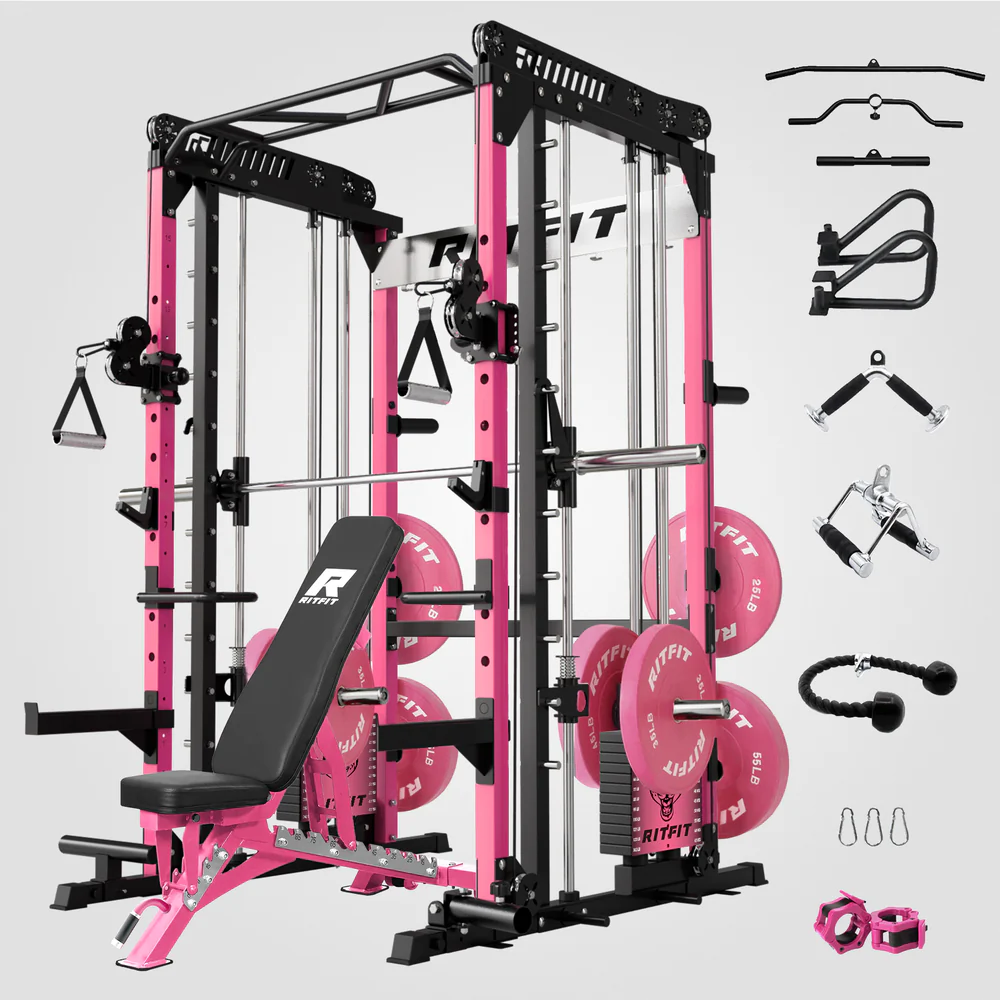
The bench press is one of the most iconic exercises in strength training, synonymous with chest development and overall upper body strength. However, it’s not the only path to building a powerful chest.
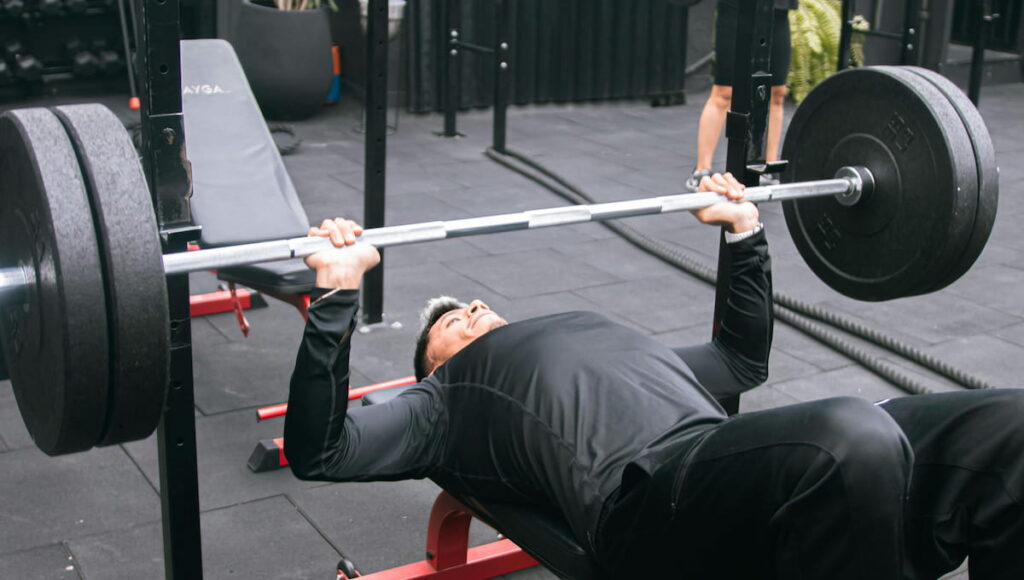
Whether you’re looking to break through plateaus, address muscular imbalances, or simply try something new, there are alternative exercises that deliver equal, if not superior, results. In this article, we explore three highly effective alternatives to the bench press that are backed by science.
Why Consider Alternatives to the Bench Press?
The bench press is undoubtedly effective, but it has its limitations. Repetitive use can lead to overuse injuries, particularly in the shoulders and wrists. Research also shows that the bench press, when performed improperly, can strain the rotator cuff and lead to imbalances in the anterior and posterior deltoids (Escamilla et al., 2001). For individuals with limited shoulder mobility or prior injuries, exploring alternatives can help maintain progress while reducing injury risk.
In addition, varying exercises is crucial for hypertrophy. The principle of varied stimuli, as outlined by Schoenfeld (2010), demonstrates that altering exercises can lead to greater muscle growth by recruiting different motor units and activating various fibres within the target muscle group.
1. Weighted Dips
How They Work
Weighted dips are a compound movement targeting the chest, triceps, and shoulders. By leaning forward slightly, you shift the emphasis towards the pectoralis major, making dips a powerful chest-building exercise. Research by Glass and Armstrong (1997) found that dips elicited comparable pectoral activation to the bench press, making them a viable alternative.
How to Perform
- Use parallel bars and start with your arms fully extended.
- Lean your torso slightly forward and lower your body until your elbows reach a 90-degree angle.
- Push back to the starting position, maintaining control throughout.
- Add weight using a dip belt as you progress.
Benefits
- Promotes greater range of motion than the bench press, enhancing flexibility.
- Minimal equipment required, making it accessible.
- Strengthens stabiliser muscles often neglected in barbell exercises.
Key Considerations
Ensure proper form to avoid strain on the shoulders. Beginners may start with bodyweight dips before progressing to weighted variations.
2. Dumbbell Chest Press
How They Work
The dumbbell chest press provides a greater range of motion compared to the barbell bench press, engaging more muscle fibres. A study by Saeterbakken et al. (2011) found that the dumbbell press activated stabiliser muscles to a significantly higher degree than its barbell counterpart, making it an excellent alternative for functional strength.
How to Perform
- Lie flat on a bench with a dumbbell in each hand.
- Start with the dumbbells positioned near your chest and palms facing forward.
- Press the weights upward until your arms are fully extended.
- Lower the dumbbells slowly to the starting position, maintaining control.
Benefits
- Allows for a more natural movement pattern, reducing joint stress.
- Addresses muscle imbalances by ensuring each side works independently.
- Easier to adjust weight increments, accommodating gradual progress.
Key Considerations
Avoid using excessively heavy weights, as this can compromise form and increase the risk of injury. Focus on controlled, deliberate movements to maximise engagement.
3. Cable Chest Flyes
How They Work
Cable chest flyes isolate the pectoralis major and provide continuous tension throughout the movement. Unlike free weights, cables maintain resistance in both the concentric and eccentric phases of the exercise. According to Paoli et al. (2010), cable flyes are highly effective at targeting the sternal portion of the chest, making them ideal for sculpting a well-defined chest.
How to Perform
- Set the pulleys on a cable machine to chest height.
- Grasp the handles and step forward into a staggered stance.
- With a slight bend in your elbows, bring your hands together in a wide arc.
- Slowly return to the starting position, feeling the stretch in your chest.
Benefits
- Excellent for targeting the inner chest.
- Reduces strain on the shoulders compared to pressing movements.
- Adjustable angles allow for varied emphasis on upper, middle, or lower chest.
Key Considerations
Avoid overextending your arms to prevent undue stress on the shoulder joints. Maintain a slight bend in the elbows throughout the movement.
Integrating These Alternatives into Your Routine
Incorporating these exercises into your programme doesn’t mean abandoning the bench press altogether. Instead, consider rotating these alternatives into your weekly split to avoid overuse injuries and ensure balanced development. For instance, you might perform weighted dips on chest-focused days, use the dumbbell press during hypertrophy training, and include cable flyes for accessory work.
Final Thoughts
The bench press is a cornerstone of strength training, but it’s not the be-all and end-all of chest development. Weighted dips, dumbbell chest presses, and cable chest flyes offer distinct benefits that can complement or even replace traditional bench pressing, depending on your goals. Backed by science and practical application, these exercises ensure you can continue building strength and size without monotony or plateaus.
Key Takeaways Table
| Exercise | Benefits | Key Considerations |
|---|---|---|
| Weighted Dips | Builds strength and flexibility with minimal equipment. | Ensure proper form to avoid shoulder strain. |
| Dumbbell Chest Press | Engages stabiliser muscles and allows for a natural movement pattern. | Focus on controlled movements. |
| Cable Chest Flyes | Provides continuous tension and isolates the pectoralis major. | Avoid overextending arms to prevent stress. |
References
Escamilla, R.F., Fleisig, G.S., Zheng, N., Barrentine, S.W., Wilk, K.E. and Andrews, J.R., 2001. Kinematic comparisons of 199 high-load strength and power lifting exercises. Journal of Strength and Conditioning Research, 15(1), pp.75-78.
Schoenfeld, B.J., 2010. The mechanisms of muscle hypertrophy and their application to resistance training. Journal of Strength and Conditioning Research, 24(10), pp.2857-2872.
Glass, S.C. and Armstrong, T., 1997. Electromyographical activity of the pectoralis major and anterior deltoid muscles during three upper-body lifts. Journal of Strength and Conditioning Research, 11(3), pp.195-200.
Saeterbakken, A.H., Van Den Tillaar, R. and Fimland, M.S., 2011. A comparison of muscle activation and resistance between barbell bench press and dumbbell bench press. Journal of Strength and Conditioning Research, 25(11), pp.3118-3122.
Paoli, A., Marcolin, G. and Petrone, N., 2010. Influence of different ranges of motion on muscle activity in resistance training exercises. Journal of Strength and Conditioning Research, 24(7), pp.1891-1897.