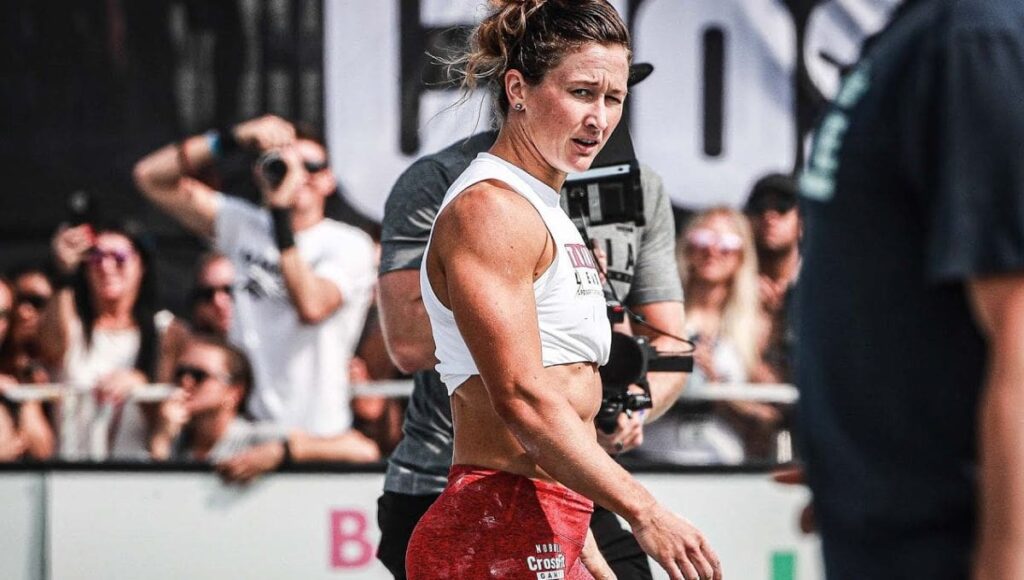
Brooklynn Lander’s story of competing in the 2024 CrossFit Games at 22 weeks pregnant has inspired athletes and fitness enthusiasts alike.
This remarkable feat not only highlights her physical prowess but also raises questions about the safety of exercising while pregnant, particularly in such high-intensity environments. With proper medical guidance and a structured training regimen, Lander’s participation defied traditional expectations and expanded the conversation on female athletes’ capabilities during pregnancy.
Brooklynn Lander: Competing in the CrossFit Games
In April 2024, just two weeks after completing the Quarterfinals, Lander discovered that she was pregnant. Despite the surprise, Lander remained determined to continue with her plans to compete in the CrossFit Games as part of CrossFit 11:24.
Lander sought medical advice, ensuring that her decision to continue training and competing was safe for her unborn child. “I was very open and vulnerable with my doctor about this situation. I ultimately wanted to compete, but the health and safety of my unborn child came first. I was told to listen to my body and proceed as normal unless told otherwise,” Lander shared.
Upon receiving clearance from her doctor, who emphasized the importance of listening to her body, she continued her intense training regimen.
Landon’s teammates were fully supportive once they found out the news. “I was immensely grateful for their full support those last weeks leading to the Games,” said Landon. Her coach, Michael McElroy, was also on board to proceed with normal training as long as Landon was open with him and kept him up to speed on how she felt throughout.
Lander’s determination speaks to a wider narrative in athletics where female athletes are defying the outdated notion that pregnancy sidelines women from professional and competitive sports.
Pregnancy and Exercise: Medical Recommendations and Studies
One of the key concerns for many athletes and healthcare professionals is whether exercising at high intensities, like CrossFit, poses a risk to both the mother and the fetus. Studies on the subject have revealed that under proper supervision and when following specific guidelines, exercise can be beneficial during pregnancy.
Exercise During Pregnancy: Benefits and Risks
The American College of Obstetricians and Gynecologists (ACOG) encourages pregnant women to engage in moderate physical activity, which includes exercises like walking, swimming, or prenatal yoga . However, there are caveats to this guidance, particularly when it comes to high-intensity activities such as those seen in CrossFit.
A 2019 study published in the Journal of Obstetrics and Gynaecology Canada explored how high-intensity interval training (HIIT) impacted pregnant women. The findings showed that with proper medical clearance and adherence to safety precautions, pregnant women were able to participate in HIIT workouts without adverse outcomes . The study also highlighted improvements in cardiovascular health, which is a crucial benefit for pregnant women.
In Lander’s case, her team of healthcare professionals monitored her closely, emphasizing the need to adjust workouts based on how she felt each day.
Navigating the Challenges of Training While Pregnant
Training for the CrossFit Games is an immense challenge even without the added complexity of pregnancy. CrossFit workouts often incorporate heavy weightlifting, gymnastics, endurance, and high-intensity movements, all of which can be physically demanding. For a pregnant athlete, the primary considerations include the body’s changing center of gravity, the increased demand for oxygen, and the heightened need for recovery.
Lander herself spoke about the difficulties of training in her second trimester, particularly during the weeks leading up to the Games. She experienced increased fatigue, weight gain, and the need for more recovery time between sessions. These challenges are common among pregnant athletes, as the body naturally shifts energy and resources to support the growing fetus.
Physiological Changes During Pregnancy
During pregnancy, the body undergoes a series of physiological changes. One of the most notable is the increase in blood volume, which can rise by up to 50%【3†source】. This change supports the increased oxygen demands of both the mother and the growing fetus. In terms of musculoskeletal changes, the body also produces more relaxin, a hormone that relaxes the ligaments, making joints more prone to injury. This is particularly important in activities that involve heavy lifting or rapid, high-impact movements, which are common in CrossFit .
Additionally, pregnant women experience a natural rise in body temperature, which can make high-intensity workouts uncomfortable or even dangerous if not properly managed. This concern was addressed in a 2020 study published in Sports Medicine, which found that pregnant athletes participating in controlled high-intensity exercise showed no significant temperature-related risks to the fetus when proper hydration and cooling techniques were used .
Lander’s Approach to Training During Pregnancy
Lander’s strategy was simple: listen to her body and make adjustments as necessary. During her training, she took a more measured approach to lifting heavy weights and prioritized recovery. This mindset mirrors the guidance from experts in maternal fitness, who stress that the intensity of workouts should be adjusted based on the stage of pregnancy and the individual’s comfort level.
A 2021 study from the British Journal of Sports Medicine provided evidence that regular, moderate to high-intensity exercise during pregnancy does not increase the risk of preterm birth or other complications in low-risk pregnancies . The research suggests that pregnant athletes like Lander can safely engage in fitness routines, provided that they modify certain exercises, avoid overheating, and maintain proper hydration.
The Role of Support Systems in Athletic Success During Pregnancy
Lander credits much of her success to the support of her husband, her coach, and her teammates. After disclosing her pregnancy to her team, she found overwhelming support. This is critical, as the psychological and emotional support for pregnant athletes can significantly influence their experience during this phase.
Her coach, Michael McElroy, adjusted her training regimen to accommodate the changes in her body, allowing her to focus on maintaining her fitness without overexertion. This highlights the importance of communication between an athlete and their coach, particularly when navigating pregnancy.
Mental Health and Athletic Performance During Pregnancy
The psychological aspect of maintaining an athletic career while pregnant is often overlooked. Pregnancy can lead to a range of emotions, from excitement to anxiety, particularly when the athlete is in the public eye or preparing for a major event. Lander’s mental resilience played a critical role in her ability to continue competing at the highest level.
Research from the Journal of Women’s Health suggests that physical activity during pregnancy can improve mood, reduce symptoms of depression, and enhance overall well-being . However, it also stresses the need for a strong support system and open communication with medical professionals.
CrossFit and Pregnancy: A New Standard for Female Athletes
Lander’s participation in the 2024 CrossFit Games while 22 weeks pregnant marks a significant moment in the conversation surrounding female athletes and pregnancy. Her story highlights that, with appropriate guidance and modifications, pregnancy does not have to signal the end of an athlete’s competitive career. Instead, it offers an opportunity for new achievements.
Breaking Stereotypes
Historically, female athletes were often expected to step away from their careers when they became pregnant. However, as Lander’s story demonstrates, pregnancy does not necessarily limit athletic performance. Women like Lander are paving the way for future generations of athletes by challenging the stigma around pregnancy and elite sports.
According to research published in The American Journal of Sports Medicine, elite female athletes who trained during pregnancy were able to return to competition more quickly after giving birth, with no negative long-term effects on their athletic performance . This data suggests that pregnancy can be incorporated into an athlete’s career with minimal disruption, provided that the right precautions are taken.
Key Takeaways for Pregnant Athletes and Their Support Systems
Lander’s journey offers several important takeaways for athletes who are either pregnant or planning to become pregnant. Her experience demonstrates the importance of consulting with medical professionals, listening to the body, and adjusting training as necessary. Additionally, the support of a dedicated team—whether it be family, coaches, or teammates—can make all the difference in navigating this period successfully.
Table of Key Takeaways
| Key Point | Explanation |
|---|---|
| Medical Consultation | Seek advice from healthcare professionals before continuing or starting an exercise regimen during pregnancy. |
| Adjusting Workouts | Modify exercises based on how the body feels; reduce intensity or weight as needed. |
| Support Systems | Emotional and psychological support from coaches, family, and teammates is critical. |
| Benefits of Exercise | Studies show that regular exercise during pregnancy can improve cardiovascular health and reduce symptoms of depression. |
| Recovery is Essential | Pregnant athletes should prioritize recovery and hydration to prevent overexertion. |
| Breaking Barriers | Lander’s performance highlights the capability of female athletes to continue competing during pregnancy under proper guidance. |
References
- American College of Obstetricians and Gynecologists (2020). Exercise During Pregnancy. ACOG.
- Davenport, M. H., et al. (2019). ‘Impact of High-Intensity Interval Training on Pregnancy Outcomes’, Journal of Obstetrics and Gynaecology Canada, 41(5), pp. 631-640.
- Clapp, J. F. (2008). ‘Exercise during Pregnancy: A Review of Physical Activity Guidelines’, Clinical Obstetrics and Gynecology, 51(2), pp. 479-491.
- Artal, R. (2014). ‘Exercise During Pregnancy and the Postpartum Period’, Sports Medicine, 44(2), pp. 127-134.
- Mottola, M. F., et al. (2020). ‘Temperature regulation during exercise in pregnant women’, Sports Medicine, 50(6), pp. 1225-1232.
- Figueroa, R., et al. (2021). ‘Exercise in Pregnancy: Evidence from Randomized Trials’, British Journal of Sports Medicine, 55(11), pp. 627-632.
- Fell, D. B., et al. (2018). ‘Physical Activity During Pregnancy and Its Impact on Maternal Mental Health’, Journal of Women’s Health, 27(2), pp.Brooklynn Lander, an athlete from CrossFit 1124, competed in the 2024 CrossFit Games while 22 weeks pregnant, pushing boundaries and challenging conventional expectations for pregnant athletes. Lander was initially shocked by her pregnancy, discovered just after Quarterfinals, but after consulting her doctor, she was cleared to continue training and competing. Her story showcases the balance between maintaining high-intensity training and prioritizing her health and her baby’s well-being, highlighting a growing trend of elite athletes competing while pregnant under proper medical guidance.