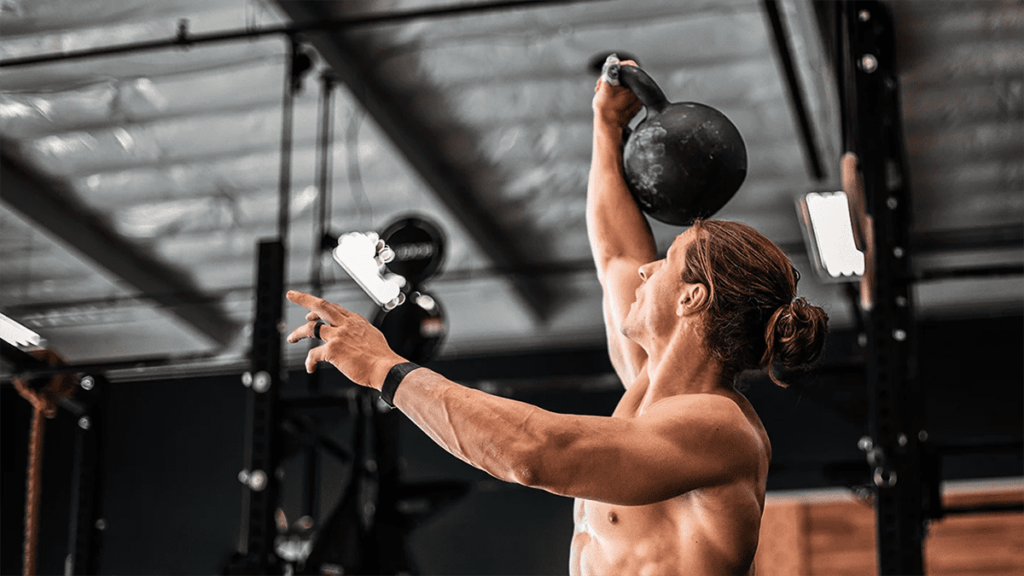
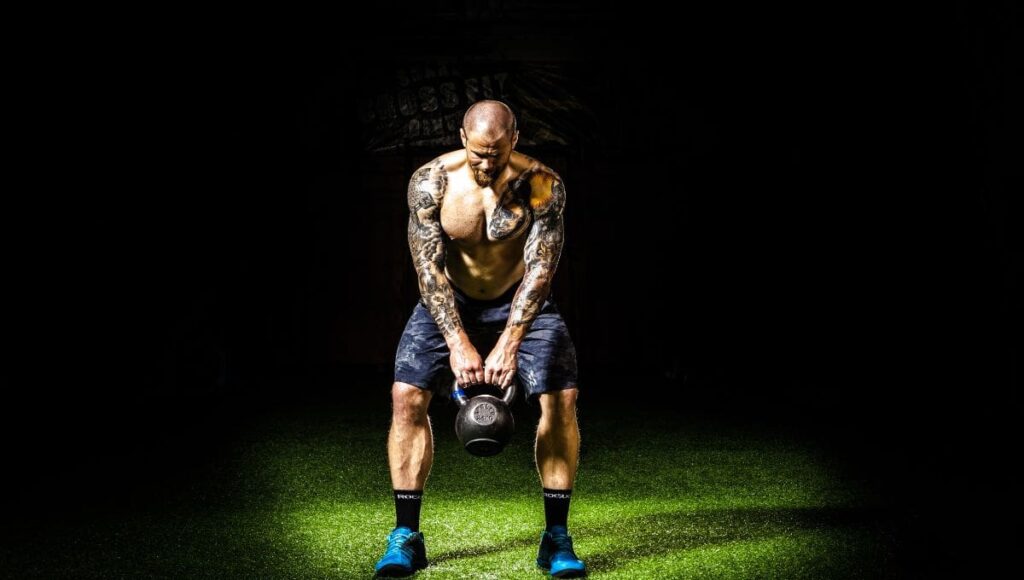
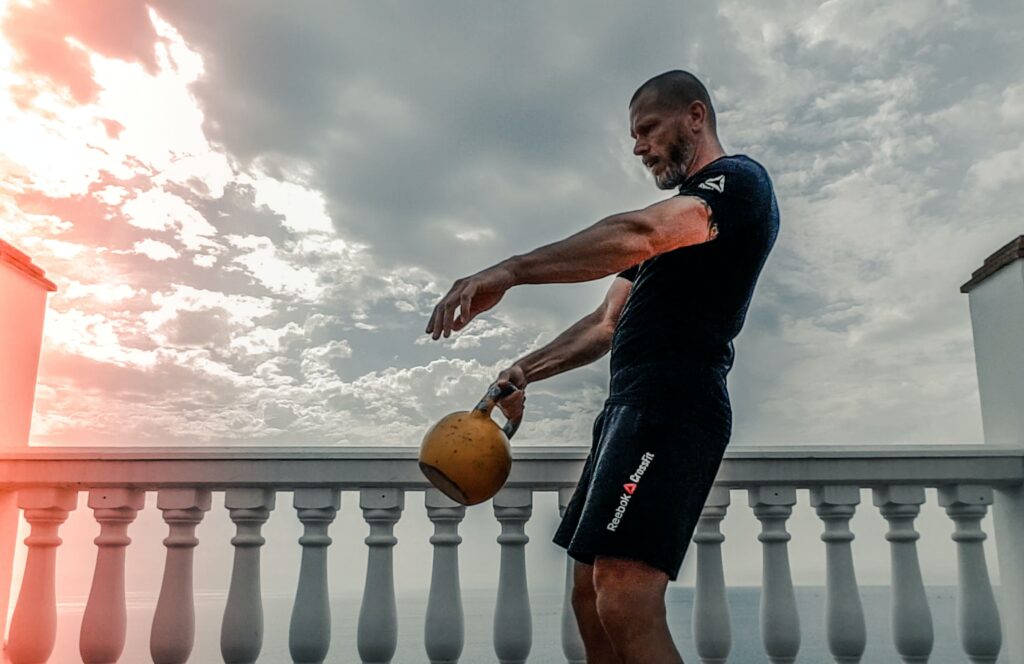
The Kettlebell Halo, an exercise rooted in ancient training methodologies, has garnered significant attention on social media platforms like TikTok and Instagram. Despite its popularity, it has also faced criticism and skepticism from some quarters.
This article aims to delve deeper into the Kettlebell Halo and steel clubs, addressing both its merits and the misconceptions surrounding it, providing a comprehensive guide to mastering this valuable exercise.
Table of Contents
Build Iron Shoulders with Kettlebell Halos and Steel Clubs
The kettlebell halo exercise piqued the interest of many people online, but it also attracted a fair share of criticism. On Sinicki’s Instagram account, comments ranged from high praise, noting benefits for shoulder mobility, to outright dismissal, calling the exercise pointless or even harmful. It’s essential to address these criticisms and highlight why the Kettlebell Halo deserves a place in your workout routine.
The Kettlebell Halo: An Ancient Exercise
The Kettlebell Halo is part of the Shield Cast family of exercises, alongside movements like the Gamma Cast. These exercises have been around for centuries, providing significant benefits that modern fitness enthusiasts might overlook. By dismissing the Kettlebell Halo, critics ignore a rich history of training wisdom.
Performing the Kettlebell Halo
- Start Position: Hold the kettlebell with both hands by the horns, elbows at right angles.
- Movement: Move the kettlebell over one shoulder, around the back of the head, and return to the starting position. Keep the elbows pointing towards the sky when the kettlebell is behind your head.
- Focus on Mobility: Allow the weight to stretch your lats and triceps, improving overhead mobility while keeping your core braced to prevent rib flaring.
Benefits of the Kettlebell Halo
1. Improved Shoulder Mobility
- The exercise acts like a pullover, stretching the lats and triceps.
- It helps correct poor overhead mobility by preventing compensatory back arching.
2. Core Strengthening
- Bracing against the kettlebell’s pull strengthens the rectus abdominis and obliques.
- This improves overall posture and core stability.
3. Enhanced Shoulder Health
- Contrary to claims that it could damage shoulders, the Kettlebell Halo mimics natural movements like throwing or swinging, promoting joint health.
4. Versatility in Training
- The Kettlebell Halo can be done with various weights and durations, making it suitable for both strength and endurance training.
- High-rep sets flood the muscles with blood, aiding in hypertrophy and tendon health.
Misconceptions Addressed

“It looks silly and is just for attention.”
The Kettlebell Halo has deep roots in traditional strength training, offering substantial functional benefits. It’s far from a gimmick; it’s a time-tested exercise.
“Using light weights is pointless.”
Light weights allow for higher repetitions, crucial for endurance and injury prevention. This approach builds functional strength and resilience.
“It will hurt your shoulders.”
Performed correctly, the Kettlebell Halo supports shoulder health by promoting mobility and strengthening the stabilizing muscles around the joint.
Advanced Variations
For those seeking to increase the challenge, try the Half Kneeling or Tall Kneeling Kettlebell Halo. These variations require greater core stability and enhance balance.
From Kettlebells to Steel Clubs and Macebells
Once proficient with kettlebells, transitioning to steel clubs or macebells can further enhance the benefits of circular strength training. Steel clubs and macebells offer unique advantages due to their design, which moves the weight further from the hand. This extended lever arm increases the challenge, placing more pressure on the joints and tendons, thereby enhancing the training effect.
Adam Sinicki, a proponent of unconventional training methods, explains, “The weight is moved further away from the hand, which means you’ve got a longer lever arm. This increases the challenge and puts more pressure on all of those joints and tendons that we’re trying to target.” The design of these tools promotes rotational strength, crucial for activities that require twisting and turning movements.
Benefits of Steel Clubs and Macebells
1. Increased Lever Arm Challenge
- The extended lever arm intensifies the workout, engaging more muscles and increasing the overall training effect.
- This design is particularly beneficial for building tendon strength and joint stability.
2. Rotational Strength Development
- Using steel clubs and macebells involves more rotation at the torso, which enhances core strength and stability.
- Sinicki notes, “You’re going to rotate at the torso the trunk a little bit more, bringing the shoulder to the side that you’re going round with a kettlebell halo.” This rotation is essential for athletic movements such as throwing, swinging, and even running.
3. Functional Movement Patterns
- These tools mimic the movements of swinging a sword or a club, making them excellent for training in activities that involve similar patterns.
- The ability to practice these movements bilaterally helps to address imbalances and improve overall functional fitness.

The Kettlebell Halo is an invaluable exercise that enhances shoulder mobility, core stability, and overall functional strength. By integrating this exercise into your routine, you tap into centuries of training wisdom, benefiting from a movement that stands the test of time. Whether you’re a novice or an experienced athlete, the Kettlebell Halo can elevate your training regimen. Additionally, progressing to steel clubs and macebells can further enhance these benefits, providing a comprehensive approach to functional strength training.
Key Takeaways Table
| Benefit | Description |
| Shoulder Mobility | Improves flexibility and range of motion in the shoulders and upper back. |
| Core Strength | Enhances stability and strength in the abdominal and oblique muscles. |
| Functional Strength | Mimics natural movements, promoting joint health and practical strength applications. |
| Versatile Training | Suitable for both high-rep endurance and low-rep strength workouts. |
| Advanced Variations | Half Kneeling and Tall Kneeling variations increase balance and core activation. |
| Progression to Clubs | Steel clubs and macebells provide greater challenges and promote rotational strength. |
| Increased Lever Arm | The extended lever arm of steel clubs increases the challenge, building tendon strength. |
| Rotational Strength | Enhances core stability and is crucial for athletic movements involving rotation. |
| Functional Patterns | Mimics natural swinging movements, useful for training in sports and daily activities. |
By understanding and embracing the this kettlebell variation and its advanced variations, you can significantly enhance your functional fitness, preparing your body for a wide range of physical activities and reducing the risk of injuries. Give the Kettlebell Halo and steel clubs a try and experience the transformative benefits for yourself!
FAQs
What is the Kettlebell Halo?
The Kettlebell Halo is a dynamic exercise that involves moving a kettlebell around your head in a circular motion. It primarily targets shoulder mobility, core stability, and overall upper body strength.
What muscles does the Kettlebell Halo work?
The exercise primarily works the shoulders, triceps, lats, and core muscles. It also engages the stabilizing muscles around the shoulder joints and helps improve overall upper body flexibility.
What are the benefits of the Kettlebell Halo?
The halo improves shoulder mobility, enhances core strength, promotes joint health, and can be used for both strength and endurance training. It also helps correct poor overhead mobility and improves posture.
How do you perform the Kettlebell Halo correctly?
To perform the Kettlebell Halo:
Hold the kettlebell with both hands by the horns.
Start with your elbows at right angles.
Move the kettlebell over one shoulder, around the back of your head, and back to the starting position.
Keep your elbows pointing towards the sky when the kettlebell is behind your head.
Ensure your core is braced and your ribs are not flaring out.
Is the Kettlebell Halo safe for everyone?
The exercise is generally safe when performed correctly with appropriate weights. However, individuals with existing shoulder injuries or mobility issues should consult a fitness professional or physical therapist before incorporating this exercise into their routine.
Can the Kettlebell Halo cause shoulder injuries?
When done correctly, it should not cause shoulder injuries. It mimics natural movements and promotes shoulder health. Using too heavy a weight or incorrect form can lead to strain, so it’s essential to start with a manageable weight and focus on proper technique.
What kettlebell weight should I use for the Halo exercise?
Beginners should start with a light kettlebell, around 5-10 pounds (2.5-4.5 kg). As you become more comfortable with the movement and your shoulder mobility improves, you can gradually increase the weight.
How many repetitions should I do for the Kettlebell Halo?
For beginners, start with 2-3 sets of 8-12 repetitions per direction. As you progress, you can increase the number of sets or the duration, such as performing the exercise for a minute straight.
What are some common mistakes to avoid when doing the Kettlebell Halo?
Common mistakes include using too heavy a weight, flaring the ribs, not keeping the elbows high, and performing the movement too quickly. Focus on slow, controlled motions and proper form to maximize benefits and minimize injury risk.
Can I perform the Kettlebell Halo if I have limited shoulder mobility?
Yes, this exercise can help improve shoulder mobility. Start with a lighter weight and focus on gradual, controlled movements to gently increase your range of motion over time.
What are the advanced variations of the Kettlebell Halo?
Advanced variations include the Half Kneeling and Tall Kneeling of the traditional Halo. These require greater core stability and balance, increasing the challenge and benefits of the exercise.
How do steel clubs and macebells enhance the benefits of the Kettlebell Halo?
Steel clubs and macebells extend the lever arm, increasing the challenge and engaging more muscles. They promote rotational strength and functional movement patterns, making them excellent tools for advanced training.
Can the Kettlebell Halo be integrated into a full-body workout?
Absolutely. The Kettlebell Halo can be part of a warm-up, a mobility routine, or included in a circuit workout to enhance upper body strength and flexibility. It’s versatile and complements various training programs.
What should I do if I experience pain while performing the Kettlebell Halo?
If you experience pain while performing the Kettlebell Halo, stop immediately and assess your form. Ensure you’re using a manageable weight and performing the movement correctly. If pain persists, consult a fitness professional or physical therapist.
How often should I include the Kettlebell Halo in my workout routine?
You can include the Kettlebell Halo in your routine 2-3 times per week. It’s an excellent exercise for improving shoulder mobility and core stability, making it a valuable addition to both strength and conditioning programs.