Can 1 cheat day ruin your progress? Is this the end of your nutrition plans? Should you go back to the beginning and rethink your strategy to achieve your fitness goals? Not quite yet, my friend. Keep reading here and you might learn a thing or two that will help your progress.
Ever strayed from the straight and narrow of the diet, only to find yourself in a state of panic at the scales as suddenly your weight has gone up? It is something so many people struggle with, be it over a one-day period, a few days, or even a full week. The immediate consequence? You gain weight so clearly and definitely that it will likely send a surge of worry through you, as if all your hard work is just unravelled. But before that setback clouds over your fitness journey, it is important that one knows precisely why going off their diet for a small while is not as big a deal as it is made out to be.
Only if, in so short a span, a weight increase by two, three, four, or more pounds would, of course, be indicated by the scale; nobody will think nothing more than the worst. Many fear that they’ve sabotaged their diet, piling on fat overnight and undoing weeks or months of hard work. Such an outlook may weigh one down unnecessarily with stress and prove to give him a distorted look at the progress, whereas here comes the reassurance one might need: the situation is far from being irreversible, and the weight gain is not as appeared.
Knowing these different changes in weight is rather more of a key to keeping a balanced perspective on your fitness journey. Because here’s the thing: a very short-term dietary slip-up doesn’t equal a big setback in your fitness goals. All of these give you the tools needed to negotiate the highs and lows of dieting with a more educated and collected mind.

To explain if 1 cheat day ruin your progress or not, we are leaning to the expertise of Sean Nalewanyj to enlighten the subject for us. Sean Nalewanyj, a fitness coach and author, shared his personal experience about muscle-building mistakes that people are probably doing. He has a YouTube channel with over 1 million subscribers if you want to check that out.
Let’s do this!
Related: 10 Diet Mistakes That Are Ruining Your Muscle Gains
Can 1 Cheat Day Ruin Your Progress?
There will be inevitable twists and turns when dieting, but these deviations do not signal the end of your progress. Understanding the intricacies of how your body responds to dietary changes can transform your approach and mindset towards these seemingly significant setbacks.
Water Weight vs. Fat Gain
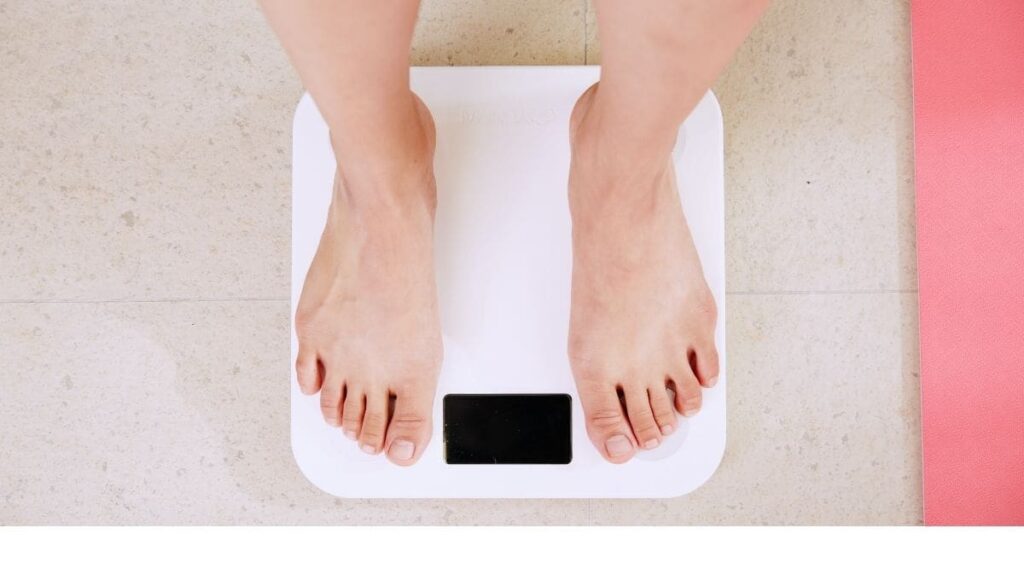
A pivotal aspect to grasp is the distinction between water weight and actual fat gain. “If you do happen to gain a few pounds after going off track with your diet in the shorter term, it’s very important that you recognise that most of that extra weight on the scale is not from actual gains in body fat, but instead, it’s from increases in water weight,” explains fitness expert Sean Nalewanyj. This water retention is a direct response to elevated intakes of sodium and carbohydrates, which are often prevalent in less nutrient-dense foods. Understanding this can alleviate the stress associated with seeing a higher number on the scale.
The Scale of Calorie Surplus Required for Fat Gain
Another critical point is the sheer quantity of excess calories needed to translate into actual fat. Sean Nalewanyj sheds light on this, stating, “Keep in mind that it takes about 3,500 extra calories above your maintenance level just to gain one single pound of fat.” This perspective is crucial; occasional indulgence is unlikely to meet this threshold, especially if you generally adhere to your nutritional plan. It’s the consistent, long-term habits that sculpt your physique, not the sporadic dietary lapses.
10 Terrible Things To Do Before A Workout
The Bigger Picture: Consistency Over Perfection
Adopting a long-term perspective is vital for mental and physical well-being on your fitness journey. Consistency, rather than perfection, is what shapes your body composition over time. Nalewanyj emphasises, “What matters much more than what you do during any single day is what you’re doing on average over the longer term.” This approach fosters a healthier relationship with food and exercise, encouraging you to bounce back from minor setbacks with resilience and determination.
Psychological Impact and Perception
It’s also important to consider the psychological aspect of dieting and how you perceive your body. Temporary weight fluctuations can affect how you view your progress and can lead to undue stress. Recognising that these changes are often transient can help maintain a positive outlook and motivation. As Nalewanyj points out, “The vast majority, if not all of that, is just temporary water weight that you’re holding.” Understanding this can provide peace of mind and help you stay focused on your long-term goals.
8 Mistakes Everyone Does Trying to Get Shredded

To Wrap Things Up
Consistency reigns supreme in the worlds of diet and fitness, but perfection is an unrealistic and unnecessary goal. Realizing that most short-term changes in weight are almost entirely superficial and temporary can help you keep perspective on the journey. Well, in the morning, these added kilograms on the scales come all of a sudden, and that’s when you just need to make an assessment of the whole situation and remember that these are fluctuations, usually peculiar to such processes.
Remember that the way of improving your body composition, either by losing fat or gaining muscle, is the marathon kind of journey—it is not a sprint. Deviations, therefore, in the short run are just bumps on the road, not such as to derail your progress totally. It will definitely move forward with confidence and strength toward the overall fitness goal by maintaining focus on the long-term goal and getting back to the planned dietary habits. So the next time you are in dietary setback, just take in these insights and keep moving forward in a balanced and knowledgeable way.
For a deeper understanding and to answer with visual cues “can 1 cheat day ruin your progress,” watch the video below. In it, Sean Nalewanyj explains further the intricacies of what a cheat day can do to you, mentally and physically, and why you shouldn’t do drastic changes the minute you gain one pound on the scale.
Read More: How to Make the Biggest Visual Change To Your Body Quickly
When it comes to achieving fitness goals, nutrition and diet play pivotal roles, whether the aim is weight loss or muscle building. The relationship between what we eat and our physical objectives is intrinsically linked due to several physiological and metabolic processes that govern body composition and performance.
In the context of weight loss, the principle of energy balance is fundamental. To lose weight, one must consume fewer calories than the body burns. While exercise increases caloric expenditure, making dietary adjustments can have a more substantial impact because it’s often easier to consume fewer calories than to burn off excess through physical activity. Food choices influence not just caloric intake but also metabolic rates, appetite, and even hormonal responses, all of which play significant roles in weight management. For instance, foods high in protein can enhance satiety and increase energy expenditure during digestion, aiding in weight loss efforts.
Top Training Programs to Gain Size and Mass
On the other hand, muscle building requires a nuanced approach to nutrition. While a caloric surplus is generally necessary to gain muscle, the quality and timing of food intake are equally crucial. Adequate protein intake is essential for muscle repair and growth, as it provides the amino acids needed to build muscle tissue. Carbohydrates are also vital as they fuel workouts and help in the recovery process, while healthy fats support hormone production, including hormones like testosterone that are crucial for muscle synthesis.

Also, nutrition influences not just the physical aspects of fitness but also cognitive function, mood, and energy levels, all of which can impact motivation and the ability to adhere to both exercise and dietary plans. Nutritional deficiencies can lead to fatigue, a compromised immune system, and reduced physical performance, thereby hindering progress towards any fitness goal.
In essence, nutrition forms the foundation upon which fitness is built. It directly impacts energy balance, body composition, metabolic rates, and recovery processes. Whether the goal is to lose fat or gain muscle, understanding and implementing the right nutritional strategies is key to success. Without a solid nutritional base, even the most well-structured exercise routines can fall short in delivering the desired outcomes.
Dieting vs. Exercise for Weight Loss – How Does it All Work?