Losing weight is a common goal for many individuals striving for better health and fitness. Among the myriad of strategies and supplements touted for weight loss, protein powder has gained significant attention. This article explores whether protein powder can indeed help with weight loss, backed by scientific evidence and studies.
The Role of Protein in Weight Loss

Thermic Effect of Food
Protein has a higher thermic effect of food (TEF) compared to fats and carbohydrates. TEF refers to the amount of energy required to digest, absorb, and metabolise nutrients. Studies have shown that protein increases energy expenditure more than other macronutrients, thereby aiding in weight loss (Westerterp-Plantenga et al., 2004).
Appetite Regulation
Protein is known to influence satiety hormones, which can help reduce overall calorie intake. Leucine, an amino acid found in protein, plays a crucial role in the regulation of satiety and hunger (Blom et al., 2006). Higher protein intake can lead to increased feelings of fullness, reducing the likelihood of overeating.
Muscle Mass Maintenance
During weight loss, preserving lean muscle mass is essential. Higher protein intake helps maintain muscle mass, which is crucial because muscle tissue burns more calories than fat tissue, even at rest. A study by Pasiakos et al. (2013) demonstrated that higher protein diets help maintain lean body mass during weight loss.
Protein Powder and Weight Loss
Convenience and Practicality
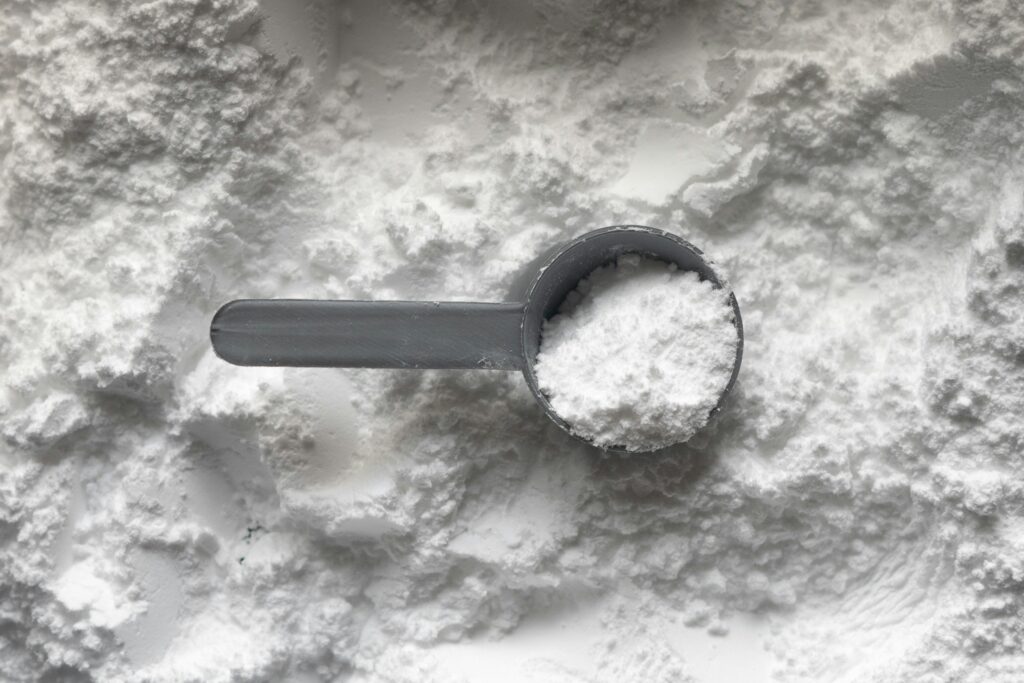
Protein powders offer a convenient way to increase protein intake without significantly increasing calorie consumption. They can be easily incorporated into meals or consumed as shakes, making them a practical option for individuals with busy lifestyles.
Types of Protein Powder
Different types of protein powder, including whey, casein, soy, and pea protein, have varying effects on weight loss. Whey protein, in particular, has been extensively studied for its potential benefits in weight loss and muscle preservation (Hulmi et al., 2010).
Scientific Studies on Protein Powder and Weight Loss

Whey Protein and Weight Loss
A study by Baer et al. (2011) found that participants who consumed whey protein experienced greater reductions in body fat and waist circumference compared to those who consumed other protein sources. The study suggested that whey protein supplementation could support weight loss and improve body composition.
Casein Protein
Casein protein, another dairy-derived protein, is digested more slowly than whey protein, providing a sustained release of amino acids. This slow digestion can help reduce appetite and promote satiety over a longer period (Boirie et al., 1997).
Plant-Based Proteins
For individuals who prefer plant-based options, soy and pea protein are popular choices. A study by Banaszek et al. (2019) showed that pea protein supplementation had similar effects on muscle mass maintenance and fat loss as whey protein, making it a viable alternative for those with dietary restrictions.
How to Use Protein Powder for Weight Loss
Incorporating Protein Powder into Your Diet
To effectively use protein powder for weight loss, it should be integrated into a balanced diet. Here are some practical ways to incorporate protein powder:
- Breakfast Shakes: Start your day with a protein-packed smoothie to keep you full until lunch.
- Post-Workout: Consume protein powder after workouts to aid in muscle recovery and reduce muscle soreness.
- Meal Replacement: Use protein shakes as a meal replacement for one of your daily meals to control calorie intake while ensuring adequate protein consumption.
Dosage and Timing
The optimal dosage of protein powder can vary based on individual needs and activity levels. Generally, consuming 20-30 grams of protein per serving is recommended for most people. Timing can also play a role; consuming protein powder before or after workouts can enhance muscle protein synthesis and recovery.
Potential Side Effects and Considerations
Allergies and Intolerances
Some individuals may have allergies or intolerances to certain types of protein powder, particularly those derived from dairy, such as whey and casein. Plant-based protein powders can be an excellent alternative for those with sensitivities.
Nutrient Balance
Relying too heavily on protein powder can lead to an imbalance in nutrient intake. It’s crucial to consume a varied diet that includes whole foods to ensure you get a wide range of nutrients.
Conclusion
Protein powder can be a valuable tool in a weight loss regimen, thanks to its ability to increase satiety, preserve muscle mass, and boost metabolic rate. Scientific studies support its efficacy, particularly for whey and plant-based proteins. However, it’s essential to use protein powder as part of a balanced diet and healthy lifestyle for the best results.
Bibliography
Baer, D. J., Stote, K. S., Paul, D. R., Harris, G. K., Rumpler, W. V., & Clevidence, B. A. (2011). Whey protein but not soy protein supplementation alters body weight and composition in free-living overweight and obese adults. The Journal of Nutrition, 141(8), 1489-1494.
Banaszek, A., Townsend, J. R., Bender, D., Vantrease, W. C., Marshall, A. C., & Johnson, K. D. (2019). The effects of whey vs. pea protein on physical adaptations following 8-weeks of high-intensity functional training (HIFT): A pilot study. Sports (Basel), 7(1), 12.
Blom, W. A. M., Lluch, A., Stafleu, A., Vinoy, S., Holst, J. J., Schaafsma, G., & Hendriks, H. F. J. (2006). Effect of a high-protein breakfast on the postprandial ghrelin response. The American Journal of Clinical Nutrition, 83(2), 211-220.
Boirie, Y., Dangin, M., Gachon, P., Vasson, M. P., Maubois, J. L., & Beaufrere, B. (1997). Slow and fast dietary proteins differently modulate postprandial protein accretion. Proceedings of the National Academy of Sciences, 94(26), 14930-14935.
Hulmi, J. J., Lockwood, C. M., & Stout, J. R. (2010). Effect of protein/essential amino acids and resistance training on skeletal muscle hypertrophy: A case for whey protein. Nutrition & Metabolism, 7, 51.
Pasiakos, S. M., Cao, J. J., Margolis, L. M., Sauter, E. R., Whigham, L. D., McClung, J. P., Rood, J. C., Carbone, J. W., & Combs, G. F. (2013). Effects of high-protein diets on fat-free mass and muscle protein synthesis following weight loss: A randomized controlled trial. FASEB Journal, 27(9), 3837-3847.
Westerterp-Plantenga, M. S., Lejeune, M. P., Nijs, I., van Ooijen, M., & Kovacs, E. M. (2004). High protein intake sustains weight maintenance after body weight loss in humans. International Journal of Obesity, 28(1), 57-64.
Key Takeaways
| Key Points | Details |
|---|---|
| Thermic Effect of Food | Protein increases energy expenditure more than fats and carbs. |
| Appetite Regulation | Protein influences satiety hormones, reducing overall calorie intake. |
| Muscle Mass Maintenance | Higher protein intake helps maintain muscle mass during weight loss. |
| Convenience of Protein Powder | Protein powders offer a practical way to boost protein intake. |
| Types of Protein Powder | Whey, casein, soy, and pea protein have different effects on weight loss. |
| Whey Protein | Studies show whey protein supports fat loss and improves body composition. |
| Casein Protein | Slower digestion of casein can help reduce appetite over a longer period. |
| Plant-Based Proteins | Soy and pea protein are effective alternatives to whey for weight loss. |
| Practical Use | Incorporate protein powder into meals, post-workout, or as meal replacements. |
| Dosage and Timing | Generally, 20-30 grams per serving; consume before/after workouts for best results. |
| Allergies and Intolerances | Opt for plant-based protein if sensitive to dairy. |
| Nutrient Balance | Ensure a varied diet to avoid nutrient imbalances. |
This table summarises the critical points discussed in the article, providing a quick reference for readers seeking to understand the potential benefits and practical uses of protein powder in weight loss.
Conclusion
Protein powder can be a valuable addition to a weight loss program due to its ability to enhance satiety, preserve muscle mass, and increase metabolic rate. By integrating protein powder into a balanced diet and healthy lifestyle, individuals can support their weight loss efforts effectively.