Losing weight and building muscle at the same time seems like the fitness Holy Grail. Traditionally, many believe that weight loss, which involves cutting calories, and muscle gain, which often requires calorie surplus, are mutually exclusive goals. However, recent research and advanced training techniques suggest that achieving both at once is possible under the right conditions. It’s not necessarily easy, but with the right balance of diet, exercise, and lifestyle, it can be done.
Let’s break it down scientifically to understand how the body can burn fat while increasing muscle mass, and what strategies might help you achieve both goals at the same time.
Understanding the Basics of Weight Loss and Muscle Gain
Before diving into how you can do both, it’s crucial to understand the basic principles behind weight loss and muscle gain.
1. What Does It Mean to Lose Weight?
- Weight loss refers to a reduction in total body weight. This can come from losing fat, muscle, or even water.
- Fat loss is what most people are targeting when they talk about losing weight. This occurs when the body is in a calorie deficit, meaning it burns more calories than it consumes, forcing it to use stored fat for energy.

2. What Does It Mean to Build Muscle?
- Muscle growth (hypertrophy) happens when the body is in a state of muscle protein synthesis that exceeds muscle protein breakdown. This generally requires consuming enough calories and protein to fuel muscle repair and growth after exercise.
- Progressive overload, a method of gradually increasing the stress on the muscles during resistance training, stimulates muscle growth.
3. The Concept of Body Recomposition
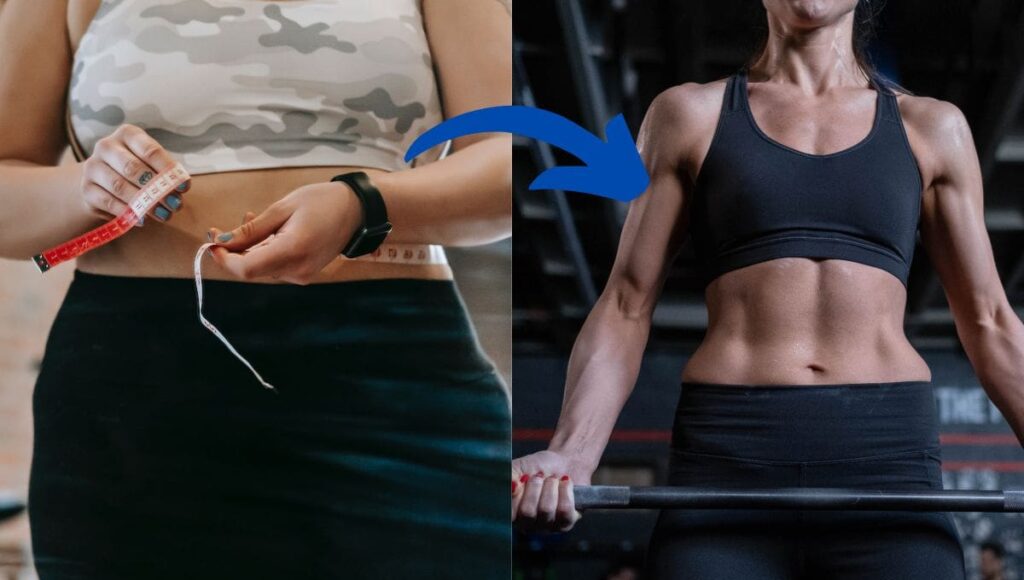
- Body recomposition is the process of simultaneously losing fat and gaining muscle. It’s a nuanced approach to fitness that focuses on improving body composition rather than just weight loss or muscle gain in isolation.
- This method involves carefully manipulating diet, exercise, and recovery to achieve both goals.
Can You Lose Weight and Build Muscle at the Same Time?
The short answer is: yes, you can. But it’s important to note that the ability to lose fat while gaining muscle depends on several factors like your starting point, genetics, and training experience.
1. Who is Most Likely to Succeed?
- Beginners: People new to strength training often see rapid changes in body composition because their muscles are very responsive to training. This is sometimes referred to as “newbie gains.”
- Those returning from a break: Individuals who have trained before but took a long break can regain muscle quickly while losing fat, a phenomenon known as muscle memory.
- Overweight individuals: People with a higher body fat percentage have enough stored energy (in the form of fat) that their body can use for energy while building muscle.
- People on specific diets: Certain dietary approaches, such as high-protein diets, can support muscle retention while in a calorie deficit.
2. The Role of Nutrition in Achieving Both Goals
Your diet plays a huge role in whether you can lose weight and build muscle simultaneously. Here’s what you need to consider:
Caloric Intake
- Caloric deficit for fat loss: You still need to consume fewer calories than your body uses in a day to lose fat.
- Maintenance or slight surplus for muscle gain: Building muscle typically requires more calories. However, in a recomposition scenario, your body can use stored fat for energy, especially if you are at a higher body fat percentage.
Protein is Key
- Protein intake is the most crucial dietary factor when trying to build muscle in a calorie deficit. Adequate protein ensures your body has the building blocks it needs to repair and grow muscle tissue.
- Aiming for 1.6-2.2 grams of protein per kilogram of body weight per day is generally recommended for muscle growth while in a calorie deficit .
Carb and Fat Balance

- Carbohydrates fuel your workouts, giving you the energy needed to train hard enough to stimulate muscle growth.
- Fats play a role in hormone production, including testosterone, which is important for muscle growth. However, it’s important to keep fats in check, as they are calorie-dense.
3. The Right Exercise Strategy
Exercise is another essential factor in achieving both fat loss and muscle gain. However, not all forms of exercise are created equal when it comes to body recomposition.
Resistance Training for Muscle Growth
- Strength training is the cornerstone of muscle building. Lifting weights or using resistance bands forces your muscles to adapt by growing stronger and larger.
- Progressive overload is key. You need to gradually increase the weights or resistance you’re using to keep challenging your muscles.
- Focus on compound movements like squats, deadlifts, and bench presses, which work multiple muscle groups at once, maximising calorie burn and muscle engagement.
Cardio for Fat Loss

- Cardio is a useful tool for burning extra calories, but too much can lead to muscle loss if you’re not careful.
- Incorporating high-intensity interval training (HIIT) can be particularly effective. It helps burn fat while preserving muscle mass better than steady-state cardio.
The Best Cardio For Quicker Fat Loss
4. Recovery: The Forgotten Factor
Muscle growth doesn’t happen during your workout; it happens when you rest. Ensuring you recover well is crucial for both fat loss and muscle gain.
- Sleep is when the body repairs itself, including your muscles. Aim for 7-9 hours of quality sleep each night to maximise recovery.
- Rest days are also important. Overtraining can lead to muscle breakdown and increased risk of injury.
The Science Behind Losing Weight and Building Muscle Simultaneously
So, how does your body manage to pull off the seemingly impossible task of losing fat and gaining muscle? The answer lies in your body’s ability to use stored fat for energy while using dietary protein for muscle repair and growth.
1. Hormonal Balance

Several hormones play a role in muscle building and fat loss:
- Testosterone: This hormone supports muscle growth and fat loss. Strength training, proper nutrition, and adequate sleep can help maintain healthy levels.
- Insulin: Insulin helps drive nutrients into your muscles post-workout, promoting recovery and growth. Keeping insulin levels in check through proper carb timing can help with fat loss while maintaining muscle mass.
- Cortisol: This stress hormone can promote fat storage, especially in the abdominal area. Managing stress through proper recovery and stress-relief practices can aid your recomposition efforts.
2. Muscle Protein Synthesis and Breakdown
To build muscle, your body must be in a state where muscle protein synthesis exceeds muscle protein breakdown. In other words, you need to build more muscle than you’re breaking down. Strength training stimulates protein synthesis, and adequate protein intake helps fuel this process.
At the same time, if you’re in a calorie deficit, your body will break down fat stores for energy, allowing you to lose fat while building muscle.
Cardio Before or After Weights?
3. Nutrient Partitioning
Nutrient partitioning is the process of determining where the nutrients you consume go in your body. Ideally, you want to direct more of your consumed nutrients to muscle repair and less towards fat storage.
- Strength training improves your body’s ability to partition nutrients towards muscle building.
- The timing of your nutrient intake—particularly around workouts—can also influence how well your body uses those nutrients for muscle growth.
Common Mistakes to Avoid
While it’s possible to lose fat and gain muscle simultaneously, many people fall into common traps that hinder their progress. Avoiding these mistakes will help you maximise your chances of success.
1. Not Eating Enough Protein

If you’re cutting calories but not prioritising protein, your body will struggle to maintain muscle mass while in a deficit.
2. Overdoing Cardio
Too much cardio, especially without proper strength training, can lead to muscle loss, making it harder to achieve a recomposition effect.
3. Underestimating Recovery
Training hard is essential, but so is recovery. If you’re not getting enough rest, your muscles won’t have the chance to grow, and your fat loss might stall due to elevated stress levels.
Tailored Approaches for Specific Populations
Body recomposition strategies can differ depending on your starting point, fitness level, and goals. Below are some tailored approaches for different groups.
1. Beginners
For those new to strength training, your body is primed for change. Beginner strength training programmes that focus on full-body workouts 3-4 times per week can work wonders.
- Focus on compound lifts and progressive overload.
- Ensure you’re in a slight calorie deficit while keeping protein high.
2. Intermediate and Advanced Lifters

As you progress, achieving body recomposition becomes more challenging, but it’s still possible with a more strategic approach.
- Periodisation can help by alternating between periods of muscle growth and fat loss. For example, you could focus on building muscle for 4-6 weeks, then cut fat for the next 4-6 weeks, maintaining as much muscle as possible.
- Track your progress closely and adjust your caloric intake based on your results.
3. Older Adults
As we age, it becomes more difficult to build muscle and maintain a lean physique due to factors like declining testosterone levels and a slower metabolism.
- Strength training and high-protein diets become even more important for maintaining muscle mass.
- Recovery also becomes more critical, so prioritise sleep and active recovery strategies like yoga or stretching.

Conclusion
Losing fat and building muscle simultaneously isn’t easy, but with the right combination of diet, exercise, and recovery, it’s achievable. The key lies in finding the perfect balance for your body and goals, ensuring you’re giving your muscles the stimulus they need to grow while keeping your caloric intake in check for fat loss. Patience and consistency are essential, as body recomposition can take time.
Whether you’re a beginner or a seasoned gym-goer, focusing on the fundamentals—high-protein diets, resistance training, progressive overload, and sufficient recovery—can help you get closer to achieving both goals at once.
Bibliography
- Schoenfeld, B. J., & Aragon, A. A. (2018). “How to lose fat without losing muscle”. Strength and Conditioning Journal, 40(6), 105-110.
- Phillips, S. M. (2014). “A brief review of critical processes in exercise-induced muscular hypertrophy”. Sports Medicine, 44(1), 71-77.
- Hector, A. J., & Phillips, S. M. (2018). “Protein recommendations for weight loss in elite athletes: A focus on body composition and performance”. Nutrition & Metabolism, 15(1), 10.
- Bradshaw, E. J., & Headrick, J. (2016). “Nutrient Timing: Can it help you lose weight while gaining muscle?” Journal of Sports Nutrition, 6(4), 230-240.
| Key Takeaways |
|---|
| Achieving fat loss and muscle gain simultaneously is possible but requires a strategic approach. |
| Protein intake and resistance training are crucial components for success. |
| Progressive overload in weight training helps stimulate muscle growth while in a caloric deficit. |
| Proper recovery, including sleep and rest days, is essential for muscle repair and fat loss. |
| Beginner trainees, overweight individuals, and those returning to training often see the best results with body recomposition. |
| Mistakes such as under-eating protein, overdoing cardio, and neglecting recovery can hinder progress. |