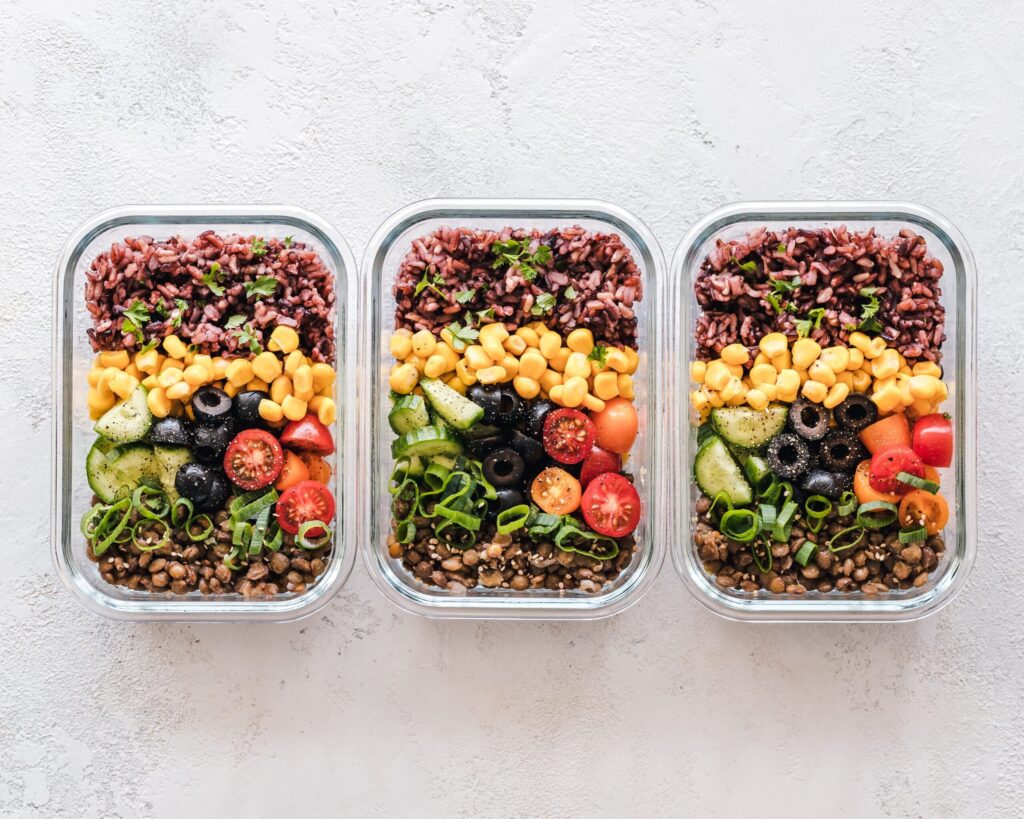
In the ever-evolving landscape of dietary strategies, carb cycling has emerged as a popular and effective approach for optimizing health, performance, and body composition. This regime lets your organism align with your energy, needs, and metabolic processes. But what exactly is carb cycling, and why should you try it?
What Is Carb Cycling?
Carb cycling is a dietary approach where the intake of carbohydrates varies on a daily, weekly, or monthly basis. The primary purpose of carb cycling is to optimize its benefits, like energy and muscle recovery, while minimizing potential downsides (such as weight gain). Typically, carb cycling involves high-carb, low-carb, and no-carb days.

High-carb days are meant to replenish glycogen stores, boost metabolism, and support intense workouts. The trick is to schedule them around heavy training days, especially those involving resistance training or high-intensity interval training (HIIT). On these days, choose quality carbs: whole grains, fruits, starchy vegetables, and legumes.
On low-carb days, you’re aiming to boost fat-burning and improve insulin sensitivity, promoting weight loss. Plan low-carb days on rest days or days with lighter training, like stretching, slow dancing, or slow biking. Non-starchy vegetables, lean proteins, low-carb fruits, and healthy fats are ingredients to add to your menu on low-carb days.
No-carb days are optional, but they will intensify fat burning and help the body adapt to lower carb intake. Incorporate days like this infrequently as a part of a more aggressive carb cycling plan. Go for protein sources, healthy fats, and non-starchy vegetables like leafy greens, with no fruits at all.
Of course, you must tailor carb cycling plans to individual goals, activity levels, and metabolic responses. The best advice is to consult a nutritionist or dietitian to customize the approach before following this meal plan.
How to Do Carb Cycling?
It is important to focus on quality over quantity, especially when speaking about carbs. Focus on consuming complex, nutrient-dense carbohydrates (whole grains, fruits, vegetables, and legumes) rather than simple, refined sugars. Simple carbs will only spike and crash blood sugar and insulin levels, while complex carbs keep blood sugar steady. Remember to include fiber-rich foods, as they help in digestion and provide sustained energy release.

Maintaining consistent protein intake is super important, too, as proteins support muscle repair and growth. Ensure you have good sources of protein, like lean meats, fish, eggs, dairy, legumes, and plant-based proteins. In pair with healthy fats, like olive oil, nuts, seeds, fatty fish, and avocados, they make a perfect duo to boost overall health.
Maintain hydration levels, as well, especially on low-carb days, as the body can excrete more water and electrolytes. Also, consider adding electrolytes if needed.
For the best results, regularly track your progress and adjust your carb cycling schedule based on your results and how you feel. Do it through body measurements, weight, and performance metrics, so you can be sure about your statistics.
Here are a few implementation strategies to get you going! First things first, determine your goals. If you’re aiming for fat loss, include more frequent low-carb days with occasional high-carb days. For muscle gain, go for more high-carb days to support muscle growth and recovery.
If your goal is maintaining weight, a balanced approach with an even distribution of high- and low-carb days is the best option for you! Plan your schedule as you find it easiest, and choose a weekly or daily cycle. For instance, the weekly plan can look like this: high-carb days on Monday, Wednesday, and Friday; low-carb days on Tuesday, Thursday, and Saturday; and no-carb day on Sunday.
If you opted for the daily cycle, line up high-carb meals around workouts (pre and post) and low-carb meals during the rest of the day. Adjusting activity levels is the key! Schedule high-carb days to coincide with intense training sessions to ensure adequate energy and recovery, and low-intense or rest days on low or no-carb days to maximize fat burning and enhance insulin sensitivity.
Here is an in-detail example of a carb cycling schedule for a week:
Monday (High-Carb)
- Breakfast: Oatmeal with berries and honey
- Lunch: Quinoa salad with chicken and mixed vegetables
- Dinner: Brown rice with grilled salmon and steamed cruciferous vegetables
- Snacks: Fruit smoothie, whole grain toast with almond butter and jam
Tuesday (Low-Carb)
- Breakfast: Scrambled eggs with spinach and feta
- Lunch: Grilled chicken Caesar salad without croutons
- Dinner: Zucchini noodles with pesto and grilled shrimp
- Snacks: Greek yogurt with nuts, celery stick with hummus
Wednesday (High-Carb)
- Breakfast: Whole grain toast with guacamole and poached eggs
- Lunch: Turkey and quinoa bowl with mixed veggies and a lemon-tahini dressing
- Dinner: Roasted sweet potato with grilled chicken and steamed green beans
- Snacks: Apple wedges with peanut butter, Greek yogurt with granola
Thursday (Low-Carb)
- Breakfast: Smoked salmon with cottage cheese and cucumber on a low-carb wrap
- Lunch: Grilled chicken with roasted non-starchy vegetables
- Dinner: Beef and vegetable stir-fry with cabbage noodles
- Snacks: Greek yogurt with chia seeds, a handful of walnuts

Friday (High-Carb)
- Breakfast: Buckwheat pancakes with maple syrup and fresh fruit
- Lunch: Lentil and vegetable soup with whole-grain bagel
- Dinner: Brown rice sushi rolls with vegetables and tofu
- Snacks: Smoothie with oats, banana, and protein powder; whole-grain crackers with cheese
Saturday (Low-Carb)
- Breakfast: Omelet with cheese, mushrooms, and spinach
- Lunch: Thai tofu collard wraps
- Dinner: Grilled pork chops with sautéed kale and garlic
- Snacks: Bell pepper slides with tzatziki, mixed nuts
Sunday (No-Carb)
- Breakfast: Egg scramble with sausage and bell peppers
- Lunch: Tuna salad with olives, mixed greens, and a lemon-olive dressing
- Dinner: Baked cod with asparagus and a leafy greens side salad
- Snacks: Hard-boiled eggs, cheese sticks
Why Should You Try Carb Cycling?
Carb cycling offers tons of advantages that make it an appealing dietary strategy for many people, especially those with specific health and fitness goals. Here are all the benefits you can get from this regime!
Enhanced Weight Loss
On low-carb days, the body reduces access to glucose (sugar) from carbohydrates. That’s why it turns to stored fat for energy in the process called lipolysis. Lipolysis involves the breakdown of fat into fatty acids, which are then used for energy.
This regime actually increases fat oxidation. With limited carbs, the body becomes more efficient at burning fat, which is particularly valuable for those intending to lose weight or reduce body fat percentage. Lower insulin levels on low-carb days facilitate fat burning, as insulin is a storage hormone, so when its levels are low, the body is more inclined to use fat as fuel.
Muscle Preservation and Growth
High-carb days replenish glycogen stores in muscles and liver, depleted during exercise, especially intense training. Carbs also stimulate the release of insulin, a hormone that helps drive nutrients into muscle cells, promoting recovery and growth. Thus, adequate glycogen stores protect against muscle breakdown during workouts.
High-carb days also provide the necessary energy for muscle repair and growth, optimizing training outcomes and preventing overtraining.

Improved Athletic Performance
Carbs are a primary energy source for high-intensity activities because they can be rapidly broken down into glucose, which muscles use for quick energy. High-carb days ensure athletes have enough glycogen stored in their muscles to sustain energy throughout the training sessions. Adequate glycogen stores are chief for peak performance in activities requiring quick bursts of energy – weightlifting, sprinting, and HIIT.
Metabolic Flexibility
Alternating between high and low-carb days trains the body to switch between burning carbohydrates and fats for energy effectively. This metabolic flexibility enhances the body’s ability to use different energy sources. They depend on availability and demand, optimizing overall energy regulation.
Dietary adaptation makes it much easier to adjust to various nutrient patterns or changes in activity levels without significant metabolic disruption.
Hormonal Balance
On a more important note, carb cycling helps to regulate hormones. High-carb days boost leptin levels, preventing metabolic slowdown, aiding in appetite control, and increasing calorie burning. Leptin is a hormone that synchronizes hunger and energy expenditure.
The next hormone is insulin, which helps cells absorb glucose from the bloodstream and influences fat storage. Low-carb days improve insulin sensitivity, making cells more responsive to insulin and reducing the risk of insulin resistance.
Last but not least, cortisol is a stress hormone that furthers fat storage, particularly around the abdomen. Managing carb intake helps regulate cortisol levels, reducing stress-related weight gain.
Dietary Flexibility
Carb cycling allows for the periodic inclusion of higher-carb foods, making the diet more varied and enjoyable. This flexibility can prevent feelings of deprivation, which are common with more restrictive diets. A more enjoyable and less restrictive diet increases the likelihood of long-term adherence.
The diet allows you to eat a wider range of foods, which can improve nutritional intake, prevent boredom, and make the regime absolutely stress-free.
10 Terrible Things To Do Before A Workout
Psychological Benefits
Including high-carb days can provide mental and emotional relief from strict dieting. This reduces the psychological stress associated with continuous dieting and maintains a positive relationship with food. Days like this manage cravings, making it easier to stick to the diet.
Scheduled high-carb days actually serve as planned breaks, reducing the risk of binge eating.
Enhanced Insulin Sensitivity
Periods of low carbohydrate intake reduce the frequency and intensity of insulin spikes, improving the body’s sensitivity to insulin over time. Boosted insulin sensitivity regulates blood sugar levels, reducing the risk of type 2 diabetes. Better insulin sensitivity contributes to overall metabolic well-being.