Chest day is a cornerstone of strength training routines, revered by fitness enthusiasts and bodybuilders alike for its capacity to build muscle and increase upper body strength.
The chest muscles, comprising the pectoralis major and pectoralis minor, are pivotal not only for aesthetic development but also for functional strength, impacting everything from posture to performance in various sports.

A well-developed chest contributes to a broader, more commanding presence and assists in the effective performance of both everyday activities and specialized athletic movements.
Despite its significance, chest day is frequently marred by common mistakes that can drastically diminish its effectiveness, leading to plateaued muscle growth, potential injuries, and inefficient workouts.
Whether you’re pushing through bench presses, cable flyes, or dips, the nuances of execution matter. This article focuses on the three most prevalent pitfalls encountered during chest workouts: insufficient warm-up, improper form, and neglecting the full range of motion.
5 Best Lazy Abs Exercises to Shrink Your Belly
By understanding and rectifying these errors, you can ensure that every chest session contributes maximally to your muscle-building goals, steering clear of the setbacks that hinder progress. Join us as we dive deep into these mistakes and learn how to avoid them, turning every chest workout into a productive, injury-free experience.
1. Neglecting Proper Warm-Up
Starting your workout with a proper warm-up is critical, yet many often overlook this essential step, especially on chest day.
Warming up not only primes your body for the strenuous activity ahead but also enhances your performance and reduces the risk of injury. It increases blood flow to your muscles, elevates your core temperature, and prepares your heart for increased activity, making your muscles more elastic and less prone to tears.
How Warming Up Prepares the Muscles and Cardiovascular System
Before engaging in heavy lifting or intensive pressing movements, a targeted warm-up helps activate the muscles of the chest, shoulders, and arms. This preparation involves both the stretching of muscle fibers and the revving up of the cardiovascular system, ensuring that these muscles receive a sufficient supply of oxygen-rich blood. Such activation aids in the efficient delivery of nutrients to muscle cells, which is crucial for performance and endurance during weight training.

Risks of Injury from Inadequate Warm-Up
Skipping a warm-up can lead to a range of negative outcomes, the most severe being the risk of muscle strains or tears.
Cold muscles are less flexible and more prone to injuries. For instance, launching into a heavy bench press without adequately warming up can shock the pectoral muscles, leading to micro-tears or even full-scale injuries that could sideline you for weeks or months.
Recommended Warm-Up Exercises
To maximize safety and efficacy on chest day, incorporate the following warm-up exercises that specifically target the chest and related muscle groups:
Dynamic Chest Stretches: Begin with arm swings and chest openers. These involve swinging your arms across your body and then wide open, stretching the chest muscles dynamically, which is more beneficial than static stretching before lifting weights.
Push-Up Variations: Start with standard push-ups at a moderate pace to engage the entire chest area gently. Once you feel warm, you can switch to incline push-ups by placing your hands on a raised platform. This variation decreases the strain on your wrist and focuses more on the lower chest.
Light Dumbbell Press: Using light dumbbells, perform a set of 15-20 slow, controlled dumbbell presses on a flat bench. The light weight allows you to focus on the muscle stretch and contraction, preparing your chest for heavier lifts to come.
Band Pull-Aparts: These are excellent for activating the shoulder blades and improving shoulder mobility, which supports healthier bench press movements. Hold a resistance band with both hands in front of you and pull it apart horizontally until it lightly touches your chest, then slowly return to the starting position.
Related: 8 Excellent Core Workouts You Can Do at Home
By incorporating these exercises into your warm-up routine, you’ll ensure that your chest, shoulders, and arms are adequately prepared to handle the rigors of a heavy chest workout, minimizing injury risk and setting the stage for maximum muscle growth.
2. Incorrect Form and Technique
Many gym-goers inadvertently limit their progress and increase their risk of injury by making form errors during key chest exercises. Here are some common mistakes across popular movements:
Bench Press: A frequent mistake is lifting the feet off the ground or placing them improperly, which destabilizes the core and reduces power. Another error is flaring the elbows out wide, which places excessive stress on the shoulder joints instead of targeting the chest muscles.

Dumbbell Fly: The most common mistake here is overextending the arms during the lowering phase, which can strain the shoulder joints. Another issue is failing to maintain a slight bend in the elbows, which changes the exercise dynamics and reduces its effectiveness on the chest.
Push-Ups: Dropping the head or sagging the hips during push-ups compromises spinal alignment and reduces core engagement. Additionally, placing the hands too wide or too close can lead to shoulder strain and diminished chest activation.
Consequences of Poor Form
Using improper form not only prevents the targeted chest muscles from engaging effectively but also places undue stress on other parts of the body. This can lead to several issues:
- Inefficient Muscle Targeting: When the chest isn’t properly engaged, other muscles, such as the shoulders or triceps, may take over, which dilutes the focus from the chest and can impede balanced muscle development.
- Increased Risk of Injury: Incorrect form, especially during heavy lifts like the bench press, can lead to acute injuries, such as muscle strains or tears, and chronic issues like joint wear and tear.
Tips for Proper Technique
To ensure safety and effectiveness in your chest workouts, follow these step-by-step guidelines for proper form:
Bench Press:
- Lie flat on your back on a bench with feet firmly planted on the floor.
- Grip the barbell with hands just wider than shoulder-width apart.
- Lower the bar slowly to your mid-chest, keeping your elbows at a 45-degree angle to your body.
- Push the bar up explosively, extending your arms fully without locking out your elbows at the top.
Dumbbell Fly:
- Lie on a bench with a dumbbell in each hand, palms facing each other.
- Start with arms extended above the chest, elbows slightly bent.
- Slowly lower your arms in a wide arc until you feel a stretch in your chest.
- Bring the dumbbells back to the starting position using the same controlled motion.
Push-Ups:
- Position your hands slightly wider than shoulder-width apart directly under your shoulders.
- Keep your body in a straight line from your head to your heels.
- Lower your body until your chest almost touches the floor.
- Push back up to the starting position, maintaining a rigid torso and engaged core throughout the movement.
By adhering to these techniques, you can maximize the effectiveness of your chest workouts, promote symmetrical muscle growth, and avoid common injuries associated with poor exercise form.
3. Overlooking Full Range of Motion
Full Range of Motion (ROM) refers to the complete movement potential of a joint or muscle group during an exercise. This means extending, contracting, or rotating a muscle through its entire capability.
In the context of chest exercises, using full ROM means moving the weights from the lowest position your muscle flexibility allows to the highest, effectively stretching and contracting the chest muscles thoroughly.
Why Full ROM Is Crucial for Maximizing Muscle Growth
Utilizing full ROM in chest exercises ensures that the muscle fibers are engaged over their entire length, which is essential for stimulating muscle growth. When muscles are worked through their fullest extent, more muscle fibers are activated, which triggers more significant growth responses from the body.
Moreover, full ROM exercises improve joint mobility and flexibility, contributing to better overall muscle health and performance.
Common Shortcomings in Achieving Full ROM
One of the most common mistakes that prevent exercisers from achieving full ROM is using too much weight. When the load is too heavy, you may not be able to complete the exercise through its full motion, cutting it short at either the contraction or extension phase. This not only limits muscle development but also increases the risk of injury.
Other issues include:
- Rushing through reps: Fast, uncontrolled movements often lead to incomplete ranges and poor muscle engagement.
- Lack of awareness: Some exercisers simply do not understand or focus on the importance of moving through the full motion, missing out on the benefits of complete muscle engagement.
Benefits of Full ROM
Incorporating full ROM into your chest workouts offers several key advantages:
- Better Muscle Activation and Development: By engaging the chest muscles through their entire functional capacity, you ensure that all parts of the muscle are worked. This comprehensive activation promotes more balanced muscle growth and increases strength gains.
- Enhanced Mobility and Flexibility: Regularly exercising muscles through their full ROM improves joint health and flexibility, which can enhance performance in various physical activities and reduce the risk of injuries.
- Increased Muscle Control and Mind-Muscle Connection: Training with full ROM helps in developing a better connection between mind and muscle. This heightened awareness can lead to improved form and effectiveness in all types of workouts.
How to Ensure Full ROM in Chest Exercises
To make sure you are utilizing full ROM, focus on the following:
- Reduce the weight if necessary: Opt for a weight that allows you to complete all movements fully without compromising form.
- Focus on technique: Concentrate on the movement of the exercise to ensure you are not cutting any phase short.
- Slow down: Perform each rep with control, which can help in maintaining full ROM and enhancing muscle tension.
By understanding and applying these principles, you can greatly enhance the effectiveness of your chest workouts, ensuring that every rep contributes optimally to your muscle-building goals.
4. Ignoring Progressive Overload
Progressive overload is a fundamental strength training principle that involves gradually increasing the amount of stress placed on the muscles during exercise.
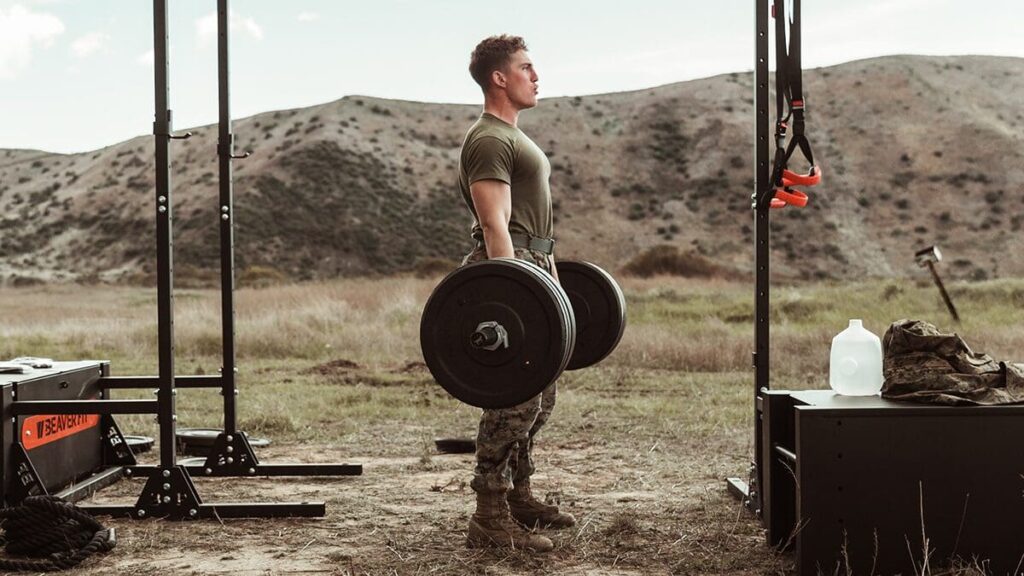
This can be achieved by increasing the weight, enhancing the volume (more sets or reps), or altering the intensity and rest periods between sets. The concept is based on the biological principle that muscles need to be challenged to grow stronger and larger.
Importance of Progressive Overload in Strength Training
Progressive overload is essential for continual muscle growth and strength gains. Without it, muscles adapt to the demands being placed on them and stop growing or improving. By consistently increasing the demands on the muscle tissues, you can ensure continued advancements and avoid hitting a plateau in your training results.
Mistakes in Applying Progressive Overload
A common mistake in strength training is not effectively applying the principle of progressive overload. Some of the typical errors include:
- Not increasing weights: Sticking with the same weights for too long without attempting to increase them can lead to stagnation in muscle growth and strength.
- Ignoring other forms of overload: Besides increasing weights, neglecting other methods such as more reps, more sets, or shorter rest periods can also hinder progress.
- Overloading too quickly: Conversely, increasing the load too rapidly can lead to poor form, injuries, and ultimately setbacks in progress.
Strategies for Effective Progressive Overload
To effectively incorporate progressive overload into your chest workout plan, consider the following strategies:
- Gradual increase in weights: Add small increments of weight to your chest exercises over time. For instance, increasing the weight by 2-5% once you can comfortably complete the current weight for your exercise set and rep targets.
- Vary the reps and sets: If increasing weight isn’t feasible at times, try varying the number of repetitions and sets. For example, if you’re used to doing 3 sets of 10 reps, change it to 4 sets of 8 reps with the same weight.
- Alter rest periods: Reducing the rest period between sets can significantly increase the intensity of the workout, providing a new challenge to the muscles.
- Use different exercises: To keep the muscles adapting, rotate your exercises. Different movements will stress the muscles in varying ways, which can help in achieving comprehensive chest development.
- Track your progress: Keep a workout log to monitor your progress and make adjustments to your training regimen based on your results. This helps in systematically applying progressive overload and in recognizing when it’s time to intensify the challenge.
By employing these strategies, you can ensure that your chest workouts remain challenging and effective, driving muscle growth and strength improvements continuously. Remember, the key to progressive overload is consistency and gradual incrementation, allowing your body to adapt safely and effectively to increased demands.
Conclusion
Effective chest training requires more than just showing up and lifting weights; it demands attention to detail in every aspect of your routine. By understanding and avoiding the top mistakes discussed—neglecting proper warm-ups, incorrect form and technique, overlooking full range of motion, and ignoring progressive overload—you can dramatically improve the effectiveness of your workouts, ensure safety, and maximize muscle growth.
Warm-ups prepare your body for the demands of heavy lifting, proper technique ensures that each movement targets the intended muscles without risking injury, full range of motion helps activate more muscle fibers for better growth, and progressive overload challenges your muscles to adapt and strengthen. Each of these elements plays a crucial role in your overall fitness progress and can’t be overlooked if you aim to enhance your chest development.
Remember, building a strong, well-defined chest is not just about the weights you lift but how you lift them. Consistency, patience, and attention to proper form and progression are key. By incorporating these principles into your routine, you can not only see better results but also enjoy a healthier, more sustainable training journey.
Stay committed to refining your approach, and over time, you will undoubtedly see the fruits of your disciplined and informed efforts. Now, take this knowledge back to the gym with you, and turn every chest day into a powerful step toward your fitness goals.