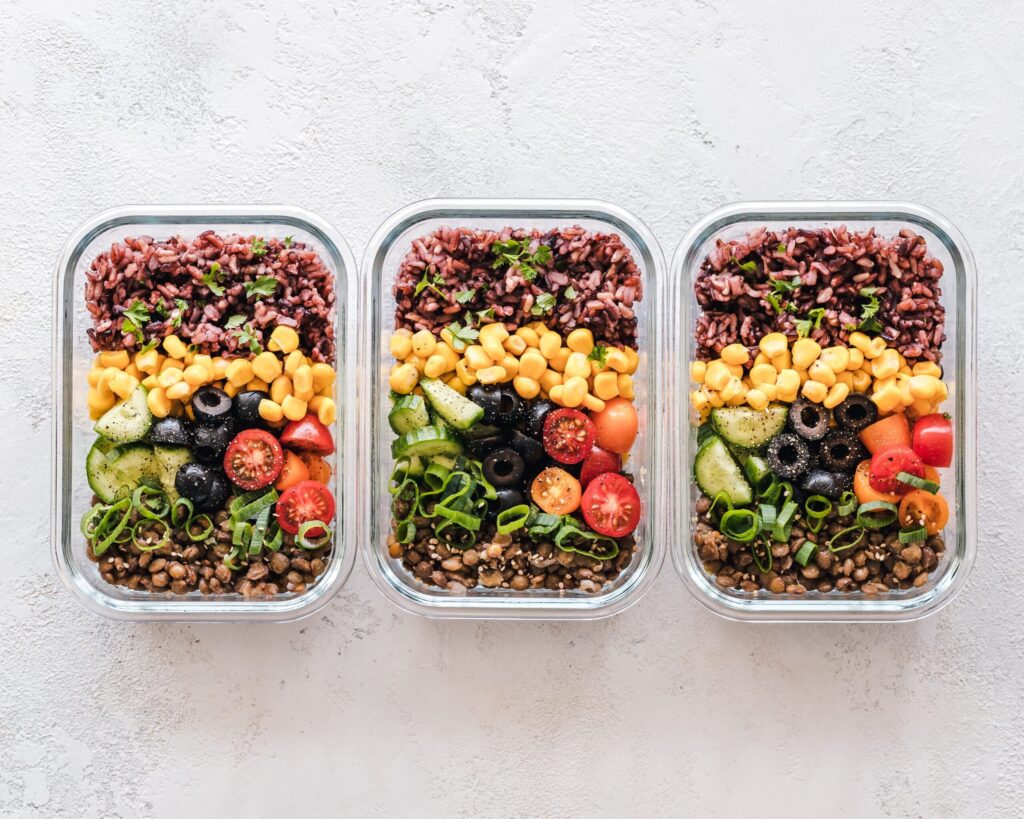
Children are the most demanding audience, so building healthy habits early is the key. In this article, you will discover effective strategies for instilling healthy eating habits in children and understand the long-term benefits of these practices.
By implementing these tips, you can support your child’s physical and mental well-being, setting them up for a lifetime of good health. So, read on to learn everything about children and nutrition!
1. Set an Example
Children learn by observing the actions of adults, especially their parents and caregivers. By setting a positive example, adults demonstrate healthy behaviors that children are likely to imitate and adopt. Early childhood is a critical period for habit formation, so establishing healthy routines leads to sustained behaviors throughout life—physical activity, balanced nutrition, and good hygiene.
For instance, a child who grows up seeing their parents enjoy physical activity is more likely to continue exercising regularly as an adult, as he/she sees it as a habit.

Early adoption of healthy habits prevents the development of chronic diseases, such as obesity, diabetes, and heart trouble. Educate children on the importance of physical activity and a balanced diet as they reduce these risks.
Healthy habits are not limited to nutrition only. Adequate sleep, stress management, emotional maturity, and positive social interactions are also vital for overall physical and mental well-being. Good health also impacts cognitive function and academic performance, meaning that kids who have healthy habits have a better chance of succeeding in school.
2. Offer a Variety of Foods
Different foods provide different nutrients essential for growth and development, and a range of flavors and textures develop a broader palate. When children are exposed to various ingredients, they become more open to trying new things, which lowers the chance of them becoming picky eaters.
This openness to diverse foods leads to a healthier diet throughout life and makes mealtimes more enjoyable and fun. A positive relationship with food prevents food aversion and preference for unhealthy, processed dishes.
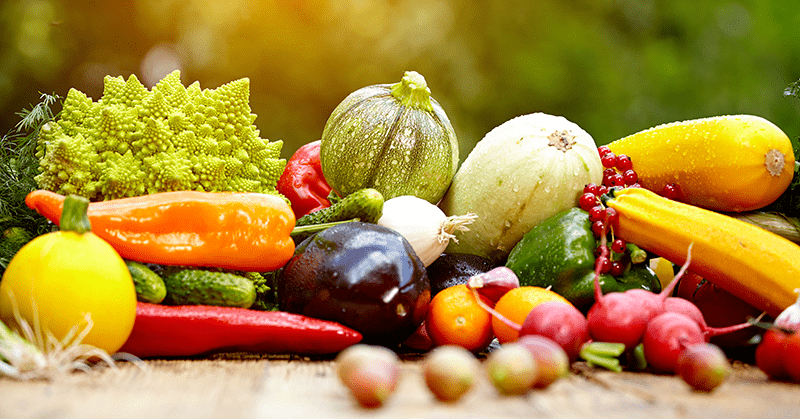
Regularly consuming a broad spectar of fruits, vegetables, whole grains, and proteins, these foods become the norm. Also, introducing a variety of ingredients, particularly potential allergens, at an early age helps to reduce the risk of developing food allergies. Prompt and varied exposure to every food helps immune system to become accustomed.
When giving your kid new food, do it one thing at a time alongside familiar favorites to make the process less overwhelming. Still, it can take several exposures to a new food before your child accepts it; just make sure to encourage eating without force.
3. Involve Children in Meal Prep
Kids who participate in the preparation of meals will be more willing to try out the foods they actually help to create. This hands-on involvement makes unfamiliar ingredients less intimidating and more tempting.
Meal prep provides an opportunity to teach children about nutrition and the significance of various food groups. They learn where food comes from, how it is made, and why it is important for their health. Thus, this knowledge leads to more informed food choices as they grow older.
What’s more, involving children in the process of selecting ingredients and cooking, they gain greater appreciation for healthy food. Plus, understanding the effort that goes into making a dish increases their enjoyment and willingness to eat it.
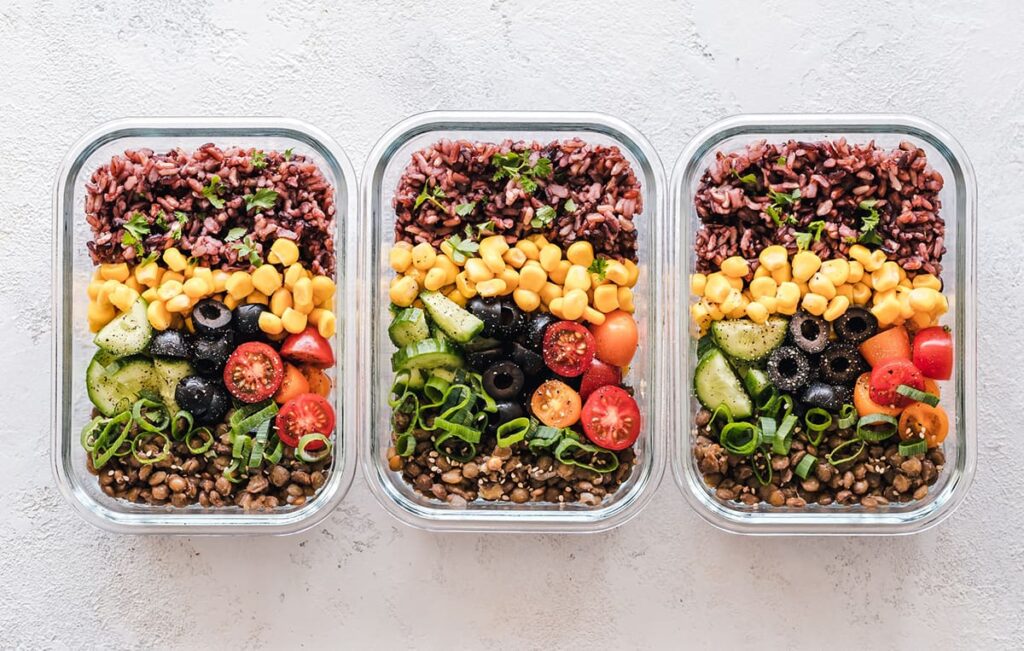
Assign them tasks that are suitable for the child’s age and skill level, for instance, younger kids can wash veggies, while older children can chop. Allow them to pick out fruits, veggies, or recipes, as giving them a say increases their interest and excitement about the meal.
4. Have Healthy Snacks On Hand
Children have smaller stomachs and higher energy, so they need to eat more frequently than adults. In that case, healthy snacks help to maintain their energy levels and keep them active and focused throughout the day. Snacks like fruit, veggies, nuts, and whole grains provide vitamins, minerals, and fiber that boost overall health and ensure they receive essential nutrients.
Also, offering healthy snacks between meals will stop children from becoming overly hungry and ingesting large amounts of salt and sugar. This directly prevents the development of health issues like obesity, diabetes, and hypertension.
Here is one more interesting and useful hack! Present your kids with a few different healthy snacks to give them a sense of autonomy and involvement in their dietary choices. Either way, they will end up with a healthy bite!
5. Establish Regular Meal Times
Eating at consistent times allows the body to develop a routine, leading to improved digestion. Regular meals aid the digestive system’s efficiency, reducing issues like bloating or discomfort. This ensures your body has enough time to properly digest and absorb nutrients, and scheduling helps regulate hunger and fullness cues.
Steady meal times reduce the likelihood of frequent, unhealthy snacking while maintaining stable energy levels and preventing energy crashes.
6. Create a Positive Mealtime Environment
Mealtime stress and anxiety can negatively affect a child’s appetite and willingness to eat because a calm and positive atmosphere reduces these feelings. When mealtimes are pleasant and stress-free, children will focus on their food, try new things, and eat more balanced meals, which promotes healthy eating behaviors.

One more important thing is in positive mealtime environments, children aren’t afraid to express their preferences, dislikes, and concerns about food. To create a pleasing environment, engage in conversation and make meals a time for family connection and interaction. What’s more, avoid using that time for discipline or conflict, but keep the mood light and positive.
7. Food is Not a Reward nor Punishment
Using food as a punishment or reward creates emotional associations with eating, which can lead to an unhealthy relationship with food. When they don’t link food with behavior, kids are more likely to view eating as a natural, necessary, and enjoyable part of daily life rather than as a tool for manipulation.
Associating food with emotions can go two ways – emotional overeating or starving. Children learn to cope with their emotions in healthier way and do not develop habits of eating in response to feelings rather than hunger.
If you use food as a prize, children will be motivated by external rewards, not by internal motivation. For example, kids might eat veggies only to get dessert afterward, not because they understand the health benefits. High-calorie, sugary foods as a prize encourage children to overeat and focus on unhealthy items.
8. Don’t Ban Any Food
By not banning any foods, children will probably develop a healthy relationship with eating. That way, they learn that all foods (in moderation) can be part of a nutritious diet, which reduces the risk of developing food anxieties or disordered eating patterns.
Psychologically, banning certain foods will definitely make them more appealing by creating a sense of scarcity and desirability. When foods are restricted, children will crave them more and more and overeat the first moment they get a chance.
9. Teach Portion Control
Helping kids understand portion control will reduce their chances of weight gain, obesity, diabetes, and heart disease. Learning to eat appropriate amounts ensures that they consume the right number of calories for their age and activity level. Kids will learn to listen to their hunger and fullness cues very early in life.

It is very important not to pressure children to finish everything on their plate if they are no longer hungry. Let them know it’s okay to stop eating when they are satisfied.
10. Encourage Kids to Love Water
Water is essential for proper hydration, but it can be a tad dull for kids to like. By developing a preference for water early on, children will be less likely to consume sugary beverages like soda and juice. Reducing the intake of these drinks can prevent excessive calorie consumption, obesity, dental cavities, and other sugar-related issues.
Here are some practical tips to encourage kids to love water! Keep water easily accessible everywhere—home, school, and activities. Let them choose fun water bottles to make drinking more appealing.
Flavor the water naturally, by adding slices of fruit, veggies, or herbs. Go for lemon, cucumber, mint, strawberries, orange, or anything else your kid fancies, actually. Also, motivate children to drink water at specific times a day – with meals, before bed, or first thing in the morning.
11. Educate and Speak about Nutrition
Knowledge empowers kids to make healthier food choices based on the benefits of nutrients, increasing their awareness and understanding of what they are eating. When kids understand the nutritional value of foods, they learn to prioritize items that contribute to their health and development. In that case, kids would rather go for fruits, vegetables, whole grains, and lean proteins.
Early education about nutrition sets the foundation for lifelong healthy eating habits, and they are more likely to carry these habits into adulthood. Tailor the information to the child’s age and comprehension level, so use simple and relatable explanations for younger kids and more detailed for older ones.
12. Limit Screen Time During Meals
When screens are not present, children can focus on their food, be attentive to hunger and fullness hints, and enjoy the taste and texture of their meals. Mindful eating helps them eat more slowly, recognize satisfaction indications, and avoid overeating.

Don’t be afraid to establish clear household rules about no screens during meals, but clearly explain the reasons behind them. Make meals a special time by designating a specific area for eating that is screen-free. Be sure to follow the same example!