Clean bulk or dirty bulk? What is the difference between them and which one is better for you to choose from? Does it depend on your goals or lifestyle or something else? That is what we are here to discuss.
Ah, the eternal struggle of clean bulking versus dirty bulking. The battle between health-conscious gains and the seductive allure of indulgent treats. Let’s break down the definitions first to really sink our teeth into this meaty topic.
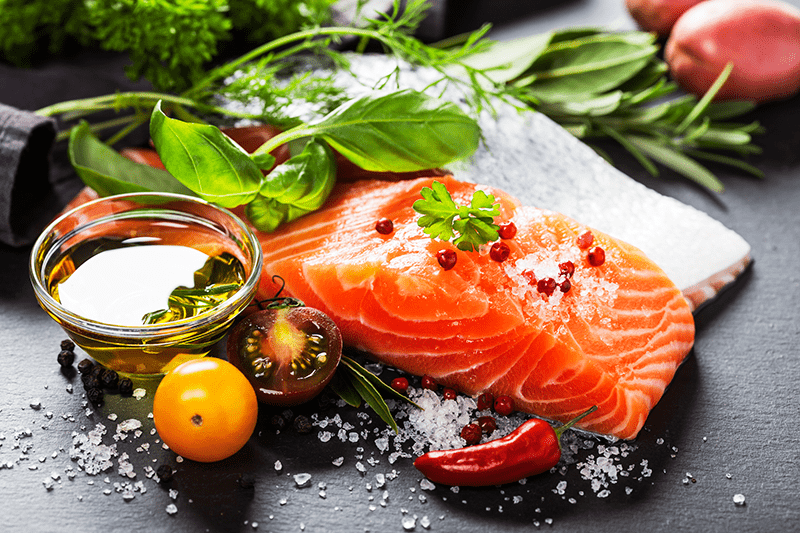
Junk food, the notorious antagonist in the clean bulking saga, is often characterized by its high content of salt, sugar, and saturated fat. It’s the highly processed, irresistibly palatable delight that makes you want to keep eating more. On the flip side, healthy food champions lean meats, veggies, fruits, whole grains, and fats high in poly and mono-unsaturated sources.
Now, a clean bulk is essentially a muscle and mass gaining phase where you commit to consuming only healthy food, steering clear of the tantalizing grasp of junk food. On the other hand, a dirty bulk is a hypercaloric adventure, meeting protein recommendations but leaving the carb and fat sources open to interpretation. However, the term “dirty” implies a potential rendezvous with junk food, sometimes more than once a day.
Related: How to Shed Fat, Get Lean and Stay Lean Using Science-Based Tips

To talk more about the nuances of clean bulk and dirty bulk, we borrowed Mike Israetel’s expertise. Dr Mike Israetel, PhD in Sport Physiology and co-founder of Renaissance Periodization, is a well-respected professor in the bodybuilding community. He doesn’t only talk about workouts and fitness tips, he often dives deep into health and nutrition.
Clean Bulk vs Dirty Bulk – Which One Is Better?
Advantages of clean bulking start with the obvious – it’s healthier. The quality of the food you consume does impact your overall health, albeit by a fraction. Clean bulking reduces the risk of turning into a gigantic fat mess due to the less palatable nature of healthy foods. Moreover, it positively influences gym performance, cardio, and recovery.
But the dirty bulk has its perks too. It’s undeniably more fun, especially in the initial stages. There’s a certain joy in the freedom to eat whatever you crave. It’s also a fail-safe method for those struggling to gain weight, as junk food is the undefeated heavyweight champion in the calorie department. And let’s not forget the sheer pleasure of breaking free from the monotony of a super healthy diet during family dinners or outings with friends.
The Ugly Truth about Getting Shredded
So, in short, what are the advantages of clean bulking over dirty bulking? Let’s break it down:
- Healthier: Clean bulking is notably healthier as the quality of the food you consume affects a fraction of your overall health. While it’s not a massive effect, it does matter, reflecting in blood work and overall health indicators.
- Controlled Weight Gain: If you struggle with overeating during bulking phases and have a tendency to gain excess fat, clean bulking can help. Clean foods are less palatable and harder to overeat compared to the irresistibly delicious nature of junk food.
- Better Gym Performance: Eating healthier foods can lead to better gym performance, improved cardio, and enhanced recovery. While junk food may keep your gym performance high, the overall impact on your health and performance is more noticeable with healthier choices.
- Builds Better Habits: Opting for a clean bulk sets the stage for building better habits, especially when transitioning to a fat loss phase. The transition is seamless as you simply reduce carbs and fats while maintaining protein intake.
Now, let’s not dismiss the advantages of dirty bulking:
- More Fun: Dirty bulking, especially at the beginning, can be more enjoyable. The thrill of incorporating some junk food into your diet makes the whole process more entertaining.
- Guaranteed Weight Gain: If gaining weight is a struggle for you, incorporating junk food ensures you meet your caloric goals. It’s an effective way to overcome a weight gain plateau.
- Break from Monotony: A dirty bulk provides a welcome break from the monotony of a strict, healthy food diet. It allows flexibility in your food choices and makes the bodybuilding journey more enjoyable.
- Easier to Stick to in Social Settings: Dirty bulking is more adaptable in social situations. You can join friends for meals at restaurants without feeling restricted to clean foods only.
Top Training Programs to Gain Size and Mass

In the end, the winner in the clean bulking versus dirty bulking debate isn’t determined by choosing one over the other but by finding the right balance. After a fat loss phase, start with a few weeks of exclusively clean eating to reset your system. Then, introduce one to three cheat meals per week to add a dash of indulgence without going overboard. The key is to adapt your approach based on your goals, preferences, and how your body responds.
Remember, it’s not about the false dichotomy of clean versus dirty but about finding the sweet spot in between. So, go ahead, embrace the complexities of your nutrition journey, and may your gains be plentiful, whether they come from a plate of grilled chicken or a slice of decadent cheesecake.
Watch the video below if you want to hear Israetel explain the clean bulk vs dirty bulk debate with his typical dark humour and in more detail.
How to Train for Pure Muscle Growth (Science Explained)
Do you want to bulk without gaining fat? Utilising a bulking phase is necessary to build a ton of muscle, but would it be possible to be it 100% muscle and not fat? While it sounds like a mythical quest, the reality is a bit more nuanced.
Bulking inherently involves consuming a caloric surplus to support muscle growth, and with that surplus, some fat gain is often inevitable. However, there are strategies to optimize muscle gain while minimizing fat accumulation:
- Lean Bulk: Aim for a lean bulk by keeping your caloric surplus modest. A slight surplus (e.g., 250-500 calories above maintenance) can promote muscle growth without excessive fat gain.
- Nutrient Timing: Pay attention to nutrient timing, especially around your workouts. Consuming a higher percentage of your calories around your training sessions can support muscle growth and recovery.
- Quality of Calories: Prioritize nutrient-dense foods. Opt for whole, minimally processed foods rich in proteins, healthy fats, and complex carbohydrates. This can help you meet your nutritional needs without excessive caloric intake.
- Protein Intake: Ensure an adequate protein intake to support muscle protein synthesis. Aim for at least 1 gram of protein per pound of body weight.
- Resistance Training: Focus on resistance training to stimulate muscle growth. Progressive overload and compound exercises can be particularly effective in this regard.
- Cardiovascular Exercise: Incorporate cardio strategically to help manage fat gain. It can assist in maintaining cardiovascular health and improving insulin sensitivity.
- Monitor Progress: Regularly assess your progress by tracking changes in weight, body composition, and strength. Adjust your caloric intake based on how your body responds.
- Cyclical Caloric Surplus: Consider implementing cyclical bulking phases. Have periods of a slight caloric surplus for muscle growth, followed by maintenance or slight deficits to manage fat accumulation.
It’s important to recognize that the body’s response to bulking varies among individuals. Genetics, metabolism, and lifestyle factors all play a role. Striking the right balance between muscle gain and fat control requires a personalized approach. Embrace the process, monitor your body’s response, and be prepared to make adjustments along the way. Remember, slow and steady progress is often more sustainable and conducive to long-term success.
Differences Between Training for Size and for Strength
The Literal Most Effective Exercise for Reducing Visceral Belly Fat