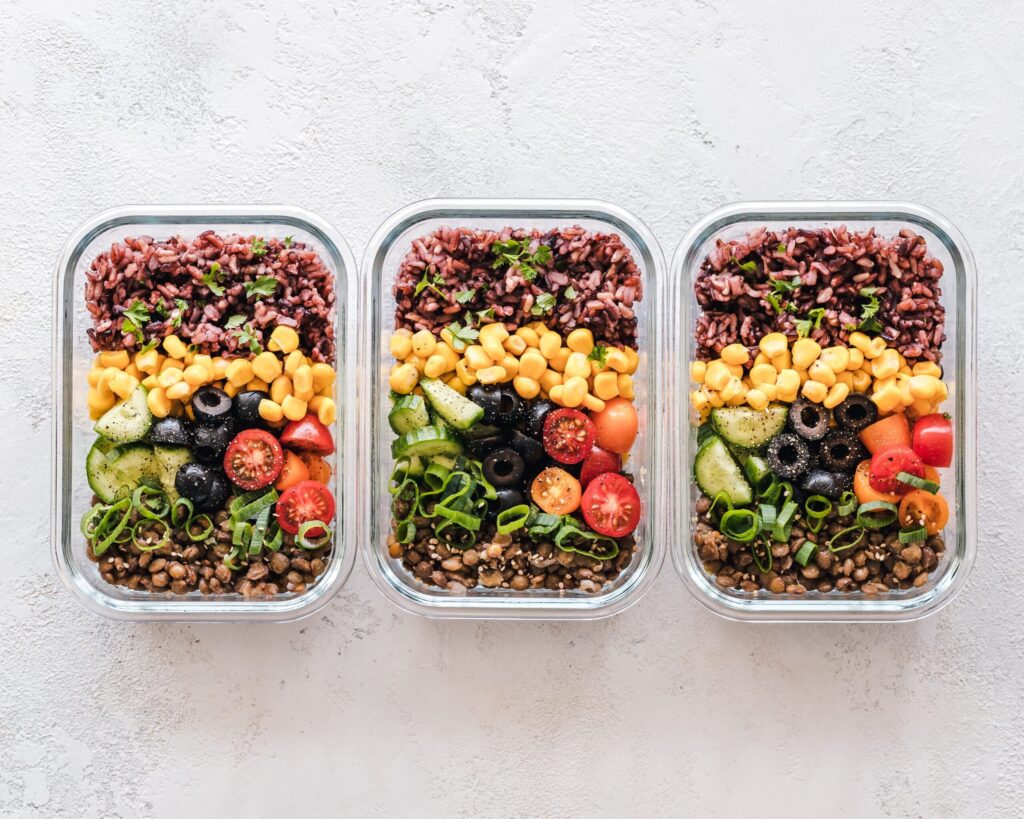
When it comes to shedding body fat, diet plays a pivotal role. Two popular approaches often debated in the fitness and nutrition world are “clean eating” and “flexible dieting.” Both strategies have passionate supporters and vocal critics. But which of these dietary philosophies is truly more effective for fat loss?
To answer that, we must dissect each method, examine the scientific evidence, and evaluate their impact not just on body composition, but also on sustainability and psychological health.
[wpcode id=”229888″]
What Is Clean Eating?
Clean eating is typically defined as consuming whole, minimally processed foods that are close to their natural state. It emphasizes lean proteins, vegetables, fruits, whole grains, and healthy fats while avoiding refined sugar, artificial additives, and heavily processed products.
While the specifics of what constitutes “clean” food can vary between individuals and cultures, the overarching principle is prioritizing food quality.
Perceived Benefits of Clean Eating

Proponents argue that clean eating:
- Improves micronutrient intake due to the inclusion of nutrient-dense foods
- Reduces intake of artificial substances and potentially harmful additives
- Promotes satiety, which can lead to reduced overall calorie intake
Some studies support the idea that diets rich in whole foods are associated with better health outcomes. For instance, a 2019 study by Hall et al. found that participants consuming ultra-processed foods had significantly higher calorie intake and gained more weight compared to those eating minimally processed foods over a 2-week period (Hall et al., 2019).
However, it is important to note that clean eating itself is not inherently low in calories. Without attention to energy balance, even a “clean” diet can lead to weight gain.
What Is Flexible Dieting?
Flexible dieting, also known as IIFYM (If It Fits Your Macros), is a strategy that focuses on meeting daily macronutrient targets (proteins, fats, carbohydrates) without restricting food choices. The core principle is that as long as your total caloric intake and macronutrient distribution are aligned with your goals, the specific foods you eat matter less.
Perceived Benefits of Flexible Dieting
Advocates highlight that flexible dieting:
- Encourages adherence by allowing the inclusion of “treats”
- Removes the dichotomy of good vs. bad foods
- Is more adaptable to different lifestyles and cultural eating patterns
A 2015 study by Smith et al. found that individuals who practiced flexible dietary restraint had a lower risk of overeating and better long-term weight control compared to those practicing rigid dietary restraint (Smith et al., 2015).
Moreover, flexible dieting allows individuals to maintain social flexibility and reduce feelings of deprivation, both of which are critical for long-term adherence.
The Science of Fat Loss: Energy Balance Is King
Regardless of diet style, fat loss ultimately boils down to energy balance: calories consumed versus calories expended. If you eat more calories than you burn, you will gain weight. If you eat fewer, you will lose weight. This principle is non-negotiable.
Multiple studies confirm that fat loss is primarily driven by caloric deficit, regardless of macronutrient composition. A meta-analysis by Hall and Guo (2017) examined various popular diets and found that calorie intake, not macronutrient ratios, was the most significant determinant of weight loss (Hall & Guo, 2017).

This means that both clean eating and flexible dieting can be effective for fat loss, provided they create a negative energy balance.
Sustainability and Long-Term Adherence
While both approaches can theoretically work, sustainability is where their differences often become more pronounced.
Clean Eating and Adherence Challenges
Despite its healthful intentions, clean eating can become restrictive. Eliminating entire food groups or labeling foods as “bad” may lead to increased cravings and a higher risk of binge eating. Furthermore, the vagueness of the term “clean” can lead to confusion and even orthorexia nervosa in extreme cases, a condition characterized by an unhealthy obsession with eating only healthy foods.
A study by Herman and Polivy (2008) demonstrated that dietary restraint, especially when rigid, can lead to cycles of restriction and overeating (Herman & Polivy, 2008). This suggests that overly strict clean eating may backfire for some individuals.
Flexible Dieting and Psychological Outcomes
Flexible dieting is associated with greater psychological well-being and lower risk of eating disorders. Because it allows for more dietary freedom, it may help reduce the “all-or-nothing” mindset common in dieting culture.
In a study by Westenhoefer et al. (2013), participants with flexible control over their eating patterns had better weight management outcomes and fewer instances of disordered eating behaviors compared to those with rigid control (Westenhoefer et al., 2013).
However, flexible dieting is not without potential pitfalls. Overemphasis on tracking macros and calories can lead to obsessive behaviors and may also neglect food quality if not monitored correctly.
Nutritional Quality: Is One Better?
While flexible dieting allows for more variety, it doesn’t inherently promote nutrient-dense foods. If poorly executed, it can lead to a diet high in sugar, saturated fats, and low in fiber and micronutrients.
Clean eating naturally encourages the consumption of nutrient-dense, high-quality foods. Diets rich in whole foods are consistently associated with better health outcomes, including reduced risk of cardiovascular disease, type 2 diabetes, and some cancers (Mozaffarian et al., 2011).
That said, the ideal approach may be one that merges the strengths of both: a flexible approach that emphasizes high-quality, whole foods most of the time, while still allowing room for indulgences.
Case Studies and Practical Outcomes
Real-world applications offer additional insight. A study by Alhassan et al. (2008) compared various diet strategies, including low-carb, low-fat, and Mediterranean-style eating. All diets led to significant weight loss when participants adhered to the prescribed calorie limits, regardless of food types (Alhassan et al., 2008).
Moreover, athletes and bodybuilders often use flexible dieting principles to great effect. A 2014 study on physique athletes found that those using a flexible dieting approach had similar fat loss outcomes to those using clean eating but reported better mood and less stress (Roberts et al., 2014).
Individual Differences and Personalization
There is no one-size-fits-all diet. Individual preferences, lifestyle, psychological tendencies, and metabolic conditions all play a role in diet success. Some may thrive on structure and clean eating; others may feel restricted and find flexible dieting more liberating.
Understanding personal triggers, food relationships, and long-term goals is essential. The best diet is one you can stick to consistently, that aligns with your values, and that doesn’t compromise your mental or physical health.
Conclusion
Both clean eating and flexible dieting can lead to effective fat loss if they support a caloric deficit. Clean eating provides high nutritional value and may promote satiety, but can be overly restrictive. Flexible dieting offers psychological flexibility and sustainability, but may sacrifice food quality if poorly managed.
Ultimately, the most effective approach for fat loss is the one that fits your lifestyle, supports your goals, and allows for long-term adherence. Merging the principles of both—focusing on whole, nutrient-dense foods while allowing occasional treats within calorie limits—may be the most balanced and sustainable strategy.
Bibliography
Alhassan, S., Kim, S., Bersamin, A., King, A. C. and Gardner, C. D., 2008. Dietary adherence and weight loss success among overweight women: Results from the A TO Z weight loss study. International Journal of Obesity, 32(6), pp.985-991.
Hall, K. D. and Guo, J., 2017. Obesity energetics: body weight regulation and the effects of diet composition. Gastroenterology, 152(7), pp.1718-1727.
Hall, K. D., Ayuketah, A., Brychta, R., Cai, H., Cassimatis, T., Chen, K. Y., Chung, S. T., Costa, E., Courville, A., Darcey, V. and Fletcher, L. A., 2019. Ultra-Processed Diets Cause Excess Calorie Intake and Weight Gain: An Inpatient Randomized Controlled Trial of Ad Libitum Food Intake. Cell Metabolism, 30(1), pp.67-77.
Herman, C. P. and Polivy, J., 2008. External cues in the control of food intake in humans: the sensory-normative distinction. Physiology & Behavior, 94(5), pp.722-728.
Mozaffarian, D., Hao, T., Rimm, E. B., Willett, W. C. and Hu, F. B., 2011. Changes in diet and lifestyle and long-term weight gain in women and men. New England Journal of Medicine, 364(25), pp.2392-2404.
Roberts, B. M., Helms, E. R., Trexler, E. T., Fitschen, P. J., and Schoenfeld, B. J., 2014. Flexible Dieting Versus Clean Eating in Resistance Trained Individuals: A Pilot Study. Journal of the International Society of Sports Nutrition, Conference Abstracts.
Smith, C. F., Hawks, S. R., and Blaisdell, A. M., 2015. Disordered eating: The intersection between restraint and body dissatisfaction. Eating Behaviors, 18, pp.192-196.
Westenhoefer, J., Stunkard, A. J. and Pudel, V., 2013. Validation of the flexible and rigid control dimensions of dietary restraint. International Journal of Eating Disorders, 26(1), pp.53-64.