When it comes to leg muscular growth, many individuals focus solely on the volume of their workouts, often overlooking other critical aspects that contribute to optimal muscle development. Neglecting these elements can hinder progress and increase the risk of injury. In this article, we will explore some common mistakes people make when trying to build leg muscles and how to avoid them. From the importance of flexibility and mobility to the significance of a proper warm-up routine, we’ll cover everything you need to know to maximize your leg muscle gains.
One of the most prevalent mistakes in leg muscle development is neglecting flexibility and mobility. Many fitness enthusiasts dive straight into weightlifting without adequately preparing their bodies for the physical demands of the workout. This oversight can lead to stiffness, restricted range of motion, and improper movement patterns, all of which can impede muscle growth. Understanding how the body functions as a connected system is crucial for achieving well-developed muscles, especially in the legs.
Additionally, failing to incorporate proper warm-up exercises and foam rolling can be detrimental to leg muscle growth. Foam rolling helps to release muscle tightness and improve blood flow, setting the stage for an effective workout. Warming up with exercises like lunges and stretches can enhance mobility and prevent injuries, allowing for better performance during weightlifting. By addressing these common mistakes, you can significantly enhance your leg muscle growth and overall fitness journey.
Join Coach Ashley Castleberry and Michelle as they guide you through common mistakes for muscular leg growth.
The exercises and information below were shared on a workout video via Critical Bench, a website focused on health and strength with a YouTube channel with more than 1 million subscribers.
Common Mistakes for Leg Muscular Growth
The Importance of Flexibility and Mobility
Flexibility and mobility play a pivotal role in leg muscle development, yet they are often overlooked by many individuals focused solely on lifting heavier weights. The benefits of flexibility and mobility extend beyond just preventing injuries; they are essential for achieving full range of motion, optimizing muscle activation, and promoting overall muscle growth.
Understanding Flexibility and Mobility
Flexibility refers to the ability of a muscle to lengthen and stretch, allowing for a wider range of motion around a joint. Mobility, on the other hand, encompasses the capacity of a joint to move freely through its intended range of motion. Both flexibility and mobility are interconnected, and when improved, they contribute to better movement patterns and enhanced muscle development.
Benefits of Flexibility and Mobility for Leg Muscles
- Improved Range of Motion: Increased flexibility and mobility enable you to perform exercises with a greater range of motion, allowing the muscles to contract and stretch more effectively. This results in better muscle activation and engagement during workouts, leading to greater gains in muscle size and strength.
- Enhanced Muscle Activation: When muscles can move through their full range of motion, they are better able to activate and contract optimally. This means that exercises like squats, lunges, and leg presses become more effective, targeting the muscles more efficiently and promoting muscle growth.
- Reduced Risk of Injury: Flexibility and mobility exercises help alleviate muscle imbalances and reduce tension, minimizing the risk of injury during workouts. Proper warm-ups that incorporate dynamic stretches and mobility drills prepare the muscles and joints for the demands of the training session.
Incorporating Flexibility and Mobility Exercises
To reap the benefits of flexibility and mobility, it’s essential to incorporate specific exercises into your routine:
- Foam Rolling: Foam rolling is an excellent way to release muscle tightness and improve blood circulation. It targets areas like the quadriceps, hamstrings, and calves, helping to reduce tension and improve overall flexibility.
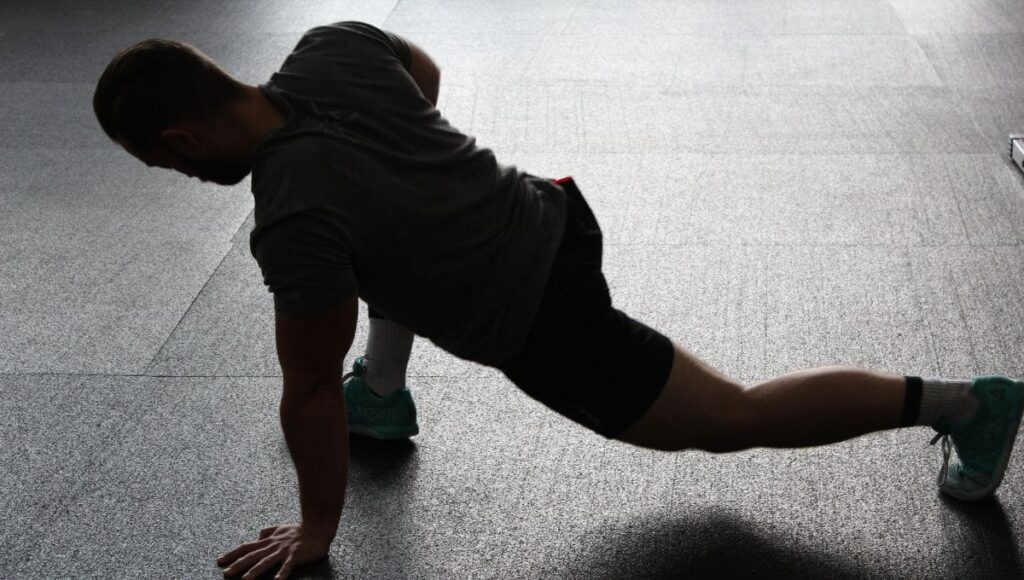
- Dynamic Stretching: Incorporate dynamic stretches such as leg swings, walking lunges, and high knees into your warm-up routine. These exercises increase blood flow to the muscles and enhance joint mobility, preparing the body for intense workouts.
- Yoga and Pilates: These practices focus on improving flexibility, mobility, and core strength. Regularly attending yoga or Pilates classes can enhance overall muscle flexibility and contribute to better leg muscle development.
How To Train Slow Twitch Fibre for More Muscle Growth
The Role of Foam Rolling in Leg Muscle Development
Foam rolling is a popular technique used by athletes and fitness enthusiasts to improve muscle flexibility, reduce soreness, and enhance overall performance. When it comes to leg muscle development, foam rolling is a valuable tool that can significantly impact your progress.
How Foam Rolling Works
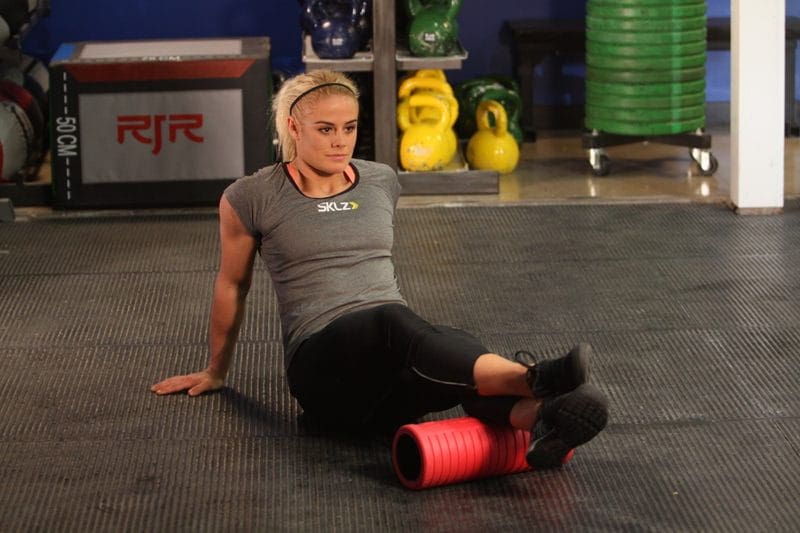
Foam rolling is a form of self-myofascial release that targets the fascia—a connective tissue that surrounds muscles. By applying pressure to specific areas, foam rolling helps break down adhesions and knots, allowing the fascia to return to its natural state. This process increases blood flow, reduces muscle stiffness, and improves the overall range of motion.
Benefits of Foam Rolling for Leg Muscles
- Improved Muscle Recovery: Foam rolling helps reduce muscle soreness and accelerate recovery after intense workouts. By promoting blood flow and reducing tension, it aids in the removal of metabolic waste products, allowing muscles to recover faster and grow more effectively.
- Enhanced Flexibility: Regular foam rolling sessions can improve muscle flexibility, allowing for better movement patterns during exercises. This increased flexibility enables you to perform exercises with a full range of motion, maximizing muscle engagement and growth.
- Injury Prevention: Foam rolling helps identify and address areas of tightness and tension in the muscles. By releasing these knots and adhesions, it reduces the risk of overuse injuries and enhances overall joint stability, allowing you to train more safely and effectively.
Effective Foam Rolling Techniques for Leg Muscles
To get the most out of foam rolling, it’s essential to use the proper techniques:
- Quadriceps: Begin by placing the foam roller under your thighs and supporting your body weight with your forearms. Roll slowly from the hip to the knee, pausing on any tight spots or areas of discomfort. Apply gentle pressure and hold for 20-30 seconds on each spot before moving on.
- Hamstrings: Sit on the foam roller with your legs extended in front of you. Roll from the glutes to the back of the knees, pausing on tight areas and applying pressure. Focus on one leg at a time for a more targeted release.
- Calves: Place the foam roller under your calves and support your body weight with your hands. Roll from the ankle to the knee, applying pressure to any tight spots. Cross one leg over the other to increase the intensity if needed.
The Importance of Proper Warm-Up for Leg Workouts
A proper warm-up is a critical component of any leg workout routine. It prepares the body for the demands of exercise, reduces the risk of injury, and enhances overall performance. Neglecting to warm up adequately can lead to muscle strains, decreased strength, and limited progress in leg muscle development.
Stop Sitting, Start Stretching: 5 Tips To Improve Flexibility

Benefits of a Proper Warm-Up
- Increased Blood Flow: Warming up increases blood flow to the muscles, delivering essential nutrients and oxygen. This heightened circulation improves muscle flexibility and prepares them for the intensity of the workout.
- Enhanced Muscle Activation: A proper warm-up activates the neuromuscular system, ensuring that the right muscles are engaged during exercises. This leads to more efficient movement patterns and better muscle recruitment, maximizing the effectiveness of each exercise.
- Reduced Risk of Injury: Warm-ups help prevent injuries by gradually increasing the heart rate and loosening the joints. They also improve joint lubrication and elasticity, reducing the likelihood of strains and sprains during workouts.
Components of an Effective Warm-Up
To ensure a comprehensive warm-up, incorporate the following elements into your routine:
- Cardiovascular Warm-Up: Begin with 5-10 minutes of light cardiovascular exercise, such as jogging, cycling, or skipping. This elevates the heart rate and increases blood flow to the muscles, preparing them for more intense activities.
- Dynamic Stretching: Perform dynamic stretches that mimic the movements you’ll be doing during your workout. Include exercises like leg swings, walking lunges, and high knees to improve flexibility and mobility.
- Activation Exercises: Incorporate activation exercises to target specific muscle groups. For leg workouts, consider exercises like glute bridges, hip circles, and bodyweight squats to activate the glutes, hamstrings, and quadriceps.
Understanding the Role of Muscle Imbalances
Muscle imbalances occur when there is a disparity in strength or flexibility between opposing muscle groups. These imbalances can lead to poor posture, decreased performance, and an increased risk of injury. Addressing muscle imbalances is crucial for optimal leg muscle development and overall functional fitness.
Identifying Muscle Imbalances
- Postural Assessment: Conduct a postural assessment to identify any asymmetries or imbalances in your body. Pay attention to any areas where one side appears stronger or more developed than the other.
- Functional Movement Assessment: Perform functional movement assessments to evaluate your body’s ability to perform specific movements. This can help identify areas of weakness or compensation that may be contributing to muscle imbalances.
- Range of Motion Assessment: Assess your range of motion during exercises to identify any limitations or discrepancies between opposing muscle groups. Limited range of motion can indicate imbalances that need to be addressed.
Correcting Muscle Imbalances
To correct muscle imbalances, consider the following strategies:
- Strengthening Weak Muscles: Focus on strengthening the weaker muscle groups to restore balance. Include targeted exercises that specifically target the underdeveloped muscles, gradually increasing resistance and intensity.
- Stretching Tight Muscles: Stretching the tight or overactive muscles can help alleviate imbalances and improve flexibility. Incorporate static and dynamic stretches into your routine to promote balance and symmetry.
- Functional Training: Engage in functional training exercises that promote balance and coordination. These exercises challenge multiple muscle groups simultaneously, helping to address imbalances and improve overall stability.
The Impact of Range of Motion on Leg Muscle Growth
Range of motion (ROM) refers to the extent of movement a joint can achieve. It plays a crucial role in leg muscle growth as it affects muscle activation, tension, and overall muscle development. Understanding how to optimize ROM can lead to more effective workouts and better results.
The Importance of Full Range of Motion
- Maximized Muscle Activation: Performing exercises with a full range of motion ensures that all muscle fibers are engaged, leading to better muscle activation and growth. Partial range of motion can limit muscle engagement and hinder progress.
- Enhanced Muscle Tension: A full range of motion creates greater muscle tension, promoting muscle hypertrophy and strength gains. This increased tension stimulates muscle fibers and encourages growth.
- Improved Joint Health: Exercising through a full range of motion helps maintain joint health and flexibility. It prevents joint stiffness and enhances overall mobility, reducing the risk of injury.
Techniques to Improve Range of Motion
To improve your range of motion for leg exercises, consider the following techniques:
- Dynamic Stretching: Incorporate dynamic stretching exercises before workouts to enhance joint mobility and flexibility. These movements increase blood flow to the muscles and improve ROM.
- Assisted Stretching: Utilize assisted stretching techniques, such as partner stretches or using resistance bands, to deepen your range of motion. These techniques can help you achieve greater flexibility and mobility.
- Progressive Overload: Gradually increase the intensity and complexity of your exercises to improve ROM over time. Focus on maintaining proper form and technique while challenging your muscles with progressive overload.
Avoiding Overtraining and Allowing Adequate Rest
While dedication and hard work are essential for muscle growth, overtraining can be detrimental to your progress. Overtraining occurs when the body is subjected to excessive stress without adequate time for recovery. It can lead to muscle fatigue, decreased performance, and increased risk of injury.
Signs of Overtraining
- Persistent Fatigue: Feeling constantly tired and lacking energy, even after getting enough sleep, may indicate overtraining. It’s essential to listen to your body and recognize when it’s time to rest.
- Decreased Performance: A decline in strength, endurance, or overall performance is a common sign of overtraining. If you notice a plateau or regression in your workouts, it may be time to reassess your training routine.
- Increased Risk of Injury: Overtraining can weaken the body’s ability to repair and recover, making you more susceptible to injuries. Common injuries associated with overtraining include strains, sprains, and joint pain.
How Little Can You Do and Still Grow Muscle?
Importance of Rest and Recovery
- Muscle Repair and Growth: Rest is crucial for muscle repair and growth. During rest periods, the body repairs damaged muscle fibers and builds new ones, leading to increased muscle size and strength.
- Hormonal Balance: Adequate rest helps maintain hormonal balance, including the regulation of cortisol and testosterone levels. These hormones play a vital role in muscle growth and overall well-being.
- Mental and Physical Rejuvenation: Rest and recovery provide the opportunity for mental and physical rejuvenation. Taking time off from intense training allows you to recharge, reducing the risk of burnout and improving overall performance.
Incorporating Rest into Your Routine
To prevent overtraining and promote optimal recovery, consider the following tips:
- Plan Rest Days: Incorporate regular rest days into your training schedule to allow your body time to recover. Listen to your body and adjust your rest days based on how you feel.
- Prioritize Sleep: Ensure you get enough quality sleep each night to support muscle recovery and growth. Aim for 7-9 hours of sleep per night to optimize your performance and well-being.
- Active Recovery: Engage in low-intensity activities, such as walking, yoga, or swimming, on your rest days to promote blood flow and aid in recovery without placing additional stress on the body.
Conclusion
Achieving optimal leg muscular growth requires a comprehensive approach that goes beyond lifting heavy weights. By addressing common mistakes such as neglecting flexibility and mobility, failing to warm up properly, and overtraining, you can enhance your leg muscle development and overall fitness journey.
Remember to prioritize flexibility and mobility exercises to improve your range of motion, enhance muscle activation, and reduce the risk of injury. Incorporate foam rolling and proper warm-up techniques into your routine to optimize your workouts and maximize muscle gains.
Additionally, be mindful of muscle imbalances and range of motion limitations, and take the necessary steps to correct them. Avoid overtraining and ensure you allow adequate rest and recovery to support muscle growth and overall well-being.
By adopting these strategies and making informed training decisions, you can achieve the leg muscles you’ve always desired and enjoy a healthier, more fulfilling fitness journey.
| Key Takeaways | Details |
|---|---|
| Flexibility and Mobility | Improves range of motion, enhances muscle activation, reduces injury risk. |
| Foam Rolling | Releases muscle tightness, improves blood flow, accelerates recovery. |
| Proper Warm-Up | Increases blood flow, activates muscles, reduces injury risk. |
| Muscle Imbalances | Address imbalances through targeted exercises and functional training. |
| Range of Motion | Full range of motion maximizes muscle activation and growth. |
| Avoiding Overtraining | Rest and recovery are essential for muscle repair and overall well-being. |
| Incorporate Rest | Plan rest days, prioritize sleep, and engage in active recovery. |