Performance and achieving goals is largely built on your workouts in the gym with a little portion attributed to your diet. However, the nutrition you put in your body can help you to reach new levels and feel great. The content ahead discusses creatine vs pre workout and which boosts performance more.
The nutrients you put into your body help to supply vitamins and minerals. These vitamins and minerals play the role of enzymes for chemical reactions in the body, which oftentimes involve metabolism. In addition, some compounds that are consumed act as an ergogenic aid, which is discussed in more detail ahead.
Creatine vs Pre Workout – What is an Ergogenic Compound?
Some ingredients we put into the body work to alter parts of the body’s physiology. For example, waking up in the morning, many adults indulge in coffee which contains caffeine. Caffeine is known to decrease blood diameter, raise heart rate, and stimulate the mind. In fitness, an ergogenic compound is something that is ingested to help performance in any way.
Listed ahead are some well-known and common ergogenic compounds.
- Caffeine
- Guarana
- Creatine
- Nitrogen or nitrate
- Stimulants that are prescribed or not
- Sodium bicarbonate
- Beta alanine
- Amino acids
- Anabolic steroids and banned performance enhancing compounds
What do Athletes Use Most?
When it comes to athletic performance and work in the gym, it seems most adults utilize creatine the most. However, in recent years, many people have turned to creatine, caffeine, and compounds in a combination called pre-workout. Let’s compare creatine vs pre-workout to see what is best for performance so you can be at your best with every set. 
What is Creatine?
Creatine monohydrate is one of the most common ergogenic aids used by athletes and adults in the gym. The primary function of this supplement is to increase intracellular creatine, which increases the cell’s ability to regenerate energy in the form of ATP.
- Benefits of creatine: The perks of creatine consumption extend from fitness to general health and wellness. Creatine may help to prevent injuries, severity of injuries, strength, performance, boost recovery, and encourage the growth of fast twitch power muscle fibers (type II). Use creatine for general strength training or HIIT workouts to get the most from this supplement.
- What do the studies show? Creatine is extensively studied and continues to show amazing results. Studies show the efficacy of creatine and the importance it has during exercise and as a post exercise recovery supplement. Adding this supplement can help to keep the muscles going when fatigue tries to set in.
- How to take creatine? It is important to have a loading dose of creatine when you first get started. Some get started with a loading dose of about 20 grams for the initial consumption with daily amounts of about 5 grams daily thereafter.
- Precautions. Interestingly, creatine may be affected by other ergogenic aids. It seems combining caffeine and creatine may reduce the efficacy of creatine, which could have importance in performance. If possible, try to avoid drinking coffee, tea, or energy drinks around when you take creatine to allow for optimal effects in every serving.

What is Pre-work out?
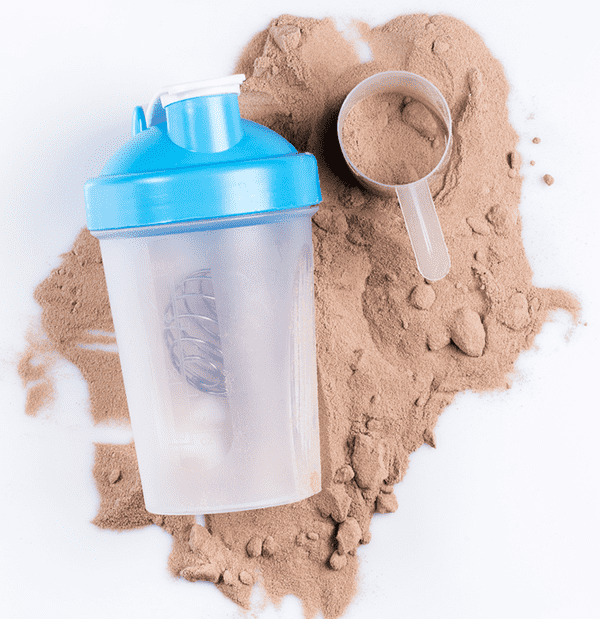
Pre-workout is a combination of ingredients that comes as a powder or beverage that contains ingredients to allow for optimal performance. Given the name “pre-workout” and that it is designed for exercise, this supplement is often something adults take prior to activity.
- Benefits. The primary goal of pre-workout is to prepare the body for physical activity. Each version of pre-workout may have a different formula, but generally these supplements contain creatine, caffeine, guarana, amino acids, beta alanine, and ginseng to stimulate the mind and body.
- What do the studies show? While not studied as extensively as creatine, pre-workout appears to have various benefits that include physical, physiological, and may improve energy, focus, endurance, and strength.
- How to take pre-workout? Perhaps the easiest part of pre-workout is that most options are designed to be consumed prior to activity. This means within 30 minutes before hitting the gym, but some lifters may consider taking pre-workout mid-workout to help boost energy when the body is showing signs of fatigue.
- Precautions. People who take pre-workout should be mindful of the ingredients and how much is in every serving. Many of these options contain “energy blends” that include guarana, caffeine, and ginkgo biloba that can stimulate the mind and body. Be aware that since many pre-workout options contain caffeine, this may decrease the efficacy of creatine if you are taking that as well.
When is it Best to Take Creatine vs Pre Workout?
There are big differences when it comes to the time of day to take creatine vs pre workout. Here are some important considerations when taking each supplement.
[wpcode id=”229888″]- Creatine typically can be taken any time of day, but is best when taken around exercise. If you take creatine early in the day, just be mindful of when you have your latte.
- Pre-workout is best when taken early in the day since it contains compounds that stimulate the mind and body. Try to avoid pre-workout at night or around bed so that it doesn’t prevent restful sleep.
- Both creatine vs pre-workout should be consumed around your workouts. Creatine can be mixed with your protein shake to promote muscular strength. Pre-workout should be consumed around 30 minutes before your exercise to allow for all of the compounds to take their effects.
What is the Verdict for Performance?
The differences between creatine vs pre-workout are subtle, but each supplement serves a specific purpose. Creatine is involved in cellular activity and is targeted towards energy building and resisting fatigue. Pre-workout is geared specifically towards performance with an element of mental focus.
If strength and HIIT workouts are part of your program, then creatine may be best for you. If you struggle with focus, sustained energy, and need a pick-me-up, then pre-workout may be best for you. Some pre-workout options contain creatine as well, so this could be an option for some. With that in mind, it seems creatine overall is the most studied option and safest for a general population.
Creatine vs Pre Workout – Conclusion
Deciding to consume creatine vs pre-workout for performance involves knowing what your goals entail. Consider the information above to help guide you on your decision in which supplement to consume.
Creatine vs Pre Workout – Resources
https://pubmed.ncbi.nlm.nih.gov/35830325
https://pmc.ncbi.nlm.nih.gov/articles/PMC8228369
https://jissn.biomedcentral.com/articles/10.1186/s12970-017-0173-z
https://www.mayoclinic.org/drugs-supplements-creatine/art-20347591