CrossFit has unveiled a Safety and Advisory Board, an initiative aimed at addressing safety concerns in its competitive landscape. This move comes amid ongoing scrutiny over the organisation’s response to the tragic death of elite athlete Lazar Đukić during the first event of the 2024 CrossFit Games. The decision to form this board signals a shift in CrossFit’s priorities, placing a stronger emphasis on transparency, safety, and athlete welfare.
In this article, we’ll dive into the details of the Safety and Advisory Board, the criticisms CrossFit has faced, and what these developments mean for the future of the sport. By looking at the facts and the community’s response, we aim to offer a balanced perspective on this pressing issue.
What Is the CrossFit Safety and Advisory Board?
The Safety and Advisory Board is a newly created body designed to enhance athlete safety and provide expert advice on health and well-being in CrossFit events. According to CrossFit, the board will be tasked with:
- Reviewing safety protocols for competitions and training environments.
- Offering recommendations to mitigate risks and prevent accidents.
- Strengthening communication between athletes and event organisers.
Who Are the Members of the Board?
The inaugural members of CrossFit’s Safety and Advisory Board represent a blend of athletic achievement, administrative expertise, and a deep commitment to the CrossFit community. Each member brings a unique perspective and set of skills to the table. Let’s take a closer look at the individuals chosen to lead this initiative:
Rich Froning
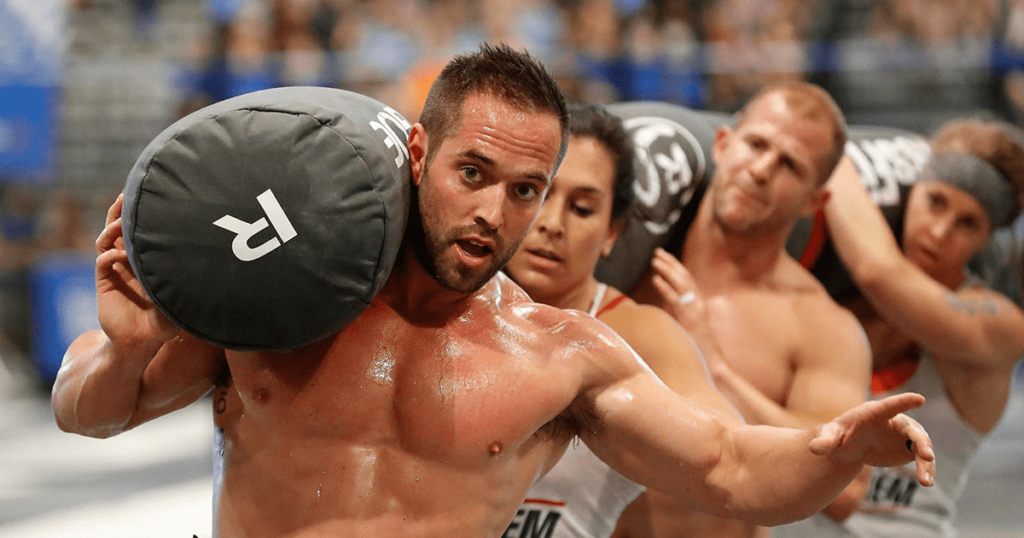
Rich Froning is arguably the most iconic figure in CrossFit history. A four-time individual CrossFit Games champion (2011–2014) and six-time Team champion with CrossFit Mayhem, Froning’s dominance in the sport has earned him legendary status.
- Why He Was Selected: Froning’s competitive experience provides him with firsthand knowledge of the physical and mental demands placed on athletes at the highest levels. His involvement ensures that athlete concerns are represented at the decision-making level.
- His Role on the Board: As a respected leader in the community, Froning will likely focus on practical safety measures that align with the realities of elite competition. His experience managing a successful CrossFit affiliate, CrossFit Mayhem, also equips him to contribute to broader safety strategies within training environments.
- Community Impact: Froning’s presence on the board sends a strong message to athletes and fans that CrossFit wants to be taken serious about addressing safety concerns. Many see him as a bridge between athletes and organisational leadership.
Caity Matter Henninger
Caity Matter Henninger holds the distinction of being one of CrossFit’s earliest champions, winning the Games in 2007. Since then, she has remained a passionate advocate for health, fitness, and athlete welfare.
- Why She Was Selected: Henninger’s pioneering role in CrossFit and her longevity in the sport make her a credible voice on issues affecting athletes of all levels. She also has extensive experience in coaching and mentoring, which enhances her understanding of athlete development and safety.
- Her Role on the Board: Henninger is likely to focus on athlete education and the prevention of injuries through improved training protocols. Her experience as a competitor gives her insight into the pressures athletes face, both physically and mentally.
- Community Impact: Henninger’s inclusion reflects a holistic perspective, considering both physical risks and mental health challenges.
Dr Robert C. Oh, MD, MPH

Dr Robert C. Oh is a family physician with a Certificate of Added Qualifications (CAQ) in sports medicine, as well as a distinguished 22-year military career.
- Expertise: Dr Oh’s background in public health, sports medicine, and military health initiatives makes him an invaluable addition to the board. His leadership in performance optimisation for the U.S. Army provides a framework for improving athlete safety and well-being in high-pressure environments.
- Role on the Board: He will likely focus on integrating evidence-based medical practices into CrossFit’s safety protocols and improving emergency response measures.
Brian McGuire, MS, ATC

Brian McGuire is an experienced athletic trainer with an extensive career in professional and Olympic sports.
- Background: As the Lead Athletic Trainer for the NFL Scouting Combine and a player safety spotter for the NFL, McGuire has been instrumental in athlete safety at the highest levels of sport. He also directs the Marine Corps Human Performance Branch, focusing on fitness and safety standards.
- Role on the Board: McGuire’s expertise in injury prevention and safety oversight will help CrossFit refine its protocols for both training and competition settings.
Dr Allison Brager

Dr Allison Brager is a neuroscientist, CrossFit athlete, and military professional specialising in human performance under extreme conditions.
- Experience: Brager’s research focuses on resilience, endurance, and performance optimisation, particularly in austere environments. Her background in CrossFit as both a competitor and a coach provides a unique perspective on the sport’s physical and mental demands.
- Role on the Board: Brager will contribute insights into the neuroscience of performance, recovery, and resilience, enhancing athlete support systems.
Manuel “Manny” Cruz

Manny Cruz is a leader within the U.S. Border Patrol Academy and an expert in search-and-rescue operations.
- Background: With nearly two decades of experience in border security and special operations, Cruz has led missions in technical rope rescue and floodwater rescue. His expertise in risk management and training makes him a vital asset to the board.
- Role on the Board: Cruz will likely focus on emergency response planning and improving safety measures in high-risk environments.
Michael Cohen

Michael Cohen is an Olympian and CEO of USA Masters Weightlifting, with decades of experience as both a competitor and coach.
- Accomplishments: Cohen has coached athletes to success at the highest levels of weightlifting, including the Olympics and World Championships.
- Role on the Board: His expertise in weightlifting technique and injury prevention will be instrumental in refining CrossFit’s strength training protocols.
Dr Mark Ritchie

Dr Mark Ritchie is an expert in risk management and the founder of the International Sustainable Development Studies Institute (ISDSI) in Thailand.
- Experience: Ritchie has spent 25 years teaching risk management in complex environments, including expedition settings. His work in experiential learning ensures a thorough understanding of the risks involved in dynamic, unpredictable situations.
- Role on the Board: Ritchie will focus on developing comprehensive risk management strategies tailored to CrossFit’s diverse events and affiliate settings.
The Significance of This Team
The inclusion of Froning and Henninger signals a deliberate effort to balance athletic insight with administrative expertise. Alongside the other members, they form a team capable of addressing safety concerns from different angles, with recommendations that are both practical for athletes and feasible for organisers.e, administrative insight, and a deep understanding of CrossFit’s culture. Their inclusion suggests that CrossFit is taking athlete concerns seriously, at least on the surface.
Why Was the Safety and Advisory Board Created?
The Safety and Advisory Board was formed in response to mounting concerns over CrossFit’s handling of safety and transparency. These concerns reached a boiling point after the tragic death of Lazar Đukić, a beloved CrossFit athlete. His drowning during open-water training highlighted potential gaps in safety oversight.
The Timeline of Events Leading to the Board’s Creation
- August: Lazar Đukić tragically drowned during a training session.
- August: CrossFit hired a third-party firm to investigate the circumstances surrounding his death.
- October: The investigation concluded, but CrossFit declined to publicly release the findings, citing privacy concerns.
- December: Luka Đukić, Lazar’s brother, publicly criticised CrossFit for its lack of transparency and apparent failure to take responsibility.
- December: CrossFit announced the creation of the Safety and Advisory Board as part of its response to the tragedy.
The board’s establishment has been perceived by some as a reactive measure, rather than a proactive initiative, but it nevertheless marks a critical step in addressing safety concerns.
Chronological Facts: All We Know About Lazar’s Death and the Future of the CrossFit Games
Criticisms of CrossFit’s Response to Lazar Đukić’s Death
The formation of the Safety and Advisory Board has been overshadowed by ongoing criticism over CrossFit’s handling of Lazar Đukić’s death.
Lack of Transparency
One of the most significant criticisms is CrossFit’s refusal to release the findings of the third-party investigation. While the organisation cited respect for privacy, many in the community, including Lazar’s brother Luka Đukić, felt that this decision lacked accountability.
Concerns Over Event Safety

The circumstances of Lazar’s death raised questions about safety protocols in CrossFit competitions. Specific concerns include:
- Inadequate supervision during high-risk training events.
- Lack of clearly defined emergency response protocols.
- Insufficient athlete education on safety measures for open-water exercises.
These criticisms have amplified calls for systemic change, with many questioning whether the board will be effective in implementing meaningful reforms.
The Role of Rich Froning and Caity Matter Henninger
Rich Froning and Caity Matter Henninger are pivotal figures in the new board. Their reputations as champions and community leaders make them trusted voices for athletes.
Rich Froning’s Influence
Froning’s legacy as a four-time CrossFit Games champion gives him unique insight into the challenges faced by competitors. His involvement signals a commitment to prioritising athlete safety and ensuring that protocols are both realistic and effective.
Caity Matter Henninger’s Perspective
As a trailblazer in CrossFit, Henninger brings decades of experience and a strong connection to the community. Her focus on athlete advocacy will likely shape the board’s approach to addressing safety concerns.
Implications for the Future of CrossFit
The creation of the Safety and Advisory Board marks a significant turning point for CrossFit. While it is a step forward, the long-term implications of this initiative will depend on the board’s ability to enact meaningful change. Let’s explore the potential outcomes, both positive and challenging.
Positive Implications
Improved Safety Standards
One of the board’s primary objectives is to enhance safety protocols across all levels of CrossFit, from local affiliate gyms to international competitions. By identifying gaps in current practices, the board has the potential to set new benchmarks for safety in functional fitness.
- Competitions: Expect stricter guidelines for high-risk events, such as open-water swimming and extreme endurance challenges. This may include mandatory safety briefings, improved monitoring, and emergency response plans.
- Affiliate Gyms: The board could recommend new safety standards for CrossFit affiliates, such as mandatory first-aid training for coaches and improved equipment maintenance protocols.
Related: PFAA “Dissatisfied” to CrossFit’s “Lack of Transparency”

Athlete Advocacy
For years, athletes have called for greater representation within CrossFit’s leadership. The Safety and Advisory Board gives them a platform to voice concerns and influence policy decisions.
- Direct Communication: Athletes now have trusted representatives, such as Froning and Henninger, who understand their challenges and can advocate for their needs.
- Mental Health Support: Beyond physical safety, the board could address mental health challenges, such as burnout and performance anxiety, by promoting resources and support systems for athletes.
Enhanced Transparency
The board’s creation signals a move towards greater accountability within CrossFit. By involving respected figures like Froning and Henninger, the organisation may begin to rebuild trust with its community.
- Regular Updates: The board could establish a system for communicating progress on safety initiatives, ensuring that athletes and fans are kept informed.
- Public Accountability: Transparent reporting on safety improvements and incident investigations would demonstrate CrossFit’s commitment to change.
Strengthening Community Trust
In recent years, CrossFit has faced criticism for a perceived lack of transparency and accountability. The Safety and Advisory Board offers an opportunity to rebuild trust by prioritising the well-being of its athletes and members.
Challenges Ahead

Rebuilding Trust
While the board is a positive step, many athletes and fans remain sceptical about CrossFit’s commitment to transparency. The controversy surrounding Lazar Đukić’s death has left a lasting impact, and rebuilding trust will require consistent action over time.
- Past Mistakes: CrossFit must acknowledge and learn from its previous shortcomings to demonstrate genuine accountability.
- Long-Term Commitment: The board must show that it is more than a symbolic gesture by delivering tangible results.
PFAA Demands for Dave Castro to Be “Removed from His Position”
Implementing Recommendations
The success of the board depends on CrossFit’s willingness to adopt its recommendations. Implementing systemic changes across a global organisation is no small task and will require:
- Resource Allocation: Funding and staffing dedicated to safety initiatives.
- Cultural Shift: Emphasising safety as a core value within the CrossFit community.
Balancing Growth with Safety
As CrossFit continues to expand globally, maintaining consistent safety standards will be a challenge.
- Diverse Affiliates: With thousands of affiliate gyms operating independently, ensuring compliance with safety guidelines will require careful oversight.
- Scalable Solutions: Recommendations must be adaptable to gyms and competitions of varying sizes and resources.
Conclusion
The announcement of CrossFit’s Safety and Advisory Board represents a crucial moment for the sport. While it’s a step in the right direction, the board’s success will depend on its ability to enact meaningful change and rebuild trust within the community.
Lazar Đukić’s death serves as a tragic reminder of the importance of athlete safety, and his legacy will undoubtedly shape the board’s priorities. Moving forward, CrossFit has an opportunity to not only improve safety protocols but also set a new standard for accountability in competitive sports.
The eyes of the CrossFit community—and the broader world of sports—will be watching closely.