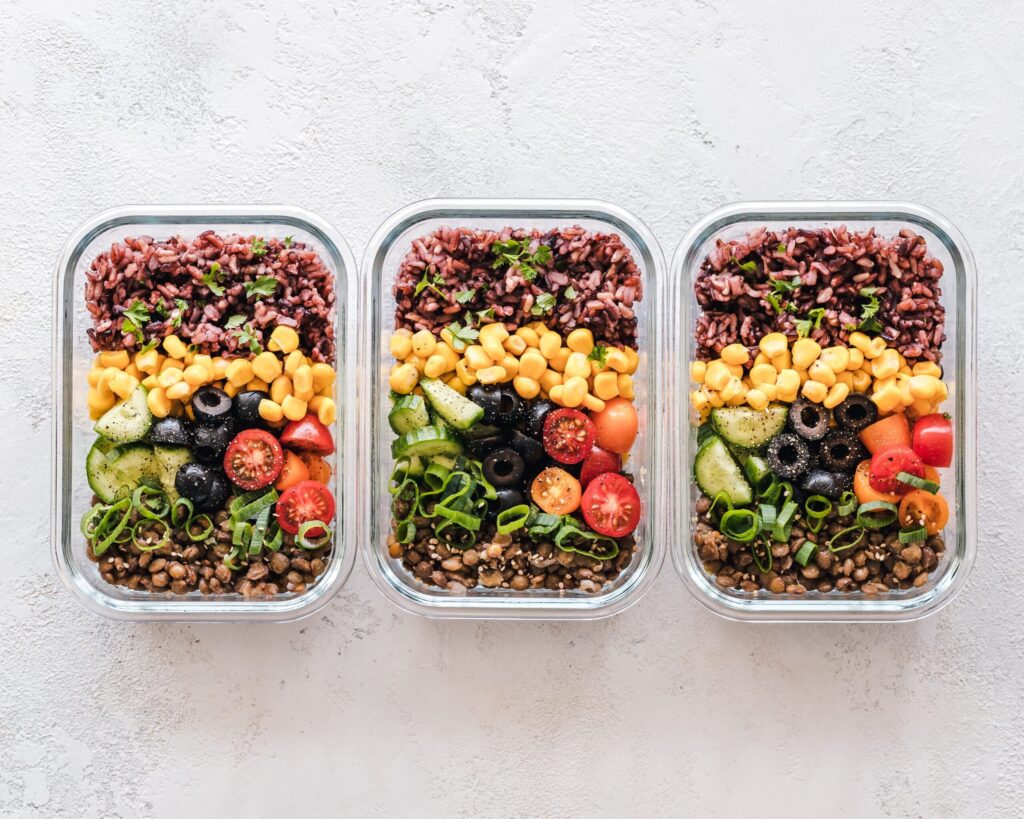
Meeting your daily protein target is essential for muscle repair, athletic recovery, immune function, and overall health. Many athletes and fitness enthusiasts rely heavily on protein shakes for convenience, but whole foods can provide the same—or greater—benefits with additional nutrients, improved satiety, and better metabolic impact.
This article explores five creative, evidence-backed strategies to reach your daily protein target without relying on shakes.
Why Hitting Your Daily Protein Target Matters
Protein is the most satiating macronutrient and plays a central role in maintaining lean body mass, supporting metabolic health, and facilitating recovery from exercise.
Research shows that consuming adequate protein—typically 1.6–2.2 grams per kilogram of bodyweight per day for active individuals—optimizes muscle protein synthesis and supports strength adaptations (Morton et al., 2018). Protein also contributes to bone health, hormone regulation, and immune defense (Phillips & Van Loon, 2011).
Consistently hitting your daily protein target is therefore not just about aesthetics or performance, but about long-term physiological health. The following strategies demonstrate how to creatively incorporate high-quality proteins into your diet through whole foods.
1. Harness High-Protein Breakfast Alternatives

Eggs Beyond the Basics
Eggs are a complete protein source containing all essential amino acids. One large egg provides approximately 6 grams of protein, but you can scale intake with creative recipes. For example, frittatas and shakshuka combine eggs with vegetables and legumes, boosting fiber and micronutrient intake while maintaining a high protein density.
Greek Yogurt as a Foundation
Strained Greek yogurt contains up to 20 grams of protein per serving (200 g). Unlike regular yogurt, its lower lactose content and higher casein fraction make it an ideal slow-digesting protein option for sustained amino acid release (Boirie et al., 1997). Incorporating it into parfaits with nuts and seeds not only enhances protein density but also improves satiety and metabolic control.
Protein-Enriched Oats
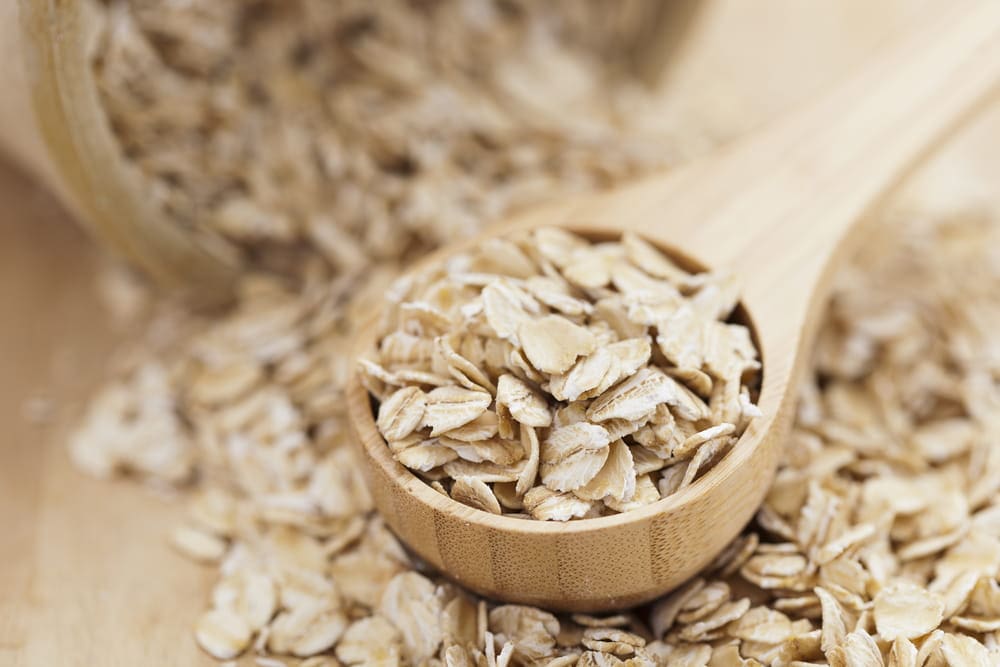
Adding cottage cheese or egg whites to oats can elevate a typical carbohydrate-rich breakfast into a balanced, protein-forward meal. Research suggests protein intake at breakfast enhances muscle protein synthesis throughout the day compared to lower-protein starts (Mamerow et al., 2014).
2. Leverage Legumes, Pulses, and Plant-Based Proteins
Lentils, Chickpeas, and Beans
Legumes provide 8–10 grams of protein per cooked cup, along with complex carbohydrates and micronutrients such as iron and magnesium. While they are lower in certain essential amino acids like methionine, pairing them with grains (e.g., rice or quinoa) produces a complete amino acid profile (Young & Pellett, 1994).
Soy and Its Derivatives
Soy protein is unique among plant proteins in that it is complete and well-studied. Tofu, tempeh, and edamame provide flexible, high-protein options that can be used in stir-fries, soups, or salads. Meta-analyses demonstrate soy protein’s ability to support lean body mass development in both omnivores and vegetarians (Messina, 2016).
Legume-Based Snacks
Roasted chickpeas or lentil chips are convenient, portable snacks that can add 10–15 grams of protein per serving. Studies indicate that substituting plant-based proteins for some animal proteins can improve cardiovascular markers without impairing muscle growth when total protein intake is sufficient (Li et al., 2014).
3. Explore Global High-Protein Dishes
Mediterranean and Middle Eastern Options
Dishes like hummus with whole-grain pita or falafel can contribute significantly to protein intake while offering diverse phytochemicals. Combining these with Greek yogurt-based sauces further boosts protein density.
Asian Cuisine
Edamame, miso soups with tofu, and seitan stir-fries are staples in many Asian diets. Seitan, derived from wheat gluten, contains around 25 grams of protein per 100 g and offers a meat-like texture suitable for varied dishes.
Latin American Staples
Black beans, pinto beans, and quinoa are integral to many Latin American cuisines. Quinoa stands out as a rare plant-based complete protein, offering 8 grams per cooked cup along with high magnesium content beneficial for athletes.
4. Incorporate Protein-Forward Snacks and Sides
Jerky and Dried Meats
Beef, turkey, or salmon jerky can contain 9–12 grams of protein per serving, making them an efficient option for athletes on the go. Research shows high-protein snacks enhance satiety and reduce overall daily caloric intake compared to high-fat alternatives (Leidy et al., 2011).
[wpcode id=”229888″]Nuts and Seeds
While nuts are higher in fat, they still contribute meaningful protein, particularly when consumed in moderate portions. Pumpkin seeds and hemp seeds are particularly dense, offering up to 10 grams per ounce. Combining them with dairy or legumes can optimize amino acid balance.
High-Protein Cheeses
Cheeses such as Parmesan or cottage cheese are nutrient-rich snacks that deliver 10–15 grams of protein per serving, along with calcium and phosphorus to support bone health. Evidence indicates that dairy proteins, particularly casein, enhance overnight muscle protein synthesis when consumed in the evening (Res et al., 2012).
5. Optimize Main Meals with Protein Enhancements
Double Protein Portions
One simple yet effective strategy is increasing protein portions in main meals. For example, doubling the chicken breast in a salad or adding an extra serving of salmon to dinner immediately boosts total protein intake without requiring additional meals.
Combine Multiple Protein Sources
Pairing lean meats with legumes—such as chicken with lentils—provides a diverse amino acid intake and supports prolonged satiety. Research shows that mixed protein meals stimulate muscle protein synthesis as effectively as isolated protein sources (Reidy & Rasmussen, 2016).
Hidden Protein Additions
Incorporating protein-rich ingredients into meals can subtly increase intake. Examples include adding cottage cheese to pasta sauces, blending lentils into ground beef for burgers, or using quinoa instead of rice. These strategies allow athletes to consistently meet their daily protein target without reliance on supplements.
Practical Tips for Success
- Distribute Protein Evenly: Evidence suggests that spreading protein intake evenly across 3–5 meals (20–40 g each) maximizes muscle protein synthesis throughout the day (Areta et al., 2013).
- Prioritize High-Quality Sources: Animal proteins and certain plant proteins (soy, quinoa) provide all essential amino acids, making them reliable cornerstones for hitting targets.
- Use Food Tracking for Accuracy: Dietary recall studies consistently show that individuals underestimate protein intake when not tracking (Freedman et al., 2014). Tracking intake ensures your daily protein target is met.
- Adapt for Lifestyle: Travelers and busy professionals can rely on jerky, roasted chickpeas, or cheese as portable protein solutions.
Conclusion
Reaching your daily protein target without shakes is not only possible but can be achieved creatively and enjoyably with whole foods. By strategically incorporating protein-rich breakfasts, legumes, global dishes, smart snacks, and optimized main meals, you can consistently hit your nutritional goals while benefiting from a broader range of micronutrients and improved dietary quality. Protein shakes are convenient, but they are not essential.
Key Takeaways
| Strategy | Practical Example | Protein Contribution |
|---|---|---|
| High-Protein Breakfasts | Greek yogurt parfait or egg frittata | 20–30 g |
| Legume-Based Meals | Lentil stew with rice | 15–20 g |
| Global Dishes | Seitan stir-fry or quinoa bowl | 20–25 g |
| Protein Snacks | Jerky, cottage cheese, roasted chickpeas | 10–15 g |
| Optimized Main Meals | Double chicken breast with lentils | 30–40 g |
Bibliography
- Areta, J.L. et al. (2013) ‘Timing and distribution of protein ingestion during prolonged recovery from resistance exercise alters myofibrillar protein synthesis’, Journal of Physiology, 591(9), pp. 2319–2331.
- Boirie, Y. et al. (1997) ‘Slow and fast dietary proteins differently modulate postprandial protein accretion’, Proceedings of the National Academy of Sciences USA, 94(26), pp. 14930–14935.
- Freedman, L.S. et al. (2014) ‘Pooled results from 5 validation studies of dietary self-report instruments using recovery biomarkers for energy and protein intake’, American Journal of Epidemiology, 180(2), pp. 172–188.
- Leidy, H.J. et al. (2011) ‘The influence of higher protein intake and greater eating frequency on appetite control in overweight and obese men’, Obesity, 19(4), pp. 818–824.
- Li, D. et al. (2014) ‘Dietary protein intake and blood pressure: a meta-analysis of randomized controlled trials’, Journal of Hypertension, 32(5), pp. 814–823.
- Mamerow, M.M. et al. (2014) ‘Dietary protein distribution positively influences 24-h muscle protein synthesis in healthy adults’, Journal of Nutrition, 144(6), pp. 876–880.
- Messina, M. (2016) ‘Soy and health update: Evaluation of the clinical and epidemiologic literature’, Nutrients, 8(12), p. 754.
- Morton, R.W. et al. (2018) ‘A systematic review, meta-analysis and meta-regression of the effect of protein supplementation on resistance training–induced gains in muscle mass and strength in healthy adults’, British Journal of Sports Medicine, 52(6), pp. 376–384.
- Phillips, S.M. and Van Loon, L.J.C. (2011) ‘Dietary protein for athletes: From requirements to optimum adaptation’, Journal of Sports Sciences, 29(S1), pp. S29–S38.
- Reidy, P.T. and Rasmussen, B.B. (2016) ‘Role of ingested amino acids and protein in the promotion of resistance exercise-induced muscle protein anabolism’, Journal of Nutrition, 146(2), pp. 155–183.
- Res, P.T. et al. (2012) ‘Protein ingestion before sleep improves postexercise overnight recovery’, Medicine & Science in Sports & Exercise, 44(8), pp. 1560–1569.
- Young, V.R. and Pellett, P.L. (1994) ‘Plant proteins in relation to human protein and amino acid nutrition’, American Journal of Clinical Nutrition, 59(5 Suppl), pp. 1203S–1212S.