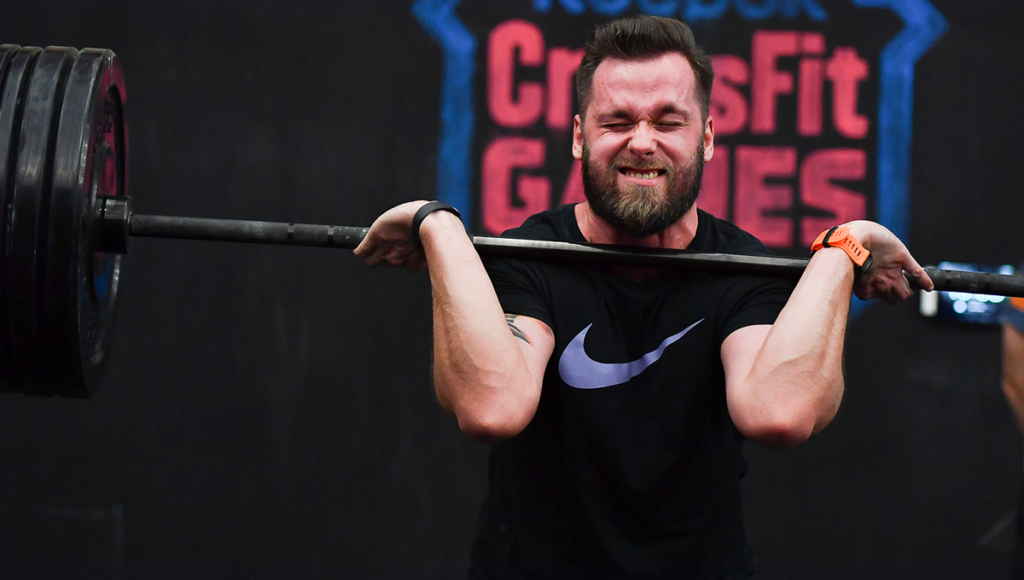
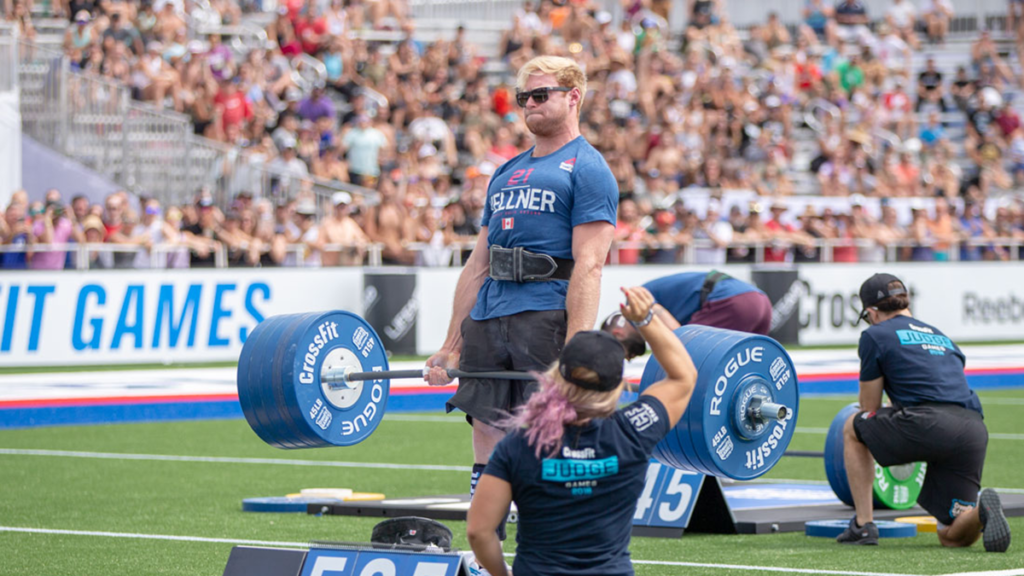
Deadlifts, often hailed as one of the most effective exercises for building strength, have a notorious reputation for causing injuries when not performed correctly. A seasoned strongman competitor shared his personal struggles with deadlift-induced injuries and offered invaluable advice to help others avoid the same pitfalls. This article delves into the dangers of deadlifts and presents a comprehensive guide to performing them safely and efficiently.
The information for this article is largely based on the expertise shown by Alexander Bromley, a renowned strength coach, competitive strongman, and YouTube content creator known for his expertise in strength training and conditioning. He offers comprehensive training programs, shares valuable insights on strength sports, and provides guidance on various fitness-related topics, making him a respected figure in the strength and fitness community.
Bromley knows firsthand the perils of deadlifting. Chronic injuries plagued his career, causing inconsistency and inefficiency in his lifts. “It was the rock in my shoe,” he recalls, describing the constant pain that hindered his progress. However, through perseverance and learning from others, Bromley discovered techniques that transformed his deadlift form, reducing pain and increasing efficiency.
Deadlifting is more than just lifting a barbell off the ground. It involves precise technique, body awareness, and a focus on force transfer to avoid unnecessary strain on the spine. Bromley’s insights offer a roadmap for both preventing injuries and enhancing performance, making deadlifts a safer and more effective exercise for all lifters.
Deadlifts Are Dangerous Unless You Do This
Neglecting Technique
One of the most significant mistakes lifters make is not paying attention to their deadlift technique. Many believe that simply grabbing the bar and lifting is sufficient, but this approach often leads to inefficient force transfer and potential injuries. Bromley emphasizes that, unlike other sports where skill and technique are meticulously honed, some lifters treat deadlifting as a brute strength exercise, disregarding the importance of proper form.
Misleading Cues
Another common issue is the reliance on outdated or incorrect cues, such as “head up” or “big chest.” These cues might get lifters into a starting position, but they fail to maintain proper alignment under heavy loads. Effective deadlifting requires maintaining a neutral spine and engaging the core throughout the lift, not just at the start.
Overarching
The practice of excessive arching, once popularized by lifting techniques in the ’90s and 2000s, creates dysfunctional tension in the lower back. This method, although it might generate artificial tension, places unnecessary strain on the spine and limits the range of motion, increasing the risk of injury.
You Might Also Like: How To Build Back Strength and Muscle Without The Deadlift (1 Simple Exercise)
Bromley’s Recommendations for Safe Deadlifting
Emphasize Core Stability
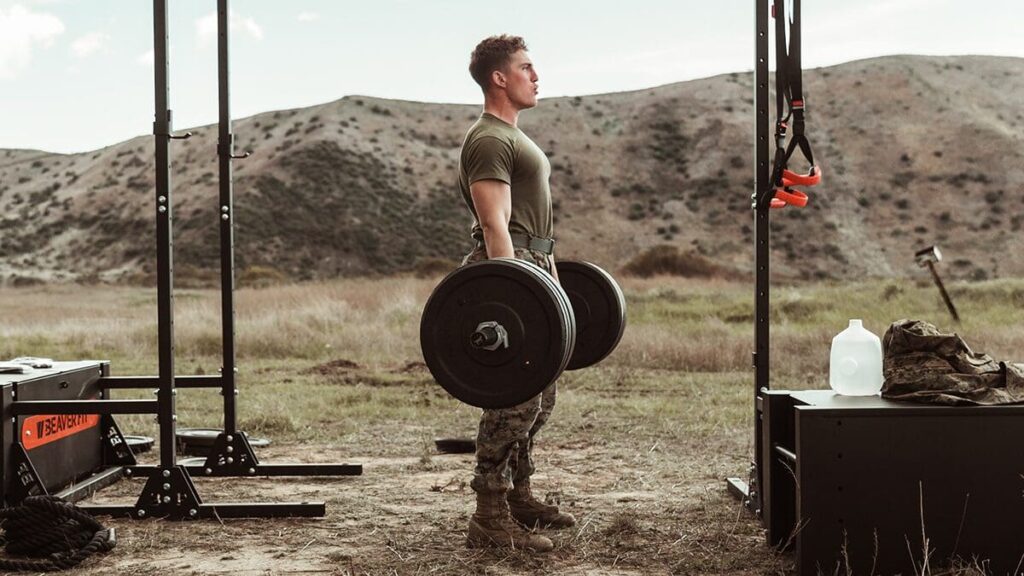
Bromley advises lifters to focus on core stability as a foundation for safe and effective deadlifting. Think of the spine as a cable tower, where opposing tensions keep it upright and stable. This means strengthening not just the back muscles but also the abdominals and obliques to create circumferential pressure that supports the spine.
Proper Bracing and Breathing
Learning to brace the core correctly is crucial. Bromley suggests a technique he calls “Cannonball Breathing,” where lifters tense their abdominals as if bracing for a cannonball impact and then breathe deeply into this tension. This method helps distribute pressure evenly, supporting the spine and improving stability during the lift.

Progressive Drills
Start with basic drills to build a strong foundation. Bromley recommends beginning with exercises like the 90/90 breathing technique, where lifters lie on their backs with legs bent at 90 degrees, focusing on bringing the ribs down and engaging the core. Progress to more challenging movements like planks and standing variations to reinforce proper bracing and alignment.
Gradual Integration
Integrate these techniques gradually into your lifting routine. Begin by practising proper posture and bracing during warm-ups and low-weight sets. As you become more comfortable, apply these principles to heavier lifts. Consistent practice will lead to improved form and reduced risk of injury.
Listening to Your Body
Pay attention to your body’s signals. If you experience pain or discomfort, reassess your technique and make necessary adjustments. Consistent, mindful practice is key to long-term success and injury prevention.
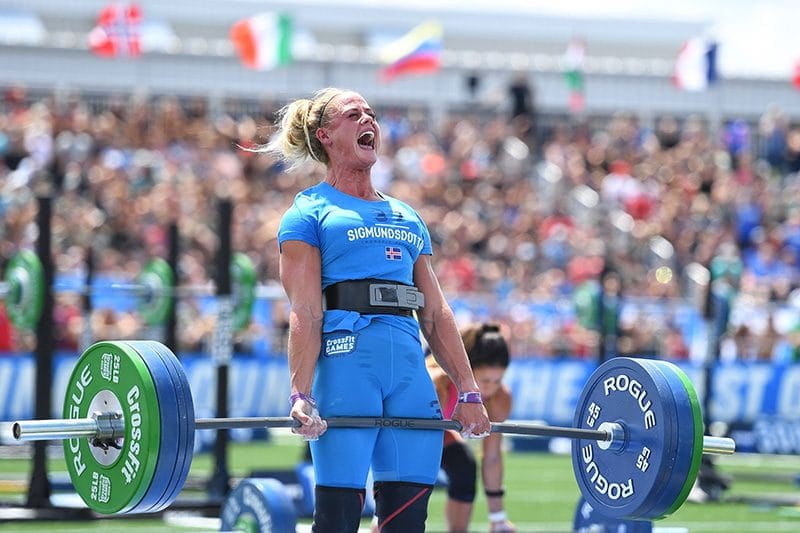
Deadlifts, while potentially dangerous, can be performed safely and effectively with the right approach. Alexander Bromley’s journey from chronic pain to efficient lifting highlights the importance of technique, core stability, and mindful practice. By incorporating his recommendations, lifters can enhance their performance, prevent injuries, and experience the full benefits of this powerful exercise.
Whether you’re a seasoned lifter or just starting, these principles will help you lift smarter and safer, paving the way for long-term success in your strength training journey.
Read Also: How to Make Progress Without Perfect Exercise Form
What are the common mistakes people make when deadlifting?
Common mistakes include neglecting proper technique, relying on outdated or incorrect cues like “head up” or “big chest,” and excessive arching of the lower back. These issues can lead to inefficient force transfer and increase the risk of injury.
Why is excessive arching of the back during deadlifts problematic?
Excessive arching creates dysfunctional tension in the lower back, limits the range of motion, and places unnecessary strain on the spine. This method increases the risk of injury and is less effective for building strength.
How can I improve my deadlifting technique to avoid injuries?
Focus on core stability, proper bracing, and maintaining a neutral spine throughout the lift. Strengthen your abdominals and obliques to create circumferential pressure that supports the spine. Gradually integrate these techniques into your routine, starting with basic drills and progressing to heavier lifts.
Are deadlifts inherently dangerous?
Deadlifts are not inherently dangerous when performed with proper technique and form. However, improper execution and neglecting safety measures can lead to injuries, especially to the lower back.
How can I gradually integrate better deadlifting techniques into my routine?
Begin by practicing proper posture and bracing during warm-ups and low-weight sets. As you become more comfortable, apply these principles to heavier lifts. Consistent practice will lead to improved form and reduced risk of injury.