Weight loss has always been a popular field of scientific exploration, but also for marketing persuasion. From inverting the food pyramid to inventing weight loss pills to creating weight loss regimens, there have always been myths and facts about weight loss.
In this article, we are debunking the ten most common nutrition myths about weight loss.
Myth 1: Eating Fat Makes You Fat.
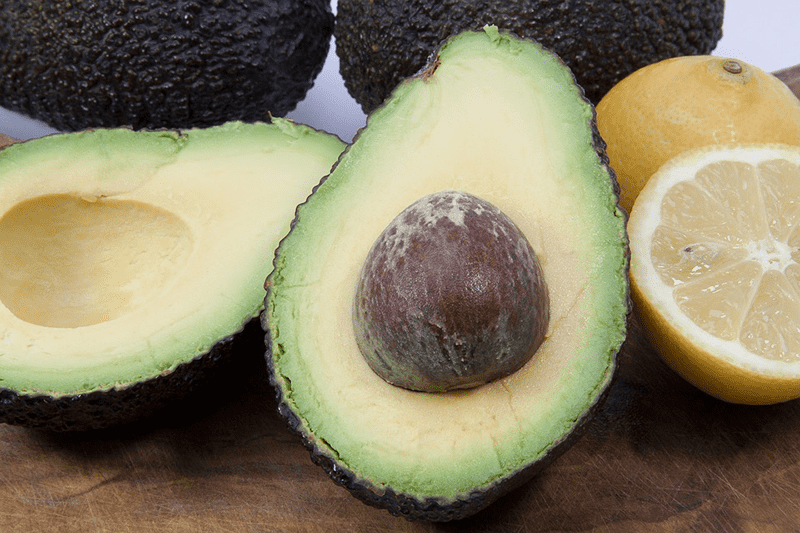
Contrary to this nutrition myth, eating fat does not necessarily make you gain weight. Healthy fats, like those found in avocados, nuts, and olive oil, can actually support weight loss by keeping you full and satisfied.
The key is to consume fats in moderation and choose unsaturated fats over trans fats and saturated fats. Healthy fats are crucial for various bodily functions, including hormone production and nutrient absorption.
Trans fats, found in processed and fried foods, are the fats you should eliminate from your diet. Your body cannot correctly process these fats, as they are not naturally found in food, so in addition to gaining weight, these types of fats will also cause you other health problems.
Fats are an essential part of healthy nutrition, and avoiding them completely can significantly worsen your health. Ironically, not consuming enough fats will make you gain weight because you will have to rely on other sources of energy to make up for what’s missing in your system.
Myth 2: All Carbs Are the Enemy.
Carbohydrates have been unfairly vilified in many weight loss circles. While refined carbs like white bread and sugary snacks can contribute to weight gain, complex carbs such as whole grains, fruits, and vegetables are essential for a balanced diet.
Despite the nutrition myths associated with them, carbohydrates are an essential nutrient group for fueling your body; therefore, avoiding and eliminating them from your diet can lead to a significant energy decline.

Complex carbs provide necessary nutrients and energy and can help you maintain a healthy weight when eaten in appropriate portions. Complex carbohydrates also contain fiber, which aids in digestion and helps regulate blood sugar levels, making you feel fuller for longer periods.
Refined carbs, on the other hand, are those you should keep away from your body. Refined sugar, white flour, sweets, and carbonated juices like coke are the most common sources of this type of carbs. They are also known as empty calories, meaning they provide no nutritional value, and you feel hungry shortly after you’ve had a meal that includes them.
Myth 3: Skipping Meals Helps You Lose Weight.
Skipping meals can actually be counterproductive for weight loss, and it is nothing but a nutrition myth. Starving yourself will bring you nothing except for an eating disorder or malnutrition-related health issues.
It often leads to overeating later in the day, slowing your metabolism. This can also cause serious digestion issues and very sudden energy dips. Consistent and healthy meals are the key to successful and long-term weight loss.
Focus on eating regular, balanced meals to keep your metabolism steady and avoid hunger-induced binges. Consistently eating throughout the day ensures you maintain energy levels and prevent mood swings related to hunger.
Myth 4: All Calories Are Equal.
While it’s true that weight loss ultimately comes down to calories in versus calories out, not all calories are created equal, and not differentiating them is a huge nutrition myth. While it is true that you must be in a caloric deficit to lose weight, what kind of calories you consume is crucial for a successful weight loss journey.
Nutrient-dense foods like vegetables, lean proteins, and whole grains provide more satiety and nutritional benefits than empty calories found in sugary drinks and snacks. Therefore, you will eat less but feel energized and satiated.
Choosing quality calories can make a significant difference in your weight loss journey. Foods high in protein and fiber can help regulate hunger hormones, reduce appetite, and increase feelings of fullness, aiding in better weight management.
Myth 5: Weight Loss Supplements Are a Shortcut to Weight Loss.
Although there are many weight loss drugs, contrary to popular belief, there is no magic pill for weight loss. These weight loss supplements may promise quick results, but they often come with side effects, and many lack scientific backing, throwing them right in the nutrition myth pile.
Furthermore, many of these supplements are actually hunger suppressants and have to be consumed accompanied by a healthy diet and a proper exercise regimen. Some of them can have serious side effects like muscle or bone loss and must be taken under strict medical supervision.
Many weight loss supplements contain ingredients that can cause health issues, such as increased heart rate, high blood pressure, and liver damage. It’s essential to approach weight loss with a focus on long-term health rather than seeking quick fixes.
Myth 6: You Can Target Fat Only.
The idea that you can target fat loss in specific areas of your body, such as the belly or thighs, is a nutrition myth. Although some people are naturally built so that they lose belly fat first or can easily get rid of love handles, that’s not a rule applying to everyone.
Fat loss occurs evenly throughout the body and is influenced by genetics. Some areas slim down at first but stagnate later on, and others need more time to start slimming down but gallop down the line.

Many products promise targeted fat loss, but that is not how things really work. The best approach to overall fat reduction is a combination of cardio, strength training, and a healthy diet.
Incorporating full-body workouts can help increase muscle mass and boost metabolism, leading to more effective and balanced fat loss over time.
Myth 7: Eating Late at Night Causes Weight Gain.
When you eat does play a role in your weight loss journey, but not as much as you might think. It is always better to have a salad for a late dinner than a burger for an early breakfast. What is most important is what you eat.
A healthy and light late-night snack will not disrupt your weight loss journey, but a heavy lunch definitely will.
While eating late at night can lead to poor food choices and overeating, it’s more important to focus on your overall daily calorie intake and nutritional balance. Eating a large meal right before bed can disrupt sleep and digestion, so it’s better to have smaller, balanced snacks if you need to eat late.
Consistently maintaining a healthy eating pattern throughout the day is more beneficial than obsessing over meal timing.
Myth 8: Detox Diets and Cleanses Promote Weight Loss.
Detox diets have become an increasingly popular nutrition myth over recent years. There are many kinds of detox diets you can find online, but none of them is entirely healthy, nor do they speed up your weight loss.
Your body naturally detoxifies itself through the liver and kidneys, and water is what you need to boost your body’s natural detoxing abilities. A balanced diet with plenty of water is more effective for weight loss and overall health.
Detox diets often lack essential nutrients and can lead to muscle loss, decreased metabolism, and other health issues. These diets often base on juices or certain detox powders that are supposed to keep you fed and well-nurtured. However, the problem is that you load on certain nutrient groups, while entirely lacking other ones, thereby disrupting your body’s natural rhythms.
Myth 9: You Need to Follow a Specific Diet Plan to Lose Weight.
If you want to lose weight, you need to understand the difference between a temporary magazine diet and a long-lasting and functional dietary regimen.
Each body is different, and no one-size-fits-all diet for weight loss exists. More often than not, these diets result in the well-known yo-yo effect, when your weight doubles down very soon after you start eating normally.

Also, many of these diets are extreme, allowing unrealistically small amounts of food per day, often leading to various health problems.
The best diet is one that fits your lifestyle, preferences, and nutritional needs. Whether it’s Mediterranean, low-carb, or plant-based, the key is to find a sustainable and enjoyable way of eating that helps you achieve your weight loss goals.
Personalization and flexibility are crucial for long-term adherence to a healthy eating plan. Consulting with a registered dietitian can help tailor a diet plan that meets your specific needs and goals.
Myth 10: Exercise Alone Is Enough for Weight Loss.
While exercise is crucial for overall health and can aid weight loss, it is not enough on its own. You cannot out-exercise a bad diet. For example, to burn a burger, you would have to run for 65 minutes. Combine that with a soda, a piece of cake, fries, and one or two meals, and do the math.
A balanced diet combined with regular physical activity is essential for effective and sustainable weight loss. Nutrition plays a significant role, and weight loss through exercise alone can be challenging, if not impossible, without addressing dietary habits.