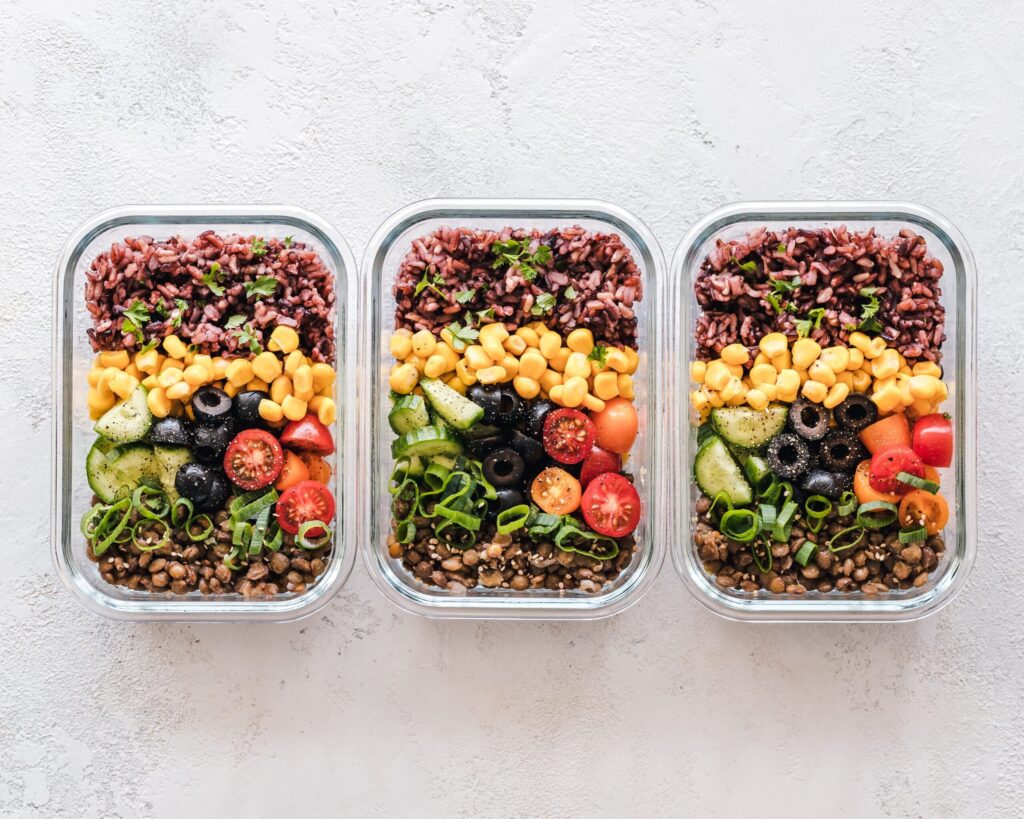
Protein is an essential macronutrient crucial for maintaining skeletal muscle mass, especially as we age. Composed of amino acids, protein supports the repair and growth of muscle tissue following physical stress such as exercise or injury.
Muscle protein turnover—the constant cycle of muscle breakdown and synthesis—relies heavily on adequate dietary protein. In younger adults, this process is typically efficient, with post-meal protein intake stimulating muscle protein synthesis effectively. However, as individuals age, this response blunts, leading to what researchers call “anabolic resistance” (Moore et al., 2015). Anabolic resistance means the same amount of dietary protein stimulates less muscle synthesis in older individuals than it does in younger ones.
Protein’s Broader Biological Functions
Beyond its role in muscle maintenance, protein is essential for the production of enzymes, hormones, immune molecules, and neurotransmitters. It supports cellular signaling, repair mechanisms, and metabolic health. Protein intake is also known to contribute to satiety and thermogenesis, aiding in weight management by reducing hunger and increasing energy expenditure (Leidy et al., 2015).
What Happens to Muscle and Metabolism After 35?
The Onset of Sarcopenia
After the age of 30, individuals begin to lose muscle mass at a rate of 3–8% per decade, accelerating after 60. This age-related muscle loss is known as sarcopenia (Baumgartner et al., 1998). The condition is associated with reduced strength, diminished physical performance, and higher risk of falls and fractures. One major contributor to sarcopenia is insufficient protein intake relative to the body’s increasing need for amino acids to support muscle maintenance.
Changes in Metabolic Rate
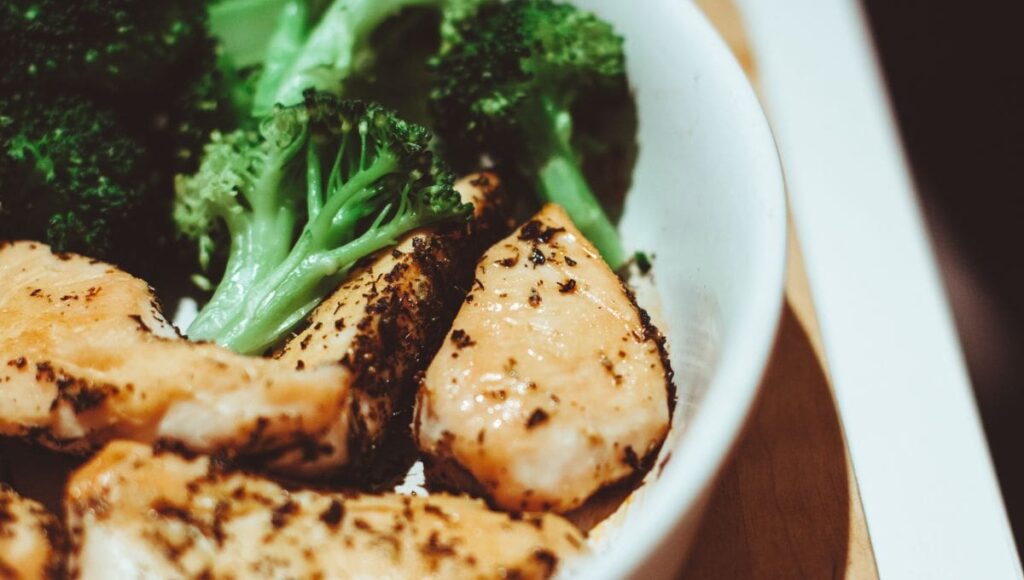
Basal metabolic rate (BMR) gradually declines with age, largely due to the loss of lean body mass. Lean tissue—particularly muscle—is metabolically active, meaning it burns more calories at rest compared to fat tissue. As muscle mass diminishes with age, so does resting energy expenditure (Roberts & Rosenberg, 2006). This shift not only affects weight management but also increases the risk for metabolic diseases like insulin resistance and type 2 diabetes.
How Protein Requirements Change With Age
Current Guidelines and Their Shortcomings
The Recommended Dietary Allowance (RDA) for protein in adults is 0.8 grams per kilogram of body weight per day. This guideline, however, is based on the minimum amount required to avoid deficiency—not necessarily the amount needed to promote optimal health and function. Several researchers argue that the RDA is inadequate for older adults, who require higher intake levels to counteract anabolic resistance and support functional longevity (Volpi et al., 2013).
Emerging Research on Protein Needs After 35
Multiple studies now suggest that adults over the age of 35 benefit from a higher protein intake, with recommendations ranging from 1.2 to 2.0 grams per kilogram of body weight per day, particularly for those who are active or attempting to preserve lean mass during weight loss (Bauer et al., 2013). A 2016 review by Deutz et al. concluded that higher protein intake supports muscle function and may help prevent frailty in older adults.
Optimal Protein Intake: Quantity and Quality
How Much Protein Is Enough?
For a 70-kg adult, a daily intake of 1.2–1.6 grams per kilogram would translate to 84–112 grams of protein per day. These values are significantly higher than the 56 grams recommended by the current RDA. The International Society of Sports Nutrition recommends even higher intakes (1.4–2.0 g/kg/day) for individuals engaged in regular resistance or endurance training (Jäger et al., 2017).
The Importance of Protein Distribution
Equally important as total protein intake is the distribution of protein throughout the day. Research shows that consuming adequate protein at each meal—ideally 25–30 grams—is more effective in stimulating muscle protein synthesis than consuming the majority of daily protein in one meal (Mamerow et al., 2014). This pattern mimics the natural rhythms of protein turnover and maximizes the anabolic response.
Animal vs. Plant-Based Proteins
While both animal and plant proteins can support health, they differ in amino acid profiles and digestibility. Animal sources (e.g., meat, dairy, eggs) contain all essential amino acids in optimal ratios and are generally more bioavailable. Plant proteins often lack one or more essential amino acids but can still support muscle synthesis when consumed in complementary combinations or in sufficient quantities. A 2019 meta-analysis by Gorissen and Witard noted that plant-based proteins may require higher doses to elicit the same anabolic response due to lower leucine content.
Practical Applications and Dietary Strategies

Timing and Protein Synthesis
Consuming protein shortly after resistance training enhances muscle protein synthesis due to heightened sensitivity during the post-exercise window. This is particularly important for older adults, who already experience anabolic resistance. Studies recommend consuming at least 20–30 grams of high-quality protein within two hours of training to optimize muscle recovery (Tipton et al., 2007).
Meal Planning for Active and Sedentary Adults
For active individuals, distributing protein evenly across three to four meals and one snack can help maintain lean body mass and recovery. For more sedentary adults, maintaining a consistent protein intake helps offset muscle loss and stabilize blood glucose levels. Protein-rich foods such as Greek yogurt, eggs, legumes, lean meats, tofu, tempeh, and protein-enriched grains can be incorporated into meals to meet these needs.
Supplements: Helpful or Hype?
Protein supplements can be useful, particularly for individuals who struggle to meet their protein goals through whole foods alone. Whey protein is rapidly absorbed and high in leucine, making it an effective option post-workout. Casein digests more slowly and may be beneficial before overnight fasting. Plant-based options like pea, rice, and soy protein powders offer suitable alternatives for those avoiding animal products. However, reliance solely on supplements should be discouraged in favor of a food-first approach whenever possible (Phillips et al., 2016).
Potential Risks of High-Protein Diets
Kidney Health: Facts vs. Myths
A long-standing concern about high-protein diets is their potential impact on kidney health. However, in healthy individuals, increased protein intake has not been shown to cause kidney damage. A comprehensive review by Martin et al. (2005) found no evidence that high protein intake adversely affects kidney function in those without pre-existing kidney disease. Nonetheless, individuals with chronic kidney disease should consult healthcare providers, as elevated protein may exacerbate their condition.
Impact on Bone Health
Contrary to outdated claims that protein leaches calcium from bones, recent evidence suggests that dietary protein supports bone health when calcium intake is adequate. Protein promotes insulin-like growth factor 1 (IGF-1), which plays a key role in bone formation. A 2017 review in Osteoporosis International concluded that higher protein intake is positively associated with bone density and reduced fracture risk (Rizzoli et al., 2017).
Conclusion and Recommendations
The belief that adults over 35 need only minimal protein fails to reflect the realities of aging physiology. As muscle mass naturally declines and metabolic processes become less efficient, protein becomes an even more crucial nutrient—not just to prevent deficiency but to optimize function, preserve independence, and support long-term health.
Individuals over 35, particularly those aiming to maintain lean mass, recover from training, or support metabolic health, should consider intakes above the RDA. Spreading protein intake evenly across meals, focusing on high-quality sources, and aligning intake with physical activity levels are practical strategies. While more protein may not be a universal prescription, it is certainly a powerful and underutilized tool for healthy aging.
References
Baumgartner, R.N., Koehler, K.M., Gallagher, D., Romero, L., Heymsfield, S.B., Ross, R.R., Garry, P.J. (1998). Epidemiology of sarcopenia among the elderly in New Mexico. American Journal of Epidemiology, 147(8), 755–763.
Bauer, J., Biolo, G., Cederholm, T., Cesari, M., Cruz-Jentoft, A.J., Morley, J.E., … & Boirie, Y. (2013). Evidence-based recommendations for optimal dietary protein intake in older people: a position paper from the PROT-AGE Study Group. Journal of the American Medical Directors Association, 14(8), 542–559.
Deutz, N.E.P., Bauer, J.M., Barazzoni, R., Biolo, G., Boirie, Y., Bosy-Westphal, A., … & Wolfe, R.R. (2016). Protein intake and exercise for optimal muscle function with aging: recommendations from the ESPEN Expert Group. Clinical Nutrition, 33(6), 929–936.
Gorissen, S.H.M., & Witard, O.C. (2019). Characterising the muscle anabolic potential of dairy, meat and plant-based protein sources in older adults. Proceedings of the Nutrition Society, 79(1), 1–13.
Jäger, R., Kerksick, C.M., Campbell, B.I., Cribb, P.J., Wells, S.D., Skwiat, T.M., … & Arent, S.M. (2017). International Society of Sports Nutrition Position Stand: Protein and exercise. Journal of the International Society of Sports Nutrition, 14(1), 20.
Leidy, H.J., Clifton, P.M., Astrup, A., Wycherley, T.P., Westerterp-Plantenga, M.S., Luscombe-Marsh, N.D., … & Mattes, R.D. (2015). The role of protein in weight loss and maintenance. The American Journal of Clinical Nutrition, 101(6), 1320S–1329S.
Mamerow, M.M., Mettler, J.A., English, K.L., Casperson, S.L., Arentson-Lantz, E., Sheffield-Moore, M., … & Paddon-Jones, D. (2014). Dietary protein distribution positively influences 24-h muscle protein synthesis in healthy adults. The Journal of Nutrition, 144(6), 876–880.
Martin, W.F., Armstrong, L.E., & Rodriguez, N.R. (2005). Dietary protein intake and renal function. Nutrition & Metabolism, 2(1), 25.
Moore, D.R., Churchward-Venne, T.A., Witard, O., Breen, L., Burd, N.A., Tipton, K.D., & Phillips, S.M. (2015). Protein ingestion to stimulate myofibrillar protein synthesis requires greater relative protein intakes in healthy older versus younger men. The Journals of Gerontology: Series A, 70(1), 57–62.
Phillips, S.M., Chevalier, S., & Leidy, H.J. (2016). Protein “requirements” beyond the RDA: implications for optimizing health. Applied Physiology, Nutrition, and Metabolism, 41(5), 565–572.
Rizzoli, R., Biver, E., & Bonjour, J.P. (2017). Protein intake and muscle function in healthy adults: from dietary needs to optimum function. Food & Function, 8(12), 2665–2670.
Roberts, S.B., & Rosenberg, I. (2006). Nutrition and aging: changes in the regulation of energy metabolism with aging. Physiological Reviews, 86(2), 651–667.
Tipton, K.D., Elliott, T.A., Cree, M.G., Wolf, S.E., Sanford, A.P., & Wolfe, R.R. (2007). Ingestion of casein and whey proteins result in muscle anabolism after resistance exercise. Medicine and Science in Sports and Exercise, 39(12), 2117–2125.
Volpi, E., Campbell, W.W., Dwyer, J.T., Johnson, M.A., Jensen, G.L., Morley, J.E., & Wolfe, R.R. (2013). Is the optimal level of protein intake for older adults greater than the recommended dietary allowance? The Journals of Gerontology Series A: Biological Sciences and Medical Sciences, 68(6), 677–681.