Whether a CrossFit coach needs to look physically fit or not to do their job is a great question; one which elicits a lot of talking points and a broad mix of opinions. The straightforward answer? If someone knows what they’re doing, their outer appearance shouldn’t matter, right?
But let’s also be honest with ourselves; first impressions are everything and involve a few key senses and, typically, we use our sight first and foremost. It certainly shouldn’t be our top or only criteria when passing judgement, but we are naturally drawn to social circles that are most like us.
So why is this? Sociologically speaking, we gravitate to those we either identify with or wish to emulate; whether it’s through interests, political leanings, careers, hobbies, or even looks; those commonalities lead us to people who drink from the same watering hole. Studies and stats prove this. The old adage “bird of a feather flock together” holds truer than its cliché counterpart “opposites attract.” Is there anything wrong in wishing to identify with or mirror those around us? Certainly not. In an uncertain world, we seek familiarity and community with a mix of aspiration. Cue CrossFit and it’s arsenal of coaches.
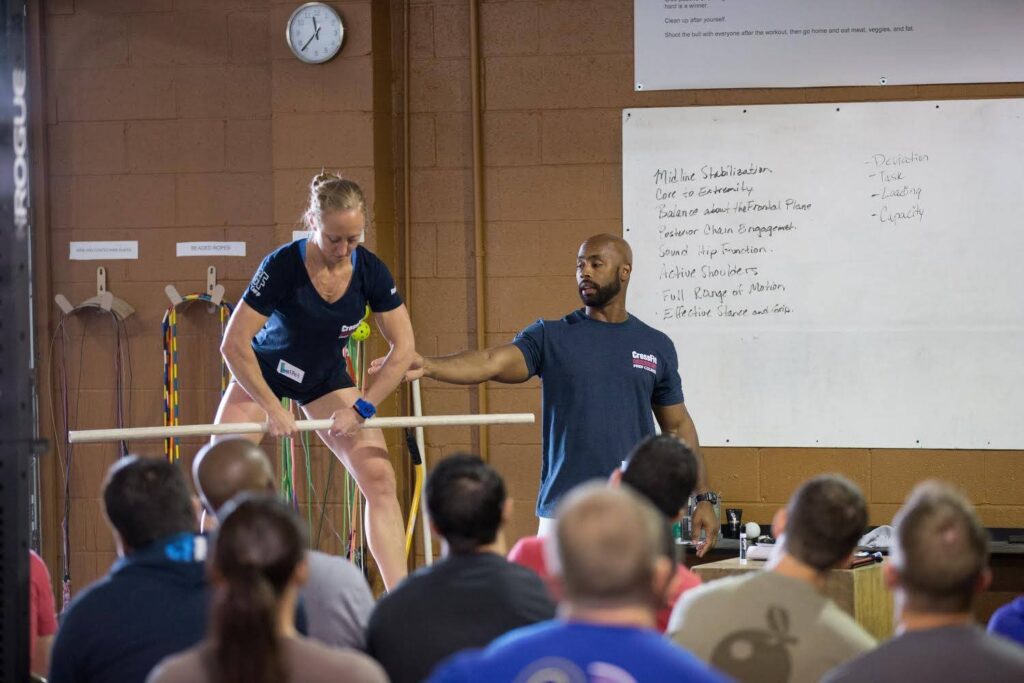
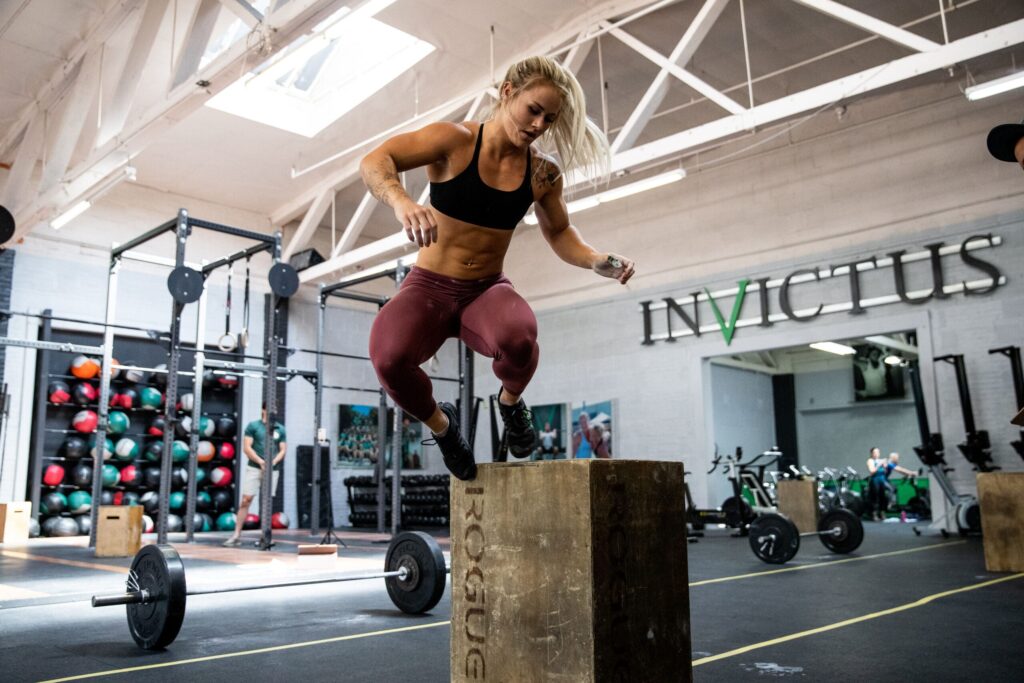
Statistics and interests aside, when you step inside a CrossFit gym, you may assume that the fittest looking individuals in the room are the coaches; A very fair assumption and, more often than not, it holds true.
Why is that? Are all CrossFit coaches competitive athletes as well? Or, do they just enjoy sweaty pursuits and their appearances respond accordingly? Regardless, it’s obvious CrossFit coaches practice what they preach and love what they do.
However, it’s important that we define the verb “do.” Is it referring to the action of what CrossFit coaches are being paid to do; Coaching members to the highest standard? Or, are we referring to them doing CrossFit with the expectation that they train to fit the mold of what we have come to assume a coach should look like?
In other professions, we don’t always expect the same. In fact, a 2012 study cited in an article by NPR found that 51 percent of primary care providers are overweight or obese. A statistic that I am sure hasn’t changed for the better. We even see professional coaches in the realms of the world’s highest paid professional sports who have exchanged running the field for solely observing it.
Whether this affects their abilities as a medical practitioner or CrossFit coach is a topic unto its own, but the bottom line is that our dedicated frontline for health isn’t immune to unhealthy tendencies, nor are the coaches who train the biggest names in sports. So, if they do their job well, does it matter how they look?
To draw upon another cliché, “those who can’t do, teach.” Or, maybe, people’s personal lives and priorities change. They are experts in their field of work, and do it well. It is their livelihood after all. Though, it might be the case that in placing their focus entirely on others, their own personal fitness goals and nutritional habits have dissipated. They may have decided to prioritise work, family and friends and, because of this, their physical features and capacities no longer reflect the mold of their profession.
Being a doctor or healthcare worker requires an extraordinary mental capacity and appreciation for the greater good, and while they may be expected to treat our ailments, they aren’t immune to the same tendencies and issues that the rest of the population deals with.
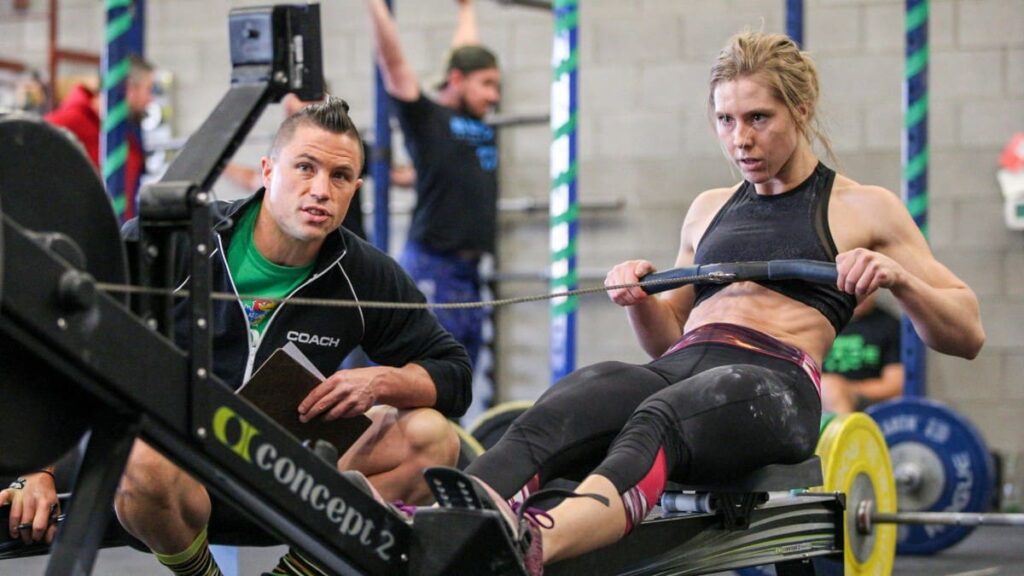
Unless you are severely overweight, you typically wouldn’t head into a doctor’s office looking to make holistic lifestyle changes. However, when a client walks into the gym, they are seeking a natural way to become fitter and healthier; to cure their ailments or insecurities through physical lifestyle changes.
They know the only prescription to be handed out will be within the workout of the day. Members will be drawn to coaches who have used this prescription themselves. Perhaps, that’s the very reason we expect our coaches to look the part. Subconsciously and even consciously, we are entering a domain where we want to see the external benefits of what hard work brings. It’s a valid expectation of our coaches.
According to husband and father of two Sachdev Vohra, who has been doing CrossFit for two years now at London’s CrossFit Shapesmiths:
“I don’t think looking fit should be the goal of a CrossFit coach but it will definitely be a by-product of their training, lifestyle and application of knowledge. As a client it helps give you confidence that they probably know what they are talking about. For example, if you were looking to hire an interior designer but their house was a shambles you may think twice about engaging with them. How can a coach justify being a motivation for you when they may struggle to motivate themselves (to stay fit)”
So, is the answer to the question more black and white than we think?
If members are able to hold down their own personal lives and careers while making time to head to the gym and better themselves both mentally and physically shouldn’t their coaches?
According to Marcus Smith, an extreme endurance athlete and coach, motivational speaker and owner of the renowned InnerFight gym in Dubai, his answer is a resounding yes:
“The teachers I respected the most at school were the ones that “did” rather than just talked about doing! They passed a rugby ball with me, they ran with me. This created fire and respect.”
“Being a fitness coach it’s our job to create fire in and respect from other humans. We have various tools we can do this with. One is our body shape and training style and attitude. It is very often overlooked. Not in my gym. It’s key.”
Commitment to the cause you’re backing, leading by example and striving to be better than yesterday. It makes sense.
When members walk into a gym and see a coach who looks physically fit and confident, the assumption may be that the coach will deliver a great session. Though, is this unconscious bias simply feeding into stereotypes that are made even worse with the perfectionism so rife on social media?
What About Inclusivity?
Does having coaches all with less than 10% body fat truly promote the inclusivity that CrossFit continually boasts is at the forefront of their organization? Or, does it create an unspoken barrier of intimidation between clients and coaches? To draw parallels between these barriers with patients and doctors, would an MD feel less inclined to give health advice to others due to their own personal discomfort with their own appearance?
Moreover, would an overweight patient be less inclined to speak openly about their issues to a doctor who is in great shape? The same issues with confidence and connection can occur in the gym.
According to Jenny Robinson, a MBA Marketing Professor in Dubai:
“I have always looked for coaches that I immediately connect with. My first trainer was taller than me. She didn’t have abs but her strength and knowledge was applicable towards a lifestyle I wanted to achieve. I wanted to be fitter, stronger and create better habits but I also wanted balance.”
“Being stripped off the foods I enjoy and the occasional drink would have added more pressure and anxiety. I wanted small, changeable habits and swaps. Not the extreme. However, if I wanted abs and to become more extreme in my changes, I would not have connected in the same way with my previous trainer.”
“I am currently training with endurance coaches who have performed extraordinary feats in fitness and mental resilience. And while those stories are inspiring, what has led me to them was learning of their own struggles and failures. That’s where they earned my respect; Demonstrating that they are human. They don’t need to look fit, they need to be fit, both physically and mentally.”
Further, cue the complete CrossFit novice with little-to-no gym experience. Will they be naturally drawn to a coach that didn’t grow up surrounded by athletics? Do they have firsthand experience in making a complete lifestyle overhaul? Will coaches that never felt apprehension when walking into a gym or jumping onto a box be empathic and patient enough?
While members will look at coaches in aspiration, what will truly matter at the end of the session was how the coach nurtured its members and made them feel.
In the last CrossFit box I worked at, the main goal was to always deliver world class coaching and ensure that each member had the best hour of their day. The abilities and fitness goals of each coach was varied and each aspirational in their own right. Competitive athletes as well as ex-members of the gym whose passion for CrossFit naturally grew were all part of the coaching mix.
No matter their abilities, each coach earned their spot as a coach, leaving their ego at the door and learning everything they could; not only become a better CrossFitter, but to become a better coach. They know how to modify or upscale, they can tell you the intent and stimulus of a workout like Fran. They are on a journey and have a story to tell that will help you with your own.
Lee Steggles, the owner of CrossFit Shapesmiths, regularly refers to and expands upon the idea of “coaching street cred,” originally coined by CrossFit Seminar Staff Chuck Carswell.
“Within a CF gym, if you know the points of performance and are an all around good human being – that’s a good start. You don’t need to have everything in the bag such as multiple muscle ups, 100kg snatch, or a 6 pack. I don’t need my coaches to look a certain way but, instead, are on a journey of continual improvement, both as a coach and athlete, always striving to make themselves a bit better than yesterday.”
“I want coaches who work on their street cred; Showing that they’re putting in the effort and jumping into workouts. It doesn’t matter if they do them Rx or modified, what matters is that members will see what they’re doing, follow their story, and talk to them. Ultimately we want members to find a way to identify with the person coaching in front of them.”
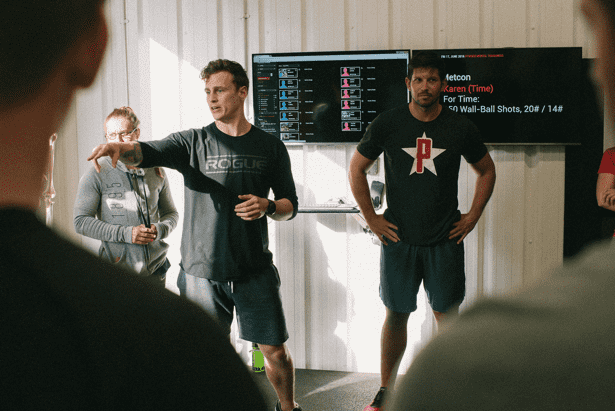
This diverse range of coaches are a walking CV of what they can do for you. Most people who work in CrossFit gyms do so because it is their passion. Whether they are competitive athletes or just love the sport, they love training and working towards their own individual goals alongside their fellow coaches and members. In turn, they look strong, healthy and fit — and therefore become a walking advertisement to what they love doing and teaching.
Further, according to Ben Bergeron in his 2011 article The Deeper Side of Coaching, trust and respect are at the helm of what makes a great coach. Not looks or personal bests.
Someone is a great coach because they have gained a member’s trust through the establishment of a positive and nurturing relationship while also earning your hard-earned respect through their application of knowledge on the gym floor; teaching you the why and the how to realising your own potential while applying these notions to their own daily lives. First impressions might be at the forefront, but second and third and fourth impressions, the ones a coach leaves on a daily basis, are the ones that count the most.
The most successful boxes and coaches realise they are not truly in the fitness business but in the people business. Whether a member’s goal is to feel and look healthier, meet new people in a fun and positive way, or compete, a CrossFit coach is the face of the gym it represents. They lead by example and are the example, not the exception.
Approachable and aspirational, that’s where the magic happens.
Victoria Engelmann is a personal trainer, CrossFit coach and writer. You can find more of her work here, and follow her on Instagram.