When it comes to sculpting a set of well-defined abdominal muscles, many people immediately think of countless crunches, planks, and other core exercises. While these are undoubtedly crucial for building muscle strength, the role of diet in uncovering those abs cannot be overstated.
Often, it’s said that “abs are made in the kitchen,” and there’s a lot of truth to that. No matter how intense your workouts are, if your diet isn’t aligned with your fitness goals, those abs might remain hidden under a layer of fat.
In this article, we will explore three pivotal nutrition tips that can help you modify your diet to better support the unveiling of your six-pack. These tips are designed to optimize your food choices and eating habits, thereby enhancing muscle definition and reducing body fat.
While regular exercise is essential for developing muscle mass and strength, a strategic approach to nutrition is what will ultimately reveal your hard-earned abdominal muscles.
Adjusting what you eat, how much you eat, and even when you eat can make all the difference in your journey towards achieving that coveted six-pack.
So, let’s dive into these nutrition tips and get you on the path to not just building but revealing your abdominal muscles.
Tip 1: Focus on Protein
Protein is the cornerstone of muscle growth and repair. When you engage in strength training or core-focused exercises, small tears form in the muscle fibers. Protein plays a crucial role in healing these tears, which not only helps the muscles recover but also aids in their growth.

Furthermore, protein has a high thermic effect, meaning your body uses a significant amount of energy just to digest it. This boosts your metabolism, which can help in reducing body fat and making your abs more visible.
Suggested Daily Protein Intake for Muscle Definition
To effectively support muscle repair and growth, it’s recommended to consume approximately 1.6 to 2.2 grams of protein per kilogram of body weight.
For a person weighing 70 kilograms (about 154 pounds), this translates to about 112 to 154 grams of protein per day.
Adjusting protein intake based on activity level and overall caloric needs is crucial, as those engaged in higher intensity or more frequent training may require more protein.
High-Protein Foods Beneficial for Abs
Including a variety of protein-rich foods in your diet can help ensure you meet your daily needs while providing other essential nutrients that support overall health and muscle definition.
Here are some excellent protein sources that are particularly effective for enhancing muscle definition:
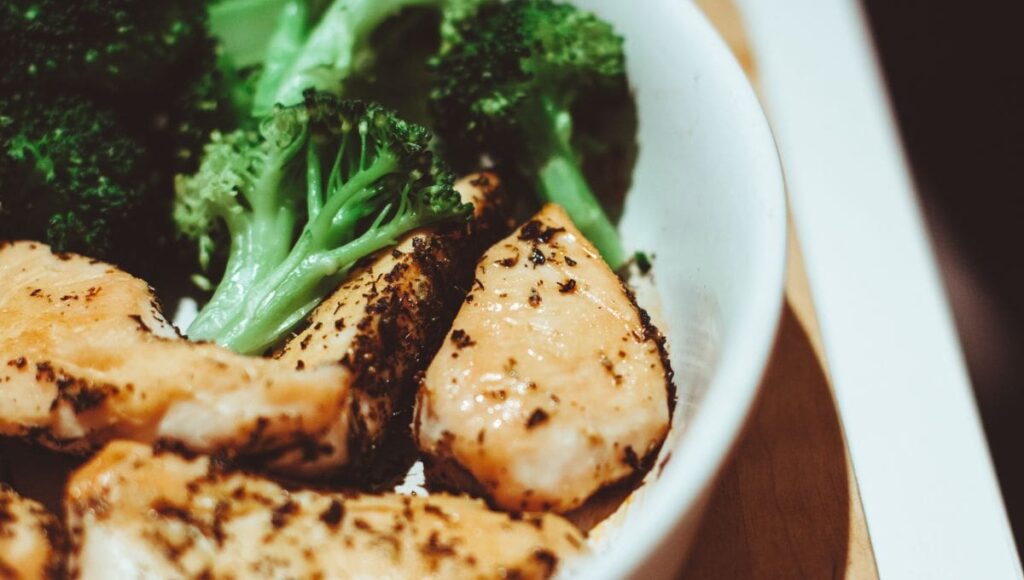
Chicken Breast: A staple in fitness diets, chicken breast is lean and high in protein, which makes it ideal for muscle maintenance without excessive calories.
Turkey: Similar to chicken, turkey is another lean source of protein that can help in muscle repair and growth.
Fish: Options like salmon, tuna, and cod not only provide high-quality protein but also contain omega-3 fatty acids, which are beneficial for reducing inflammation and supporting heart health.
Eggs: Eggs are a versatile and economical source of protein. The yolks also contain vitamins and minerals that aid in overall health.
Greek Yogurt: Rich in protein and with a creamy texture, Greek yogurt is excellent for muscle repair and can be a great post-workout snack.
Cottage Cheese: Low in fat and high in protein, cottage cheese can be eaten throughout the day and before bed to help with muscle recovery, especially during sleep.
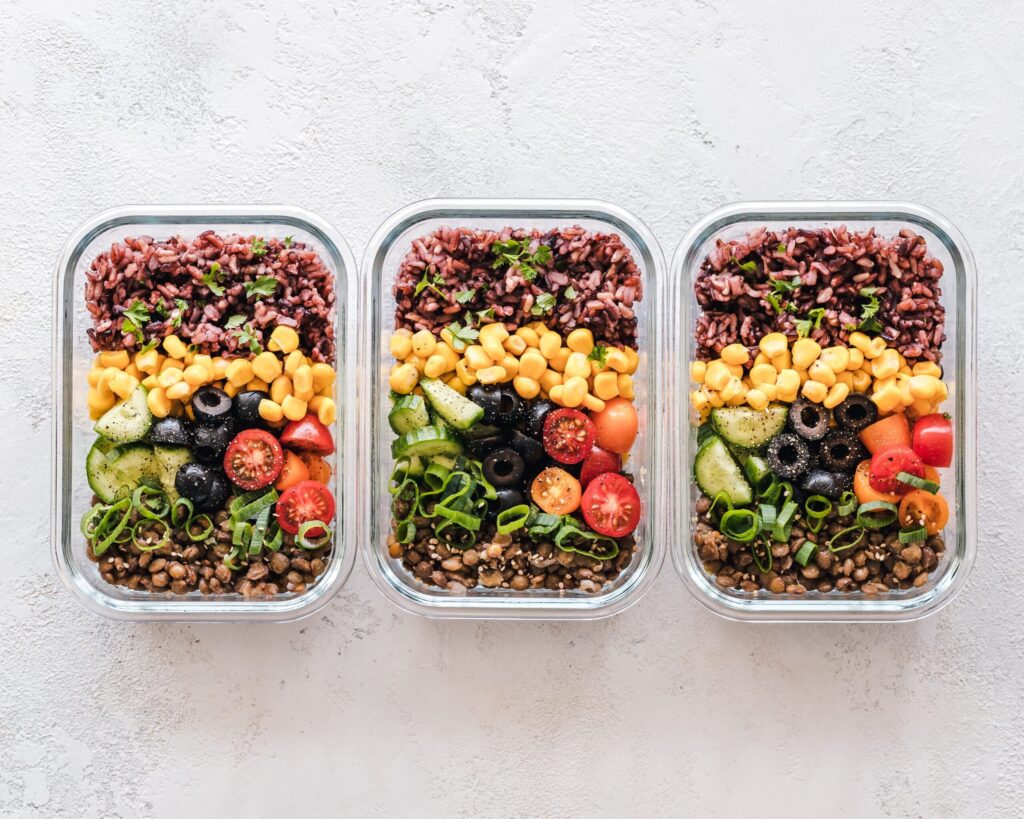
Legumes: Beans, lentils, and chickpeas are not only high in protein but also fiber, which helps in digestion and prolonged satiety.
Quinoa: As a complete protein containing all nine essential amino acids, quinoa is an excellent plant-based option that supports muscle development.
Incorporating these protein-rich foods into your diet can significantly enhance your ability to build and maintain muscle mass, making your journey to visible abs more effective.
Remember, the quality of protein is as important as the quantity, so choose whole, unprocessed options as part of a balanced diet.
Tip 2: Cut Down on Processed Sugars and Refined Carbs
Processed sugars and refined carbohydrates are major obstacles in your quest for visible abs. These foods are typically low in fiber and nutrients but high in calories, leading to rapid spikes in blood sugar levels.
Such spikes prompt a surge in insulin, which is a hormone that facilitates the storage of fat, particularly around the abdominal area.

Over time, a diet high in these substances can not only obscure your abs but also contribute to a greater risk of health issues like type 2 diabetes and cardiovascular disease.
Tips for Modifying Your Diet
To reduce your intake of processed sugars and refined carbs and enhance the visibility of your abs, consider the following strategies:
- Read Food Labels: Start by reading labels to avoid foods with added sugars or high-fructose corn syrup. Even products marketed as healthy can contain surprising amounts of added sugars.
- Choose Whole Grains: Replace refined grains like white bread, pasta, and rice with whole grain alternatives. Whole grains are richer in fiber and nutrients, which can help control blood sugar levels and enhance satiety.
- Limit Sugary Snacks and Drinks: Cut back on sugary snacks, sodas, and fruit juices. Opt for whole fruits, nuts, or yogurt for snacks and water or herbal teas for drinks.
- Prepare Meals at Home: Cooking at home allows you to control the ingredients and avoid hidden sugars and refined carbs that are often present in restaurant and takeout foods.
Healthy Carbs and Sweeteners
To support abdominal definition, it’s not just about cutting out the bad, but also incorporating good alternatives:
Fruits and Vegetables: High in fiber and packed with essential nutrients, fruits and vegetables should be a staple in your diet. They provide the necessary carbohydrates for energy without the adverse effects of refined carbs.

Sweet Potatoes: Offering a lower glycemic index than regular potatoes and rich in vitamins, sweet potatoes are an excellent source of carbs for muscle recovery and energy.
Legumes: Beans, lentils, and chickpeas are not only great sources of protein but also provide a healthy dose of low-glycemic carbohydrates, which are excellent for sustained energy.
Natural Sweeteners: Instead of sugar or artificial sweeteners, opt for small amounts of natural sweeteners like stevia, honey, or pure maple syrup. These alternatives provide sweetness without the dramatic blood sugar spikes associated with refined sugar.
By reducing your intake of processed sugars and refined carbohydrates and choosing healthier alternatives, you not only improve your overall health but also enhance your chances of revealing those well-defined abs. Remember, consistency is key, and making these changes a permanent part of your lifestyle will yield the best results.
Tip 3: Increase Fiber and Healthy Fats
To effectively sculpt visible abs, incorporating ample fiber and healthy fats into your diet is essential. Both play crucial roles in enhancing overall health, aiding in digestion, and promoting fat loss, all of which contribute to the definition of abdominal muscles.
The Role of Fiber in Digestion and Fat Loss
Fiber is indispensable for healthy digestion. It helps to regulate the body’s use of sugars, keeping hunger and blood sugar in check. Soluble fiber, in particular, can help to lower fat absorption and help manage body weight, which is crucial for reducing belly fat and uncovering abs.
Fiber also increases the feeling of fullness after meals, which reduces overall calorie intake by keeping you satisfied longer.
The Importance of Healthy Fats in Hormone Regulation
Healthy fats are vital for the proper function of the body, including hormone production and regulation. Hormones like testosterone and growth hormone, which are crucial for muscle growth, are positively influenced by the intake of healthy fats. Additionally, fats help in the absorption of fat-soluble vitamins (A, D, E, and K), which are necessary for many bodily functions including optimal immune function and inflammation control.
Fiber-Rich Foods to Incorporate into Your Diet
To boost your fiber intake, focus on adding these foods to your meals:
- Vegetables: Broccoli, Brussels sprouts, carrots, and leafy greens are high in fiber and nutrients.
- Fruits: Apples, berries, oranges, and pears offer a good dose of fiber with the added benefit of antioxidants.
- Legumes: Beans, lentils, and chickpeas are not only high in protein but are excellent sources of fiber.
- Whole Grains: Switch to whole grains like quinoa, oats, whole wheat, and barley for a heartier, fiber-rich diet.
- Nuts and Seeds: Almonds, flaxseeds, chia seeds, and pumpkin seeds are great for snacking and rich in fiber.
Sources of Healthy Fats
Incorporate these sources of healthy fats to support hormone balance and overall health:
Avocados: Loaded with monounsaturated fats and also a good source of fiber.
Nuts and Seeds: Walnuts, almonds, chia seeds, and flaxseeds provide omega-3 fatty acids and other essential fats.

Fatty Fish: Salmon, mackerel, and sardines are high in omega-3 fatty acids, which are known for their anti-inflammatory properties.
Olive Oil: A staple in the Mediterranean diet, olive oil is excellent for heart health and rich in monounsaturated fats.
Coconut Oil: Contains medium-chain triglycerides (MCTs) which are metabolized differently, leading to potential improvements in metabolic health.
By increasing your intake of fiber and healthy fats, you’ll not only improve your digestive health and regulate your hormones but also enhance your body’s ability to develop and reveal strong, defined abs.
Making these nutrients a regular part of your diet can lead to significant improvements in both your fitness and overall health.
Additional Strategies
While focusing on what to eat is crucial for uncovering your abs, other dietary strategies can also significantly impact your results.
Two often-overlooked aspects of a fitness-oriented nutrition plan are proper hydration and the timing and frequency of meals.
Let’s explore how these can complement your efforts in achieving and maintaining visible abs.
The Importance of Hydration
Hydration plays a critical role in overall health and optimal metabolic function. Water is essential for transporting nutrients to your cells, keeping your joints lubricated, aiding in digestion, and facilitating the removal of waste products from the body.
Proper hydration also contributes to better muscle tone and definition, as muscles are composed largely of water.
Inadequate hydration can lead to a decrease in strength and endurance, making your workouts less effective and potentially obscuring muscle definition.
To ensure you’re adequately hydrated, aim to drink at least 8-10 glasses of water daily, or more if you are particularly active or live in a hot climate. Keeping a water bottle handy throughout the day is a practical way to increase your water intake.
Meal Timing and Frequency
The timing and frequency of your meals can influence your metabolism, body composition, and ultimately, the visibility of your abdominal muscles. There is ongoing debate about the effectiveness of various eating patterns, such as intermittent fasting versus eating multiple small meals throughout the day.
Intermittent Fasting (IF): This eating pattern cycles between periods of eating and fasting. Proponents of IF claim it helps with fat loss and improves metabolic health, which can be beneficial for those looking to enhance muscle definition.
There are several methods of IF, including the 16/8 method (fast for 16 hours, eat during an 8-hour window) and the 5:2 method (eat normally for 5 days, restrict calories significantly for 2 non-consecutive days).
Multiple Small Meals: Others advocate for eating smaller, more frequent meals to stoke the metabolism and reduce cravings. This approach can help manage hunger, provide consistent energy levels, and reduce the likelihood of overeating, which is crucial for maintaining a lean physique.
Ultimately, the best eating pattern is one that fits your lifestyle, helps you stick to a nutritious diet, and supports your training regimen. It’s essential to experiment and monitor how your body responds to different meal frequencies and timings to find what works best for you.
Combining strategic hydration with thoughtful meal timing can significantly enhance your efforts towards achieving a well-defined six-pack. Like any dietary strategy, the key is consistency and adaptation to what best suits your individual needs and goals.
Conclusion
Achieving a set of visible, well-defined abs is a common fitness goal that requires dedication both in the gym and in the kitchen.
By focusing on increasing your protein intake, reducing consumption of processed sugars and refined carbs, and incorporating more fiber and healthy fats into your diet, you are laying a strong nutritional foundation that supports muscle definition and fat loss.
Remember, hydration and thoughtful meal timing also play significant roles in enhancing your metabolism and overall body composition.
It’s important to recognize that results will vary from person to person based on factors like genetics, starting point, and adherence to the dietary changes. Consistency is the key to seeing results; therefore, patience and persistence are essential. Keep in mind that no single diet fits all, and it may take some time to find the right balance that works for your body and lifestyle.
As you implement these nutrition tips, consider consulting with a nutritionist or dietitian to tailor these suggestions to your specific health needs. Tracking your progress and being willing to adjust your approach are important steps in achieving your fitness goals.
Remember, the journey to achieving and maintaining visible abs doesn’t just involve losing fat but building a healthier, more sustainable lifestyle. By combining sound nutrition with regular exercise, you’re not only working towards a more aesthetically pleasing abdomen but also improving your overall health and well-being. So embrace the process, make informed choices, and let your hard work show!