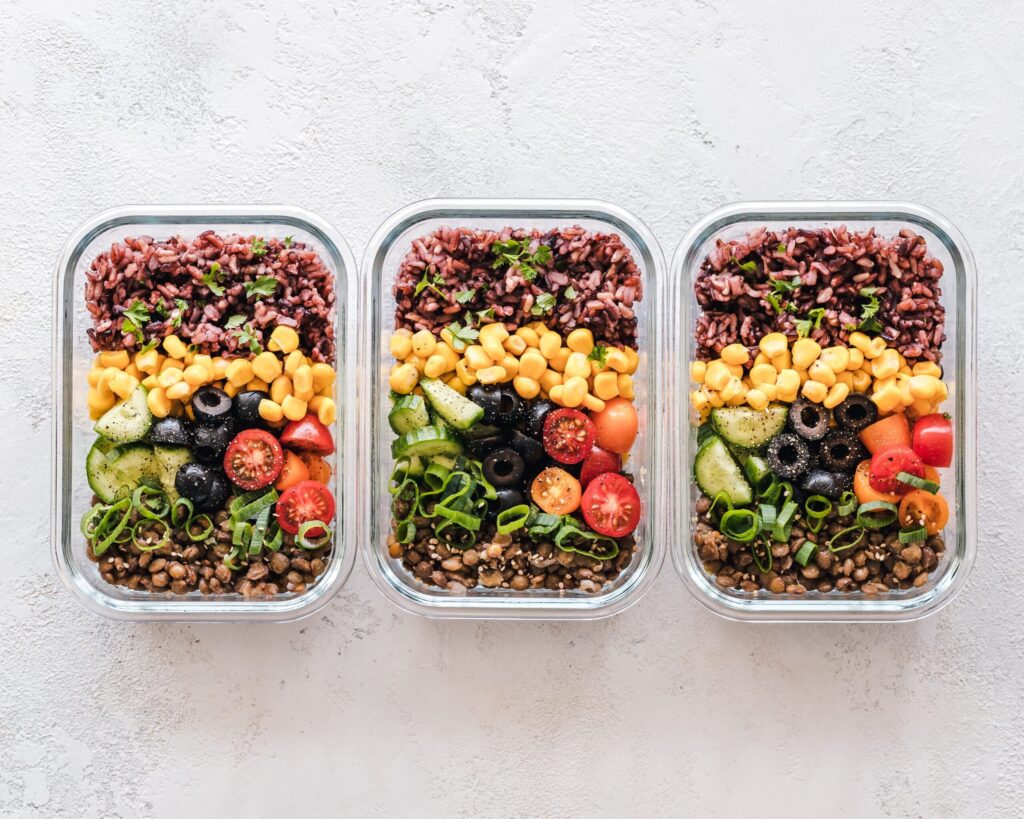
Nutrition plays a pivotal role in enhancing workout performance, acting as the fuel that powers our physical activities. Just as a car requires the right type of fuel to run efficiently, our bodies need the appropriate nutrients to perform at their best during workouts.
The connection between what we eat and how we perform is not just about staving off hunger; it’s about providing our muscles and organs with the energy they need to operate optimally.
Eating the right foods before, during, and after exercise can significantly impact our stamina, strength, and recovery.

The right nutrition plan can help you work out longer, prevent premature fatigue, and decrease your recovery time, while also improving your overall health and fitness levels. By understanding and implementing key nutritional strategies, you can ensure that every workout is as effective as possible.
Read Also: What To Do If Calorie Deficit Stops Working
In this article, we’ll delve into three essential nutritional tips that are designed to boost your workouts. Firstly, we will discuss the importance of timing your meals and snacks to maximise energy levels and enhance performance.
Next, we’ll explore the balancing of macronutrients—carbohydrates, proteins, and fats—to ensure sustained energy throughout your workout. Finally, we’ll examine the critical role of hydration and electrolyte balance in maintaining peak performance and preventing fatigue. By integrating these tips into your fitness regimen, you’ll be well on your way to achieving your health and fitness goals with more energy and vitality.
1. Timing Your Meals and Snacks for Optimal Performance
The timing of your meals and snacks can significantly impact your workout performance and recovery. Just as crucial as what you eat is when you eat, especially in relation to your exercise schedule. Proper meal timing helps ensure that your body has the necessary fuel at the right time, maximising your energy levels and aiding in recovery post-exercise.
Pre-workout: Fueling Up for Energy and Muscle Support
Eating the right balance of foods before exercising is crucial for maximising your performance. Focus on carbohydrates for energy and a moderate amount of protein for muscle support. Ideally, aim to eat a meal 2 to 3 hours before your workout.

This meal should be rich in complex carbohydrates, such as whole grains or legumes, which provide a slow and steady release of energy throughout your workout. Pair these carbs with lean protein like chicken, fish, or a plant-based alternative to help prepare your muscles for the exertion to come.
Example Pre-workout Meal: A bowl of oatmeal with sliced bananas and a handful of almonds provides both the complex carbs and protein needed for sustained energy.
If you’re short on time, a smaller snack 30 to 60 minutes before your workout can also be effective. Choose something light but energising, like a piece of fruit or a yogurt, to avoid any digestive discomfort during your session.
The Literal Most Effective Exercise for Reducing Visceral Belly Fat
Example Pre-workout Snack: A banana or an apple with a small handful of nuts is an excellent quick source of energy.
During Workout: Hydration and Energy-Boosting Snacks
Staying hydrated is the most crucial focus during your workout, especially if you’re exercising for longer than an hour. Water is generally sufficient for shorter workouts, but for longer sessions, consider a sports drink that contains electrolytes to replenish what you lose through sweat.
If your workout lasts more than 60 minutes, you might also benefit from a small, energy-boosting snack to keep your energy levels up. This is particularly important in endurance sports or high-intensity training sessions.
Example During Workout Snack: A small handful of dried fruit or a sports gel can provide a quick energy boost.
Post-workout: Nutrient-rich Foods for Recovery and Muscle Repair
After exercising, your body needs to replenish its glycogen stores and repair muscle tissues. Aim to eat within 45 minutes to an hour after your workout to maximise recovery. This meal should include a mix of carbohydrates, to replenish energy stores, and protein, to aid in muscle repair. Additionally, include some fruits or vegetables to provide vital vitamins and minerals that support the recovery process.
Example Post-workout Meal: Grilled chicken with quinoa and steamed vegetables offers a perfect blend of protein, carbs, and micronutrients for recovery.

Remember, the key to optimal performance and recovery is not just what you eat but when you eat. By planning your meals and snacks around your workout schedule, you can ensure that your body has the fuel it needs to perform at its best and recover quickly afterwards.
2. Balancing Macros for Sustained Energy
Balancing macronutrients—carbohydrates, proteins, and fats—is fundamental for optimising your energy levels and enhancing your workout performance.
Each of these macronutrients plays a unique and crucial role in energy production, muscle repair, and overall health, making it essential to consume them in the right balance to support your fitness goals.
10 Best Exercises to Lose Fat At Home
10 Rules to Never Have Belly Fat Again
Introduction to Macronutrients and Their Roles
- Carbohydrates are your body’s primary energy source, broken down into glucose to fuel your muscles and brain during workouts. They’re essential for short bursts of activity as well as endurance exercises.
- Proteins are the building blocks of muscle. They’re crucial for repair and growth of muscle tissue, especially after strenuous workouts.
- Fats are a concentrated energy source, important for longer-duration exercise. They also play key roles in hormone production and nutrient absorption.
Balancing Macronutrients for Optimal Energy
To ensure sustained energy levels throughout your workouts and the day, it’s important to include a mix of all three macronutrients in your meals.
The general guideline for a balanced diet is to consume approximately 45-65% of your calories from carbohydrates, 10-35% from protein, and 20-35% from fats. However, these ratios can be adjusted based on your specific workout intensity, duration, and personal health goals.
Carbohydrates for Immediate Energy
Carbohydrates should be the main focus of your pre-workout meal to ensure you have enough energy to sustain your performance. Opt for complex carbohydrates, such as whole grains, fruits, and vegetables, which provide a slow and steady release of glucose, keeping your energy levels consistent.
Examples: Brown rice, sweet potatoes, oats, and whole grain pasta.
Protein for Muscle Repair and Recovery
Protein is vital for post-workout recovery, helping to repair muscle tissues that have been broken down during exercise. Including a good source of protein in your post-workout meal can aid in quicker recovery and muscle growth.
Protein-rich Foods: Chicken breast, tofu, legumes, eggs, and Greek yogurt are excellent sources of high-quality protein.
Healthy Fats for Endurance
While fats are more slowly converted into energy, they are essential for longer, moderate to low-intensity workouts. Healthy fats also support overall health, including heart health and inflammation reduction.
Healthy Fat Sources: Avocados, nuts, seeds, olive oil, and fatty fish like salmon are great choices for incorporating healthy fats into your diet.
Tips for Creating Balanced Meals
- Plan Ahead: Prepare balanced meals and snacks that include a mix of carbs, protein, and fats to support your energy needs throughout the day.
- Adjust Based on Activity: On workout days, you might need to increase your intake of carbohydrates to fuel your exercise or protein to aid in recovery.
- Listen to Your Body: Pay attention to how different foods and macronutrient balances affect your energy levels and performance, and adjust your diet accordingly.
Balancing your macronutrient intake is not just about hitting specific ratios but about choosing high-quality sources of each macronutrient that support your overall health and workout performance.
By focusing on the quality and timing of these nutrients, you can create a diet that enhances your energy, improves your workouts, and supports your fitness goals.
3. Hydration and Electrolyte Balance
Hydration is a foundational aspect of fitness that significantly influences physical performance, energy levels, and overall health. Water facilitates various bodily functions, including temperature regulation, joint lubrication, and nutrient transport. Maintaining optimal hydration is crucial for effective workouts and recovery.

The Critical Role of Water in Physical Performance
Water’s role in maintaining physical performance cannot be overstated. It aids in keeping the body cool through sweat, supports cardiovascular health, and ensures muscles function properly. Even mild dehydration can lead to a significant drop in performance, manifesting as fatigue, reduced endurance, and a decrease in coordination.
The Impact of Dehydration
Dehydration negatively affects not only your workout effectiveness but your overall health. It can lead to overheating, increased heart rate, and quicker onset of fatigue. In severe cases, dehydration can result in heat stroke or heat exhaustion. The signs of dehydration include thirst, reduced urine output, dark yellow urine, dry mouth, tiredness, and dizziness.
The Importance of Electrolytes
Electrolytes, including sodium, potassium, magnesium, and calcium, play a crucial role in maintaining hydration and ensuring proper muscle function. They help balance fluid levels within the body and are essential for nerve signaling and muscle contractions, helping prevent muscle cramps and fatigue.
Staying Hydrated: Before, During, and After Exercise
- Before Exercise: Drink about 500ml of water two to three hours before your workout to ensure you start well-hydrated.
- During Exercise: It’s recommended to drink about 250ml every 15 to 20 minutes during your workout, adjusting based on your sweat rate and the temperature.
- After Exercise: Replenish any fluid lost during exercise by drinking water or a sports drink that contains electrolytes, especially after intense or long-duration workouts.
Natural Sources of Electrolytes and When to Consider Supplements
While many sports drinks offer electrolytes, you can also find them in natural sources. Coconut water is an excellent source of potassium, magnesium, and sodium. Bananas and sweet potatoes are rich in potassium, which aids in muscle function and recovery. Dairy products like milk and yogurt are good sources of calcium.
In situations involving intense exercise exceeding an hour, especially in hot and humid conditions, electrolyte supplements can be beneficial. They help replenish the minerals lost through sweat more efficiently than water alone.
Incorporating a balanced intake of electrolytes through diet or supplements, depending on your activity level and environmental conditions, is essential for maintaining hydration and preventing muscle cramps. Always listen to your body’s signals and adjust your fluid intake accordingly to support your fitness journey effectively.
Incorporating Superfoods for an Extra Energy Boost
Superfoods are nutrient-rich foods considered to be especially beneficial for health and well-being. They are packed with vitamins, minerals, antioxidants, and other compounds that can enhance energy levels, improve endurance, and support overall health. Incorporating these power-packed foods into your diet can provide an extra energy boost, aiding in workout performance and recovery.
Examples of Superfoods for Your Workouts
- Berries: Rich in antioxidants and vitamins, berries such as blueberries, strawberries, and raspberries can help reduce muscle soreness and inflammation.
- Nuts and Seeds: Almonds, chia seeds, and flaxseeds are loaded with healthy fats, protein, and fibre, offering sustained energy and aiding in muscle repair.
- Quinoa: A complete protein containing all nine essential amino acids, quinoa is also high in fibre and iron, supporting energy levels and oxygen transport.
- Leafy Greens: Spinach, kale, and Swiss chard are high in vitamins A, C, E, and K, calcium, iron, and magnesium, which support muscle function and recovery.
- Beetroot: Known for its ability to improve blood flow and oxygenation to muscles, beetroot can enhance endurance and performance.
Tips for Maximising the Benefits of Superfoods
- Pre-workout: Incorporate a smoothie with berries, spinach, and a tablespoon of chia seeds into your pre-workout meal for a quick energy boost.
- Post-workout: Create a recovery meal with quinoa, leafy greens, and nuts to replenish energy stores and aid in muscle repair.
- Daily Diet: Regularly include a variety of superfoods in your meals to support overall health and energy levels, making every workout more effective.
Conclusion
By understanding and applying the nutritional tips discussed—timing your meals and snacks, balancing macronutrients, staying hydrated, and incorporating superfoods—you can significantly boost your workout performance and recovery.
How to Reduce Hunger While Dieting
Each of these strategies plays a vital role in providing your body with the energy and nutrients it needs to perform at its best.
Experiment with these tips to find what works best for your individual needs and goals. Remember, achieving optimal fitness is a holistic endeavour that encompasses not only nutrition but also regular exercise, adequate rest, and mental well-being.
By taking a comprehensive approach to your fitness routine, you can enhance your health, improve your performance, and achieve your fitness objectives with greater ease and success.