Maintaining a healthy diet while keeping costs low often seems like a challenging balancing act. For those dedicated to fitness, finding nutrient-dense foods that fuel performance is crucial. Here is the list of 6 affordable superfoods for fitness to eat on a budget!
6 Affordable Superfoods for Fitness to Eat on a Budget
1. Oats
Oats are a fine source of complex carbohydrates, providing slow-releasing energy that supports physical activity. Carbs in oats break down slowly, providing a steady supply of glucose and making them an ideal choice for pre-workout meals. Post-exercise, oats replenish glycogen stores in muscles, helping recovery.
In oats, the soluble fibre, particularly beta-glucan, aids digestion by forming a gel-like substance in the gut. This helps lower cholesterol levels, improve heart health, and regulate blood sugar by slowing down glucose absorption. The fibre in oats is amazing for maintaining regular bowel movements, so they prevent constipation.
Fibre also boosts feelings of fullness, helping with weight management by cutting down the likelihood of overeating. Oats are not full protein, but they do involve a good amount of essential amino acids. When combined with other protein sources, they contribute to muscle repair and growth, making them a valuable part of a post-workout meal.
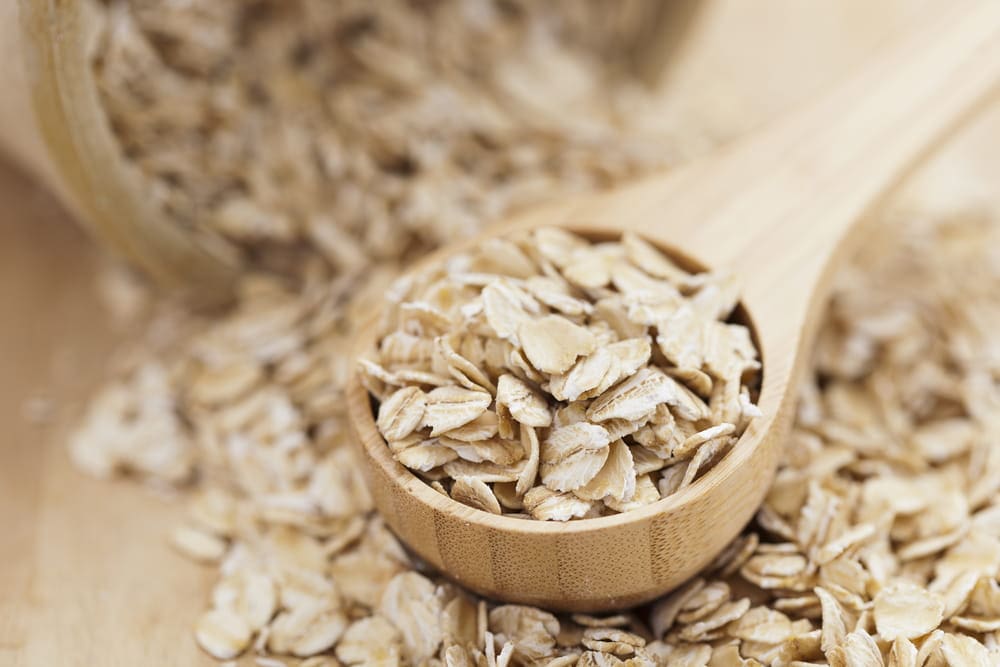
When it comes to micronutrients, oats are rich in vitamins and minerals. They are especially abundant in B vitamins, which are vital for energy metabolism. There are also minerals like magnesium, phosphorus, and iron – crucial for muscle function and oxygen transport in the blood.
Thus, oats are among the most cost-effective health foods. You will find them in large quantities for a low price, making them accessible to people from various economic backgrounds. Oats have a particularly long shelf life, reducing the likelihood of waste and making them a practical choice for stocking up.
You can consume them in various forms, from traditional oatmeal, granola, and oat bars to baked goods and smoothies. You can easily flavour and customize them with fruits, nuts, seeds, and other healthy toppings to skyrocket their nutritional value and smack.
How to Calculate Macros and Calories
2. Bananas
Bananas are a magnificent source of essential vitamins and minerals, especially vitamin C, vitamin B6, and potassium. Vitamin C prop up the immune system and skin health, while vitamin B6 is vital for brain health and metabolism. Potassium is crucial for maintaining fluid balance, nerve function, and muscle contractions.
The high potassium content in bananas regulates blood pressure by withstanding the effects of sodium, so they end up reducing the risk of hypertension and promoting cardiovascular health. The same stands for antioxidants – dopamine and vitamin C.

They prevent muscle cramps and support proper muscle function, essential for maintaining performance during physical activities. The fruit provides a quick source of carbohydrates, making them an excellent pre- or post-workout snack. The natural sugars (glucose, fructose, and sucrose) in bananas provide immediate energy, while the fibre moderates the release of sugars into the bloodstream.
Bananas are also packed with dietary fibre, which aids in digestion and maintains regular bowel movements. The fibre content contributes to satiety, helping to control appetite and support weight management. Green, unripe bananas contain resistant starch, which acts as a prebiotic, promoting beneficial gut bacteria and improving gut health and overall digestion.
Related: 16 Signs That the Body Needs More Nutrients
The fruit includes tryptophan, an amino acid that the body converts into serotonin. Serotonin is a neurotransmitter that encourages feelings of well-being and happiness. It enhances mood and reduces symptoms of depression.
Bananas are among the most affordable fruits available, often priced lower than many other superfoods. They are widely available year-round, which helps keep the price stable and accessible. Given their nutritional benefits, bananas offer superb value for money.
3. Spinach
Spinach is stuffed with essential vitamins and minerals:
- vitamin K – principal for blood clotting and bone health
- folate – chief for DNA synthesis and repair
- iron – supreme for oxygen transport in the blood
- magnesium – prop up muscle and nerve function
- vitamin A – fundamental for vision and immune function
- vitamin C – supports immune health and skin
It also contains powerful antioxidants – lutein and zeaxanthin, which protect the eyes from age-related damage, and flavonoids, which have anti-inflammatory and anti-cancer properties.
This leafy green is very low in calories while also being rich in essential nutrients. This makes it a perfect addition to a fitness diet, giving necessary vitamins and minerals without piling up excess calories. Spinach has a high water content, too, which helps keep you hydrated.
The magnesium and potassium in spinach are essential for muscle function and recovery, lessening cramps and muscle fatigue. Being high in dietary fibre, spinach aids in digestion, promotes regular bowel movements, and props up a healthy gut microbiome.
Spinach has a low glycemic index, implicating it causes slower, more gradual rise in blood sugar levels. This helps to keep stable energy levels, which is top-notch for individuals with diabetes or insulin sensitivity. Magnesium also works to improve insulin resistance.
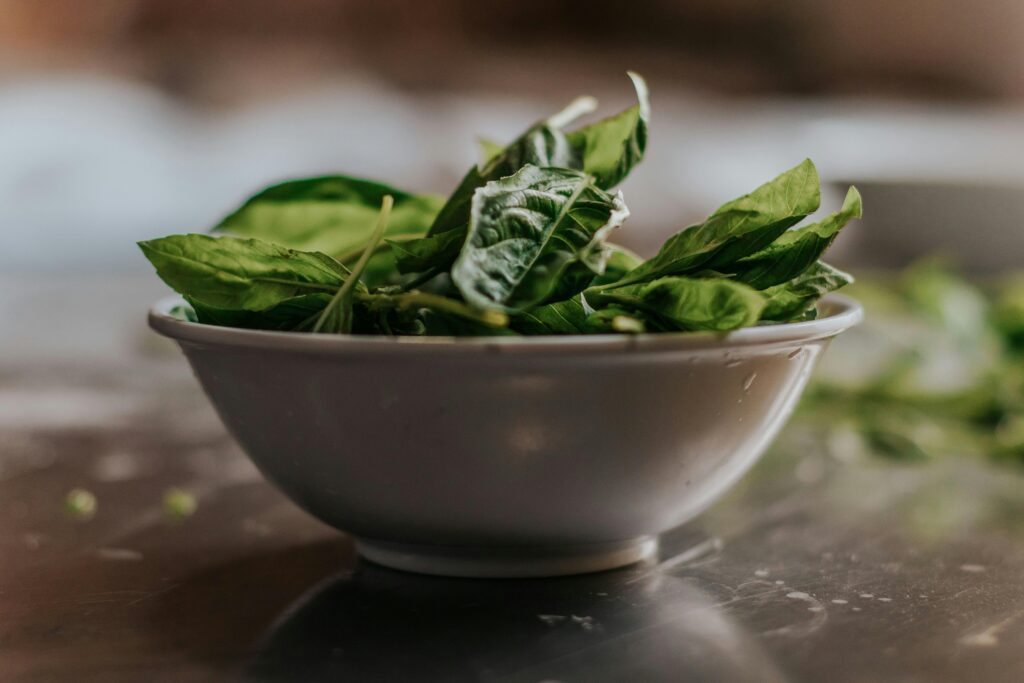
Spinach is relatively inexpensive compared to many other nutrient-dense vegetables and superfoods. It provides a high nutritional return for a low cost. The good thing is spinach is widely available year-round, fresh or frozen, making it an accessible option for most people.
It is the star of various dishes, including salads, smoothies, soups, stews, omelettes, sandwiches, and pasta. Eat it raw or cooked to add nutritional value to a wide range of meals. You can easily incorporate it into different dietary plans, including vegan, vegetarian, gluten-free, ketogenic, and paleo diets.
Eating for Recovery: What to Consume Post Work-Out for Maximal Results!
4. Chia Seeds
Chia seeds are first-rate in dietary fibre, helping digestion, promoting satiety, and supporting weight management. A single serving, about two tablespoons, provides around 10 grams of fibre. They also contain a good amount of protein, involving all nine essential amino acids, making them a complete protein source.
This is particularly helpful for muscle repair and growth, aiding in quicker recovery. They are loaded with omega-3 fatty acids, especially alpha-linolenic acid (ALA), which aid heart health and soothe inflammation. Chia provides a steady release of energy due to a fusion of protein, fibre, and healthy fats.
While chia seeds may seem expensive per pound compared to some other foods, a small amount goes a long way due to high nutrient density. This makes them cost-effective over time and has a long shelf life.
5. Frozen Berries

Berries are packed with antioxidants, peculiarly anthocyanins, which help fight inflammation and oxidative stress. These antioxidants support overall health and recovery from exercise. They are abundant in vital vitamins and minerals, including vitamin C, vitamin K, and manganese.
Vitamin C is salient for immune function and skin health, vitamin K is beneficial for blood clotting and bone health, and manganese is involved in metabolism and bone development. Berries are also high in dietary fibre, aiding digestion, promoting satiety, and supporting weight management.
Owing to their low glycemic index, berries are top-tier for regulating blood sugar levels, making them superb for people with insulin resistance and diabetes. They are fine additions to any dessert or snack when you want to boost fibre and vitamin content but not spike blood sugar.
Frozen berries are commonly less pricey than fresh ones, especially out of season. When harvested at peak ripeness and frozen immediately, they preserve their nutritional value and flavor. You can buy them in bulk to cut the cost per serving, which makes them a good economical choice.
Frozen berries have a longer shelf life than fresh berries, which spoil quickly. This not only minimizes food waste but also ensures a consistent supply of nutritious fruit. When you buy frozen berries, they are already washed and prepped, making them simple to use in various recipes without additional preparation.
Meal Planning Hacks for Busy People Who Want to Eat Healthy
6. Canned Tuna
Canned tuna is a superb source of lean protein, crucial for muscle repair, growth, and overall body maintenance. A typical serving provides around 20-25 grams of protein. The high protein content supports muscle maintenance and growth, which is crucial for people engaged in regular physical activity.

The protein in tuna helps in muscle recovery and repair after training, reducing soreness and improving overall recovery times. High in protein and low in fat (especially in water-packed varieties), canned tuna will help with weight management by promoting satiety and reducing overall calorie intake.
Tuna is abundant in omega-3 fatty acids, which are valuable for heart health, reducing inflammation, and supporting brain function. It also lowers blood pressure and triglycerides, decreasing the risk of arrhythmias.
Omega-3s improve exercise performance and recovery. Canned tuna provides important vitamins and minerals, including vitamin D (prime for bone health and immune function), vitamin B12 (essential for energy production and nerve health), selenium (an antioxidant), and iodine (important for thyroid function).
Canned tuna is, in general, more affordable than fresh fish and other protein sources like meat and poultry. Still, it provides high nutritional benefits for a relatively low cost. It has a long shelf life, making it economical as you can purchase it in bulk and store it for extended periods without the risk of spoiling. This reduces food waste and ensures a consistent supply of protein.
Canned tuna is always ready to eat, as it requires no cooking and can be eaten straight out of the can. This makes it a convenient option for quick meals and snacks, so it is superb for people with busy lifestyles who need a quick protein source post-workout. Canned tuna is easy to pack, so it is a practical option for on-the-go meals, whether for work, travel, or outdoor activities.
Paleo vs. Keto vs. Vegan: Breaking Down the Best Diets for Fitness