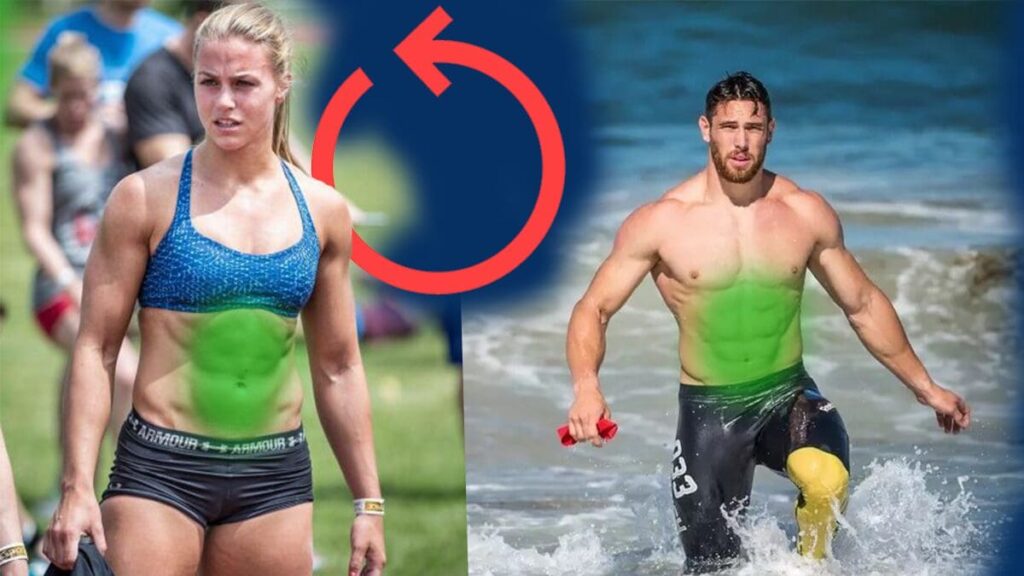
Building muscle effectively requires selecting the right exercises. Selecting the right ones can significantly impact your muscle development, injury prevention, and overall training efficiency.
In this article, we turn to muscle-building experts Dr. Mike Israetel and Milo Wolf to rank and evaluate 19 exercises, categorizing them from the best (S-tier) to the worst (D-tier) based on their efficacy for hypertrophy.
Dr Milo Wolf shares his invaluable knowledge on a YouTube channel ranging from hypertrophy and strength training to losing fat, although the information for this article is based on a video he presents uploaded on the Stronger By Science YouTube channel.
Dr Mike Israetel, PhD in Sport Physiology and co-founder of Renaissance Periodization, is a well-respected professor in the bodybuilding community. He doesn’t only talk about workouts and fitness tips, he often dives deep into health and nutrition.
This guide will break down each exercise, explaining why it falls into a particular category. Whether you’re a beginner or a seasoned lifter, this ranking will help you refine your workout routine to maximise muscle growth.
Table of Contents
Experts Rank the Best and Worst Exercises to Build Muscle
Chest Exercises
Barbell Bench Press – A-tier
The barbell bench press is highly effective for loading the pectoral muscles, providing a good range of motion and accommodating various grip positions. It’s safe with proper form and offers built-in variation through hand positioning. However, it doesn’t allow for a deep stretch in the pecs, which prevents it from reaching S-tier.
Cable Crossover – C-tier

Cable crossovers are less effective due to their focus on the contraction phase rather than the stretch, which is more beneficial for hypertrophy. They are also less practical in crowded gyms and can be confusing to execute correctly.
Incline Barbell Bench Press – A-tier
This exercise targets the clavicular fibres of the pecs and is adjustable to individual needs. Like the flat barbell bench press, it’s versatile and effective but limited by its range of motion.
Dips for Chest – C-tier/B-tier

Standard dips often prioritise triceps over chest, making them less effective unless performed with specific adjustments like using angled dip bars and a forward-leaning position.
Deficit Push-Ups – S-tier
Deficit push-ups are highly effective due to their minimal setup, deep stretch at the bottom, and enhanced muscle activation, especially in the chest and triceps.
Arm Exercises
Barbell Curl – C-tier
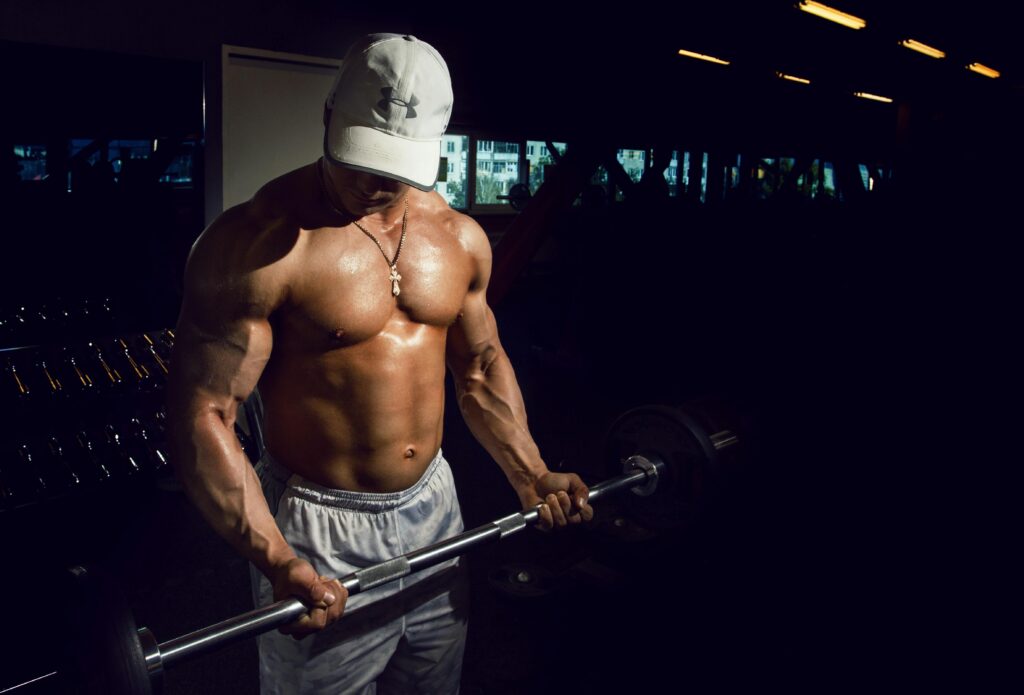
Despite its popularity, the barbell curl is suboptimal for bicep hypertrophy due to the force curve, which peaks at the wrong point. Additionally, it can be uncomfortable on wrists and elbows.
Dumbbell Kickback – D-tier
This exercise is ineffective for triceps hypertrophy due to its force curve, which doesn’t provide enough tension where it’s needed most. It also requires significant stabilisation, making it inefficient.
Cable Overhead Extension – A-tier/S-tier
The cable overhead extension is excellent for targeting the triceps, providing a consistent load throughout the movement. Avoid using a rope attachment, which can reduce the effectiveness.
Shoulder Exercises
Standing Barbell Overhead Press – D-tier
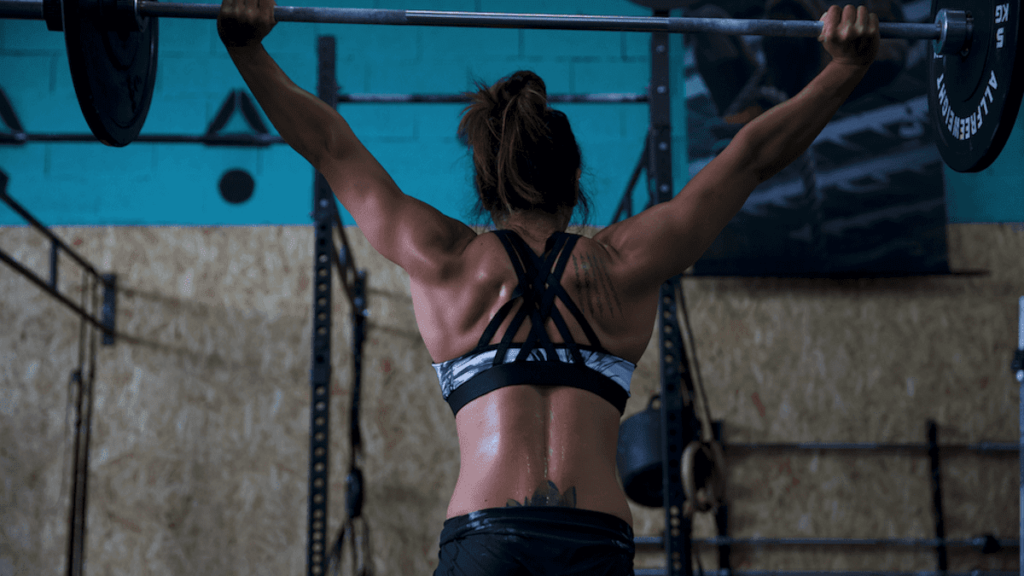
Although often considered a staple, this exercise offers minimal activation of the side delts and involves high systemic fatigue, making it inefficient for shoulder hypertrophy.
Machine Rear Delt Fly – B-tier
Machine rear delt flies are reliable but unremarkable. They provide moderate stimulus without much variation, serving as a decent addition to a shoulder workout.
Barbell Front Raises – B-tier
This exercise can activate side delts effectively if performed correctly. However, it’s less efficient for front delts compared to other movements.
Back Exercises
Barbell Bent Over Row – A-tier
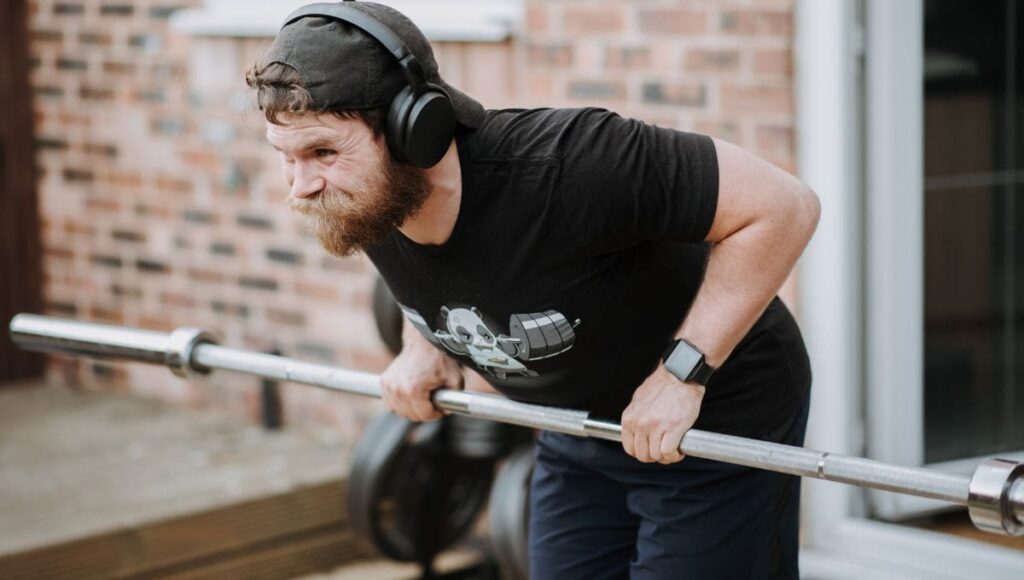
The barbell bent over row targets multiple back muscles, including the rhomboids and traps. It’s effective but can be taxing on the lower back, requiring good form to prevent injury.
Machine Row – S-tier
The machine row, particularly the prime machine row, is exceptional for back development. It provides a great range of motion, minimal friction, and adjustable grips, making it a versatile and effective exercise.

Pull-Up – A-tier
Pull-ups are highly effective for lat activation and overall back development. They offer various grip options and minimal axial fatigue, allowing for more volume.
Dumbbell Pullover – S-tier
Dumbbell pullovers provide significant stretch and contraction for the lats and chest. They are versatile and can be adjusted for individual comfort and mobility.
Leg Exercises
Deadlift – D-tier
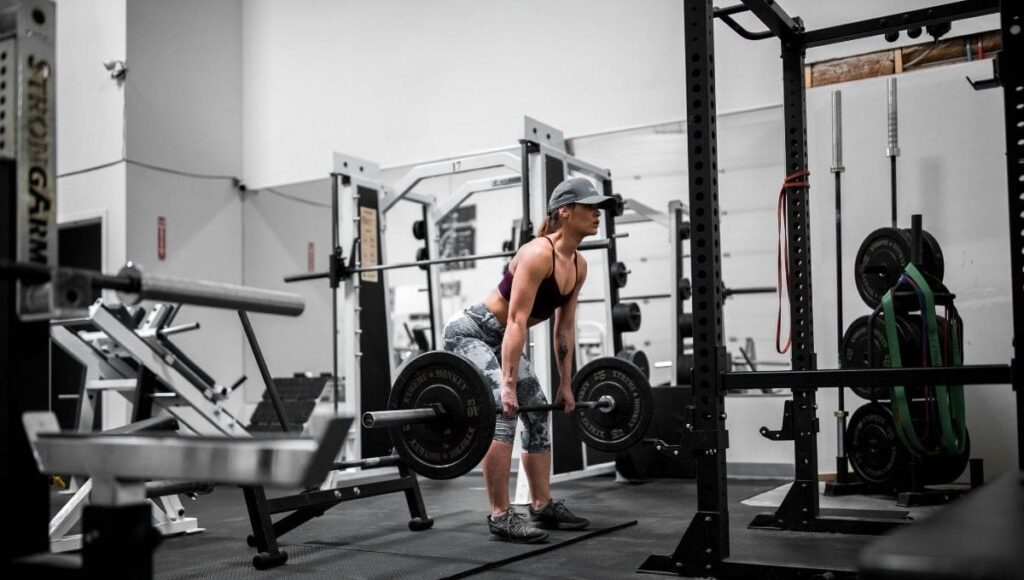
While excellent for strength, deadlifts are less effective for hypertrophy due to their high systemic fatigue and the ambiguous primary target muscle. They pose a higher risk of injury and require extensive setup and warm-up.
Hip Thrust – B-tier
Hip thrusts are effective for isolating the glutes but are limited by their force curve. Single-leg variations can enhance their efficacy.
Leg Extension – C-tier
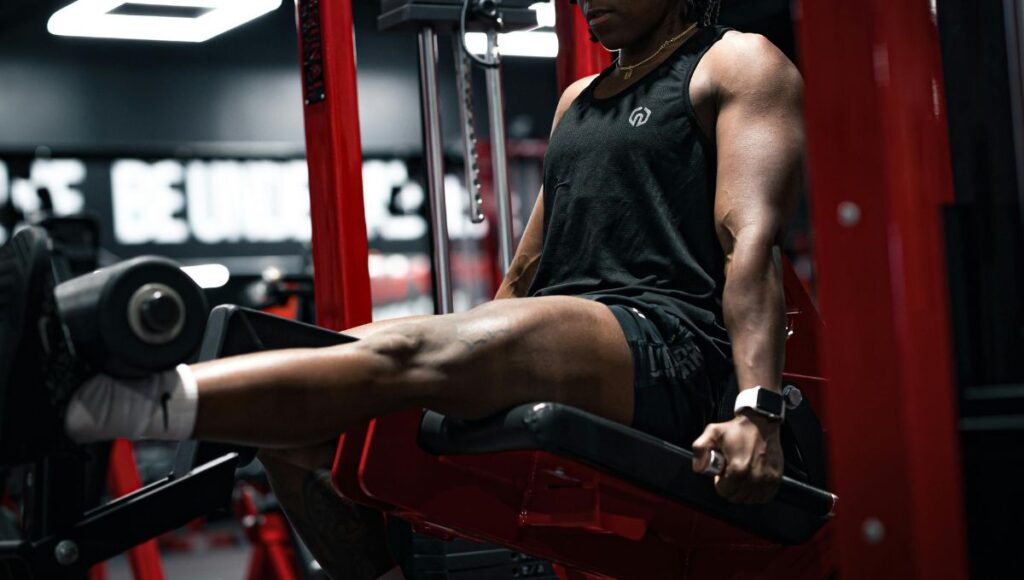
Leg extensions are beneficial within a comprehensive leg routine but are less effective when used in isolation. Proper machine setup can elevate their status to an A-tier exercise.
Seated Calf Raise – D-tier
The seated calf raise primarily targets the soleus, which is less hypertrophic compared to the gastrocnemius. It’s less effective for overall calf development.
Incorporate these expert-ranked exercises into your workout routine to optimise muscle growth and achieve your fitness goals efficiently.
Understanding which exercises are most effective for muscle building can transform your training regimen. By incorporating more S-tier and A-tier exercises, you can maximise your hypertrophy gains while minimising inefficiencies and risks. Here is a summary table of the exercises ranked by Dr. Mike Israetel and Milo Wolf:
| Exercise | Tier | Notes |
| Deficit Push-Ups | S-tier | Minimal setup, deep stretch, effective for chest and triceps |
| Dumbbell Pullover | S-tier | Great for lats and chest, adjustable for comfort and mobility |
| Machine Row | S-tier | Excellent range of motion, versatile grips, minimal friction |
| Barbell Bench Press | A-tier | Effective for pecs, versatile, safe with proper form |
| Incline Barbell Bench Press | A-tier | Targets upper pecs, versatile, safe with proper form |
| Cable Overhead Extension | A-tier | Consistent load on triceps, avoid rope attachment |
| Barbell Bent Over Row | A-tier | Effective for multiple back muscles, taxing on lower back |
| Pull-Up | A-tier | Great for lats, minimal axial fatigue, various grip options |
| Barbell Curl | C-tier | Suboptimal force curve, uncomfortable for wrists and elbows |
| Cable Crossover | C-tier | Less effective for hypertrophy, impractical in crowded gyms |
| Dips for Chest | C-tier/B-tier | Triceps-focused unless adjusted, potential for effective variation |
| Hip Thrust | B-tier | Effective for glutes, limited by force curve, enhanced with single-leg |
| Leg Extension | C-tier | Beneficial in a leg routine, less effective in isolation |
| Machine Rear Delt Fly | B-tier | Reliable but unremarkable for shoulder development |
| Barbell Front Raises | B-tier | Effective if performed correctly, less efficient for front delts |
| Seated Calf Raise | D-tier | Targets soleus, less effective for overall calf development |
| Deadlift | D-tier | High systemic fatigue, ambiguous primary target, higher injury risk |
| Dumbbell Kickback | D-tier | Ineffective force curve, high stabilisation required |
| Standing Barbell Overhead Press | D-tier | Minimal side delt activation, high systemic fatigue |