In the ever-evolving landscape of nutrition, the meaning of “healthy eating” has become increasingly complex and often misleading. Gone are the days when eating healthy simply meant avoiding junk food. Today, many people equate certain labels with health, such as organic, non-GMO, vegan, gluten-free, and keto. However, these labels can sometimes mask unhealthy choices. At least that is what Mike Israetel talked about in a recent video he shared.
Dr Mike Israetel, PhD in Sport Physiology and co-founder of Renaissance Periodization, is a well-respected professor in the bodybuilding community. He doesn’t only talk about workouts and fitness tips, he often dives deep into health and nutrition.
This article delves into common misconceptions about these food labels and clarifies what truly constitutes a healthy diet.
Food Labels That Sound Healthy But Are NOT
The concept of healthy eating has undergone significant changes over the decades. In the 80s and 90s, it was relatively straightforward: avoiding junk food and eating a balanced diet. However, today’s landscape is filled with various labels that are often mistaken for indicators of health. This shift has led many people to believe they are eating healthily based on these labels, even if the nutritional content tells a different story.
“A lot of times when they say ‘I eat healthy,’ they mean a few things that aren’t actually what they seem to be,” says Israetel.
Organic and Non-GMO: Misconceptions and Realities
One of the most pervasive myths is that organic and non-GMO foods are inherently healthier. The belief is that these foods are more nutritious or less likely to contribute to weight gain. However, extensive studies have shown that there is no significant nutritional difference between organic and conventionally grown produce.
“Direct studies show that on average there is no more nutritive value to organically grown produce than to conventionally grown produce,” Dr. Mike explains.
Organic Does Not Mean Lower Calories
A common scenario is seeing high-calorie snacks like chocolate-covered nuts labeled as organic or non-GMO. The label may lead consumers to believe these snacks are healthy when, in reality, their caloric content remains high.
Veganism: Health Benefits and Pitfalls
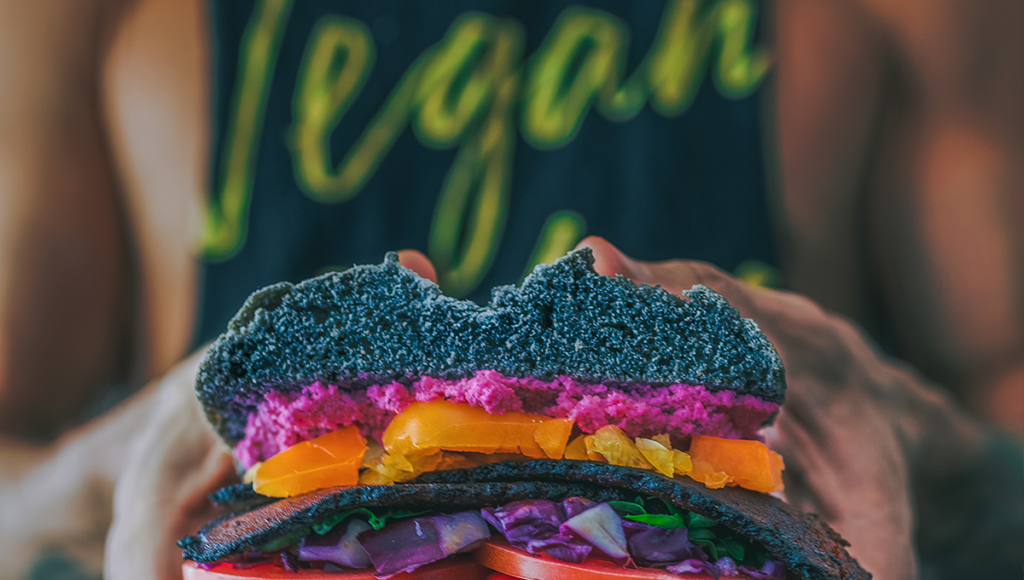
Vegan diets have become synonymous with health for many. While a well-planned vegan diet can be extremely healthy, the availability of vegan junk food has blurred this perception. High-calorie, processed vegan foods can contribute to weight gain and poor health just as much as non-vegan junk food.
“Vegan no longer means healthy,” Dr. Mike emphasizes, highlighting the availability of high-calorie vegan treats that undermine health goals.
The Rise of Vegan Junk Food
The market has responded to the demand for vegan products by creating processed snacks that are technically vegan but nutritionally poor. These products can lead to the same health issues as non-vegan junk food, such as weight gain and nutrient deficiencies.
Gluten-Free: Necessary for Some, Misleading for Many
The gluten-free label is crucial for individuals with celiac disease, but it has been co-opted as a general marker of health. For most people, gluten is not harmful and does not contribute to weight gain or health issues. Yet, gluten-free products often replace gluten with other ingredients that are equally or more caloric.
“If you think gluten is unhealthy, and you’re not celiac, you’re probably misinformed,” Dr. Mike states.

Gluten-Free Products and Weight Gain
Some people adopt a gluten-free diet in the hopes of losing weight, but this can backfire. Gluten-free processed foods can be high in sugar and fat, leading to increased calorie intake and weight gain.
Keto: Navigating High-Fat Diets
The ketogenic diet, which is high in fats and low in carbohydrates, is another trend that many associate with health. While it can be effective for weight loss and certain health conditions, it is easy to misuse. Eating high-fat junk food under the guise of keto can lead to poor health outcomes.
“People eat low carb and the worst stuff in the world, thinking it’s healthy,” Dr. Mike warns.
Misconceptions About Keto Foods
Many keto-friendly products are highly processed and contain unhealthy fats. These can include items like fast-food burgers without the buns, which are still high in unhealthy fats and calories.
What Truly Constitutes Healthy Eating?
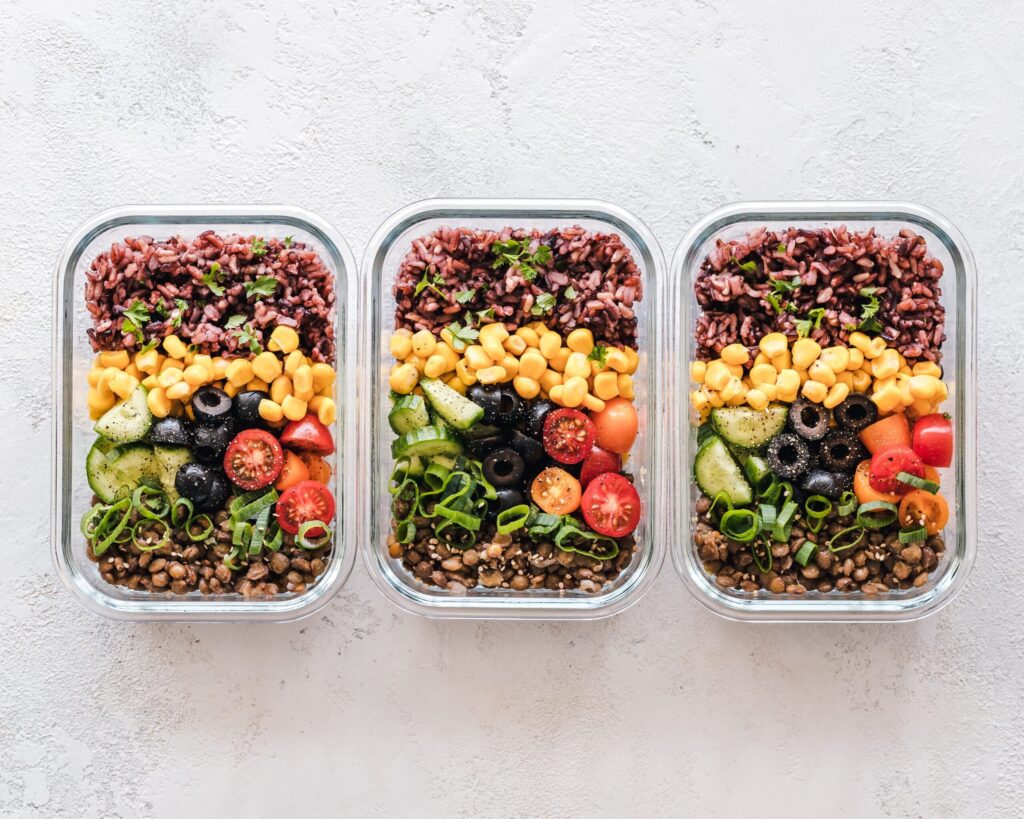
True healthy eating is about balance and nutrient density, not just labels. A diet rich in vegetables, fruits, whole grains, lean proteins, and healthy fats is the cornerstone of good health. It’s important to look beyond labels and focus on the overall nutritional content of your food.
In summary, while labels like organic, non-GMO, vegan, gluten-free, and keto can guide choices, they are not definitive markers of health. Understanding the nutritional content and maintaining a balanced diet are essential for true health. Here are the key takeaways:
By understanding these nuances, you can make more informed dietary choices and avoid the pitfalls of relying solely on food labels for health.
| Key Takeaways |
| 1. Organic and Non-GMO: No significant nutritional difference from conventional foods. |
| 2. Vegan: Can be healthy, but watch out for high-calorie vegan junk food. |
| 3. Gluten-Free: Essential for celiac disease, but not inherently healthier for others. |
| 4. Keto: Effective for some, but beware of high-fat junk food. |
| 5. Balanced Diet: Focus on nutrient-dense foods for true health. |